Pdh Sdh Multiplexer

Overview
Product sourcing insights & recommendations
The PDH (Plesiochronous Digital Hierarchy) and SDH (Synchronous Digital Hierarchy) multiplexer market is currently in a "hybrid" era. While modern networks are transitioning to all-IP (Ethernet) architectures, SDH remains a critical foundation for legacy infrastructure requiring extreme reliability, such as power grids and transportation hubs.
1. Technical Insights & Comparison
The fundamental difference lies in their timing and scalability Rfwireless-WorldSlideshare.
* PDH (The Specialist): Operates with slight clock variations, using bit interleaving. It is highly cost-effective for simple point-to-point links (e.g., E1/T1 to fiber) ArxivFctele.
* SDH (The Backbone): Uses a unified master clock and byte interleaving. Its primary advantage is "Add-Drop" capability, allowing specific data streams to be extracted without dismantling the entire high-speed signal (STM-1/4/16/64) LinkedinAd-Net.
2. Market Trends (2025–2026)
* MSPP Dominance: The market has shifted toward Multi-Service Provisioning Platforms (MSPP) or MSTP Directindustry. These devices integrate legacy SDH/PDH ports with modern Gigabit Ethernet, allowing for gradual migration to IP networks Ip-Fiber.
* Mission-Critical Utility: The SDH market is valued at approximately $4.25 billion (2024) and is projected to reach $6.50 billion by 2033 (CAGR 5.2%) Verifiedmarketreports. This growth is fueled by fiber expansion in developing regions and the maintenance of deterministic networks in industrial automation E1-Converter.
* Price Dynamics: PDH equipment remains significantly cheaper (often half the price of SDH counterparts), making it the preferred choice for small-scale regional links where complex management is not required E1-Converter.
3. Representative Product Categories
I have identified several tiers of products currently available on the market, ranging from simple PDH converters to high-capacity SDH nodes.
Sdh Multiplexer Stm 1 Stm 4 Stm 16 Stm 64
Products · 3 lists
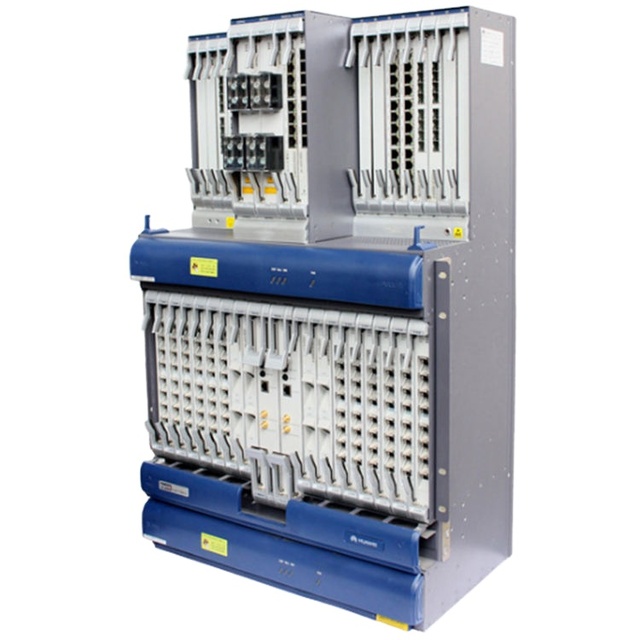
OptiX OSN7500 Optical Transmission Equipment SDH Optical Transceiver STM-1/4 360G Higher-Order Cross-Connect MPLS-TP Equipment
 Huizhou Hongfei Telecommunication Co., Ltd.verified🇨🇳CN9 yrs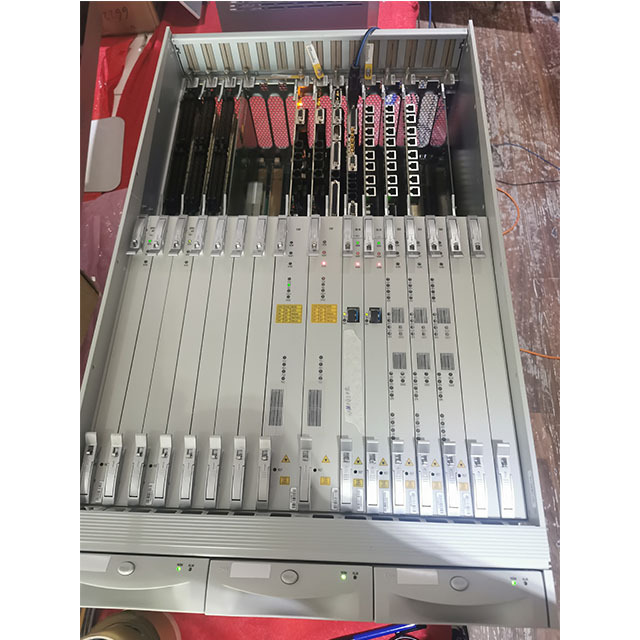
ZXMP S385 STM-64 SDH PDH Based Optical Fiber Multi-Service Node Equipment
 Shanghai Chucheng Information Technology Co., Ltd.🇨🇳CN17 yrs
Transport System OSN 500 STM-1 Optical SDH
 Shenzhen Huatenmax Technology Co., Ltd.🇨🇳CN3 yrs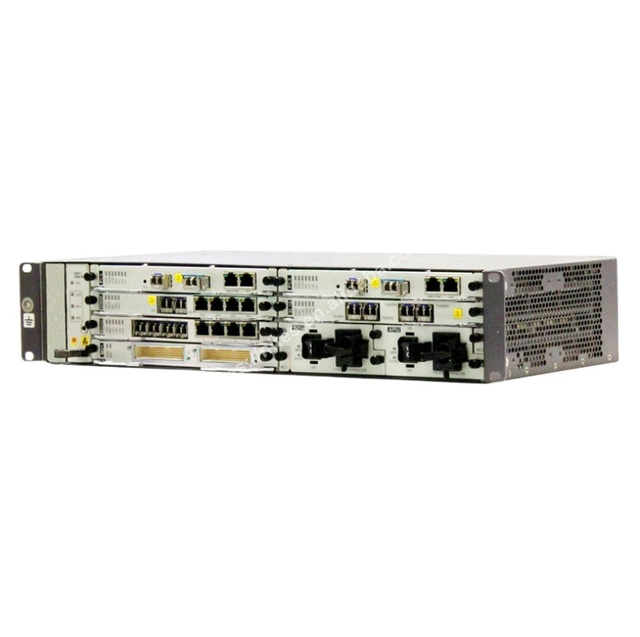
MSTP OptiX OSN 550 SDH OSN550 TDM PTN transmission SDH STM-4 STM-1
 Shenzhen Nites Electronics Technology Co., Ltd.🇨🇳CN14 yrs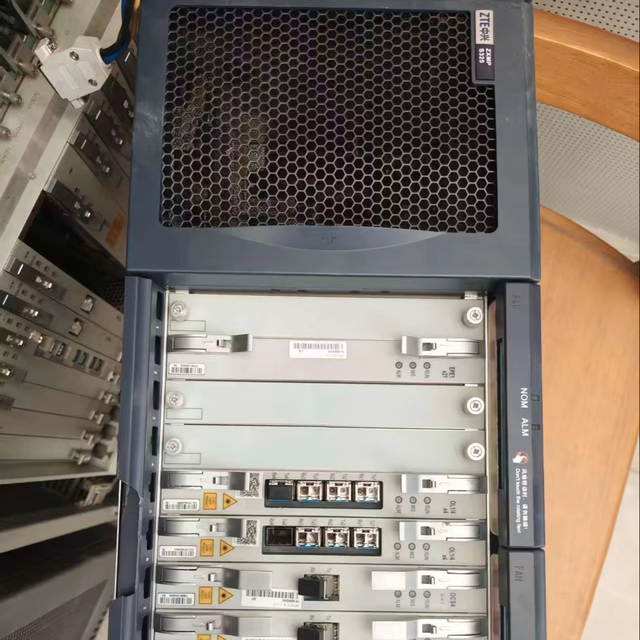
S325 SDH/MSTP Multi - Service Node, 10 Slots, STM - 16/4/1, E1/T1, Ethernet, for Metro Access
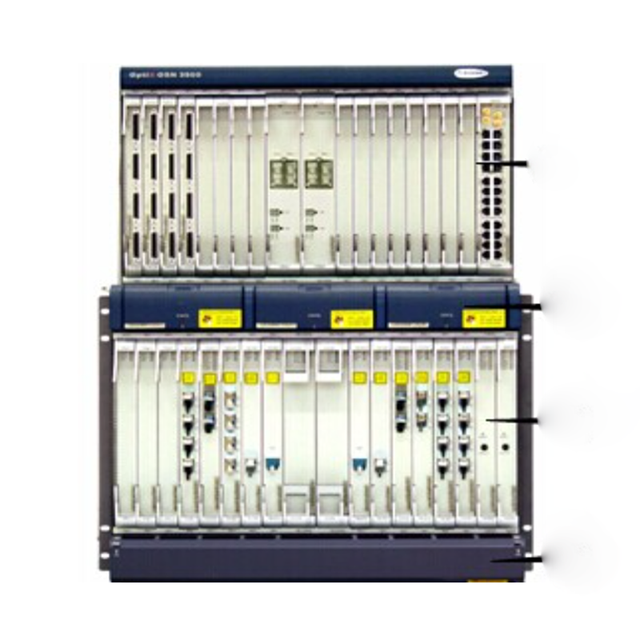
MSTP SDH Transmission fiber optical multiplexer equipment OSN2500
 HK HUA MING XIN INFORMATION TECHNOLOGY LIMITED🇨🇳CN3 yrs
Multilin TN1Ue SDH Multiplexer
 Xiamen Yihe Import And Export Trading Co., Ltd.🇨🇳CN1 yr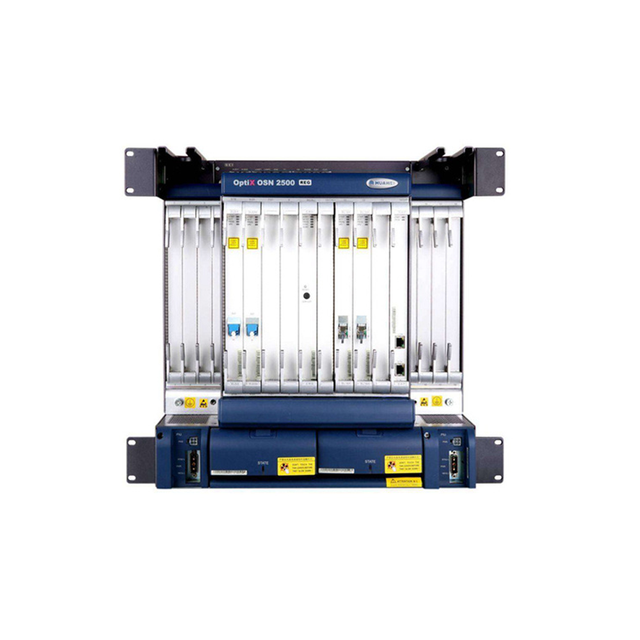
HW Fiber Optical Multiplexer Sdh Osn 2500 Mstp Osn2500 Transmission
 Ella Optoelectronic Technology Hebei Co., Ltd.verified🇨🇳CN7 yrs
Related Searches
Explore more sourcing topics & related categories
Sources & References
17 sources cited · Verified industry data & reports
PDH vs SDH: Understanding the Differences and Similarities - FCTEL
www.fctele.com
Plesiorhythmical Division Multiplexing (PDH) and Synchronous Digital Hierarchy (SDH) are 2 commonly used technologies for multiplexing and transporting digital signals in telecommunications networks. PDH and SDH have advantages and disadvantages, they are used in different scenarios depending on the network’s specific needs. The PDH standards define several levels of data rates and multiplexing capabilities, including 2 Mbps (E1), 8 Mbps (E3), and 34 Mbps (E4). Each level represents an increment in the bandwidth capacity, allowing for more data to be transmitted simultaneously over a single communication line. This technology, while somewhat outdated by more advanced systems like Synchronous Digital Hierarchy (SDH) and Optical Transport Networks (OTN), continues to be relevant in certain applications where high-cost infrastructure changes are not feasible. Synchronous Digital Hierarchy (SDH) is an advanced telecommunications standard designed to overcome the limitations inherent in the older Plesiochronous Digital Hierarchy (PDH). At its core, SDH operates on a synchronous timing framework, ensuring that all devices within the network are precisely synchronized to a unified clock source. This synchronization dramatically increases network efficiency, enabling the simultaneous multiplexing of a more considerable number of channels and optimizing bandwidth utilization. One of the principal distinctions between PDH (Plesiochronous Digital Hierarchy) and SDH (Synchronous Digital Hierarchy) lies in their network capacities and flexibility. PDH is typically employed in smaller-scale networks where bandwidth demands are modest. It operates at various capacity levels, extending up to the E4 level, which supports a bandwidth of about 140 Mbps, and in some systems even up to E5 level, offering capacities of around 565 Mbps. These levels accommodate more multiplexed channels, with E4 and E5 allowing for more data throughput than E3.
What is PDH SDH and difference between them | RF Wireless World
www.rfwireless-world.com
Learn PDH and SDH and explore difference between them including data rates, advantages and disadvantages of these digital transmission technologies. Understanding the differences between PDH and SDH helps improve network scalability, management, reliability, and transmission efficiency. In PDH, digital multiplexer’s inputs (bit streams) are of the same bit rate and are derived from different clocks from different oscillators. Every manufacturer has its own standards; PDH also has different multiplexing hierarchies, making it difficult to integrate interconnecting networks together. As PDH was not scalable to support high-capacity bandwidth and hence was not suitable to accommodate growing traffic needs, SONET was developed as an American Standard, while SDH was developed as a European Standard. As per CCITT, any PDH rates up to 140 Mbps can be integrated with SDH rates up to 155.52 Mbps. A more simplified multiplexing and demultiplexing technique.
A review of Plesiochronous Digital Hierarchy (PDH) and ...
arxiv.org
high bit rate channel down through all multiplexing · levels until the ideal rate is located, this requires a lot of ... Tolerance is allowed in bit rates. ... PDH allows only Point-to-Point configuration. ... PDH doesn’t support Hub. D. Migrating to Synchronous Digital Hierarchy (SDH) synchronous multiplexing elements are structured fixed- size sets of bytes, which are byte-interleaved or mapped · one-into-the-other to eventually form STM-N frames. The STM-1 frame is the basic transmission format for · SDH. The frame lasts for 125µs, equivalent to 0.125 kHz. C. SDH Virtual Container Structure · Virtual containers (VCs) are the basic building block, which maps a payload that can be any PDH signal as well It uses octet multiplexing. ... Also uses an extremely precise timing. ... SONET/SDH also fits in the physical layer. A. SDH Network elements ... B. SDH Frame Structure The SDH frame structure is based on synchronous byte- wise multiplexing of several building blocks.
PDH multiplexer - All industrial manufacturers
www.directindustry.com
... 6U is a modular system with the integrated functions of the powerful HX9400R SDH/SONET system and the versatile TDM/ PDH QX3440 multiplexer. ... Full cross-connect at VC11, VC12, VC3 to VC4 is provided. It is a true SDH/SONET HUB for the transport and distribution of PDH E1/T1/E3/DS3 links and Ethernet/Gigabit Ethernet LAN with QoS and high speed protection. © 2026 All rights reserved - Terms - Privacy policy - General Terms - Manage cookies - 鄂ICP备16017613号-2 - ... Huahuan PDH multiplexer is designed to provide transmission of Ethernet and E1 channels over a fiber optic connection. The modem features compactness, light weight, low power consumption and high reliability.
What are the Differences between PDH vs SONET vs SDH - Baudcom
www.e1-converter.com
PDH, in the form of traditional point-to-point connection of various media. Although it is high precision, but difficult to achieve strict global synchronisation, so it is called ‘almost-synchronous’. ... SDH, Synchronous Digital Hierarchy, is also a digital transmission standard. it defines as a multiplex technology used in the telecommunication. PDH: PDH is an older technology primarily used for transporting voice and low-speed data over copper or fiber optic links, which makes it less efficient compared to SONET and SDH. SONET : SONET is a fiber-optic-based technology that provides a standardized optical transmission system. It uses a hierarchical, time-division multiplexing (TDM) system where each signal is synchronized with the others. SDH: SDH provides a similar hierarchical multiplexing structure to SONET but is more adaptable to different regional and international standards. It uses an optical transmission system and allows for the integration of different types of data streams (voice, video, data). ... PDH: PDH supports lower data rates compared to SONET and SDH. SONET: SONET supports much higher data rates compared to PDH. Key SONET rates include: OC-1: 51.84 Mbps; OC-3: 155.52 Mbps; OC-12: 622.08 Mbps; OC-48: 2.488 Gbps; OC-192: 9.953 Gbps. SDH: SDH uses different multiplexing levels, and its rates are often aligned with SONET rates but defined in terms of the STM (Synchronous Transport Module) levels.
SDH vs PDH: Comparison and Migration Guide
www.linkedin.com
In this article, you will learn how SDH compares to PDH and other alternatives for data transmission and migration. ... Experts who add quality contributions will have a chance to be featured. Learn more ... Add to collaborative articles to get recognized for your expertise on your profile. Learn more ... PDH is a method of multiplexing different data streams into a single signal, using different bit rates and clock frequencies. Third, PDH is not transparent, meaning that it cannot carry information about the quality and status of the signal. This makes it difficult to monitor and manage network performance and faults. ... SDH is a method of transmitting digital signals over optical fiber networks, using a common clock frequency and a standardized frame structure. SDH uses synchronous TDM to multiplex lower order signals into higher order ones. For example, 63 E1 signals of 2.048 Mbps each can be multiplexed into a 155.52 Mbps signal, known as STM-1. SDH has been widely adopted for backbone and metropolitan area networks. ... SDH has several advantages over PDH and other alternatives for data transmission and migration. SDH can adapt PDH signals into its frame structure, using different mapping techniques. For example, E1 signals can be mapped into VC-12s, which are then multiplexed into TU-12s, which are then multiplexed into STM-1s. This allows SDH to interoperate with existing PDH networks and equipment, and to migrate them to SDH networks gradually and cost-effectively.