Phone 8gb Ram

Overview
Product sourcing insights & recommendations
I have completed a comprehensive market analysis of 8GB RAM smartphones in the context of the 2026 "memory crisis." The report identifies a significant structural shift in the industry, where 8GB has transitioned from a mid-range standard to a cost-management baseline due to surging DRAM costs.
Key insights include the 27.6% rise in Average Selling Prices (ASPs) and the growing AI obsolescence risk for 8GB devices, which are increasingly excluded from flagship features requiring a 12GB minimum. The findings also highlight a trend toward refurbished flagships as consumers seek better value against "spec shrinkflation" in new 2026 models. Detailed B2B pricing and strategic recommendations are included in the deliverable below.
Here is the market report on 8GB RAM smartphones. You can continue with:
Budget 5g Smartphone 8gb Ram Wholesale
Products · 3 lists
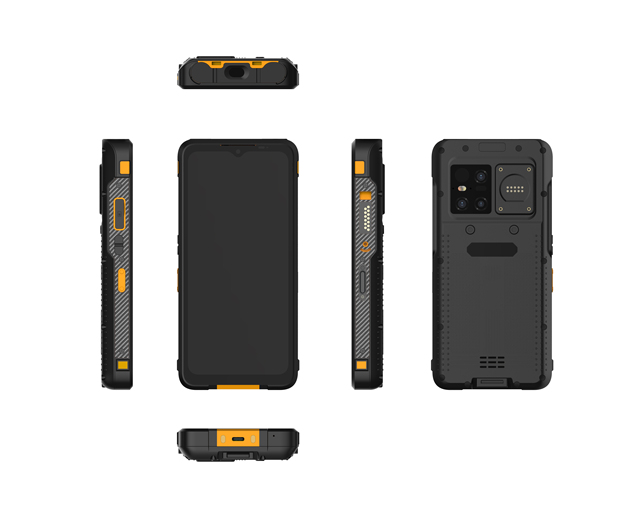
6.58 Inch 1080*2408 IPS 500cd/m² Android 15 Octa-core 5g LTE Ip67 Built-in 10000mAh Battery with NFC Industrial Rugged Phone
 Shenzhen Lianshi Intelligent Technology Co., Ltd.verified🇨🇳CN4 yrs
New Original Ulefone Armor Mini 20T Pro Thermal 5G 4G 8GB 256GB 4.7 Inch Android Rugged Phone GSM Cellular Mobile Cellphones
 Shenzhen Gotron Electronic Co.,ltd.verified🇨🇳CN6 yrs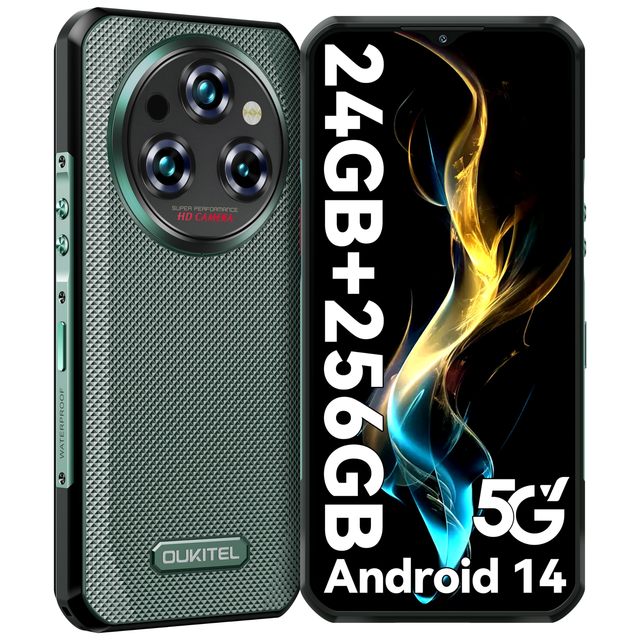
New OUKITEL WP35 5G Rugged Phone 24GB+256GB 6.6" MTK Dimensity 6100+ 11000mAh Battery Ip68 NFC Smart Mobile Phones
 Shenzhen Yunji Intelligent Technology Co., Ltd.verified🇨🇳CN3 yrs
IP68 Waterproof 5000mAh Battery NFC Phone 8+128GB Mobile Phone Support 5G NR Network Built-in 2D Scanning Module PDA
 Shenzhen Connectech Technology Co., Ltd.verified🇨🇳CN9 yrs
NR5502 Rugged Android13 Waterproof View Phones with 2026 Keypad High Pdas Pda Personal Updated Assistant Smart
 Shenzhen Cwell Electronic Technology Co., Ltd.verified🇨🇳CN19 yrs
UNIWA NR6503 Android 13 WiFi 6 5G Rugged Smartphone with 2D Barcode Scanner and NFC
 Shenzhen Cwell Electronic Technology Co., Ltd.verified🇨🇳CN14 yrs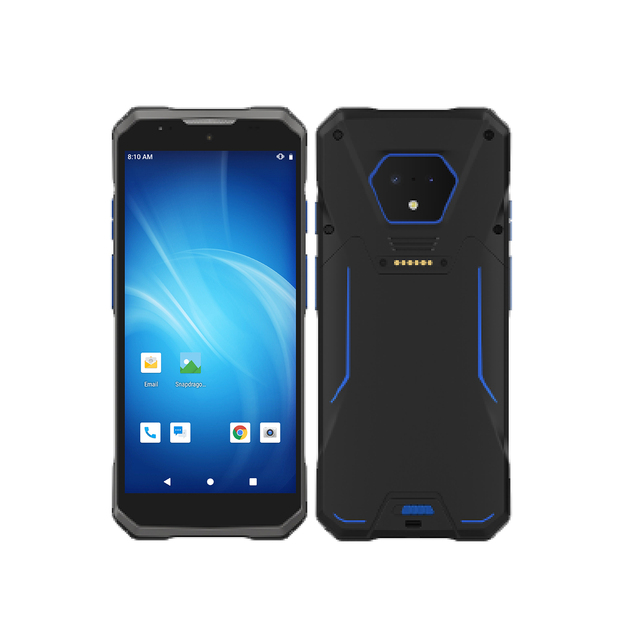
New SP50 Rugged PDA Android 13 5G SA NSA 6.3inch HD Screen 5000mAh Battery 48MP Rear Camera 2D NFC -6.3inch HD Screen 5000mAh
 SHENZHEN SUNCOMM INDUSTRIAL CO.,LTD.verified🇨🇳CN6 yrs
Deep Dive · Full Report
Full Market Report
1 document · Live-fetched from source
Related Searches
Explore more sourcing topics & related categories
Sources & References
26 sources cited · Verified industry data & reports
8GB RAM Phones Guide: What to Look for in 2026
electronics.alibaba.com
Skip RAM-centric marketing—prioritize what you *do*, not what the spec sheet shouts. Price-to-RAM ratio reveals clear value thresholds in early 2026: ₹10,000–₹13,000: Entry-level 8GB (e.g., Motorola G35 5G, POCO M7) — reliable for basics, limited camera/video processing headroom. An 8GB RAM phone refers to a smartphone equipped with 8 gigabytes of volatile memory dedicated to running active apps, system processes, and cached data. Unlike storage (ROM), RAM doesn’t retain data when powered off—it enables speed, responsiveness, and seamless switching between tasks. In 2026, 8GB is standard across mid-range devices (e.g., Motorola G57 Power 5G, POCO M7 Pro, Vivo T4 Lite) and increasingly common even in entry-flagship models like the Nothing Phone 4a Pro 3. But 5G phones launched in 2025–2026 almost universally include 8GB as baseline because their chipsets and cameras demand more memory. You’re getting 8GB as part of a complete package—not because 5G requires it. ... No. RAM is soldered onto the motherboard in all consumer smartphones. 🔄 Longer software relevance: Lower RAM pressure extends OS upgrade viability—fewer “out of memory” crashes delay obsolescence. ... ⏳ Limited headroom for AI-native apps: On-device translation, real-time AR overlays, or generative photo editing may stutter on memory-constrained 8GB setups. 📉 Diminishing returns beyond 3 years: By 2029, baseline app requirements may shift toward 10GB+. But for 2026–2028 use, 8GB remains adequate. 🔍 Marketing ambiguity: Some brands label “8GB + 8GB virtual RAM” as “16GB”—a software trick with no hardware benefit.
Is 8GB RAM Enough for a Phone? What You Need to Know in 2026
electronics.alibaba.com
Yes—8GB RAM is the practical sweet spot for most smartphone users in 2026, delivering smooth multitasking, reliable background app retention, and consistent performance in mid-to-high-tier Android devices 1. The shift toward 8GB as the default RAM tier reflects real changes in Android’s memory management, app complexity, and evolving user behavior—not arbitrary vendor upselling. Starting with Android 12, Google introduced Memory Saver Mode and refined ZRAM compression, supporting more efficient memory use across device tiers. Benchmark data from 2025–2026 shows that average foreground app memory consumption rose by 37% compared to 2021, driven by richer UI frameworks, embedded AI models (e.g., on-device photo enhancement, voice assistants), and persistent background services (messaging, location, health tracking) 2. Consider this: A typical 2026 mid-range phone with 8GB RAM retains ~4–5 apps in active memory after switching between Chrome (with 12 tabs), WhatsApp, Spotify, Maps, and Instagram—without reloading. In contrast, 6GB variants of the same model often drop 2–3 background apps within 30 seconds of switching away 3. Check independent reviews for “app retention” metrics and real-world workflow testing—not just RAM numbers. Not all 8GB is equal. LPDDR5X (introduced in 2023) consumes ~20% less power and offers ~15% higher bandwidth than LPDDR5. Most 2026 mid-range 8GB phones use LPDDR5X—but verify.
IDC - Global Memory Shortage Crisis: Market Analysis and the ...
www.idc.com
The global smartphone market, particularly Android manufacturers, is facing a threat in 2026. The industry’s decade-long trend of democratizing specs by bringing flagship features to affordable smartphones is reversing. The year 2026 is shaping up to be one in which technology becomes more expensive, driven by supply constraints rather than demand growth. ... Francisco Jeronimo is VP for Data and Analytics at IDC EMEA. Based in London, he leads the research that covers mobile devices, personal computing devices, emerging technologies and the circular economy trends across EMEA. His team delivers data on personal computers, tablets, smartphones, wearables, PC monitors, PC gaming, enterprise Thin Client devices, smart home, augmented reality and virtual reality, and sales of used devices. On the other hand, new flagship models in 2026 will likely have no RAM upgrades, sticking to 12GB for Pro models rather than increasing to 16GB. It is also unlikely that current models will see the same price erosion seen after the introduction of the latest model. The cumulative effect of these pressures is a potential contraction in the global smartphone market alongside an increase in average selling prices (ASP). This will result in higher prices, lower margins, or a potential downmix in the amount of RAM in new systems at the worst possible time for this to occur. As with smartphones, IDC is not changing its official PC forecast. Here again, we offer two potential scenarios for 2026.
Why I’d never buy an Android phone with 8GB RAM in 2026
www.androidauthority.com
Whether we like it or not, Apple’s adoption of more powerful, on-device, on-demand Siri AI features with iOS 27 has almost certainly cemented this trend. Even more mainstream phone users will soon become accustomed to chatting with on-device models, making agentic requests, and freeing themselves from button presses to do more with natural language. There’s no putting the genie back in the bottle. Apple's Siri AI solidifies the need for more RAM. There's no going back. Unfortunately, buying an 8GB RAM phone in 2026 already means you’re obsolete if you want to make use of Android and iOS’ latest and future AI features. Whether you’re buying a high-end PC or the latest flagship smartphone, RAM is a precious commodity these days. The crunch in global supply has driven prices to record highs, making it harder and more expensive to get our hands on cutting-edge memory at a reasonable price. At the same time, the market is pushing AI features on us at an accelerating pace, and, as you probably know, on-device AI tools require a lot of RAM. This, apparently, is the future of smartphones — AI will work for us via everyday language requests rather than manually swiping through menus ourselves. The trade-off is that these benefits require several gigabytes of RAM to keep models loaded and ready to respond at a moment’s notice. ... With that in mind, we’re stuck between rising costs and requirements; buying a phone with 8GB of RAM — a previously very safe value — is no longer enough to use the latest and greatest features phones offer. It wasn’t long ago that 12GB was considered overkill for a flagship smartphone, and it still is if you strip out AI features. Even 8GB of RAM is still technically more than you’d need to hold two or three Android games in memory at once without having to close anything.
Smartphone Shipments Set for Record 16.7% Drop in 2026, as the ...
www.idc.com
Based in London, he leads the research that covers mobile devices, personal computing devices, emerging technologies and the circular economy trends across EMEA. His team delivers data on personal… ... Ryan Reith is the Group Vice President for IDC's Worldwide Device Tracker suite, which includes mobile phones, tablets, wearables, and most recently AR/VR. His teams research focuses on the quantitative aspects of the mobile device industry, including market sizing, forecasting,… The smartphone market has changed character this year. Units are dropping while prices are climbing sharply, with consumers expected to absorb the cost. According to IDC’s Worldwide Quarterly Mobile Phone Tracker, worldwide smartphone shipments will fall 16.7% in 2026 to just over 1 billion units. Total market value will still grow 6.3% to $613 billion, because higher prices are now doing the heavy lifting that volume once did. The memory shortage, which started in late 2025, is striking hard in the second half of 2026, with shipments forecast to drop by 27.2% YoY. The average selling price of a smartphone will reach $581 in 2026, up 27.6% in a single year and revised upward from the $550 projected last quarter. More brands are passing the increased cost to the end consumer, with prices rising faster than expected. The premium end will remain more resilient to the price hikes as long-term interest-free financing options are more prevalent in developed markets like the US and UK.
Higher ASPs, lower unit volumes: How the memory crisis is reshaping ...
www.idc.com
We expect meaningful market share shifts in favor of the largest global OEMs over the course of 2026. We also expect vendors to begin shipping some new devices with less memory than consumers have grown accustomed to. Rather than absorbing the full cost of higher-priced memory, some OEMs will opt to reduce average DRAM and NAND configurations in their products. A phone that might have shipped with 12GB of RAM and 256GB of storage a year ago may now debut with 8GB of RAM and 128GB of storage at the same price point, or worse. Rising DRAM and NAND prices are driving double-digit unit declines in PCs and smartphones, reshaping margins, market share, and pricing power. As concerns about DRAM and NAND pricing escalated in late 2025, vendors across both the PC and smartphone categories moved aggressively to get ahead of the problem. Shipments ramped significantly in the fourth quarter of 2025, as noted in our recent press releases on Q4 2025 PC historical shipment data and mobile phone historical shipment data. These elevated levels have continued into the first quarter of 2026 for the PC market, as OEMs rush to ship products before memory and storage price increases take full effect. In December 2025, we published our analysis of the global memory shortage crisis and its potential impact on the PC and smartphone markets heading into 2026. At that time, we outlined two negative-impact scenarios, ranging from low single-digit to high single-digit market declines.