Plastic Satellite Dishes

Overview
Product sourcing insights & recommendations


The phrase "plastic satellite dishes" typically refers to antennas made from SMC (Sheet Molding Compound) or Fiberglass Reinforced Plastic (FRP) rather than standard consumer plastics like PVC. These are highly valued in specialized markets for their durability and signal stability. AlibabaAlibaba
Product Trends & Market Insights
* Material Shift: While steel and aluminum dominate the mass market due to lower cost (60–85% cheaper), professional and coastal installations are shifting toward Fiberglass/SMC. AlibabaAlibaba
* Growth Drivers: The global satellite antenna market is projected to reach approximately $12.8B to $13.9B by 2033-2034, driven by expanding communication networks and demand for ruggedized equipment in harsh environments. DatainteloFortunebusinessinsightsSphericalinsights
* Weather Resistance: SMC dishes are immune to corrosion, making them the industry standard for coastal regions (within 5km of the sea) and high-humidity tropical zones where metal dishes typically fail after 5–8 years. AlibabaAlibaba
* Structural Stability: Unlike thin-gauge metal, plastic composites maintain their parabolic shape across extreme temperature ranges (-20°C to +60°C), preventing the signal "warping" common in metal reflectors. Alibaba
Top Product & Supplier Options
Below are key examples of SMC/Fiberglass antennas and manufacturers specialized in these composite materials.
Smc Satellite Dish Manufacturer
Products · 2 lists
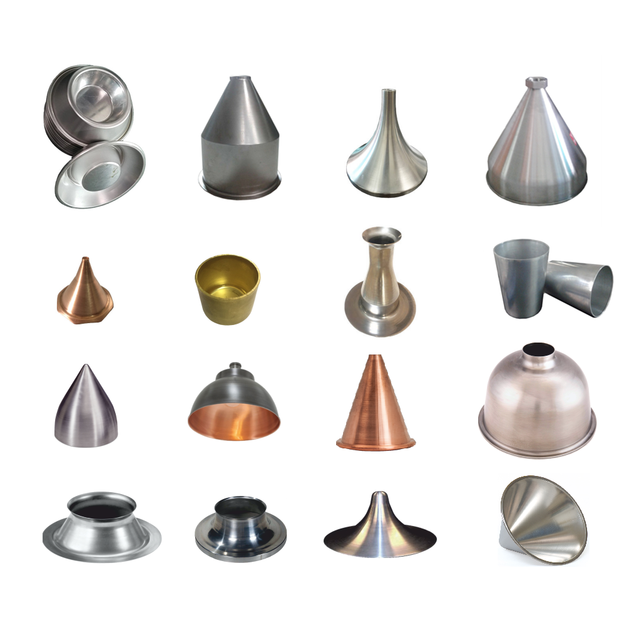
OEM Custom Large Steel Satellite Dish Q235 Carbon Steel Sheet Metal Fabrication CNC Spinning Brushed Surface 1.4mm Thickness ODM
 Wotech Industrial Co., Ltd.verified🇨🇳CN17 yrs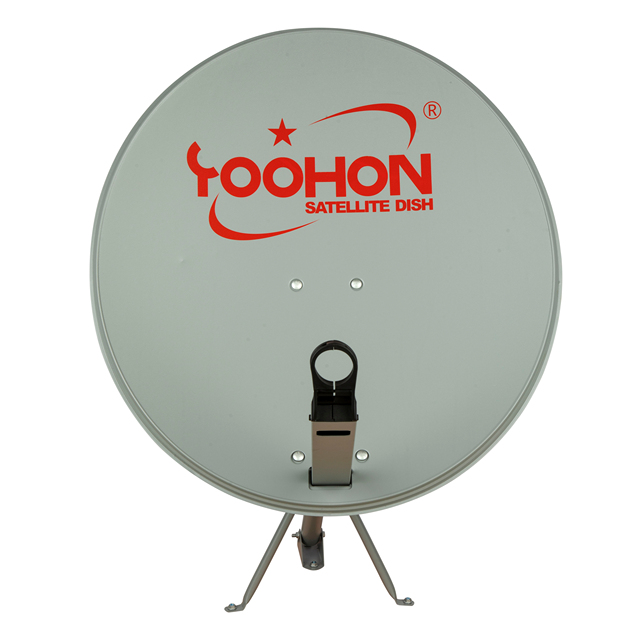
High-Gain 60cm Outdoor Ku Band Satellite Antenna Weatherproof Digital Dish Design with Steel Material
 Qingtian Yoohon Technology Co., Ltd.verified🇨🇳CN2 yrs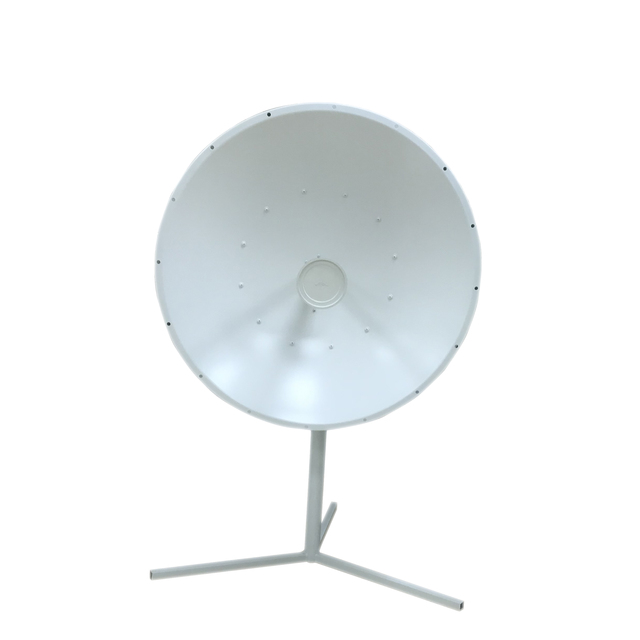
One Stop Service Sheet Metal Fabrication Custom Aluminum Deep Drawn Stamping Satellite Antenna Dish
 Shenzhen Pengfeng Precision Hardware Co., Ltd.🇨🇳CN17 yrs
Related Searches
Explore more sourcing topics & related categories
Sources & References
20 sources cited · Verified industry data & reports
Satellite Antenna Market Size, Share | Growth Analysis [2034]
Fortune Business Insights
The global satellite antenna market size was valued at $5.37 billion in 2025 & is projected to grow from $6 billion in 2026 to $13.97 billion by 2034.
Trends, Forecast and Competitive Analysis to 2030
Lucintel
The global satellite dish market is expected to reach an estimated $37.8 billion by 2030 with a CAGR of 7.2% from 2024 to 2030. The major drivers for this ...

Dish Antenna Market Size, Share, Trends and Analysis 2032
Market Research Future
The Dish Antenna industry is projected to grow from 3630.0 in 2025 to 5670.0 by 2035, exhibiting a compound annual growth rate (CAGR) of 4.55% ...

Analyzing the Competitive Landscape of the Satellite Dish ...
The Satellite Dish market plays a critical role in global communication, broadcasting, and data transmission. Evaluating leading companies ...

Satellite Dish Market Size, Share, Growth and Forecast 2032
Credence Research Inc.
The Satellite Dish market was valued at USD 20,884.93 million in 2024 and is projected to reach USD 31,747.20 million by 2032, growing at a CAGR of 5.44% during ...

Satellite Antenna Market Size, Share, & Growth Analysis
Stratview Research
The satellite antenna market was estimated at USD 7.1 billion in 2024 and is likely to grow at a CAGR of 19.5% during 2025-2032.