Polyphonic Cell Phone

Overview
Product sourcing insights & recommendations


The phrase "polyphonic cell phone" refers to a significant era in mobile history (roughly 2001–2005) when phones transitioned from monophonic "beeps" to layered, harmonic chords PocketnowTedium. Today, while "polyphonic" is no longer a mainstream marketing term, the technology persists in niche markets for accessibility, industrial battery efficiency, and network resilience Alibaba.
1. Market Evolution & Historical Trends
* The Rise (2001-2004): Polyphonic technology revolutionized mobile audio by allowing 4 to 64 notes to play simultaneously using MIDI synthesis Pocketnow. This created a multi-billion dollar ringtone industry where pop songs were re-rendered into "imperfect" but catchy synthetic versions Tedium.
* The Peak & Decline: Google Trends data shows interest peaked in January 2004 . By 2006, "True Tones" (MP3/AAC recordings) replaced polyphonic synthesis as storage and processing power increased, rendering MIDI-style alerts obsolete for mainstream consumers PocketnowReddit.
* Modern Resurgence: There is a growing niche interest in "cell phone history," which reached its highest heat index in June 2026 . This is driven by retro-tech nostalgia and the functional use of polyphonic alerts in low-power devices Alibaba.
2. Current Product Landscape
The modern market for "polyphonic" devices is segmented into three primary areas:
* Retro & Feature Phones: Modern iterations of classics (like the Nokia 6310 4G) and "Retro Brick" phones still utilize polyphonic alerts for their low battery consumption and clear, distinct tones AlibabaAlibaba.
* Senior-Friendly Devices: Large-button phones often feature polyphonic arpeggios because they are easier for users with hearing or visual impairments to differentiate compared to complex MP3 songs AlibabaAlibaba.
* Industrial & Low-Power Applications: Devices prioritizing 30+ days of standby time (e.g., for logistics or emergency response) use polyphonic synthesis because it requires zero dedicated hardware and minimal CPU load Alibaba.
3. Key Consumer Insights
* Functional Clarity: Consumers in the "Senior" and "Industrial" segments prefer polyphonic tones for their distinctive motifs that stand out against environmental noise Alibaba.
* Connectivity Resilience: In emerging markets or areas with poor 4G/5G signals, the tiny file size of polyphonic alerts (2–8 KB) ensures critical notifications are received even during network handoffs Alibaba.
* Nostalgia Value: A secondary market exists for refurbished 2G/3G legacy units among collectors, though these are increasingly limited by the global shutdown of older cellular networks Alibaba.
The trend data for polyphonic phones is now available. You can continue with:
Retro Mobile Phone Polyphonic Ringtones Refurbished
Products · 3 lists
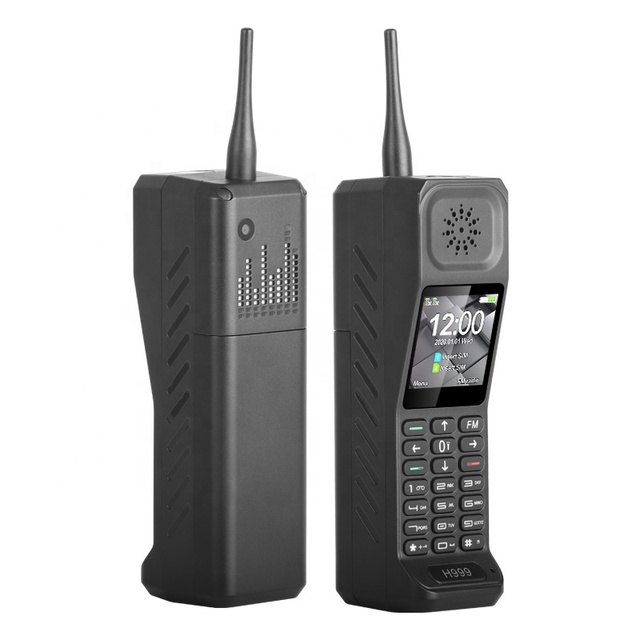
Hoswn H999 1.54 Inch Screen Small Size Retro Brick GSM Mobile Phone
 Shenzhen Cwell Electronic Technology Co., Ltd.verified🇨🇳CN19 yrs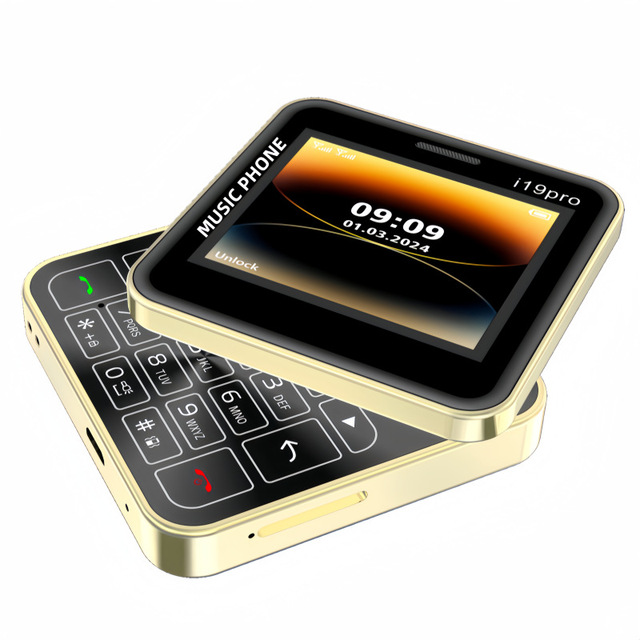
Retro Flip Phone I15 Pro Dual SIM 2G Mobile Support Multi Languages Foldable Feature Phone Elder Student Gift
 Shenzhen Smile Technology Co., Ltd.🇨🇳CN5 yrs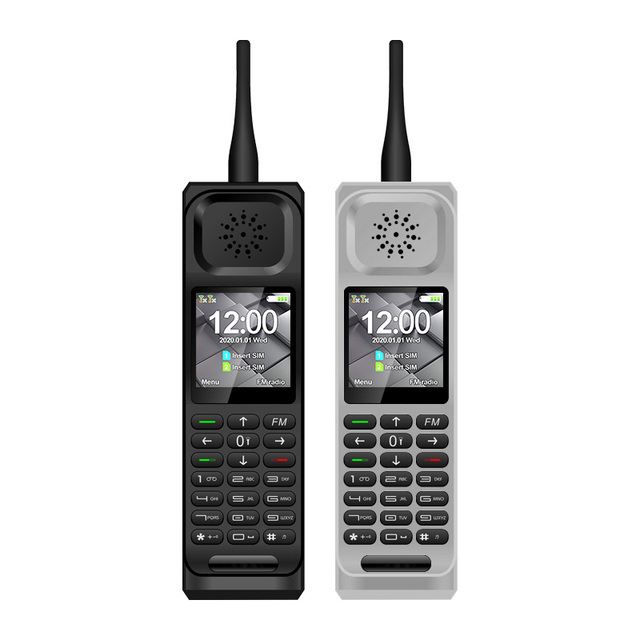
1.54 Inch Small Screen 1200mAh Big Battery GSM China Cheap Retro Brick Mobile Phone
 Shenzhen Cwell Electronic Technology Co., Ltd.verified🇨🇳CN14 yrs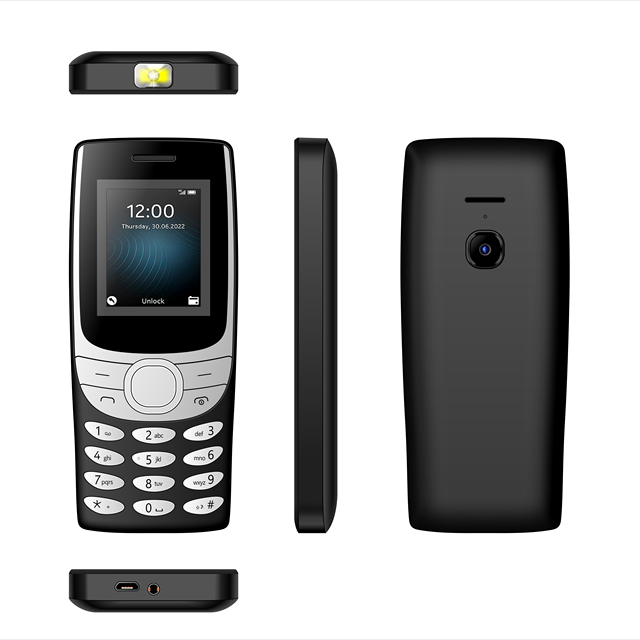
Retro 2G GSM 1.77 Inch Dual Sim Colorful Choice Mobile Phone Feature Phone Gsm Phone
 Ying Tai Electronics Co., Limited🇨🇳CN8 yrs
Cheap Wholesale Small Button Type Retro 4G Feature Phone Qin1s+
 Shenzhen Goodal Technology Co., Ltd.🇨🇳CN3 yrs
Deep Dive · Full Report
Full Market Report
2 documents · Live-fetched from source
Related Searches
Explore more sourcing topics & related categories
Sources & References
24 sources cited · Verified industry data & reports
History of mobile phones
Wikipedia
The history of mobile phones covers mobile communication devices that connect wirelessly to the public switched telephone network.
Replicating the Mobile Revolution
CSIS | Center for Strategic and International Studies
The first phone call on a mobile phone was made in 1973. The first commercial cellular network was launched in 1983. Wireless local area ...

Phone Technology and Trends - Then vs. Now
Cellcom
Let's take a brief look at the history of phones through Cellcom's lens and explore the captivating story of how phone technology has transformed over the years ...

[OC] Mobile phone market over 30 years : r/dataisbeautiful
Reddit · r/dataisbeautiful
Nokia N900 is probably the best phone I've ever had. Many thought it was clunky (especially the UI), but it had everything you'd need from a phone.

History of the Cell Phone (A Timeline of Mobile ...
SureCall
North America finally deployed an analog cellular system of its own in 1983. Israel and Australia then followed in 1986 and 1987, respectively.

Cell Phone Technology: A Historical Overview | PDF
Scribd
The document analyzes the introduction and diffusion of cell phone technology globally from the 1970s to present day. It finds that cell phone adoption has ...