Power Adapter Symbol Scanner

Overview
Product sourcing insights & recommendations
The phrase "power adapter symbol scanner" typically refers to one of two things: the identification of electrical symbols on a power adapter's label, or a power supply for Symbol brand barcode scanners (now Zebra Technologies).
1. Market Insights: Identifying Power Adapter Symbols
Modern power adapters are covered in technical "hieroglyphics" that are essential for safety and compatibility. While there is no specialized consumer "scanner" tool to identify these via a camera, understanding them is critical for replacement HackadayAccesscomms.
* Polarity Symbols: Crucial for barrel plugs. Center Positive (dot inside a 'C' with a '+' sign) is the standard for most electronics, including Symbol scanners AccesscommsWikipedia.
* Electrical Specs: ⎓ indicates Direct Current (DC), while ~ indicates Alternating Current (AC). Input is usually universal (100-240V), while output must match the device's voltage exactly AccesscommsMerrykingcn.
* Safety Marks: The Double Square indicates Class II (double insulated), meaning no ground pin is needed. Other marks like UL, CE, and RCM are regional safety certifications AccesscommsStackexchange.
2. Product Trends: Symbol Barcode Scanner Power Supplies
"Symbol" refers to the legacy brand (Symbol Motorola Zebra) of enterprise barcode scanners. These devices have specific power requirements that drive a steady niche market for replacement adapters and charging cradles Amazon.
* Key Specifications: Most Symbol scanner cradles (like the LS2208 or DS6878 series) require 5.0V or 5.4V DC with an amperage between 2A and 3A Amazon.
* Replacement Market: Since Zebra/Symbol scanners are long-lived enterprise tools, there is high demand for aftermarket power supplies (e.g., part number 50-14000-239R).
* Sourcing Trends: B2B buyers are moving toward universal docking stations and USB-based charging cables for newer handheld models (like the Zebra TC series) to reduce reliance on proprietary barrel-jack adapters Alibaba.
3. Sourcing Summary
If you are sourcing for "Symbol" scanners, focus on 5.4V DC output and center-positive polarity to avoid damaging equipment Hackaday.
I can help you further with the following:
Motorola Zebra Symbol Scanner Charging Cradle Power Supply
Products · 3 lists
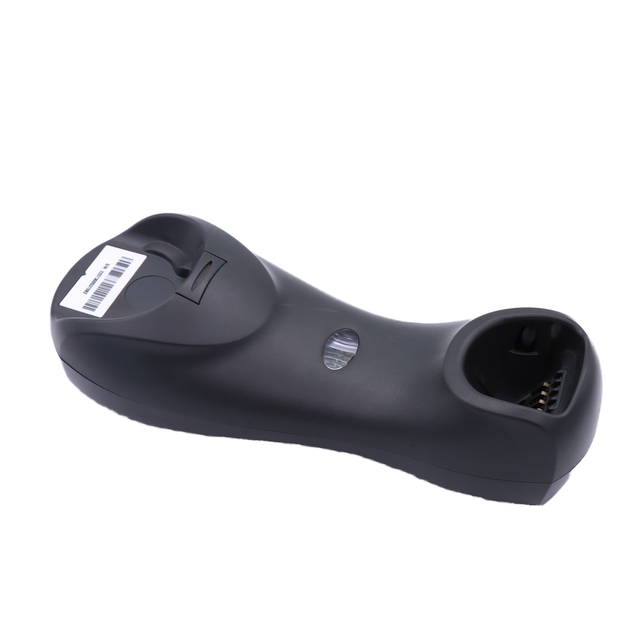
Charge Docking Station for Zebra Symbol Motorola DS6808 DS6878 Long Distance USB Barcode Scanner
 Shenzhen Pingdas Technology Co., Ltd.🇨🇳CN2 yrs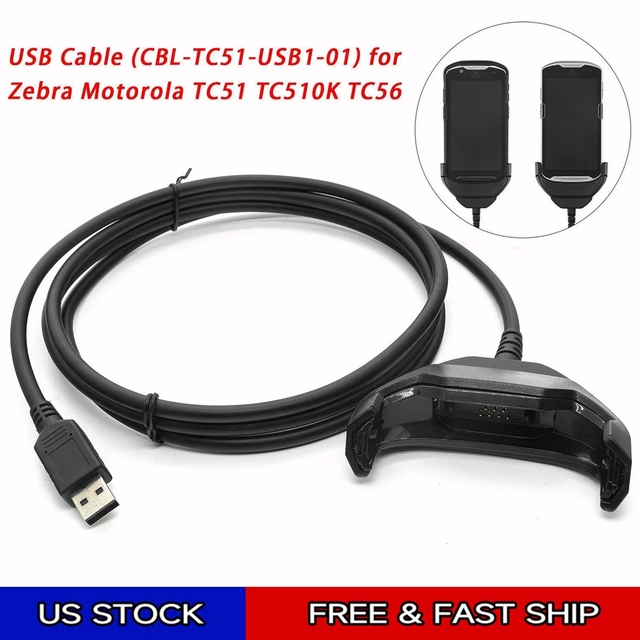
US USB Data Charging Cable for Zebra TC51 TC510K TC56 TC57 CBL-TC51-USB1-01 New
 Shenzhen Apollo International Electronics Co., Ltd.🇨🇳CN8 yrs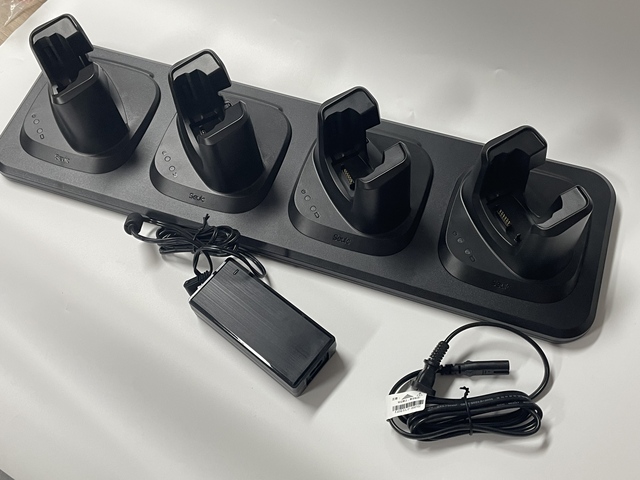
Duty 4 Slot PDA Charger Base Secure & Rugged Desktop Cradle for Handheld Scanners
 Guangzhou Jiewen Information Technology Co., Ltd.verified🇨🇳CN3 yrs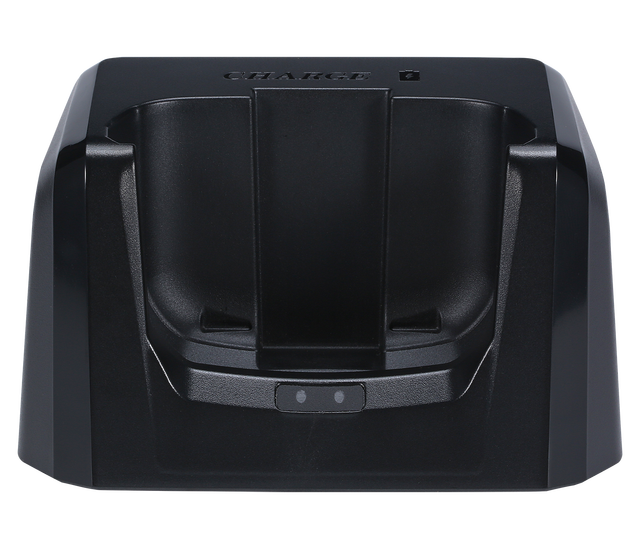
Android Rugged SG-9000/9100 PDA Base WIFI 3G 4G Handheld PDA Cradle with 10W Charging Docking Station Scanner Accessories
 Shenzhen Sigan Technology Co., Ltd.🇨🇳CN7 yrs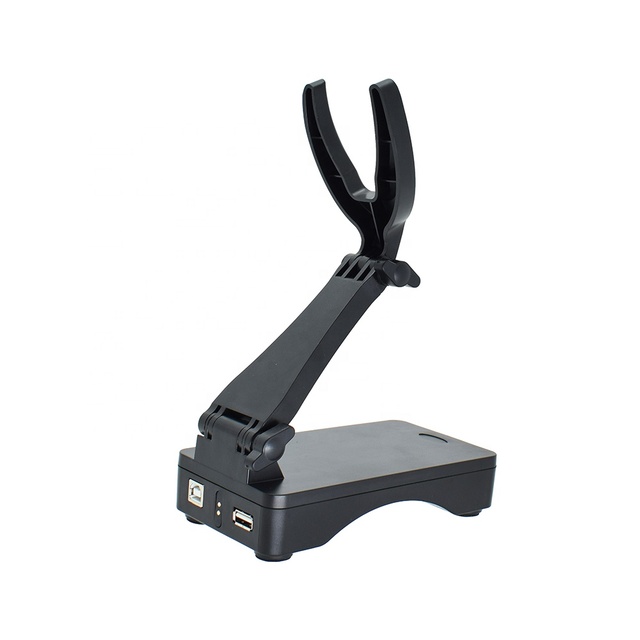
Black ABS Material Barcode Scanner Stand Base with Adjustable Angle USB Interface Magnetic Charging Cradle-in Stock
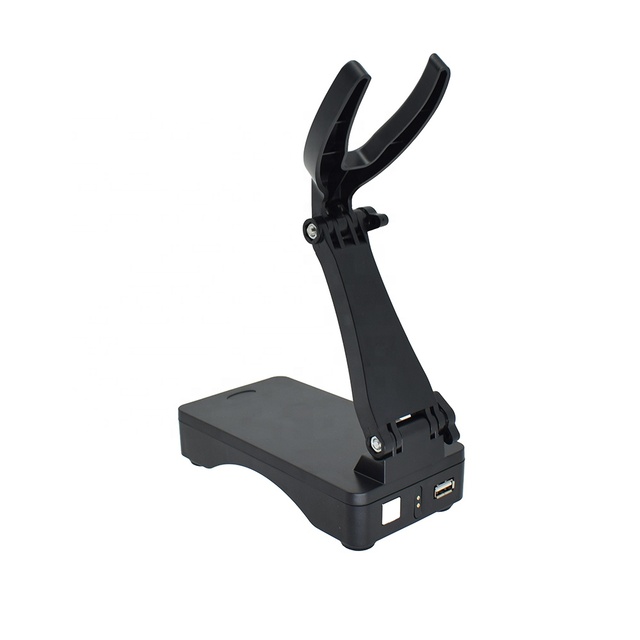
Hand Free Foldable Charging Base Holder Barcode Scanner Stand Magnetic Charging Cradle
 Shenzhen Chixian Technology Co., Ltd🇨🇳CN7 yrs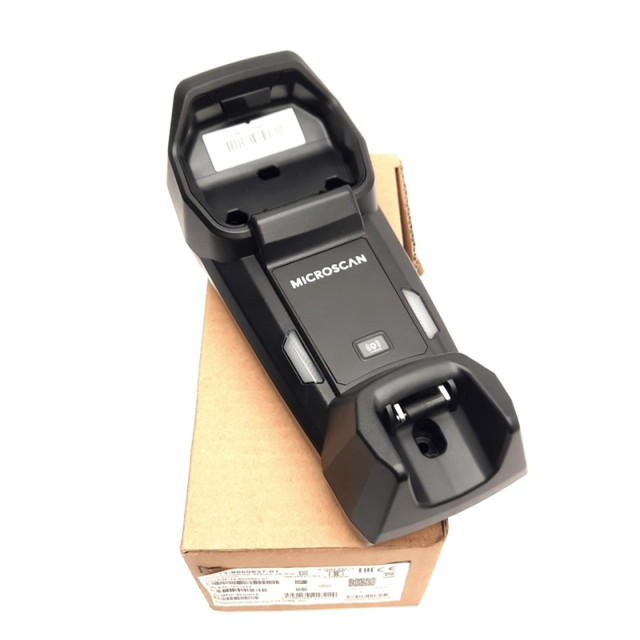
12-9000937-01 Charging Cradle for Handheld Scanning Devices
 Xiamen Miaomiao Sheng Trading Co., Ltd.🇨🇳CN1 yr
12-9000937-01 Charging Cradle for Handheld Scanning Devices
 Xiamen Libanxiang Import And Export Co., Ltd.verified🇨🇳CN1 yr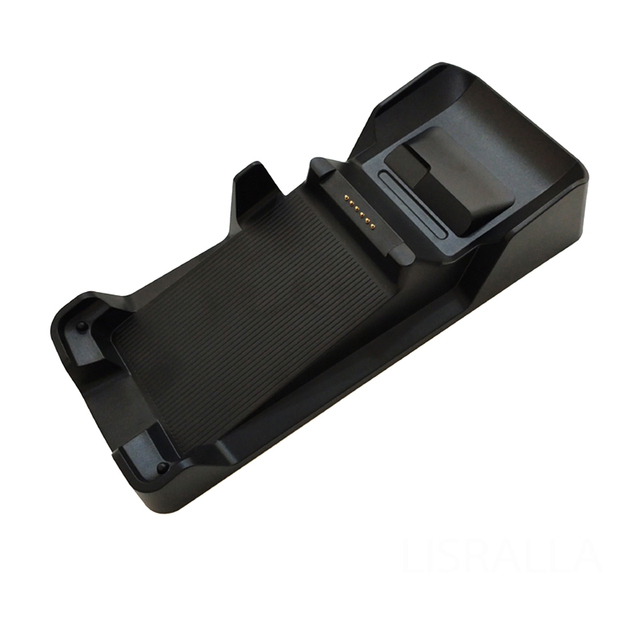
New Original SUNMI Charger Base Android POS Terminal Scanner PDA Sunmi V2s V2s Battery Case Charger POS Base
 Guangzhou Youyo Electronics Technology Co., Ltd.🇨🇳CN8 yrs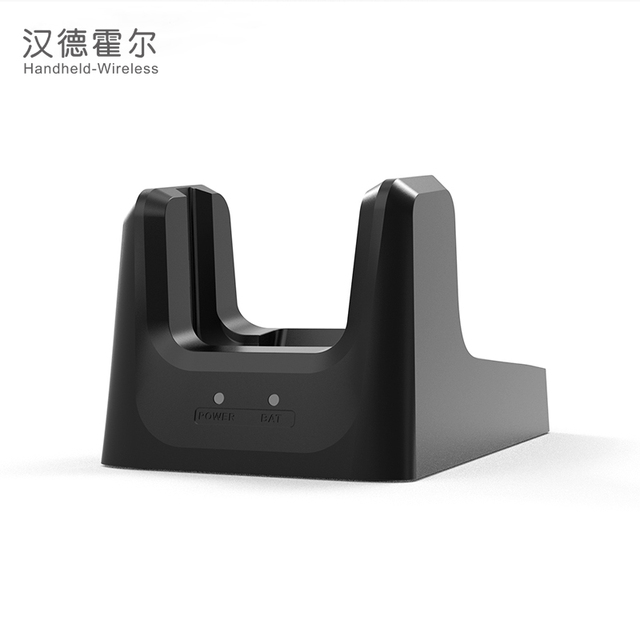
F1 Android PDA Charge Cradle Double Slot Fast Charging 15W Dock with Holder Battery Inventory Scanner Charging Base
 Shenzhen Handheld-Wireless Technology Co., Ltd.verified🇨🇳CN11 yrs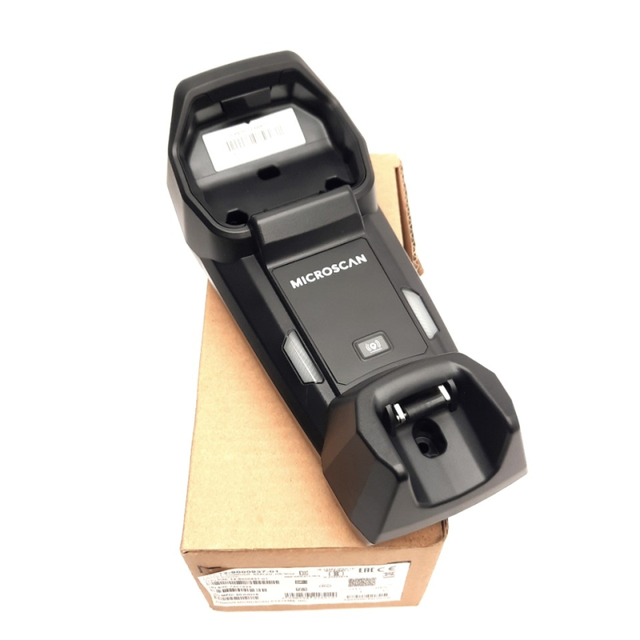
Cradle Charger Scanner Dock for PLC 12900093701
 Xiamen Kongketu Industrial Automation Co., Ltd.🇨🇳CN1 yr
Related Searches
Explore more sourcing topics & related categories
Sources & References
22 sources cited · Verified industry data & reports
What Are Those Hieroglyphics On Your Laptop Charger? | Hackaday
hackaday.com
Under the current system how many of us given an idea for a great new product could even afford to get that product certified? Beurocracy IS holding the progress of human technology back and this is just one example of how. ... This is exactly what I was thinking. First part of the article sounds like a manifesto against the secret a/c adapter conglomerate. ... It is NOT a charger, just a power supply. Many large retailers will require that your device be listed as well, since they don’t want to deal with any potential recalls or lawsuits from bad products. Next to each UL symbol should be a license number. ... This is a good point to mention that many of these marks may be fake — I’ve run into that when sourcing USB power supplies for a product. There’s some sort of balance, then, when investigating a product’s certificates. You want to see relevant certs and make sure they are legitimate, but you can’t check everything you touch. The rest of the symbols are going to be country specific, and there are a lot of countries with strange requirements for testing. Power supplies are one thing, but adding intentional radio emissions, like a WiFi or Bluetooth product, steps it up to a whole new level of testing and certifications that are beyond the scope of this article. If you want to put it on your product (and you can stomach the legal liability) you can. Anyway, like Van Halen’s M&Ms, companies that don’t even bother getting the spacing right are probably not checking the fine points of electrical safety. ... Proof perhaps that jokes are a form of terrorism. ... Yes, it is joke name for the symbols used to fool importers or just put on because it looks like everyone does it. That doesn’t mean it isn’t real.
How to Read Power Adapter Labels: Voltage, Amps & Safety Tips
www.merrykingcn.com
When tossing out old electronics, remember to take those power adapters out of regular trash before heading to the landfill. Hazardous stuff inside them can really mess up our environment. Instead, look for places that specialize in recycling electronic waste properly. The RoHS standards actually stop manufacturers from putting certain dangerous chemicals into products in the first place. And there are other labels too, like the UL Ecologo certification, which basically means the product was made with less harm to the planet throughout its whole life cycle from production all the way to disposal. Mismatched connectors account for 23% of physical adapter-related damage, according to industry studies. Forcing a plug can bend pins or compromise insulation, increasing short-circuit risks. Reverse polarity causes 12% of preventable power supply failures. Always check the polarity symbol and physical dimensions on the power adapter label—never assume compatibility based on appearance alone. Uncertified adapters are responsible for 42% of residential electronics-related fires (ESFI, 2023). Common hazards include overheating due to poor insulation, voltage spikes that damage connected devices, and toxic leakage from non-RoHS components. Certified units undergo over 120 safety tests, including thermal stress and short-circuit simulations, ensuring durability and user protection. Environmental symbols on the power adapter label guide responsible use and disposal: Most power adapters come with labels that list important information about their AC input requirements, usually something like "AC 100-240V 50/60Hz 1.5A". The voltage range shown here is what makes these adapters work almost anywhere around the world. People in North America typically use 120V outlets while Europeans plug into 230V systems, but this wide range covers both scenarios. Then there's that frequency part (50 or 60 Hz), which basically means the adapter works with whatever electrical cycle standard a country happens to use.
Power Supply Symbols Explained: Polarity, DC, Class I, Class II ...
www.accesscomms.com.au
It indicates the equipment chassis is connected to protective earth through the power cord. Equipment with this symbol must be used with a 3-conductor earthed cord and a properly earthed outlet. Never use an adaptor that bypasses the earth pin on a supply marked with the protective earth symbol. RCM stands for Regulatory Compliance Mark. It is the mandatory compliance mark for electrical equipment sold in Australia and New Zealand, confirming the product meets Australian electrical safety, electromagnetic compatibility, and telecommunications standards. These symbols appear on the rating plate to indicate the type of electrical current the supply uses for its input and output. A label showing INPUT: 100-240V~ 50/60Hz and OUTPUT: 12V ⎓ 2A means: the supply accepts global mains voltage (compatible with both Australian 230V and international 110-120V), and delivers 12 volts DC at up to 2 amps. This is the most common label format on modern switch-mode power supplies. The DC (Direct Current) symbol is a solid horizontal line with a dashed line below it. It appears next to the output voltage on the power supply label, confirming the output is DC. The mains input uses a wavy line or tilde (~) to indicate AC. A label showing INPUT: 230V~ and OUTPUT: 12V ⎓ means the supply takes 230V AC from the wall and delivers 12V DC. The double square symbol (a small square inside a larger square) indicates Class II construction, meaning the supply is double insulated. Class II supplies have two independent layers of insulation between the user and live parts and do not require a protective earth connection. This is why most plug-pack power supplies use a 2-pin plug rather than a 3-pin earthed plug.
Common symbols around you - Helpful
helpful.knobs-dials.com
Whether certification marks are strictly required for sale varies(verify), but even when it isn't it may still be common, for a collection of reasons, like some individuals preferring safety-tested versions for certain products, liability in terms of insurance, varied indirect regulation (e.g. electrical code, fire regulation, medical safety) meaning certain businesses/resellers only buy certified devices, or even just self-imposed regulation like you caring more that your house/business is less likely to burn down. Some devices are interesting cases. For example, power supplies are often separate from the devices they power, for practical reasons: e.g. That's also why power supplies have more-than-usual certification marks on them, including ones not required for your area. ... There are also a bunch of fake symbols. Best known among them is chinese producers just stamping on the european CE mark. Often with different, tighter spacing, presumably to to have an argument it's not the same. But note that this tighter spacing is also used in some actual CE products, just for space reasons. three variants of "safe to mount on normally flammable materials" (meaning things like wood and fabric(verify)) ... The top symbol is for DC barrel plugs, specifying whether the inside or outside is positive. The middle line is input, where the squiggly tilde ~ indicates AC, here mentioning an input voltage range and frequency it's okay with (these specs amount to worldwide use). The third line (output)'s solid and dotted line indicates DC. Power supply type: switch-mode, linear, general/unspecified "Independent lighting auxiliary" [1] roughly meaning "lighting power supply not built into the luminaire"
Polarity symbols - Wikipedia
en.wikipedia.org
The adapter typically supplies power to the device through a thin electrical cord which terminates in a coaxial power connector often referred to as a "barrel plug" (so-named because of its cylindrical shape). The polarity of the adapter cord and plug must match the polarity of the device, meaning that the positive contact of the plug must mate with the positive contact in the receptacle, and the negative plug contact must mate with the negative receptacle contact. Since there is no standardization of these plugs, a polarity symbol is typically printed on the case indicating which type of plug is needed. At the ends of the lines leading right and left are found a plus sign (+), meaning positive, also sometimes referred to as "hot", and a minus sign (−), meaning negative, also sometimes referred to as "neutral". The symbol connected to the dot (usually the symbol found to the right) denotes the polarity of the center/tip, whereas the symbol connected to the broken circle denotes the polarity of the barrel/ring. When a device or adapter is described simply as having "positive polarity" or "negative polarity", this denotes the polarity of the center/tip. "Power Supply Units Abbreviations and Symbols". Polarity symbols are a notation for electrical polarity, found on devices that use direct current (DC) power, when this is or may be provided from an alternating current (AC) source via an AC adapter. The adapter typically supplies power to the device through a thin electrical cord which terminates ...
Power adapters logos - Electrical Engineering Stack Exchange
electronics.stackexchange.com
Here is a list of Power Adaptor Compliance Symbols and their meanings. It is universal 100 to 240 Volts 50/60 Hz, so works in the US and overseas in most cases, with a simple outlet adaptor. It provides up to 1.5 Amps at 5v with a center positive barrel jack. The german one is generic (No manufacturer labeling or manufactured for), is 230 Volts 50 Hz, so will not work in the U.S. (or other places with 110/60Hz) without a transformer. It only provides 1 Amp at 5v, no labeling to pinout. FCC approval means that the FCC in the US has tested it and found it produces only a reasonable amount of RF/EMI under very strict conditions, and shouldn't interfere with other electronics around it. The Creative one is capable of "universal input" (100-240VAC) and has North American (UL + ULC) and European (TUV / Geprüfte Sicherheit) marks. The B mark is for Poland (a voluntary mark) and the big S / Safety Mark is for Singapore. The double square means that the device has reinforced insulation. Quality is wildly subjective, and cannot be discerned by the number of safety marks on a device. Safety marks mean a device will fail safely, not that it will perform indefinitely.