Proxy Server Hardware

Overview
Product sourcing insights & recommendations


The proxy server market is undergoing a significant transformation in 2026, shifting from traditional physical appliances toward software-defined and cloud-hybrid models. While hardware-based solutions still account for approximately 45% of total market revenue Wifitalents, the enterprise sector is increasingly moving toward integrated hardware like next-generation firewalls (NGFW) and load balancers that incorporate proxy functionality Paloaltonetworks.
Market Trends & Insights
* Market Scale: The global proxy server market is projected to grow from $4.29 billion in 2023 to $7.59 billion by 2032 (7.5% CAGR) Zionmarketresearch.
* Technological Shift: AI-powered proxy management is emerging as a dominant trend in 2026, allowing for machine-learning-based IP rotation and optimal server selection Linkedin.
* Compliance focus: 78% of EU providers now prioritize GDPR compliance, and 45% of enterprise procurement teams require ethical sourcing certifications for IP infrastructure Wifitalents.
* Performance Benchmarks: High-tier enterprise hardware now targets 99.9% uptime and latencies below 50ms for data center-grade proxy tasks Wifitalents.
Hardware Product Types & Specifications
Enterprise-grade proxy hardware is typically classified by deployment scale and connection capacity:
| Scale | CPU Recommendations | RAM | Key Applications |
|---|---|---|---|
| Small-Scale | Dual-core (i3 / Ryzen 3) | 4 GB | Small offices (up to 50 concurrent connections) Gsocks |
| Mid-Enterprise | Quad-core (i5/i7 / Ryzen 5/7) | 8–16 GB | Corporate branch offices (50–500 connections) Gsocks |
| Large-Enterprise | 8-core+ (Xeon / EPYC) | 32–64 GB+ | Data centers, high-traffic caching (500+ connections) Gsocks |
Physical Product Examples
Modern proxy hardware is often delivered via 1U Rackmount servers or Industrial Fanless PCs optimized for 24/7 reliability.
Hardware Firewall With Proxy Server Functionality
Products · 3 lists

NTP Synchronized Wi-Fi Clock for Offices, with a Silent Sweeping Second Hand
 Shanghai GlobalTime Electronic Co., Limited🇨🇳CN17 yrs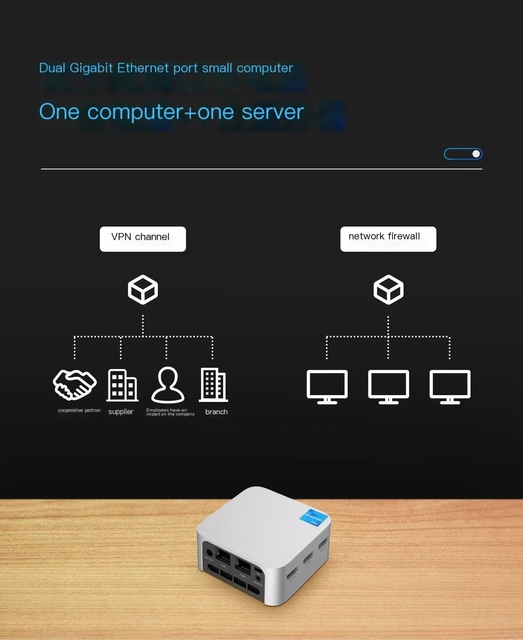
2025 Intel N150 Mini Desktop PC 4 Cores 2LAN 2.5G Office Mini PC Linux Win11 Win10 Soft Router WIFI 512GB SSD DDR4 Multiple
 Guangzhou Zhengfeng Technology Co., Ltd.🇨🇳CN5 yrs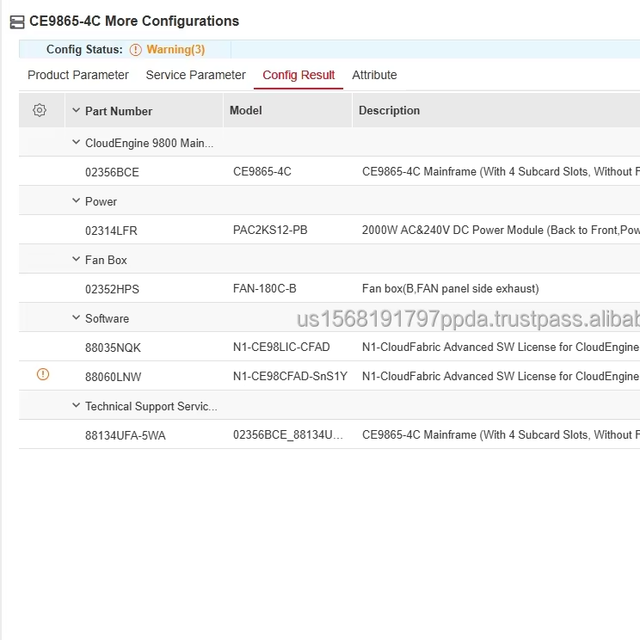
88035NQJ N1-CE98LIC-CFFD N1-CloudFabric Foundation SW License for CloudEngine 9800
 Shenzhen Huatenmax Technology Co., Ltd.🇨🇳CN3 yrs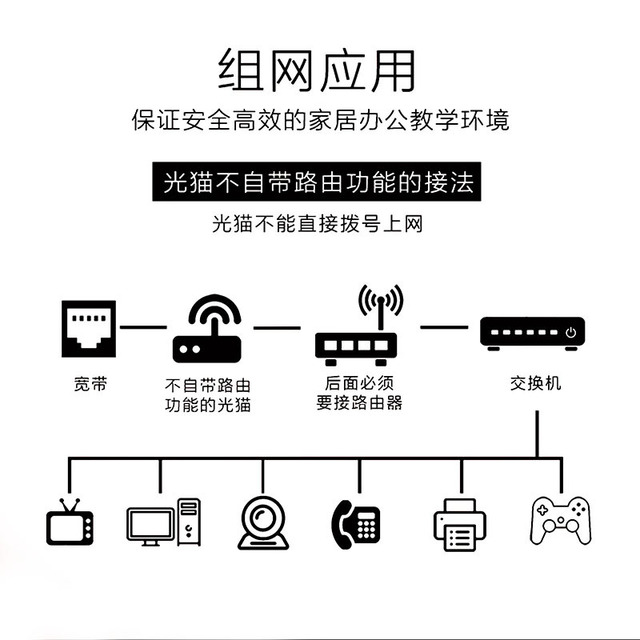
For Huawei CE6820-48S6CQ-B Data Center Core Switch 48-Port 10G Optical + 6-Port 40/100GE Enterprise Switches
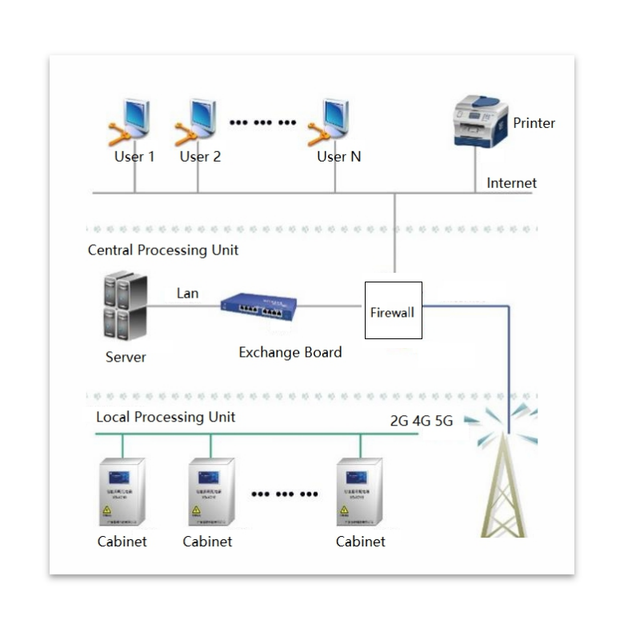
SOWIN Smart LED Street Lights with Remote Control for Smart City Cloud-Based Lighting 120V-277V LoRa/PLC 5-10 Year Warranty
 Guangzhou Cheng Hong E-Tech Co., Ltd.🇨🇳CN13 yrs
Related Searches
Explore more sourcing topics & related categories
Sources & References
24 sources cited · Verified industry data & reports
Proxy Servers Market Analysis: Drivers, Trends & Outlook ...
Knowledge Sourcing Intelligence
The Proxy Servers Market, valued at USD 1.9 billion in 2026, is anticipated to expand at a CAGR of 6.5%, reaching USD 2.6 billion by 2031. Proxy Servers Market.
Proxy Server Software Market Research Report 2034
Dataintelo
The global proxy server software market is projected to reach $11.2 billion by 2034, expanding at a CAGR of 9.8% from 2026 to 2034. Growth will be driven by ...

Mobile Proxy Server Market - Forecast from 2026 to 2031
Research and Markets
The Mobile Proxy Server Market, valued at USD 687.44M in 2025, is projected to reach USD 1040M by 2031, growing at a 7.1% CAGR.

State of the Proxy Industry in 2026
Reddit · r/proxies
1. A “good proxy” isn't enough anymore · 2. Proxies are starting to feel commoditized · 3. Prices are dropping · 4. Everyone wants to move up the ...

Proxyway Releases 2026 Proxy Server Market Report
Yahoo Finance
PROXYNET INC. May 28, 2026 3 min read. The annual research analyzes prevailing market trends and benchmarks 13 major proxy server providers.

Proxy Server Service Market Size | Industry Insights [2035]
Market Growth Reports
The Proxy Server Service Market is estimated to be valued at USD 2.74 million in 2026 and is projected to reach USD 6.44 million by 2035, ...