Psp Food Box

Overview
Product sourcing insights & recommendations

The term PSP food box refers to Polystyrene Paper containers, commonly known as foam or EPS containers. While traditionally favored for their low cost and excellent insulation Greenmax-MachineStrategicpackaginginsights, the market is undergoing a major shift toward sustainable alternatives due to increasing environmental regulations and global bans Directpackinc.
Product Insights & Market Trends
* Material Properties: PSP is a lightweight, extruded foam material that is 100% recyclable in theory but has extremely low actual recycling rates (approx. 1%) due to food contamination and high transport costs Greenmax-MachineIntcorecycling.
* Regulatory Pressure: Numerous regions (including several US states and major cities) have implemented bans on foam containers to reduce microplastic pollution Directpackinc.
* The Sustainability Shift: The market is rapidly moving toward more recyclable or compostable materials:
* PET (Polyethylene Terephthalate): Preferred for clarity and strength Directpackinc.
* PP (Polypropylene): Microwave-safe and widely recyclable Directpackinc.
* Bagasse/Paper: Fully biodegradable and compostable options made from sugarcane pulp or Kraft paper MarketdataforecastMarketresearchfuture.
* Market Growth: While the foam container market shows slow growth (CAGR ~3%), eco-friendly food packaging is projected to reach over $350 billion by 2030 MarketresearchfutureGrandviewresearch.
Current Product Landscape
I have identified three main categories of food containers currently available on the market, ranging from traditional foam to modern sustainable options.
Psp Food Box Foam Container Disposable
Products · 3 lists
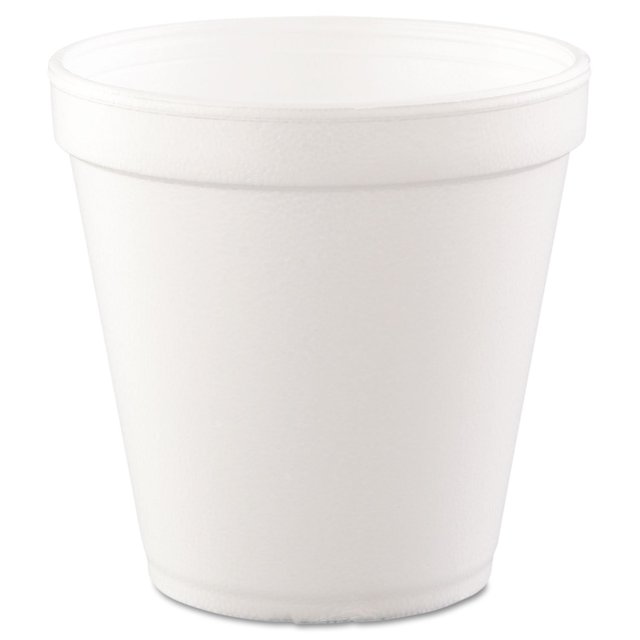
PTPACK 12oz Disposable Foam Container, White Foam Bowl Can Insulate Hot and Cold Food
 Phoenix Tree (Hefei) Industrial Co., Ltd.🇨🇳CN7 yrs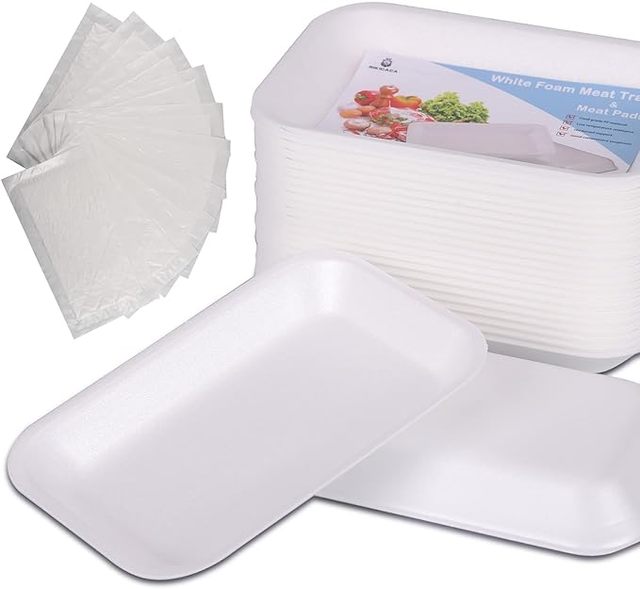
Seafood Supermarket Colorful PS Foam Tray Disposable Meat Packing Tray Foam
 Laizhou Guoliang Packing Products Co., Ltd.verified🇨🇳CN18 yrs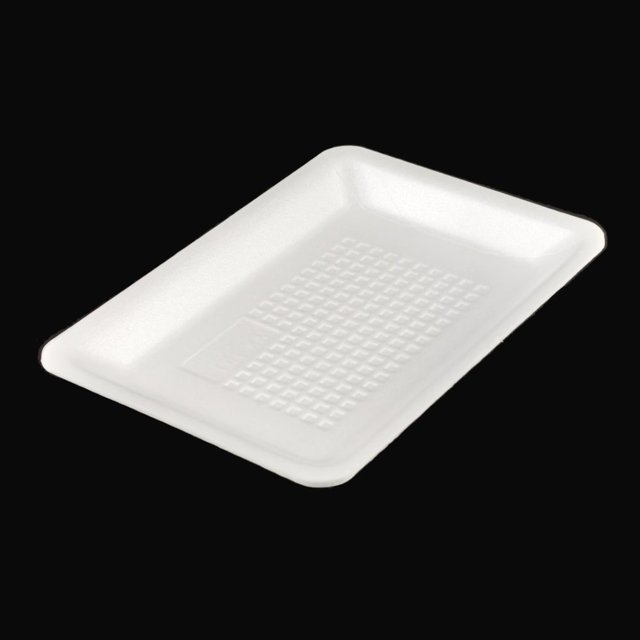
Customizable Disposable Plastic Foam Tray Food Grade PS Material Supermarket Frozen Meat Party Plate Fruit Blister Processed
 Zhangzhou Subang Plastic Products Co., Ltd.verified🇨🇳CN2 yrs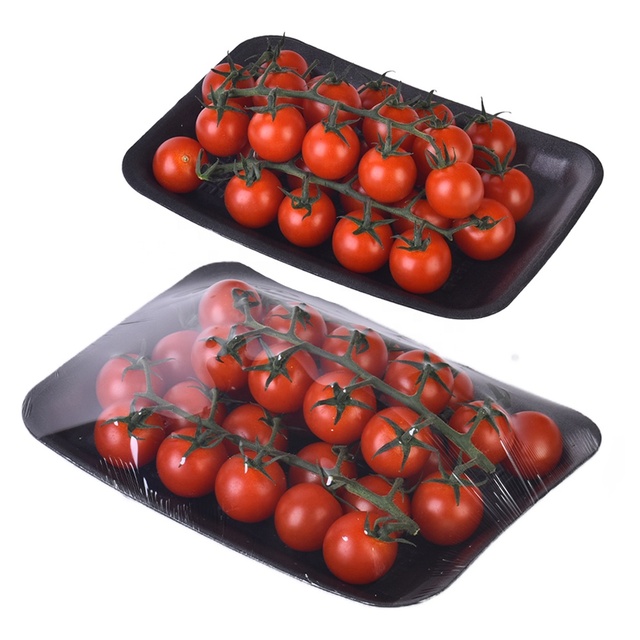
Black PET Foam Food Plastic Packing Container Supermarket Meat Fruit Vegetable Packaging Pet Foam Tray
 Anhui Lesui New Material Co., Ltd.verified🇨🇳CN2 yrs
Corn Starch Disposable Food Container Biodegradable Fast Food Packaging Ecofriendly PLA Foam Packaging
 Ximan Industrial(Shenzhen) Co., Ltd.🇨🇳CN10 yrs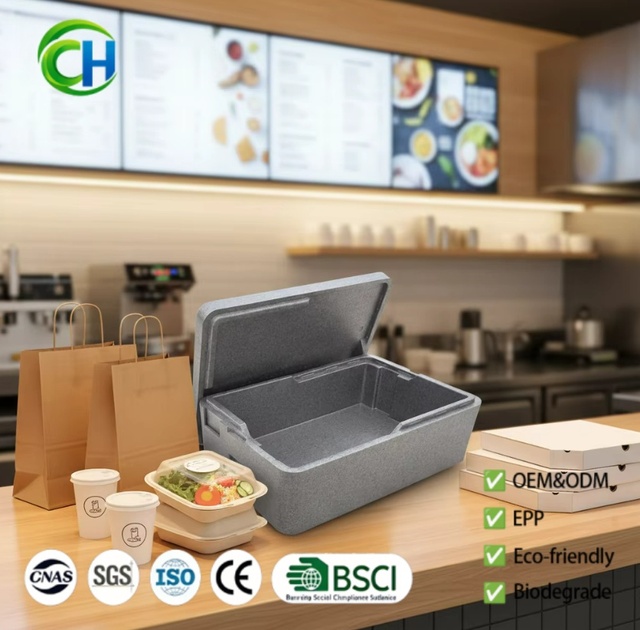
Circfoam OEM/ODM 45L EPP Foam Incubated Box Protective Heat Preservation Food Delivery Container EPP Foam Packaging Box
 Shantou City Chaohang Plastic Co., Ltd.🇨🇳CN2 yrs
Related Searches
Explore more sourcing topics & related categories
Sources & References
26 sources cited · Verified industry data & reports
How to dispose of PSP materials like the foam food ...
Intcorecycling.com
PSP is the abbreviation of polystyrene paper; The most typical representative of this material is the foam food container and coffee cup. Most PSP materials ...
PSP Recycling Compactor | Greenmax
GREENMAX recycling machine
PSP is known as Polystyrene Paper, material from PSP food tray, polystyrene coffee cups, bow, and food box. PSP material has wide use in food packaging or ...

Food Packaging & Other Substances that Come in Contact ...
U.S. Food and Drug Administration (.gov)
A food contact substance includes food packaging and its components, processing equipment, food preparation surfaces, or cookware.

Types of Plastic Food Packaging and Safety: A Close-Up ...
Chemical Safety Facts
How is it used? In food packaging, PS is commonly used to make plastic cups, deli and bakery trays, fast food containers and lids, hot cups and egg cartons.

Safe Use of Plastic Food Packaging - Singapore Food Agency
sfa.gov.sg
Plastics are used in the manufacture of a wide range of food packaging and containers. Food packaging keeps food safe from contamination and from damage ...

Toxic Chemicals in Food Packaging: PFAS, Phthalates ...
Toxic-Free Future
Harmful chemicals like PFAS, phthalates, and bisphenols can leach from packaging into our food—polluting our bodies with hormone disruptors