Ram Nand

Overview
Product sourcing insights & recommendations
The term 'ram nand' refers to the two primary types of semiconductor memory: RAM (Random Access Memory, specifically DRAM) and NAND Flash (storage memory). The market for both is currently entering a "super-cycle" defined by severe undersupply and significant price volatility through 2026. AichiplinkNeumonda
Market Trends & Insights (2025–2026)
* Structural Undersupply: A massive pivot towards AI servers is cannibalizing production capacity. Manufacturers are reallocating wafers to HBM (High-Bandwidth Memory), which requires three times the capacity of standard RAM, leading to shortages in consumer DDR4/DDR5 and standard NAND. BacloudIdc
* Pricing Forecasts:
* DRAM: Prices for DDR5 are projected to jump 30–50% per quarter through H1 2026, with 16GB modules expected to reach around $30 by mid-year. Bacloud
* NAND: Revenues reached a record $46 billion in Q1 2026, driven by an enterprise SSD crunch. CounterpointresearchCounterpointresearch
* Legacy Scarcity: Major manufacturers like Samsung are exiting MLC NAND and DDR4 production to focus on higher-margin AI components, causing supply for older tech to drop by over 40% in 2026. Neumonda
Product Overview
* RAM (DRAM): High-speed, volatile memory (e.g., DDR4, DDR5, HBM) used for real-time processing. Embedic
* NAND Flash: Non-volatile storage (e.g., SLC, MLC, TLC, QLC) used in SSDs and USB drives to retain data without power. LenovoIntegralmemory
Current B2B availability includes professional-grade DRAM modules for AI servers and specialized NAND flash chips for embedded storage or device repair. I have compiled comprehensive lists of these products, including technical rationales and pricing data, in the files below.
Here are the market trends and sourcing options for RAM and NAND. You can continue with:
Nand Flash Memory Chip Ssd Storage
Products · 2 lists
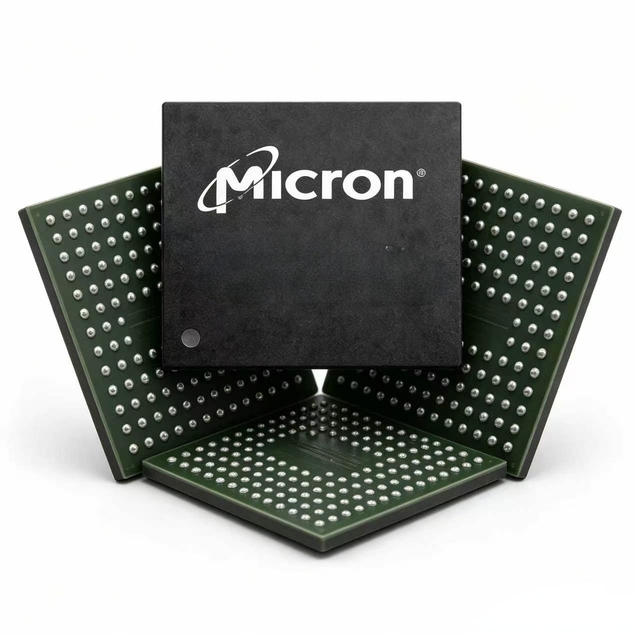
256Gb SLC NAND Flash MT29F256G08CFAAAWP-IT:E 8mbit Smd Original Memory Chip in Stock BOM Service Customize

SSD Chip for Macbook Air Pro Repair Nand Flash Memory IC HDD Chip 128G 256G 500G 1TB 2TB 4TB 8TB Ssd
 Shenzhen Hyperion Lighting Co., Ltd.🇨🇳CN8 yrs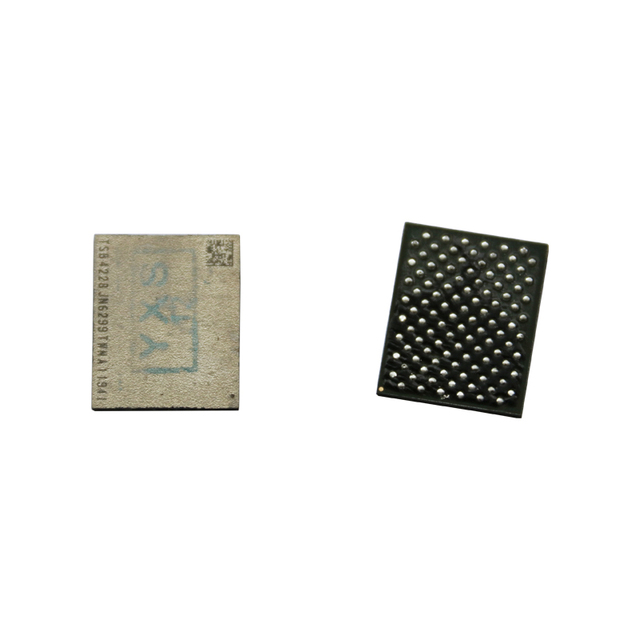
Tested SSD Chip For Macbook Air Pro Nand Flash Memory Chip a1932 a2442 a2485 a2337 a2338 a1990 a2141 128G 256G 500G 1TB 2TB
 Shenzhen Dingshengtian Electronic Technology Co., Ltd.🇨🇳CN8 yrs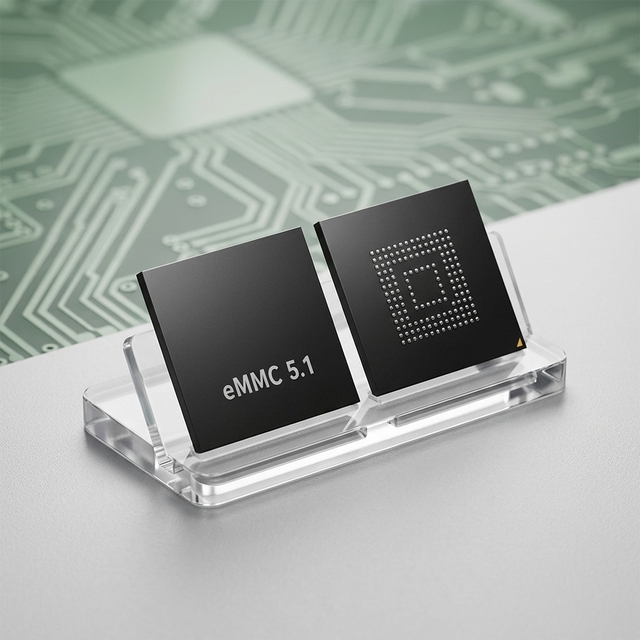
32GB 64GB EMMC 5.1 Industrial Control IC Nand Flash SSD BGA153 Emmc 128Gb Nand Flash Memory IC Chips
 Shenzhen Black Power Technology Co., Ltd.🇨🇳CN1 yr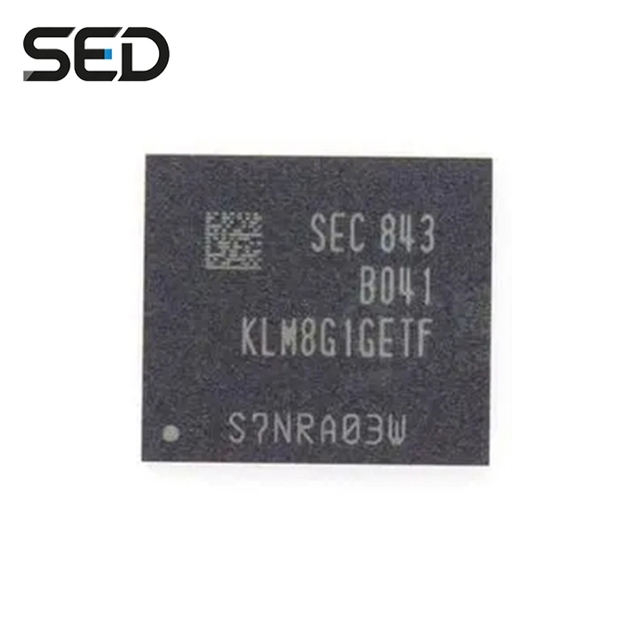
STORAGE CHIP KLM8G1GETF-B041 EMMC 5.1 Flash Memory IC 8GB 153-FBGA High Speed Nand New and Original
 Shenzhen Saierda Electronics Co., Ltd.🇨🇳CN1 yr
W25N02KVZEIR 2Gb SLC QSPI NAND Flash Memory 104MHz Industrial Grade WSON-8 Non-Volatile Storage IC
 Huacheng Vision Limited🇭🇰HK1 yr
New H9CKNNNDATMUPR-NUH UFS 2.1 64GB High Speed Flash Storage IC Nand Flash Memory Chip New and Original
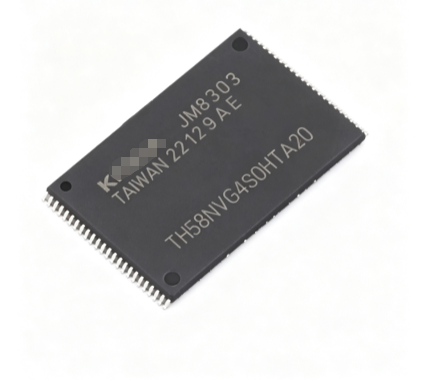
New Original TH58NVG4S0HTA20 NAND Flash Memory Storage Chip Electronic Component for PCB
 Shenzhen Junhao Yunxin Technology Co., Ltd.🇨🇳CN1 yr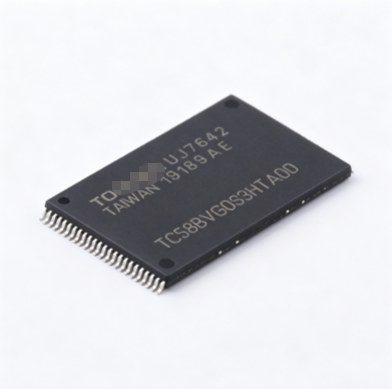
New Original TC58BVG0S3HTA00 NAND Flash Memory Storage Chip Electronic Component for PCB
 Seven Chips Electronics (shenzhen) Co., Ltd.🇨🇳CN1 yr
New H9CKNNNDATMUPR-NUH UFS 2.1 64GB High Speed Flash Storage IC Nand Flash Memory Chip
 Shenzhen Tuodingrui Trading Co., Ltd.🇨🇳CN1 yr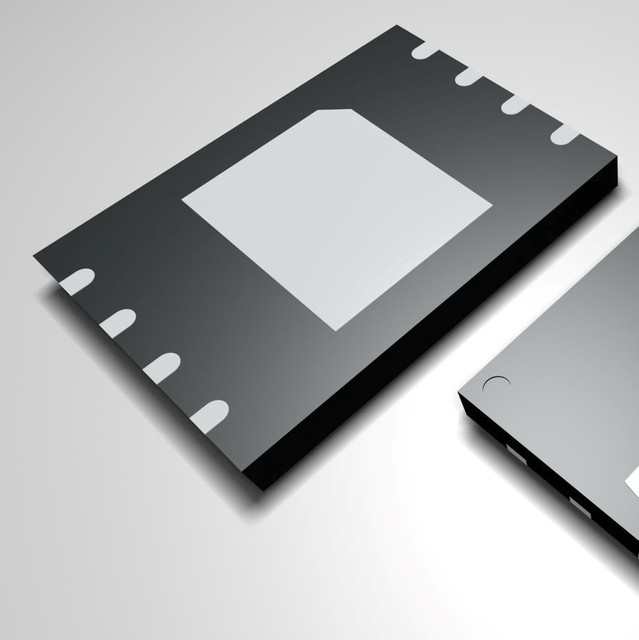
GD5F1GM7UEYIGR 1Gb SPI NAND Flash IC 133MHz X1/x2/x4/DTR ECC WSON8 Industrial IoT Drones Storage Chip
 Shenzhen Hopestar Sci-Tech Co., Ltd.verified🇨🇳CN19 yrs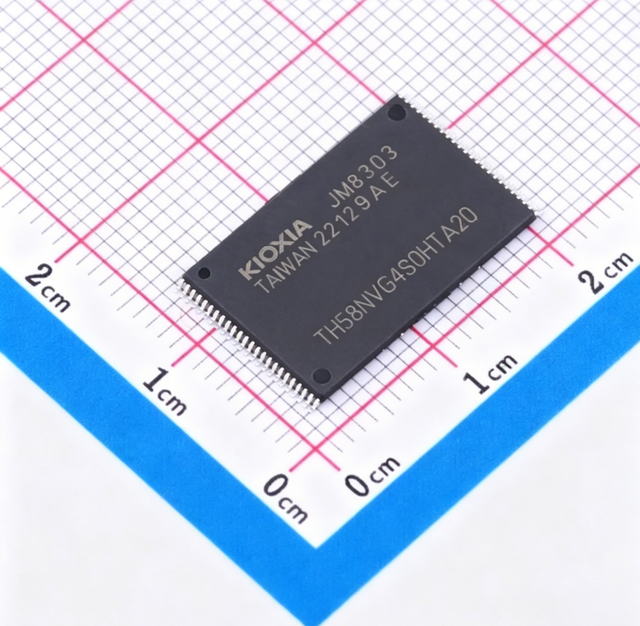
TH58NVG4S0HTA20 16Gbit CMOS NAND Flash Memory TFSOP-48 (18.4mm) Package (Tray)
 Shenzhen Beswho Electronic Technology Co., Ltd.verified🇨🇳CN8 yrs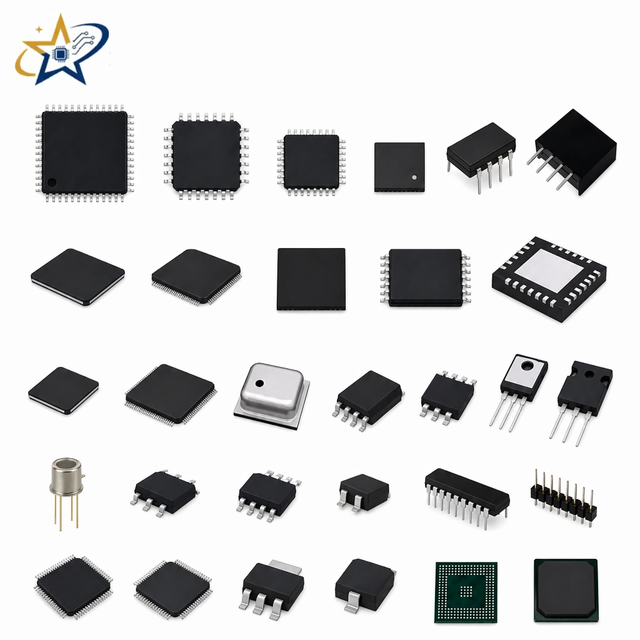
FP112A3PF-JDTJ-F Original Electronic Component Suppliers NAND Flash IC 128Gb High Speed Commercial Temperature SLC Storage Chip
 Shenzhen Nine Lucky Star Electronic Technology Co., Ltd.🇨🇳CN1 yr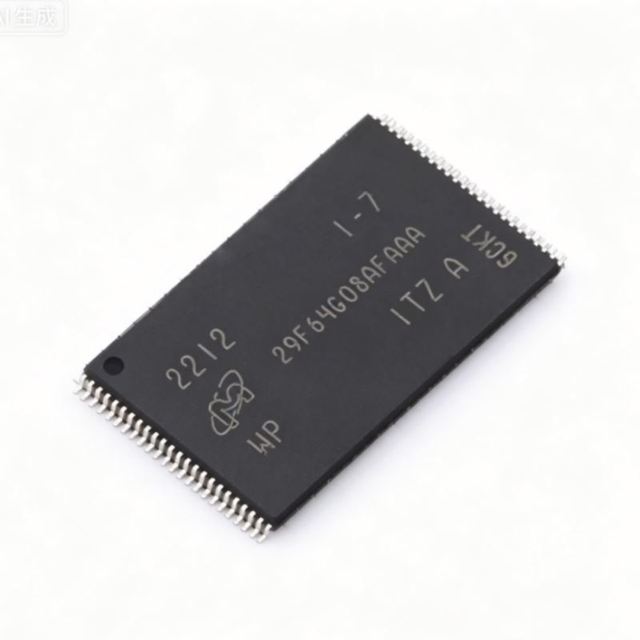
Brand New Original MT29F64G08AFAAAWP-ITZ:A NAND FLASH TFSOP-48 64Gbit Storage Chip
 Shenzhen Chipsrsun Technology Co., Ltd.🇨🇳CN1 yr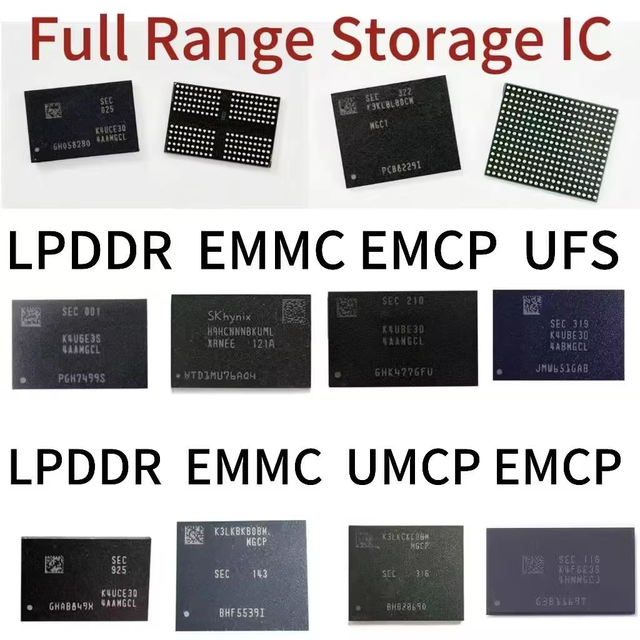
KLMAG2GEND-B031 153FBGA 16GB EMMC SDRAM Memory Chip IC Integrated Circuits Electronic Components
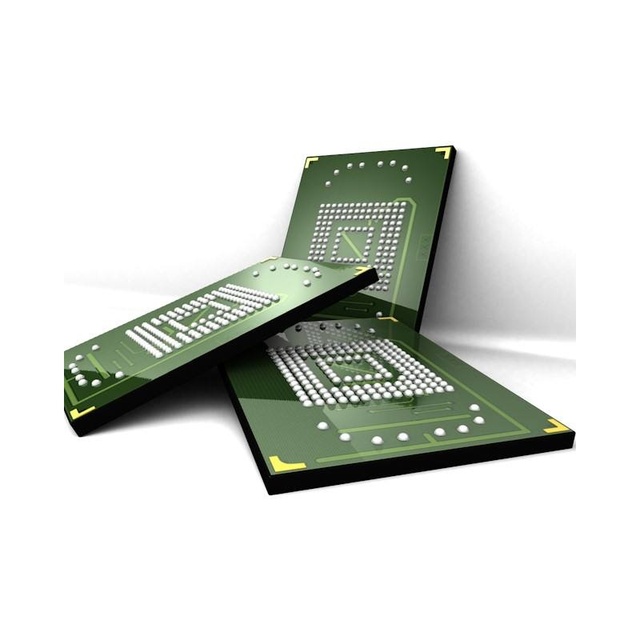
Original authentic serial nand flash memory chip Multplane SLC High-Density Data Storage Chip
 Shenzhen Nanfeng Quancheng Electronics Co., Ltd.🇨🇳CN4 yrs
Original GD5F1GQ5UEYIGR WSON-8 1Gb SLC NAND Flash Memory Chip
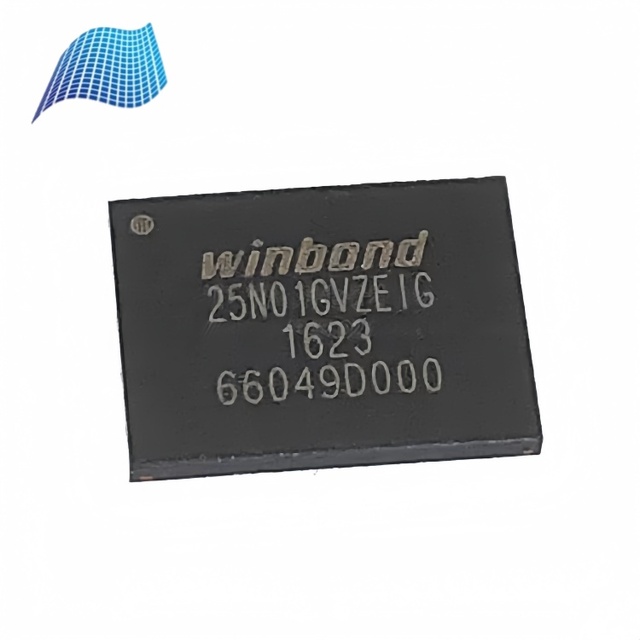
W25N01GVZEIG 1Gb SPI NAND Flash Memory Chip 3.3V 8-SOP 104MHz with ECC for Data Logging & IoT Storage
 One Stop Electronics (Shenzhen) Co., Ltd.🇨🇳CN1 yr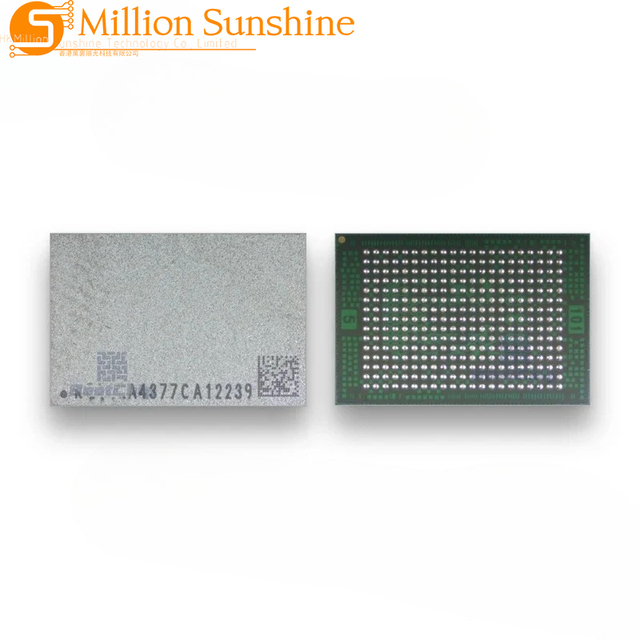
128G/256G 512GB 1TB 1T HDD Storage NAND Memory Flash chip For iPhone 14/15/16 PRO MAX 14pro max mini 256GB 128GB 512GB
 Shenzhen Million Sunshine Technology Co., Limited🇨🇳CN12 yrs
JQW MT29F2G08ABAEAWP-IT: E (TSOP-48) 2Gb NAND Flash Chip FLASH Storage 256Mb Brand New Original IC Real Price
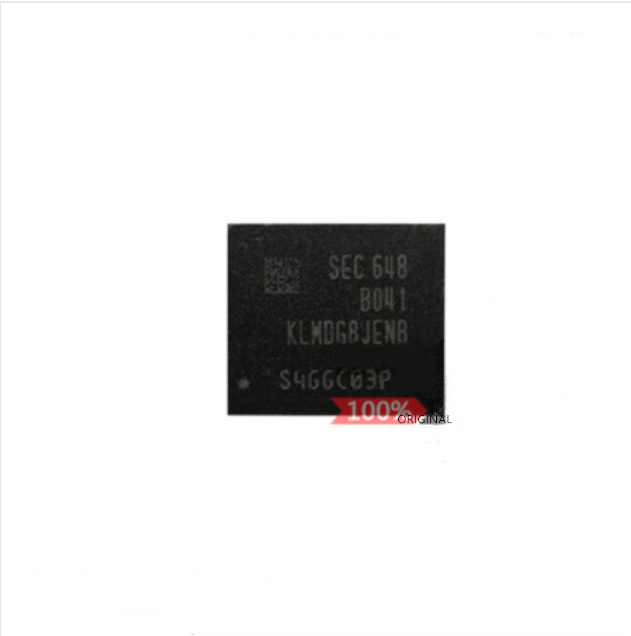
Nand Flash Memory Chip 32 64gb 128gb EMMC KLMDG8JENB-B041
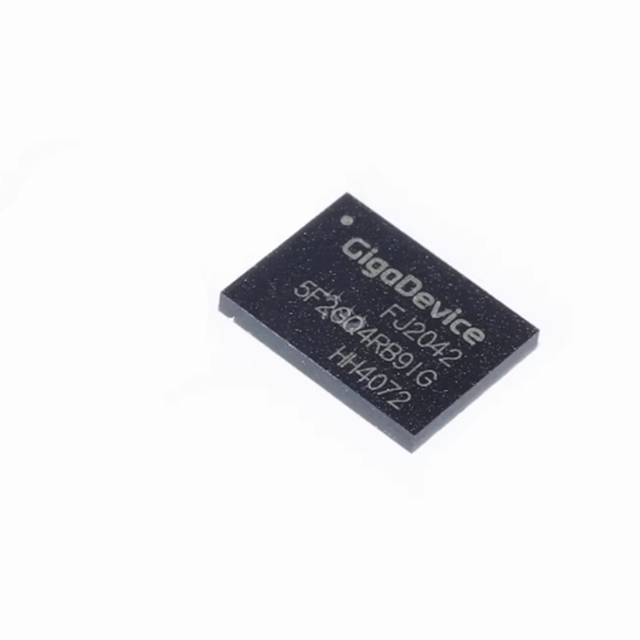
GD5F2GQ4RB9IG 5F2GQ4RB9IG 2Gbits Package LGA8 * 6 NAND 1.8V Flash Memory Chip Storage IC Chip GD5F2GQ4RB9IG 5F2GQ4RB9IG
 Shenzhen Liyang Technology Co., Ltd.🇨🇳CN1 yr
wholesale Flash Memory IC Chip 64GB 128gb 256G For iPhone 8 Plus X 256gb nand HDD hard disk with high quality
 Shenzhen Gihe Electronics Co., Ltd.🇨🇳CN5 yrs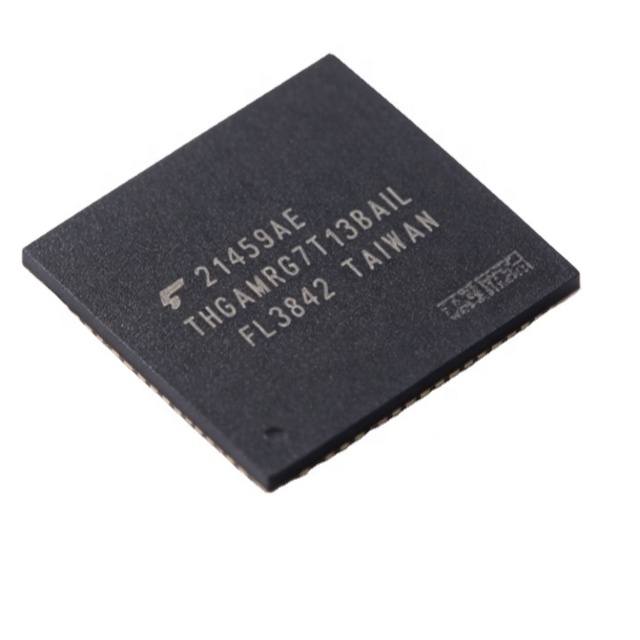
Original THGAMRG7T13BAIL FBGA-153 16GB EMMC 5.1 Flash Memory IC 11.5*13mm Embedded NAND Storage Chip
 Shenzhen Hyst Technology Co., Ltd.🇨🇳CN18 yrs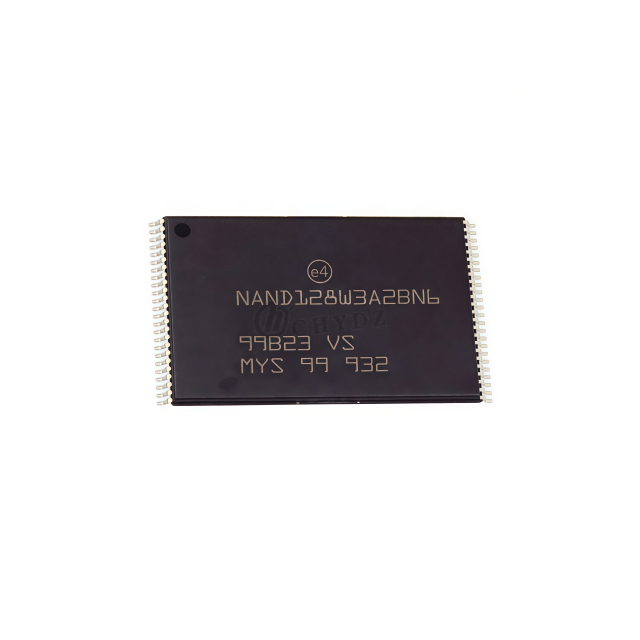
NAND256W3A2BN6 256Mb NAND Flash IC 8-SON High-Speed Non-Volatile Memory Chip Industrial Grade NAND256W3A2BN6E A139
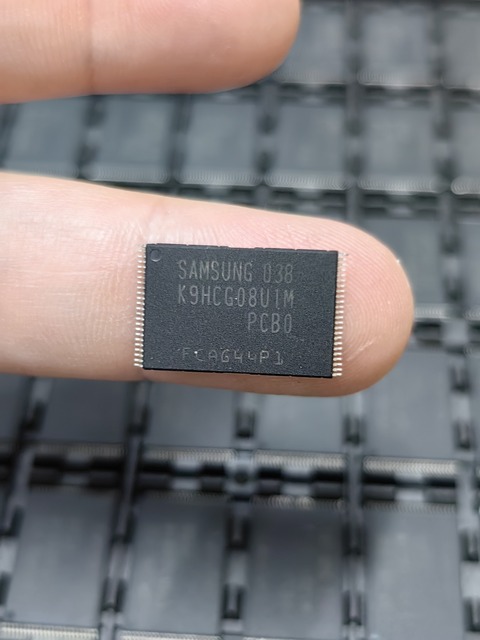
Samsung K9HCG08U1M-PCBO TSOP48 NAND Flash Memory IC Chip for Embedded Storage & USB Drives-New in Stock Electronic Components
 Shenzhen Yiluda Technology Co., Ltd.🇨🇳CN1 yr
Samsung K9HCG08U1M-PCBO TSOP48 NAND Flash Memory IC Chip for Embedded Storage & USB Drives-New in Stock Electronic Components
Deep Dive · Full Report
Full Market Report
1 document · Live-fetched from source
Related Searches
Explore more sourcing topics & related categories
Sources & References
26 sources cited · Verified industry data & reports
What is DRAM and NAND? - AIChipLink
aichiplink.com
NAND memory lasts for years with normal use. Heavy writing and erasing can wear it out faster. Most users never reach the limit in daily life. Written by Jack Elliott from AIChipLink. AIChipLink, one of the fastest-growing global independent electronic components distributors in the world, offers millions of products from thousands of manufacturers, and many of our in-stock parts is available to ship same day. DRAM means Dynamic Random Access Memory. It holds data that computers need fast. NAND is a kind of flash memory. It saves information even when power is off. DRAM and NAND are important in phones and laptops. They are also used in data centers. People need memory for quick processing. NAND is a kind of storage that keeps data safe when power is off. DRAM loses data if you unplug it, but NAND does not. This makes NAND good for saving things for a long time. NAND flash memory uses floating-gate transistors. These special parts trap electric charges to hold bits of data. NAND memory uses floating gate and control gate transistors to store data. To write data, the chip uses high voltage to move electrons into the floating gate. To erase data, it takes the electrons out. If electrons are there, the bit is a 1. If not, it is a 0.
Flash memory - Wikipedia
en.wikipedia.org
The NAND type is found mainly in memory cards, USB flash drives, solid-state drives (those produced since 2009), feature phones, smartphones, and similar products, for general storage and transfer of data. NAND or NOR flash memory is also often used to store configuration data in digital products, a task previously made possible by EEPROM or battery-powered static RAM. NAND flash, on the other hand, shines in scenarios demanding cost-effective, high-capacity storage with sequential data access. Flash memory is used in computers, PDAs, digital audio players, digital cameras, mobile phones, synthesizers, video games, scientific instrumentation, industrial robotics, and medical electronics. Flash memory has a fast read access time but is not as fast as static RAM or ROM. For NAND memory, reading and programming are page-wise, and unlocking and erasing are block-wise. Reading from NOR flash is similar to reading from random-access memory, provided the address and data bus are mapped correctly. Because of this, most microprocessors can use NOR flash memory as execute in place (XIP) memory, meaning that programs stored in NOR flash can be executed directly from the NOR flash without needing to be copied into RAM first. When a logical block is accessed by high-level software, it is mapped to a physical block by the device driver or controller. A number of blocks on the flash chip may be set aside for storing mapping tables to deal with bad blocks, or the system may simply check each block at power-up to create a bad block map in RAM. The overall memory capacity gradually shrinks as more blocks are marked as bad. NAND relies on ECC to compensate for bits that may spontaneously fail during normal device operation. When executing software from NAND memories, virtual memory strategies are often used: memory contents must first be paged or copied into memory-mapped RAM and executed there (leading to the common combination of NAND + RAM). A memory management unit (MMU) in the system is helpful, but this can also be accomplished with overlays.
The different between RAM, ROM, SRAM, DRAM, EEPROM, NAND, NOR
www.wonderfulpcb.com
ROM, or read-only memory, keeps important instructions stored forever. SRAM (static random access memory) and DRAM (dynamic random access memory) are types of RAM. SRAM is faster but costs more. EEPROM, NAND, and NOR are non-volatile memory, meaning they keep data even when power is off. DRAM is common in computers because it is fast and affordable. NAND is great for storing lots of data, like in SSDs. Reports show new trends like 3D DRAM and memory use in cars. These technologies are changing how computers work today. RAM is fast and used for temporary tasks. NAND flash memory is great for storing large amounts of data at a low cost, while NOR flash is better for fast data access. RAM stands for random access memory. It is a kind of memory that stores data for a short time. Your computer uses RAM to quickly get the information it needs to work. SRAM is the fastest because it doesn’t need refreshing. This makes it great for tasks like processor caching, where speed matters most. DRAM is slower than SRAM but still fast enough for general computing. Flash memory, like NAND and NOR, is slower than RAM but reads data quickly.
What Is NAND Flash Memory? | SSD Storage Technology Explained | ...
www.lenovo.com
NAND Flash Memory is a type of non-volatile storage technology that allows you to retain data without needing a constant power source. It is widely used in various devices such as USB drives, SSDs, and memory cards. You can think of NAND Flash Memory as a modern alternative to traditional storage solutions, enabling faster access to files and improved durability. NAND Flash Memory operates by using a grid of cells that store data in a series of transistors. When you save information, it gets encoded into electrical charges that remain in the memory cells, even when power is lost. NAND Flash Memory offers several key advantages over traditional hard drives. You will find that it is faster in terms of data access and transfer speeds, allowing you to boot up your device quicker and load applications faster. Additionally, NAND Flash Memory is more compact, generating less heat and being more resistant to physical shocks. There are primarily three types of NAND Flash Memory: SLC (Single-Level Cell), MLC (Multi-Level Cell), and TLC (Triple-Level Cell). Each type varies in the amount of data stored per cell. SLC is the fastest and most durable, ideal for enterprise applications where performance is critical.
What Is NAND Flash Memory/ NAND Versus NOR
nexusindustrialmemory.com
In general, NAND tends to be used for data storage, particularly in low-cost consumer goods (but there are many other applications – again, see our What is NAND Memory Used For? guide). NOR on the other hand tends to be used for program/code storage and execution. However, as the above table illustrates, there are more factors than just capacity, cost and speed to consider when selecting a memory type. For example, if the memory is to be incorporated into a battery-power product, the power consumed during start-up, write, erase and read (and while on standby) must be factored in; and all of those will be driven by the product’s features and anticipated levels of use. When fabricating NAND cells on a silicon wafer there two ways of laying them out, in a plane (2D) or stacked (3D). ... There’s no real ‘2D versus 3D’ argument, as the latter technology is an obvious choice when designing memory into a product. Also, if the 2D NAND memory in a product is nearing the end of its life, upgrading to 3D NAND is a practical solution – noting that the 2D NAND need not be wasted, it can still be used as an SSD for long-term storage (read only backups). The term comes from the logic expression Not AND, whereas NOR is Not OR. Both functions can be created in electronic circuitry using transistors (acting like switches) in either a series configuration for NAND or in parallel for NOR.
What is NAND Flash Memory? | Integral Memory
www.integralmemory.com
Endeavouring to minimise cost per bit while maximising chip capacity, NAND flash memory has quickly become the go-to storage solution for devices such as MP3 players, digital cameras, SSDs and USB flash drives, excelling in scenarios where large files are frequently saved and erased. NAND flash is created from a circuit grid of individual cells. At the intersection of each cell with another, there are two transistors (the floating gate and the control gate) separated by a thin layer of metal-oxide semiconductor material. The process of charging and erasing data within the NAND flash memory cells, while integral to its functioning, introduces an issue known as “memory wear-out.” This captures the inherent limitation of NAND flash technology – a finite lifespan marked by the wear and tear endured by individual flash cells during their operational life. Advanced error correction techniques, wear levelling algorithms and sophisticated management of program and erase cycles are implemented to enhance the overall longevity and reliability of NAND flash devices.