Razer Laser Mouse

Overview
Product sourcing insights & recommendations


The phrase "Razer laser mouse" represents a significant historical chapter in gaming peripherals that has now transitioned into a new era of optical-sensor dominance. While Razer initially championed laser technology for its surface versatility, the market has pivoted toward advanced optical sensors that offer superior precision and zero jitter RawmshopWindowscentral.
1. Product Evolution & Legacy
Razer was a pioneer in using laser sensors in its premium lines (e.g., the early Lachesis and Lancehead). However, the technological trajectory has shifted:
* The Transition: Modern Razer mice have completely phased out laser sensors in favor of Optical Sensors Razer. This change was driven by the competitive gaming need for "1:1 tracking," which laser sensors struggled to provide due to inherent microscopic "noise" picking up surface inconsistencies BudgetloadoutRawmshop.
* Current Flagship Tech: The latest Focus Pro 35K Optical Sensor now matches the old "laser" benefit of glass-tracking while delivering vastly higher performance: up to 35,000 DPI, 99.8% resolution accuracy, and Motion Sync technology Rtings.
2. Market Trends & Consumer Insights
The gaming mouse market is currently shaped by several high-momentum trends:
* Ultra-Lightweight Engineering: Consumer preference has moved from "feature-heavy" to "performance-light." Current bestsellers like the Viper V4 Pro weigh as little as 49g, prioritizing speed and reduced fatigue for FPS gaming Rtings.
* Hyper-Polling Rates: The industry is moving beyond the standard 1,000Hz. New standards reach 8,000Hz polling rates, reducing input lag to near-zero, a critical driver for the pro-esports segment Youtube.
* Declining Interest in "Laser": Google Trends data indicates a significant drop in interest for laser-specific mice, with "optical" now being the synonymous term for high-end gaming accuracy .
3. Sourcing & Business Implications
For buyers and retailers, the "Laser Mouse" category is now largely a budget or office-focused niche, while the high-margin "Gaming" sector is 100% optical:
* Market Opportunity: The global gaming mouse market is projected to reach $3.24 billion by 2026, with a CAGR of 7.5% MordorintelligenceThebusinessresearchcompany.
* Alternatives: While Razer dominates the premium space, high-precision alternatives using PAW3950 sensors (which also support glass tracking) are becoming available at wholesale prices ranging from $40–$60 for mid-range 8KHz models AlibabaAlibabaAlibaba.
Based on the market shift towards optical sensors, would you like to:
Gaming Mouse With Glass Tracking Capability
Products · 2 lists
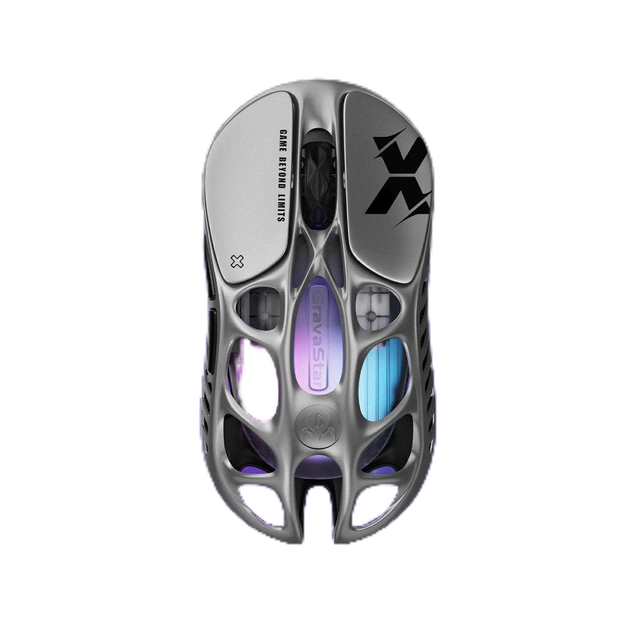
GravaStar Mercury X 8KHz Wireless Gaming Mouse 32000DPI Three Mode PAW3950 Sensor Ultra-Lightweight Customizable RGB Lighting
 Zhengzhou Digital Melody Electronic Technology Co., Ltd.verified🇨🇳CN2 yrs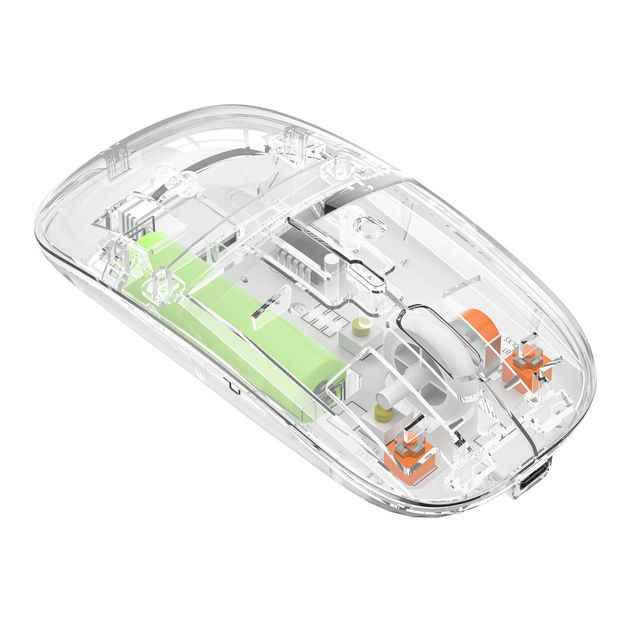
Transparent Wireless Mouse Rechargeable Silent Flat Laptop Office Home 2.4G Wireless Gaming Mouse
 Ningbo Brilliantcare Imp &exp Co., Ltd.🇨🇳CN6 yrs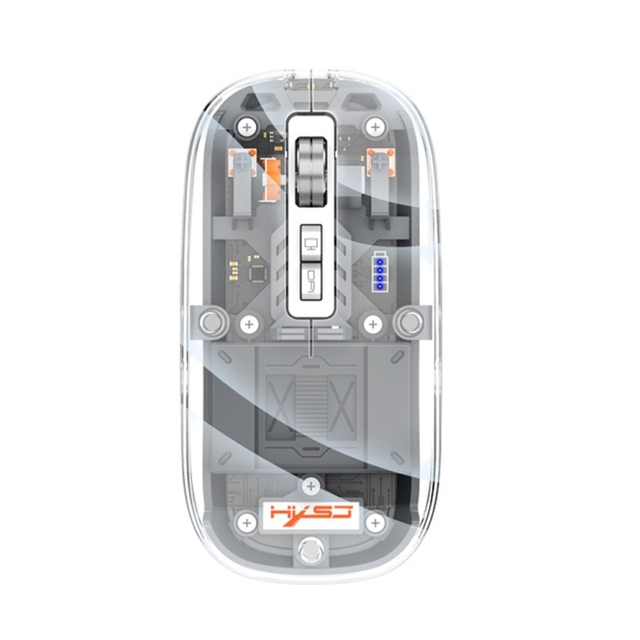
Stock Available HXSJ T900 2400DPI Transparent Magnet Three-mode Wireless Gaming Mouse Support Connect Three Computers Mouse
 Shenzhen Wanketong Technology Co., Ltd.🇨🇳CN6 yrs
Havit MS970WB Transparent Type C 2.4G BT5.0 Wired Wireless Gaming Mouse
 Guangzhou Havit Technology Co., Ltd.verified🇨🇳CN18 yrs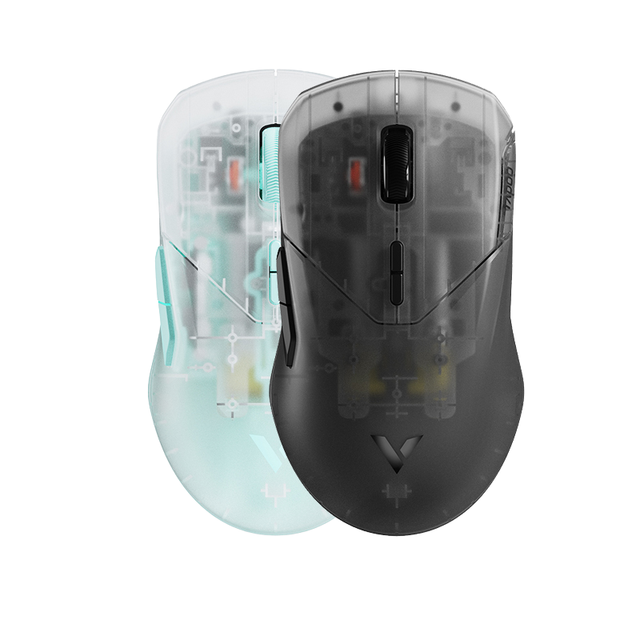
Lightweight 26000DPI Transparent Gaming Mouse Dual-Mode Wireless & Wired for Esports Professional Gamers
 Shenzhenshi Gybb Technology Co., Ltd.🇨🇳CN6 yrs
Related Searches
Explore more sourcing topics & related categories
Sources & References
26 sources cited · Verified industry data & reports
About Razer - Company History and Identity
Razer
Razer™ is the world's leading lifestyle brand for gamers. Discover more about our history, accolades, leaders, sustainability, and careers.
Razer Inc.
Wikipedia
The Razer DeathAdder gaming mouse introduced in 2006 is the company's most popular mouse line by sales, having sold over 20 million units worldwide by ...

Product archive : r/razer
Reddit · r/razer
Hiyo. I knew there used to be a wikipedia page on all the razer products released, such as every type of mouse and keyboard.
Gaming Mice - Wired and Wireless Gaming Mouse
Razer
Explore our high-performance gaming mice - wired or wireless mouse, FPS, MMO or MOBA gaming mouse, left-handed mouse, and more.
Razer's 20th Anniversary: A Legacy of Firsts in Gaming
Razer
The Razer Boomslang, the first-ever gaming mouse, was launched by Karna LLC, a precursor to Razer, with input from Min-Liang Tan and Robert "RazerGuy" Krakoff.

The 5 Best Razer Mice of 2026: Mouse Reviews
RTINGS.com
The Razer Viper V4 Pro is the best Razer mouse for FPS gaming. It's the successor to the Razer Viper V3 Pro, improving on it in several ...