Receptor Digital

Overview
Product sourcing insights & recommendations
The term "receptor digital" (digital receiver) refers to a high-growth category of consumer electronics, particularly dominant in Latin American markets like Brazil, where it serves as the primary gateway for digital terrestrial TV (ISDB-T), satellite TV, and streaming media. The market is currently undergoing a massive transformation driven by the transition to TV 3.0 (DTV+) set for 2026.
Product Definition & Key Types
The "receptor digital" market is categorized into three main segments based on signal source:
* Digital Terrestrial (ISDB-T): Essential for users with older TVs to receive free-to-air signals. In Brazil, these are widely used in urban areas DentalcareTechinbrazil.
* Satellite (DVB-S2 / Banda Ku): Currently seeing a surge due to the Banda Ku migration, where satellite TV is moving from C-Band to Ku-Band to clear space for 5G V-Nova.
* Android TV Boxes / Hybrid Receivers: The fastest-growing sub-segment, combining live digital tuners with Android apps (IPTV/Streaming). Popular certified brands include Intelbras, Elsys, Roku, and Amazon Fire TV Csimagazine.
2026 Market Trends & "TV 3.0" Insights
The most critical insight for 2026 is the rollout of TV 3.0 (DTV+) in Brazil, which will set the technical standard for the region:
* Next-Gen Compression: TV 3.0 will use VVC (H.266) as the base video codec and MPEG-5 LCEVC for enhancement, allowing for 4K/8K broadcasting V-NovaStreaminglearningcenter.
* Internet Convergence: The standard will seamlessly blend broadcast and broadband, pulling higher-quality streams over the internet when a connection is available NabTrade.
* Hardware Opportunity: Current receivers are not backward compatible with TV 3.0. A major replacement cycle for "TV 3.0-ready" converters and TVs will begin in late 2025 and 2026 MapyourshowTvtechnology.
Sourcing & Competitive Landscape
The wholesale market is currently led by Shenzhen-based manufacturers who are beginning to integrate ATSC 3.0 (the physical layer for TV 3.0) into their products Atsc.
* Wholesale Pricing: Standard ISDB-T/DVB-T2 converters are priced between $6.25 and $16.00 at scale, while hybrid 4K Android boxes range from $27.00 to $45.00 .
* Key Suppliers: Leading B2B suppliers like Shenzhen Junuo Electronics and Shenzhen Shengyutongda are already offering ATSC 3.0-capable hybrid boxes that target the next-gen broadcast markets in the Americas .
* Certifications: Due to strict regulatory crackdowns on illegal IPTV (e.g., ANATEL in Brazil), the trend is shifting toward homologated (certified) devices to ensure long-term usability and brand trust.
Based on the 2026 TV 3.0 transition, you may want to:
Digital Tv Converter Box Wholesale Latin America Market
Products · 3 lists
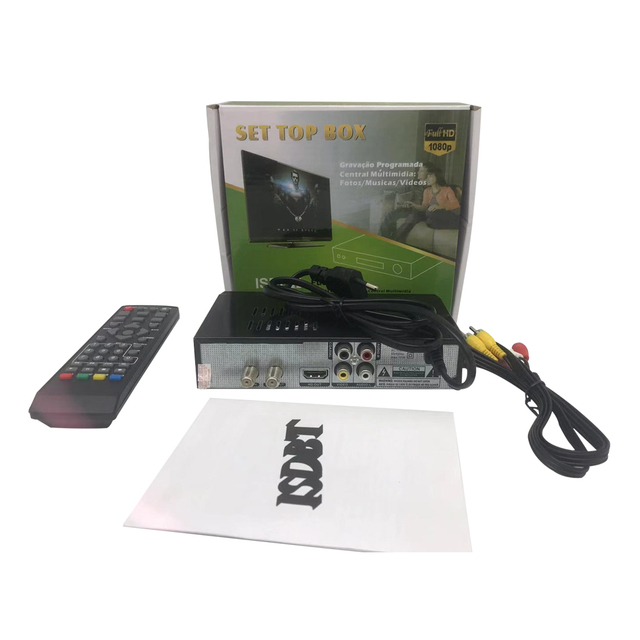
Wholesale High Quality TV Converter ISDB-T FTA Tuner ISDB-T Decoder Digital Set-top Box
 Shenzhen chenxing industrial Co,Ltd🇨🇳CN9 yrs
Terrestrial Digital TDT TV Decoder ISDB-T Tuner H.264 Free Channels Converter Box ISDB-T STB TV Set-top Box
 Hengli Digital Industrial Co., Ltd.verified🇨🇳CN17 yrs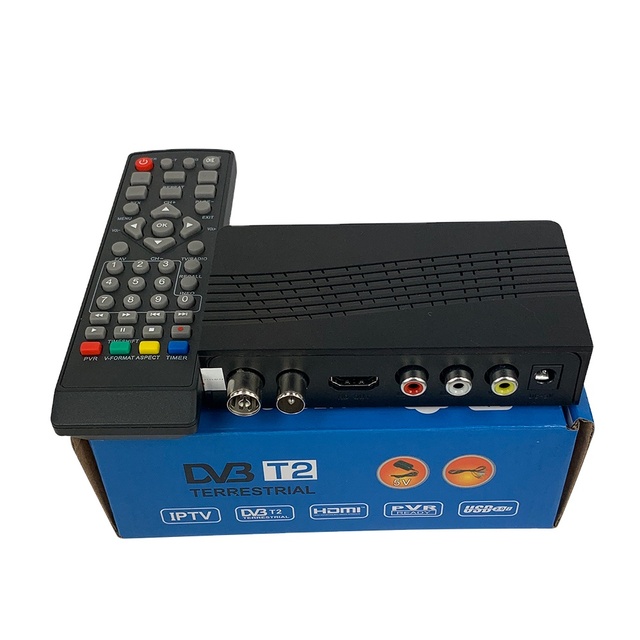
SYTA MINI 115MM DVB-T/T2/C STB HD Set Top Box Satellite Receiver Support H.264 Free to Air Channels FTA RF WIFI
 Shenzhen Shengyutongda Co., Ltd.🇨🇳CN16 yrs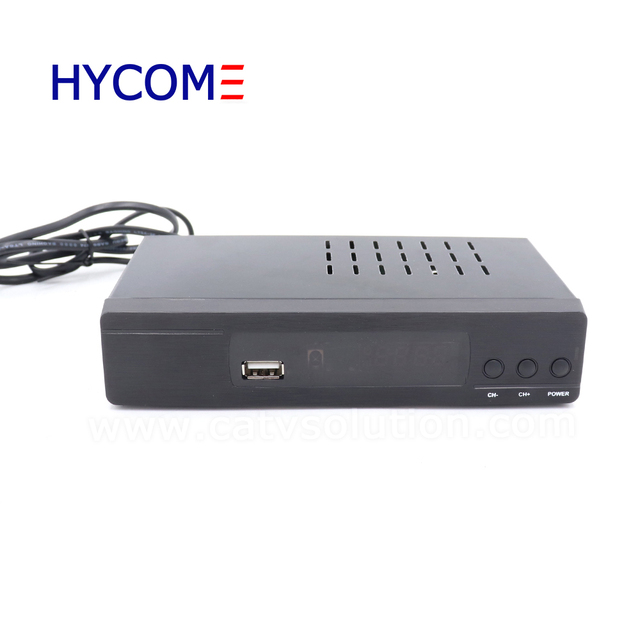
HYCOME 10PCS ISDB-T Decoder Digital TV Box Full HD 1080P Converter Box Set Top Box Receiver
 Fuzhou Huiyuan Communication Equipment Co., Ltd.🇨🇳CN7 yrs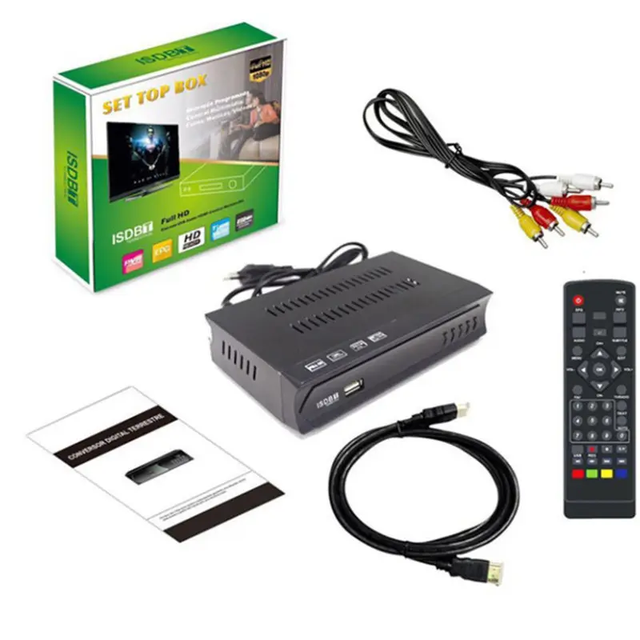
ISDBT HD TV Set-top Box H.264 MPEG-2/4 Integrate Service Digital Video Broadcast Satellite TV Receivers & Accessories
 HANGZHOU SCOPE TECHNOLOGY CO., LTD.🇨🇳CN14 yrs
DVB-S/S2 Satellite Converter Box Free to air Digital TV Receiver Free to air H.264 DVB-S/S2 Satellite Factory Hengli 2023
 Hengli Digital Industrial Co., Ltd.🇨🇳CN6 yrs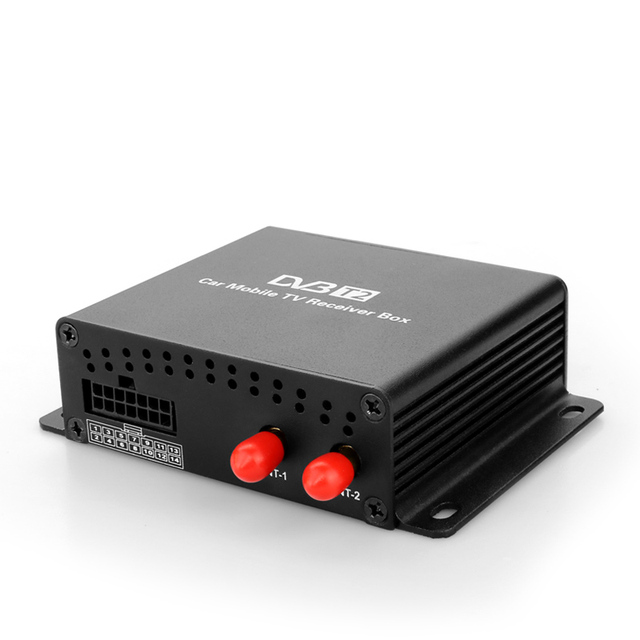
H264/H.265/HEVC Usb Mobile Digital Car Dvb-t2 Tv Tuner Receiver Box, Compatible with DVB-T TV Programs
 Shenzhen Sunway Industry Co., Ltd.🇨🇳CN10 yrs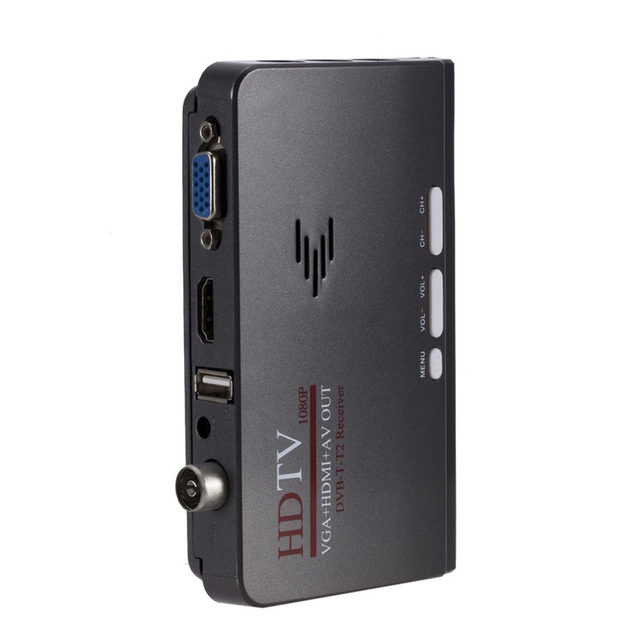
Wholesale DVB-T2 HD Digital Receiver Set-Top Box with HDMIVGA AV Out, 1080p Full HD TV Tuner for Europe Market CE Certified
 Shenzhen Fushi Cai Electronic Technology Co., Ltd.🇨🇳CN18 yrs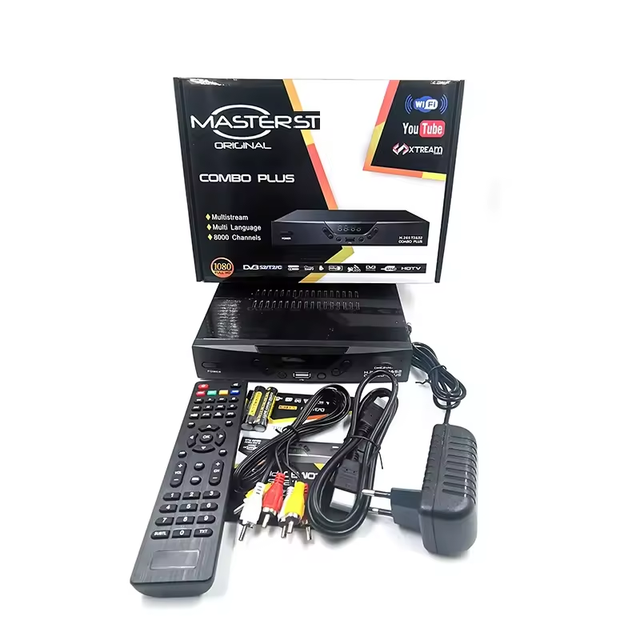
uuvision Combo DVB-T2+S2+C Satellite TV Receiver Decoder H.264 HD FTA TDT Set Top Box Africa Europe Asia Satellite TV Receivers CCcam
 Shenzhen Uuvision Technology Co., Ltd.🇨🇳CN10 yrs
Android Car Video Box HDTV DVB-T2 DVB-T Car Digital TV Tuner Antenna Car Digital TV Box
 Shenzhen Bosstar Techonolgy Co., Ltd.🇨🇳CN9 yrs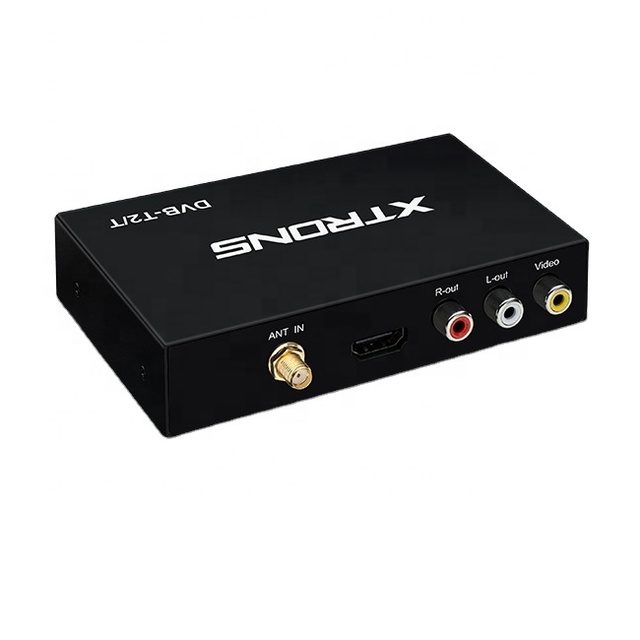
XTRONS FV015DE Car DVB T DVB T2 Freeview Digital Tv Receiver Box Support H.265 HEVC Standard
 UG ELECTRONICS LIMITEDverified🇨🇳CN19 yrs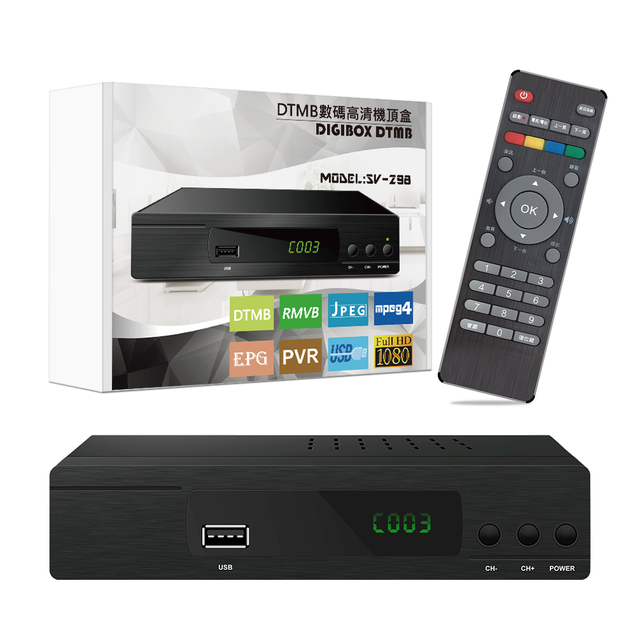
New Digital TV Box OEM DTMB Dtmb H.264 TV Decoder FTA TV Receiver Support MPEG4 PVR EPG Function Free Customize Branding
 Shenzhen Junuo Electronics Co., Ltd.verified🇨🇳CN17 yrs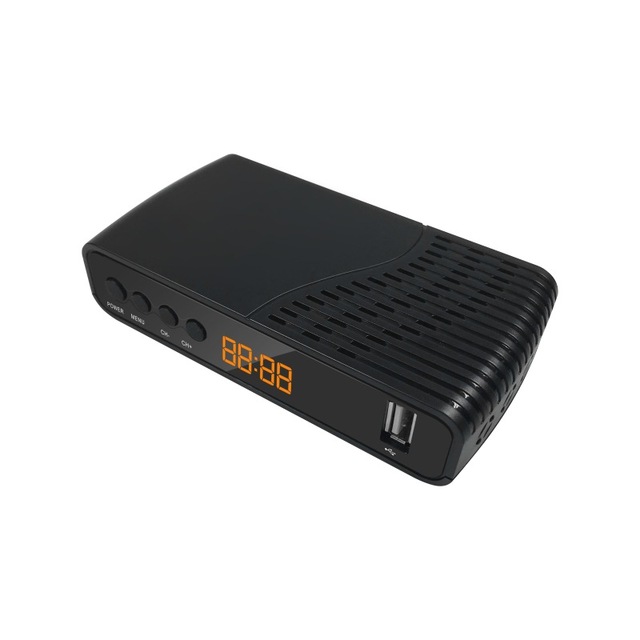
Wholesale Television Set-top Box Hd DVB-T2 H.264 SET TOP BOX Processing Customization Cast Photo/Video/Music to TV
 Shenzhen Nordson Electronics Co., Ltd.🇨🇳CN1 yr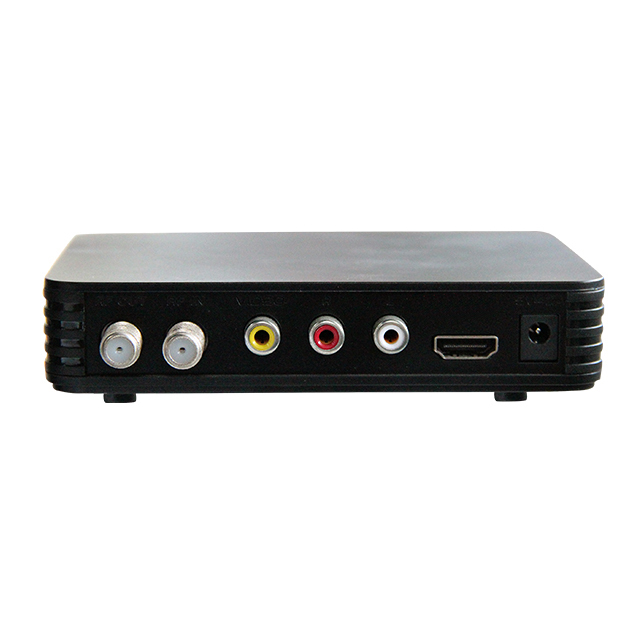
16 32 64 128 QAM CAS HD 256 DVB C Aneex B Set Top Box With Digital TV Receiver Online Shop China
 Hangzhou Runzhou Fiber Technologies Co., Ltd.🇨🇳CN16 yrs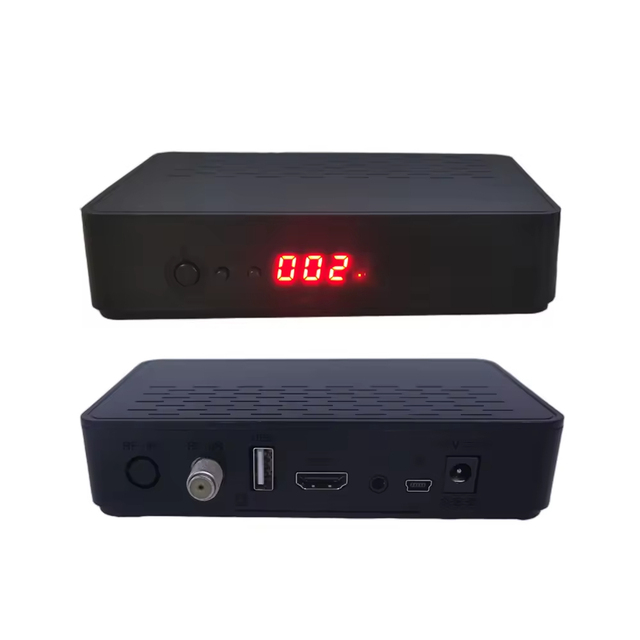
H.264 H.265 hd Dvb-c Set Top Box Professional CAS Software Customization Digital Cable TV Decoders
 Dongguan Quanwang Electronic Technology Co., Ltd.verified🇨🇳CN7 yrs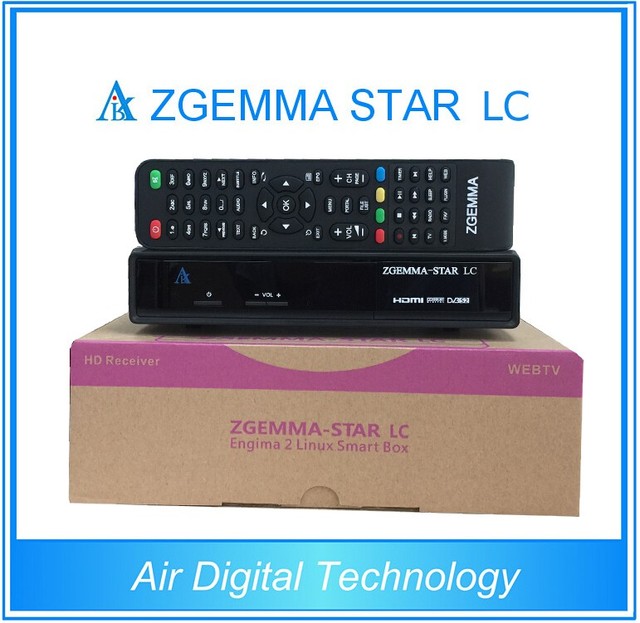
Full TV Channels Cable Box Zgemma-Star LC Satellite Decoder&Receiver With Linux OS Enigma2 New Updated DVB-C One Tuner
 Shenzhen Air Digital Technology Co., Ltd.🇨🇳CN18 yrs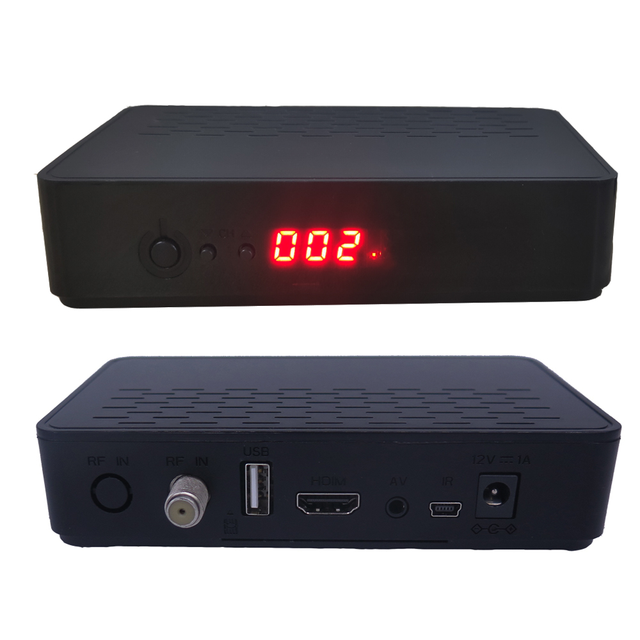
1080P Full HD Digital DVB-S2 DVB-T DVB-C Receiver Set Top Box with AU Plug Ready to Ship
 Chengdu Shineco Technology Co., Ltd.🇨🇳CN11 yrs
Related Searches
Explore more sourcing topics & related categories
Sources & References
50 sources cited · Verified industry data & reports
Image Receptor - an overview | ScienceDirect Topics
www.sciencedirect.com
Image receptor refers to the digital systems used in intraoral radiography, which can be categorized into direct digital systems utilizing charged coupled devices and complementary metal oxide semiconductor sensors, and indirect systems using phosphor plates with a computerized scanner. These receptors facilitate rapid image generation, enhancement, and storage, enabling efficient handling and archiving of dental images. AI generated definition based on: Veterinary Clinics of North America: Small Animal Practice, 2013 Exposure tables are predetermined for specific regions of the body or type of examination (orthopedics, procedures involving contrast agents, biomechanics, etc.), while automatic exposure devices adjust the exposure setting along these tables based off the image received at the receptor. Postprocessing of the output images can also be performed to enhance contrast and brightness of the displayed image. ... All radiological imaging devices can be interfaced to a PACS. Digital modalities (e.g., CT, MRI) are usually interfaced directly with DICOM (see DICOM sidebar below) capabilities built in to the modality, as are newer digital modalities (e.g., digital radiography (DR)). The image receptors that are utilized in CT are referred to as detectors. The CT process essentially relies on collecting attenuated photon energy and converting it to an electrical signal. This analog signal will then be converted to a digital signal for computer reconstruction. A detector is a crystal or ionizing gas that when struck by an X-ray photon produces light or electrical energy. The two main types of detectors utilized in CT systems are scintillation or solid-state and xenon gas detectors. G(E) represents the conversion efficiency and signal transmission efficiency of the X-ray detecting layer. ... where D(x′, y′) is the optical density (blackness) of the processed film mammogram at a location (x′, y′) in the image receptor, or in the case of a digital image, the image signal at a pixel corresponding to the position (x′, y′).
Overview of Intraoral Image Receptors - Intraoral Imaging: Basic ...
www.dentalcare.com
Intraoral digital receptors are available in sizes comparable to traditional dental film. Rigid digital receptors are typically available in sizes 0, 1, and 2 while the plate receptors are available in sizes 0, 1, 2, 3, and 4. The range of available sizes is dependent on the specific product manufacturer. Therefore, it is important to utilize proper infection control techniques to prepare and cover digital receptors for placement inside the mouth and effective barrier removal following completion of the survey. Refer to manufacturer recommendations for proper infection control procedures for digital receptors both rigid sensors and phosphor plates. Figure 1: Rigid CCD Digital Sensor, Digital Phosphor Plate, F-Speed Dental Film The same receptor can be used for each projection by repositioning the receptor for the next view after each exposure. These direct digital receptors convert the x-ray beam into an electronic signal, which is then displayed as a grayscale image and stored in a computer. Indirect digital receptors known as storage phosphor plates (SPP) or photostimulable phosphor plates (PSP) are also available. These plates have a europium-activated barium fluorohalide emulsion which stores the latent image after exposure. A separate plate is needed for each projection and the plates must be erased with white light before reuse.
Basic Physics of Digital Radiography/The Image Receptor - Wikibooks, ...
en.wikibooks.org
Such a receptor is illustrated in Figure 4.5, where the active matrix array and associated electronic circuitry is mounted in a cassette. Array sizes of up to 43 cm x 43 cm are available with more than 9 million pixels (pixel size ~140 μm). Operation of the array is controlled by a digital image processor (see the next chapter), which also stores and displays the resultant images. Following the exposure, the switches in the first row are turned on and the signal from each pixel is amplified by the pre- amplifiers, digitized using an ADC and stored in the image memory of the digital image processor. These switches are then turned off and the switches in the second row are turned on to acquire signals from the second row of pixels. This process is repeated for the whole array so that an image is acquired in a sequential, line-by-line manner. When the receptor is used for fluoroscopy the array is scanned continuously[5] Fig. 4.5: Illustration of an active matrix array and its associated electronic circuitry housed inside the image receptor cassette and connected to a digital image processor and image display device. This line-scanning approach requires a linear array of laser light sources, e.g. laser diodes, as well as a linear array of photodetectors as wide as the imaging plate, and gives rise to readout times of less than 10 seconds. Furthermore, the linear scanning mechanism can be built into the image receptor cassette[3].
Image Receptors and Image Acquisition | Radiology Key
radiologykey.com
The image receptor (IR) receives the exit radiation and creates the latent or invisible image. The latent image is acquired differently depending on the type of IR. This chapter describes the common types of IRs used in radiography and how the latent image is formed. Latent image processing and display of the visible image are discussed in Chapter 7. Two types of digital IRs are typically used in radiography: computed radiography (CR) and direct digital radiography (DR) IRs. DR IRs have a self-scanning readout mechanism that employs an array of x-ray detectors that receive the exit radiation and convert the varying x-ray intensities into proportional electronic signals for digitization. In contrast to CR, which requires a two-step image acquisition process, DR imaging combines image capture and image readout. As a result, DR images are available almost instantly after exposure. However, DR receptors are more fragile and much more expensive than CR IRs. Several types of electronic detectors are available for DR. These electrons remain in this higher energy state until released during the laser beam scanning of the readout stage. The acquired image data (released energy) are extracted from the digital receptor, converted to digital data, and computer processed for image display. After exposure, the digital image is available within a few seconds on a viewing monitor, and no separate reader unit is involved (Figure 6-11 · Only gold members can continue reading. Log In or Register to continue ... Radiation and Its Discovery Dynamic Imaging: Fluoroscopy Scatter Control Image Formation and Radiographic Quality The X-ray Beam Exposure Technique Factors ... Mar 6, 2016 | Posted by admin in GENERAL RADIOLOGY | Comments Off on Image Receptors and Image Acquisition
Digital Radiography
www.sprawls.org
Image Receptors | Radiology Key
radiologykey.com
Digital receptors bring many benefits to medical imaging, but they also bring challenges as to how best to use them in the best interest of the patient and the profession. Radiographic film acquires the image and must then be chemically processed before it is visible. As a result, film serves as the medium for image acquisition, processing, and display. Several types of radiographic film are still used in medical imaging departments. • Explain the use of exposure indicators for cassette-based systems and dose-area product for cassetteless systems. • Correctly identify the role of kVp, mAs, and geometric factors with digital systems. • Identify quality control tests and test patterns used with digital systems. • Describe the Picture Archiving and Communication System, including its role, principal systems, and challenges. ... This chapter covers both film and digital media as image receptors. The industry is transitioning from film-screen as the primary image receptor to digital forms. Radiography is the last of the medical imaging modalities to make this transition. Although the transition to digital is almost complete in the United States, we still have facilities that use film-screen and this material is still covered in the American Society of Radiologic Technologists (ASRT) curriculum and on the American Registry of Radiologic Technologists (ARRT) radiography examination. The remaining component in the film-screen image receptor is the cassette. Serving as a container for both the intensifying screens and the film, the cassette must be light-proof, lightweight for portability, and rigid enough not to bend under a patient’s weight, all while allowing the maximum amount of radiation to pass through and reach the screens.