Resonating Speaker

Overview
Product sourcing insights & recommendations
The 'resonating speaker' market is evolving from a novelty gadget into a functional segment for sleep technology, smart home decor, and outdoor safety. These devices use mechanical transducers to turn surfaces like wood (warm bass), glass (crisp highs), and hollow boxes (amplified sound) into active soundboards AlibabaVcom.
Key trends for 2025-2026 include the integration of TWS (True Wireless Stereo) for surround-sound setups and a focus on under-pillow sleep aids VcomFacebook. While they offer unmatched portability and durability, users should be aware of significant sound leakage and reduced bass fidelity compared to traditional drivers AlibabaAlibaba.
The detailed report below provides technical material benchmarks, market CAGR data, and specific sourcing recommendations for mini-portable, industrial-furniture, and sleep-aid speakers.
This report covers the core market trends. You can continue by:
Bone Conduction Speaker Surface Resonance Bluetooth Tws Suction Cup
Products · 3 lists
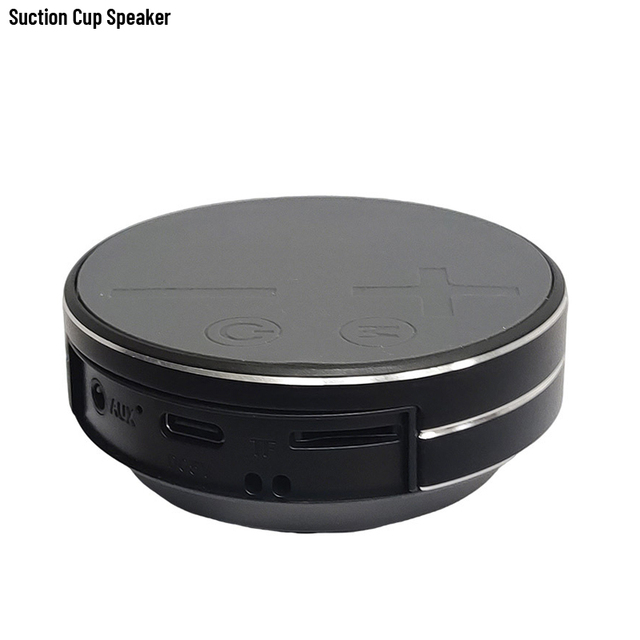
New Release TWS Bone Conduction Speaker with Suction Cup Bass Vibration and TF Card Playback
 Shenzhen Pengxinfa Electronic Co., Ltd.🇨🇳CN9 yrs
Bone Conduction Wireless Speaker TWS Waterproof Speaker With Suction Cup Magnetic Music Speaker Portable for Shower Bathroom
 Shenzhen Jointop Industrial Development Co., Ltd.🇨🇳CN6 yrs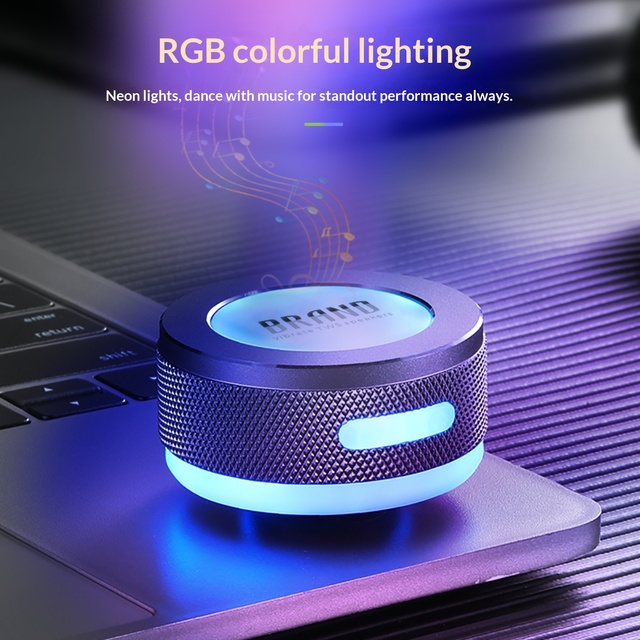
TM002 Mini Metal Bone Conduction Speaker 5.3 Magnetic Suction Cup TWS RGB Light 3 Hours Playtime
 Hunan Benhui Technology Co., Ltd.🇨🇳CN2 yrs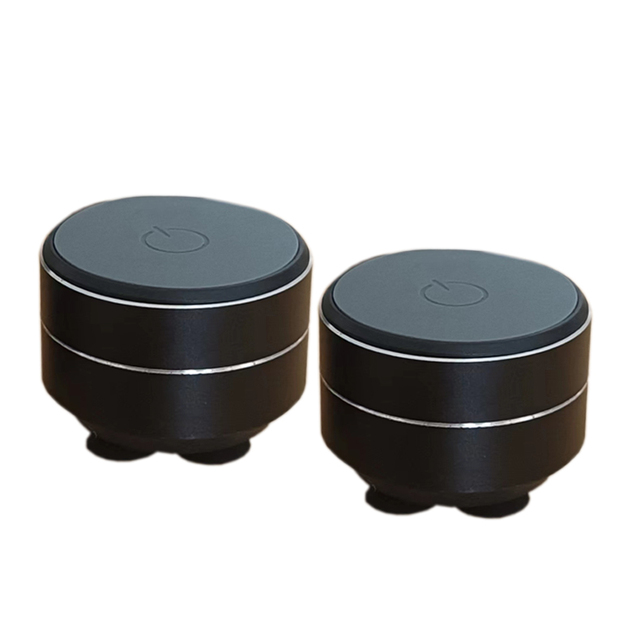
Bone Conduction TWS Bluetooth Speaker Portable Vibration Sound Mini Audio OEM Custom Logo Factory Wholesale for Outdoor Travel
 Shenzhen Bogoodwill Industrial Co., Limited.verified🇨🇳CN12 yrs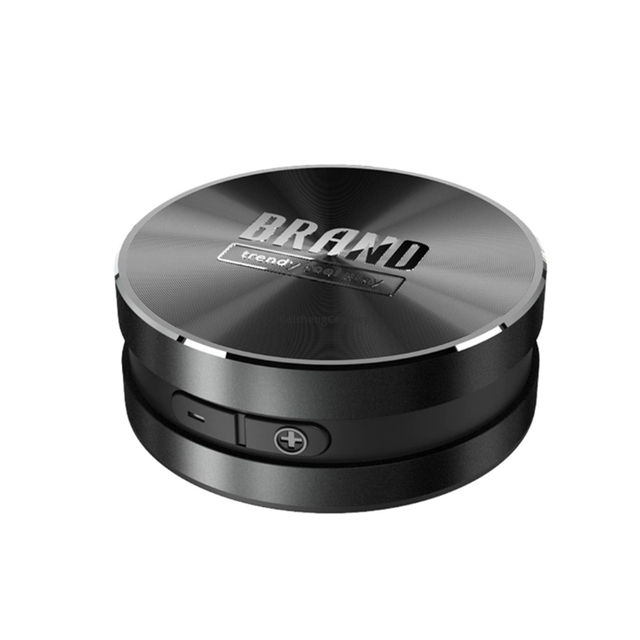
New Black Technology Bone Conduction BT Speakers Metal Stereo Mini TWS Wireless Speaker with Sucker for Long Battery Life
 Shenzhen Kaisheng Century Electronics Co., Ltd.verified🇨🇳CN3 yrs
Bone Conduction Wireless Speaker TWS Waterproof Speaker With Suction Cup Magnetic Music Speaker Portable for Shower Bathroom
 Shenzhen Innoview Technology Co., Ltd.🇨🇳CN6 yrs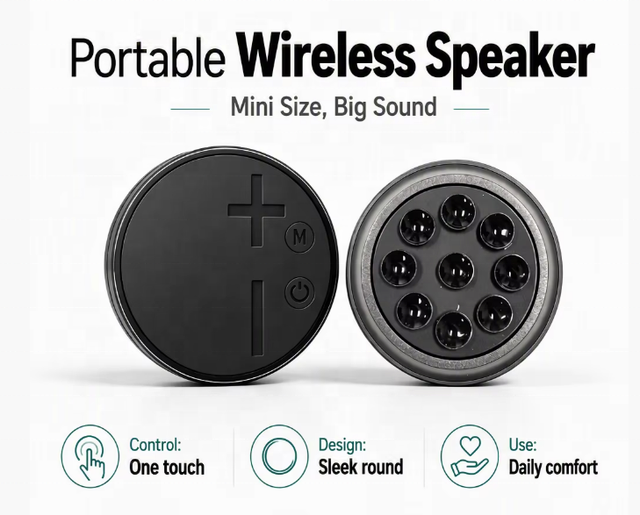
Bone Conduction Speaker Vibration Speaker Suction Cup Turns Any Surface Into a Speaker 360 Stereo Deep Bass for Home Bathroom
 Shenzhen Superaise Technology Co., Limited.verified🇨🇳CN4 yrs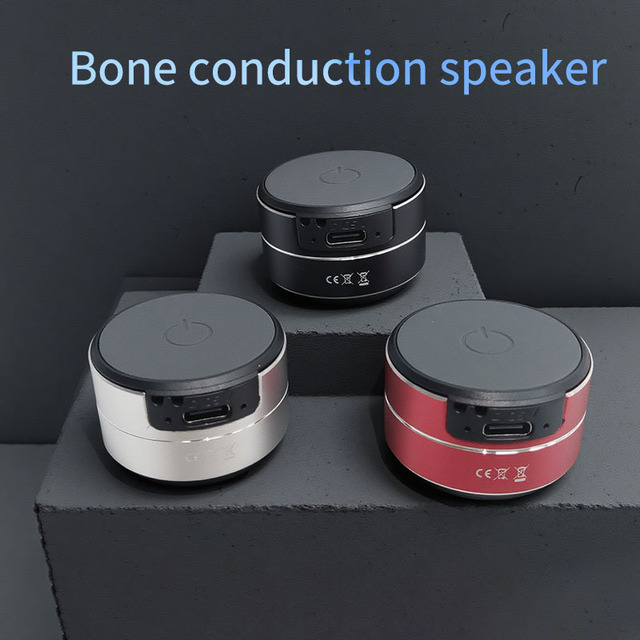
TWS Black Technology Bone Conduction BT Speaker, Bone Conduction Resonance Subwoofer, Metal Pair BT Speaker
 Shenzhen Exmight Digital Electronic Co., Ltd.verified🇨🇳CN9 yrs
![[Factory Direct Stock] New Bone-Conduction for 5.1 Speaker TM001 Metal Casing Suction Cup RGB Deep Bass Black-Tech Speaker](https://s.alicdn.com/@sc04/kf/H977cd9033ad8485aa4a591d12e85ecc3J.png_640x640.png)
[Factory Direct Stock] New Bone-Conduction for 5.1 Speaker TM001 Metal Casing Suction Cup RGB Deep Bass Black-Tech Speaker
 Dongfang Yaojie Trading Co., Ltd.🇨🇳CN1 yr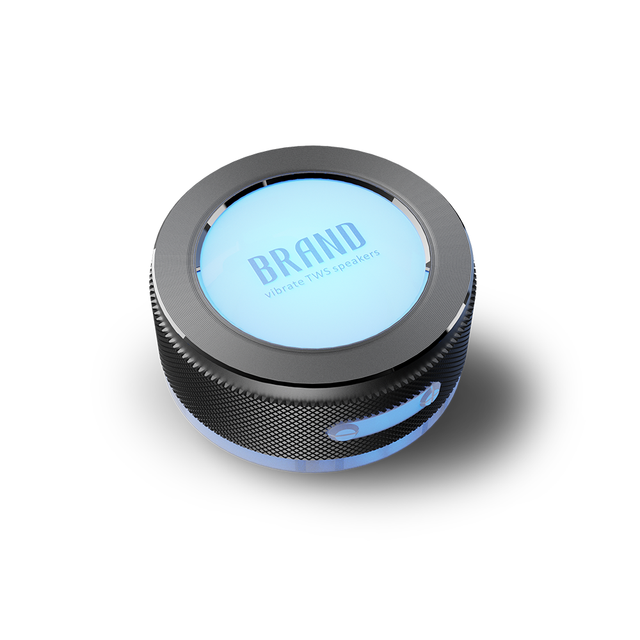
Trend Product 2024 BT Mini Bone Conduction Wireless Speaker with Magnetic and Suction Cups for 5.1 Battery
 Giftek Electronics Ltd.🇨🇳CN6 yrs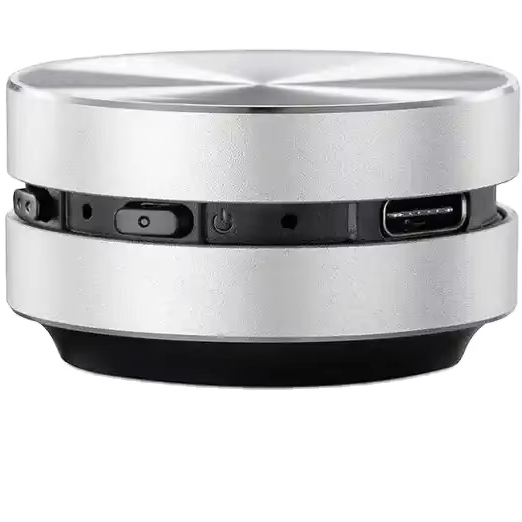
Wholesale Mini Music Wireless Bone Conduction Speaker with High Sound Quality: Audio Factory Supply
 Shenzhen Jaskey Technology Limited🇨🇳CN18 yrs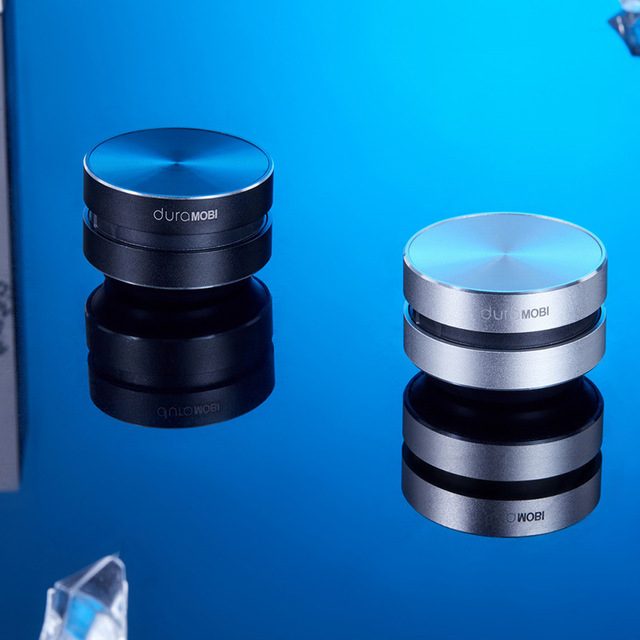
Bone Conduction Resonance Speaker Small Wireless Indoor and Outdoor Large Volume Heavy Bass
 Shenzhen Aquina Electronic Manufacturing Co., Ltd.🇨🇳CN6 yrs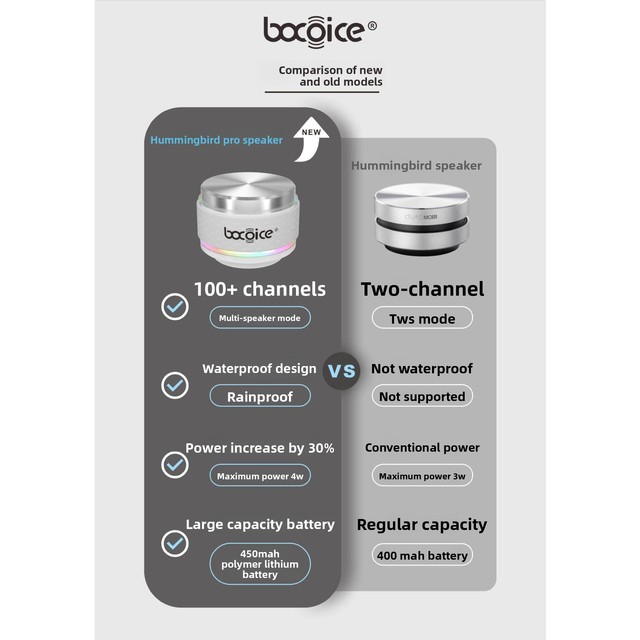
Cross-border 2nd-Gen Hummingbird Bone-Conduction 5.2 Portable Resonance Mini RGB Speaker FM Radio ABS Material 3W up to 3 Hours
 Shenzhen Baisuoluo Technology Co., Ltd.🇨🇳CN1 yr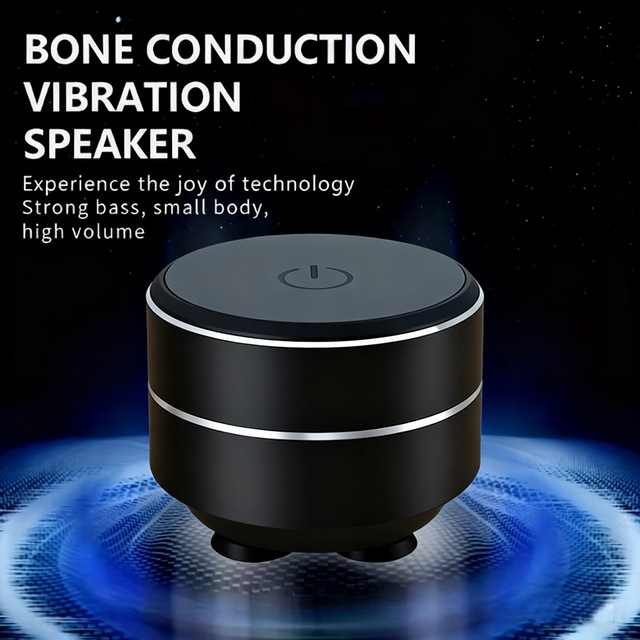
Bone Conduction Resonant Aluminum Alloy Speaker with Powerful Vibration for BT Audio Playback
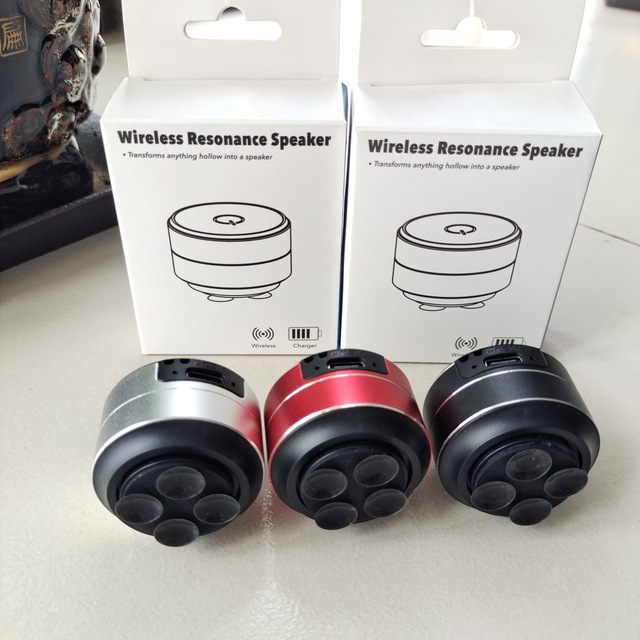
Cutting-Edge Bone Conduction for Speaker with ABS Material Subwoofer Call Function for Home Use
 Shenzhen Magic Technology Co., Ltd.🇨🇳CN7 yrs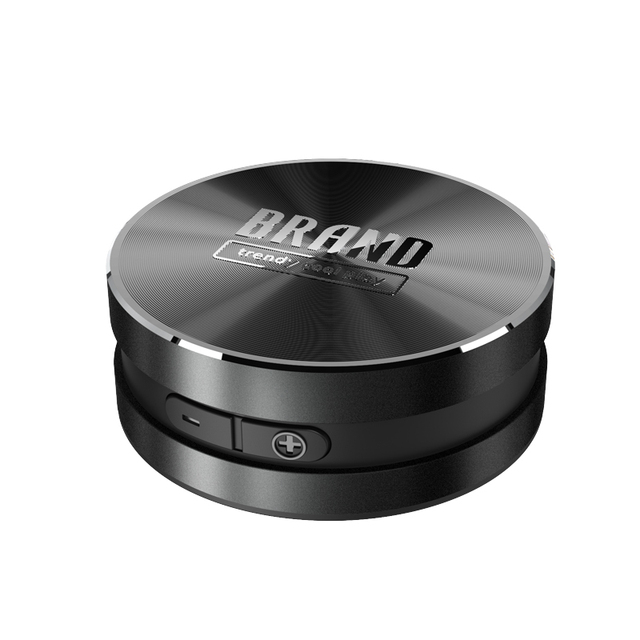
Factory One Stop Portable Stereo Sound Creative Wireless Mini Bone Conduction Speaker Product Ddevelopment Services
 Shenzhen Shuoguo Precision Technology Co., Ltd.verified🇨🇳CN2 yrs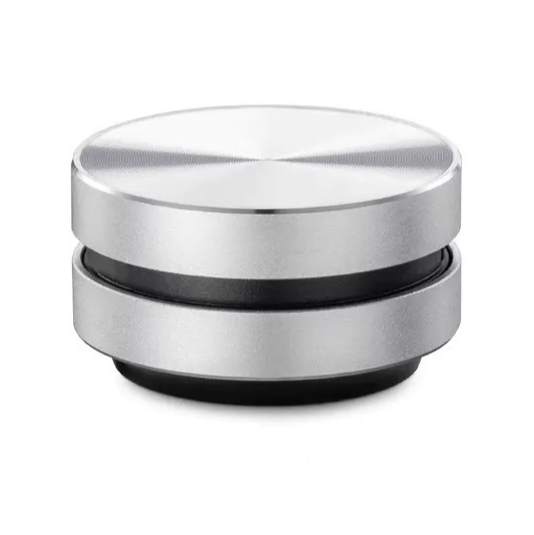
TWS Black Technology Wireless Bluetooth Magnetic Portable Sound Bone Conductive Speaker

Portable TWS Bone Conduction Wireless Speaker, Mini Blue-tooth Stereo Subwoofer with 360 Surround Sound, Compact Metal Speaker
 Shenzhen Yisiwei Technology Co., Ltd.🇨🇳CN5 yrs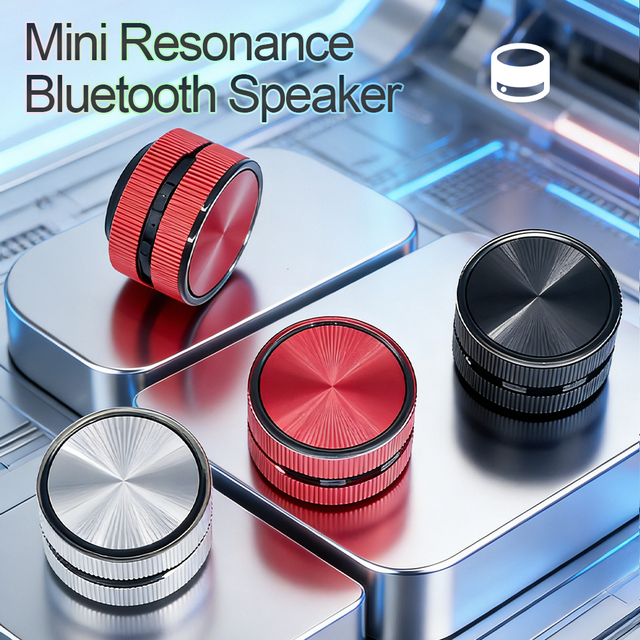
Portable Compact Popular Black Technology Bone Conduction Resonance Small Speaker Hummingbird Wireless Bone Conduction Speaker
 Shenzhen Casun Technologies Co., Ltd.verified🇨🇳CN13 yrs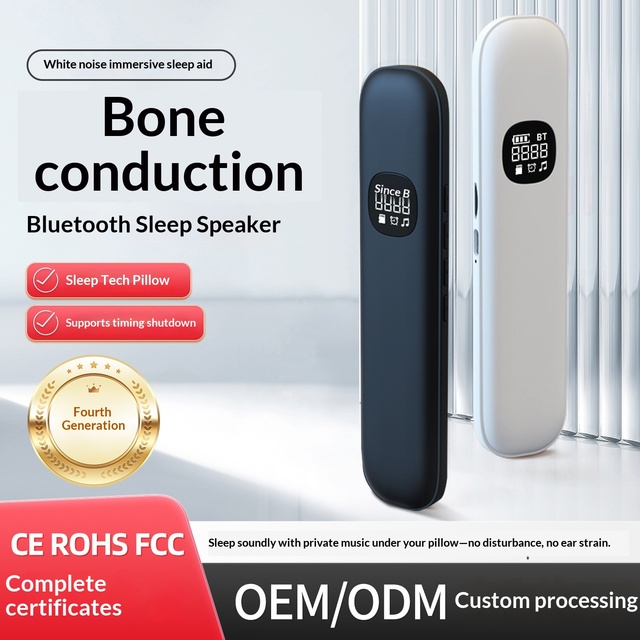
Bone Conduction Sleep Under-Pillow Wireless Speaker Smart Small for 5.3 Headset SLEEP BOX with Resonance
 Shenzhen Mingyang Smart Home Co., Ltd.🇨🇳CN2 yrs
Best Value Pillow Speaker Bone Conduction Wireless BT 5.4 Quiet Sleep White Noise for Deep Relaxation

Hot Bone Conduction Speaker BT-Compatible TWS Wireless Stereo Sound Speaker Dropshipping Wholesale
 Shenzhen Hobbywin Technology Co., Ltd.🇨🇳CN10 yrs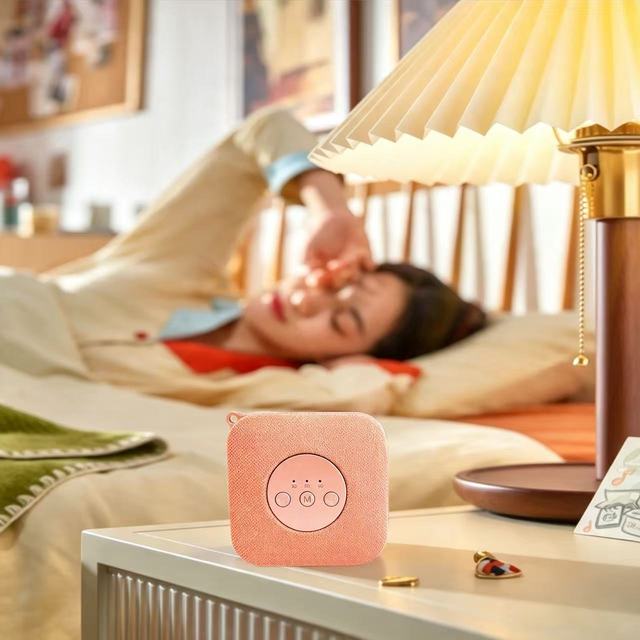
Portable Bone Conduction Under Pillow Sleep Speaker Wireless Sound Transmitter with White Noise 3 Level Auto Off Timer
 Shenzhen Tensouny Technology Co., Ltd.verified🇨🇳CN3 yrs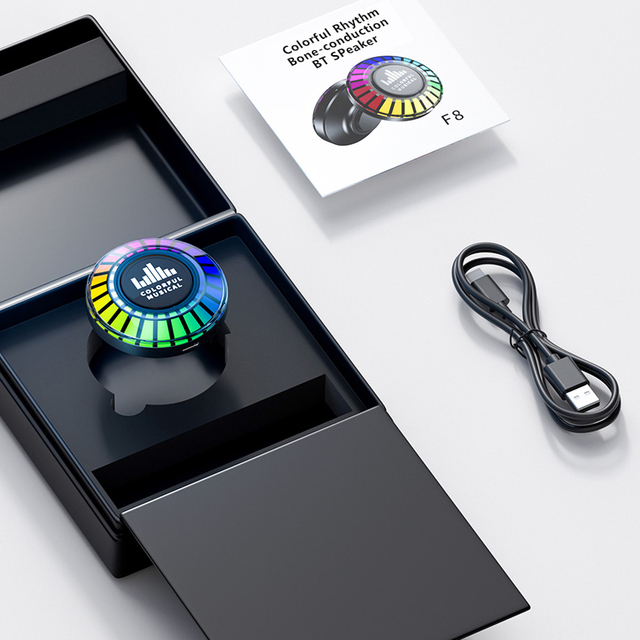
Som Automotivo bluetooth Bone Conduction Speaker F8 Colorful Rhythm Musical Speaker
 Guangzhou Hexiangrun Electronic Technology Co., Ltd.🇨🇳CN4 yrs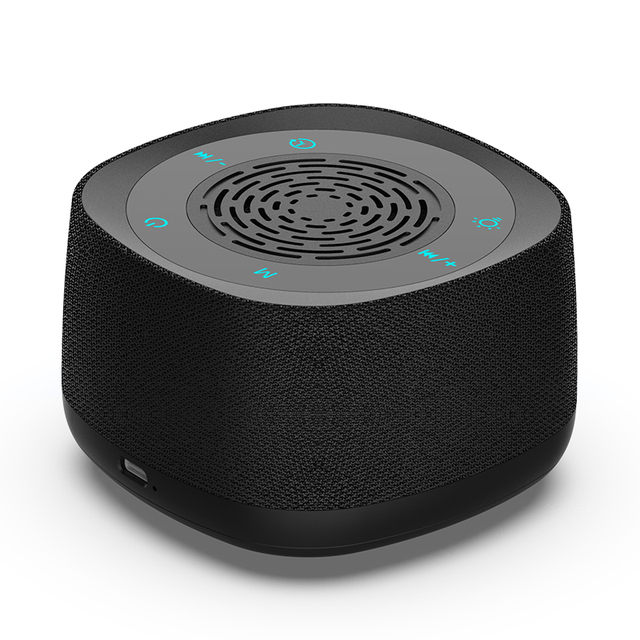
Low Price Bone Conduction Sleep Speaker for Kids Battery Life Travel-Friendly Bedtime Stories & Music
 Dongguan Kemi Electronic Technology Co., Ltd.verified🇨🇳CN1 yr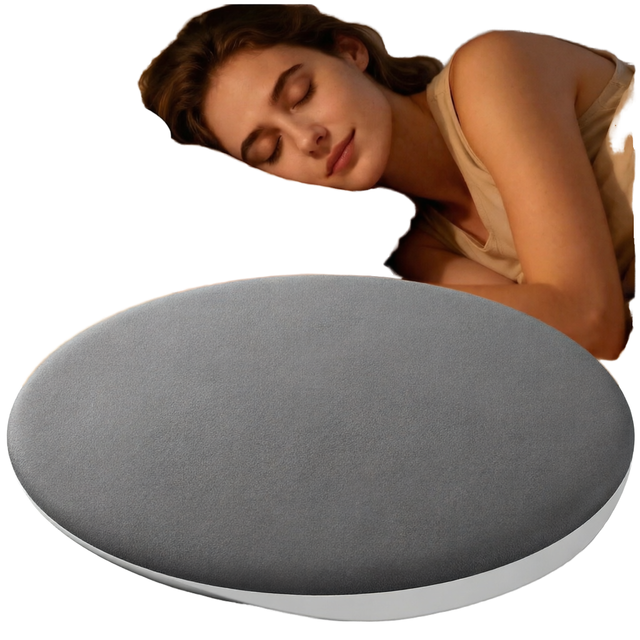
AliSelect T3PRO Ultra-thin pillow Bone Conduction Speaker fabric Speakers portable White Noise BT ASMR music aid sleeping TYPE-C
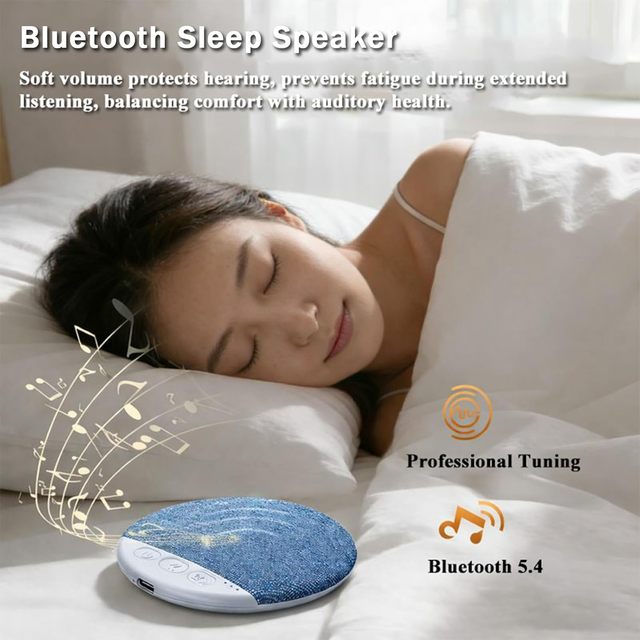
Headphone Speaker with Bone Conduction, Ultra-thin, High-quality Sound, Noise Reduction, Portable and Wireless Speaker
Deep Dive · Full Report
Full Market Report
1 document · Live-fetched from source
Related Searches
Explore more sourcing topics & related categories
Sources & References
28 sources cited · Verified industry data & reports
What Is a Bone Conduction Speaker? How It Works & When It’s Worth ...
electronics.alibaba.com
Unlike traditional Bluetooth speakers that push air to generate sound, a bone conduction speaker is a compact transducer that converts audio signals into mechanical vibrations—transferring energy directly into solid objects (like wooden desks, hollow boxes, or even pillowcases) to turn them into resonating soundboards. This makes it fundamentally different from air-conduction audio devices—and explains why its performance varies drastically depending on surface material, mounting method, and environment. Despite the name, bone conduction speakers used in consumer electronics do not transmit sound through human bone like medical or hearing-assistive bone conduction headphones do. Instead, they are more accurately described as surface-conduction transducers or vibration-based audio emitters. They contain a piezoelectric or electromagnetic actuator that oscillates at audio frequencies when powered. When firmly coupled to a rigid, resonant surface—especially one with internal air cavities—the vibrations travel through the material, causing it to flex and radiate audible sound into the surrounding air1. Bone conduction speakers don’t emit sound through air—they vibrate surfaces to create audio. Learn how they differ from regular Bluetooth speakers, where they excel (and fail), and whether they suit your use case. Source: DJ Martini Midwest Reviews, “Leepesx Mini Speaker Surface Conduction Test,” August 20252. Advertised battery durations (e.g., “6 hours playtime”) assume 50% volume on an ideal surface. Real-world testing shows runtime drops 35–50% when driving dense or poorly resonant materials—because the transducer must work harder to achieve the same perceived loudness.
Bone conduction - Wikipedia
en.wikipedia.org
In use, the speaker is strapped against one of the dome-shaped bone protrusions behind the ear and the sound, which can be surprisingly clear and crisp, seems to come from inside the user's head. The Google Glass device employs bone conduction technology for the relay of information to the user through a transducer that sits beside the user's ear. In March 2019 at The National Maritime Museum, London, British composer Hollie Harding premiered the use of Bone Conduction Headphones as part of a musical performance. The use of the technology allowed the audience to listen to a pre-recorded musical track on the headsets, whilst a live orchestra performed a separate but related musical track. This multilayered effect meant that electronic and digitally-edited sounds could be heard in conjunction with live music without the use of loud-speakers for the first time and that the source of sounds could appear to be close to, far from, or all around the listener. Bone conduction transmission occurs constantly as sound waves vibrate bone, specifically the bones in the skull, although it is hard for the average individual to distinguish sound being conveyed through the bone as opposed to the sound being conveyed through the air via the ear canal. Because the skull conducts lower frequencies better than air, people perceive their own voices to be lower and fuller than others do, and a recording of one's own voice frequently sounds higher than one expects (see voice confrontation). Some commercial headsets use bone conduction combined with real-time filtering to modify a user's perception of their own voice (e.g., Forbrain). Bone conduction is the conduction of sound to the inner ear primarily through the bones of the skull, allowing the hearer to perceive audio content even if the ear canal is blocked. Bone conduction transmission occurs constantly as sound waves vibrate bone, specifically the bones in the skull, ...
mini bone conduction speaker resonance rail audio
www.temu.com
Vibration Speaker to Guitar Body - The Acoustic Guitar Forum
www.acousticguitarforum.com
What are Bone Conduction Headphones and How Do They Work?
www.techtarget.com
Bonephones use a method called bone conduction audio technology. In this method, a transducer converts audio data to vibrations, which travel along the user's bone structure to the cochlea, an inner ear structure that transmits the information along the auditory nerve as a signal to the brain. In effect, the user's skull is the device's speaker. Therefore, flesh and bone can function as a speaker, because particles in a solid can vibrate too. In fact, solids transmit sound faster than air and water, because the particles in a solid are the most tightly packed together. This makes solids the best conductors of sound, followed by water, then air, which have looser particle configurations. If a listener is underwater, someone speaking above the surface would sound garbled. If loud music is playing next door, the listener generally perceives it as muffled. These distortions occur not because liquid and solid are worse sound conductors, but because in both examples, the sound is first passing through air, then into the other medium. Bonephones are designed to account for this fact. Bone conduction headphones -- sometimes called 'bonephones'-- are headphones that transmit sound waves through the bones in a user's skull instead of their ear canal. When in use, the bones in a user's skull will vibrate to amplify the sound waves, allowing users to listen to device audio, while keeping their ears free.
Bone Conduction Transducer Guide: How to Choose the Right One
electronics.alibaba.com
You don’t need exotic impedance matching or custom drivers unless you’re tuning for resonant surfaces >1 m² or driving at >2 W continuously. If you’re a typical user, you don’t need to overthink this. A bone conduction transducer is an electroacoustic device that converts electrical audio signals into mechanical vibrations—not sound waves in air. Bass extension depends on surface resonance characteristics and can be enhanced through mass loading or tuned mounting; Vibration transmission is part of intended operation; structural coupling can be managed through isolation mounts or strategic placement; Audio imaging is inherently broad and diffuse—ideal for ambient or localized notification rather than directional stereo reproduction. If you need clear voice prompts in a noisy workshop, bone conduction transducers work well. When you need audio output without speaker grilles, air gaps, or enclosure tuning, a bone conduction transducer becomes a pragmatic component—not a compromise. ... Direct-surface mounting (most common) Transducer glued or clamped to rigid, flat surfaces (e.g., plywood desk, acrylic panel). If you need broad frequency coverage and directional control, use conventional speakers. If you need silent, localized haptics, consider dedicated tactors. If you need medical-grade auditory stimulation, consult a qualified professional—this guide does not address clinical applications. ... It’s a device that converts electrical signals into mechanical vibrations—designed to transmit sound energy through direct physical contact with surfaces or bone, rather than through air.