Rf Wireless Mini Receiver

Overview
Product sourcing insights & recommendations
I have analyzed the RF Wireless Mini Receiver market for 2026, identifying a strong growth trajectory driven by 5G/6G integration and miniaturization. The global market for these components is expected to exceed $87 billion by 2035, with a significant shift toward Gallium Nitride (GaN) materials and Software-Defined Radio (SDR) architectures.
Key findings include:
- Efficiency: New modules offer 50% lower power consumption for IoT applications.
- Top Players: Qualcomm and Broadcom lead the market, focusing heavily on automotive ADAS and Wi-Fi 7.
- Sourcing: A range of miniaturized modules is available, from cost-effective 2.4GHz sensors to high-spec LoRa transceivers for long-range connectivity.
The detailed report below includes market forecasts, technical innovations, and top product recommendations for your sourcing needs.
Based on these trends, you might want to explore the following next steps:
Mini Rf Wireless Receiver Module Low Power 5g Iot
Products · Top picks & verified manufacturers
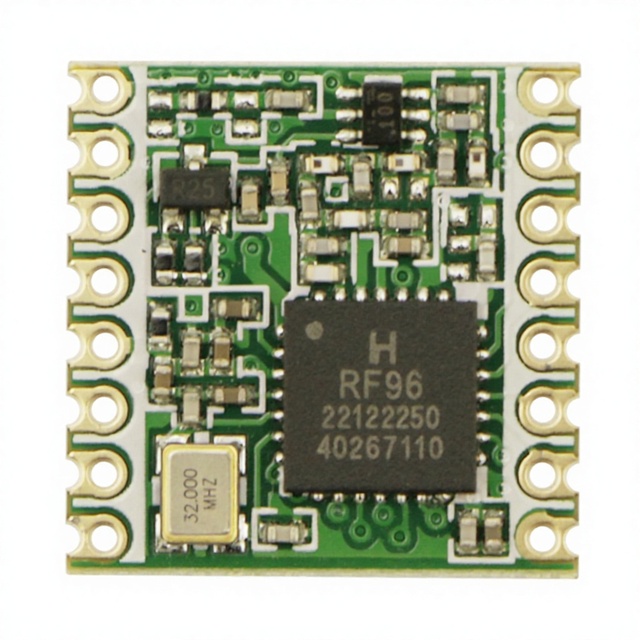
Low Power Long Range Transceiver Module RFM95W Lora Module RFM95 868MHz 915MHz Wireless Module
 Shenzhen Hurryup Technology Co., Ltd.verified🇨🇳CN15 yrs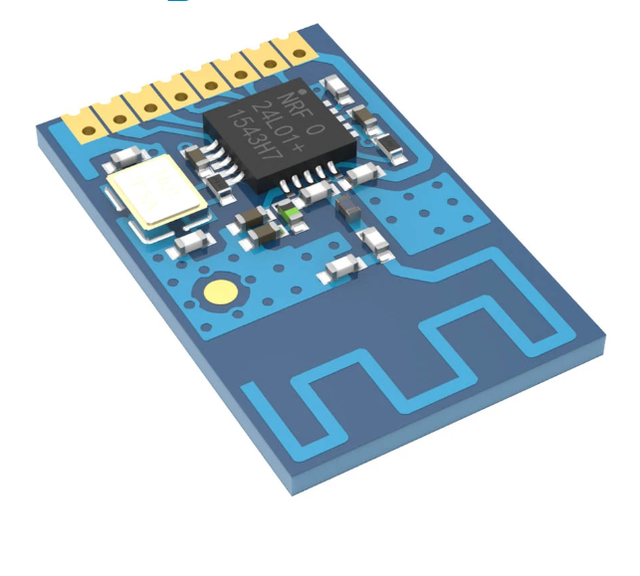
AS01-ML01S 2.4GHz Remote Sensor SPI TX RX Transmitter Receiver RF Module with Chip nRF24L01P r7 RFID/2.4G wireless Module CC2500
 Shenzhen Fuyuanxin Technology Development Co., Ltd.🇨🇳CN8 yrs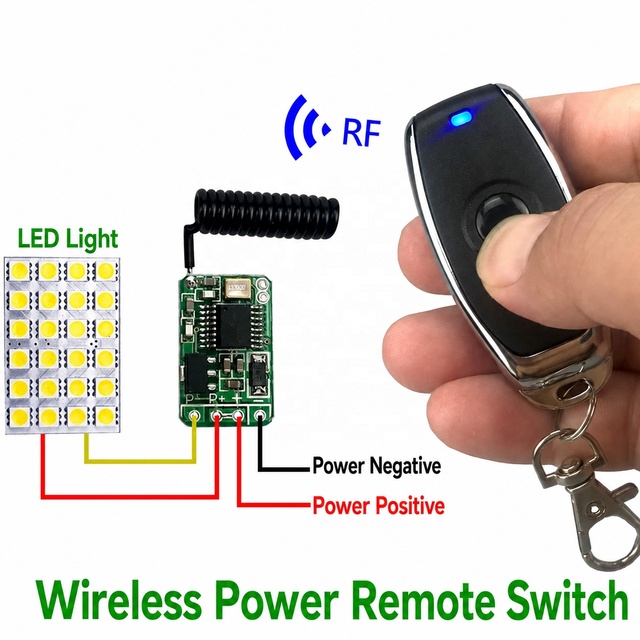
Wireless Remote Control Switch Mini 3V 5V Low Voltage RF Receiver Module for Battery Powered LED Light
 Anqing Rivers Electronic Technology Co., Ltd.🇨🇳CN5 yrs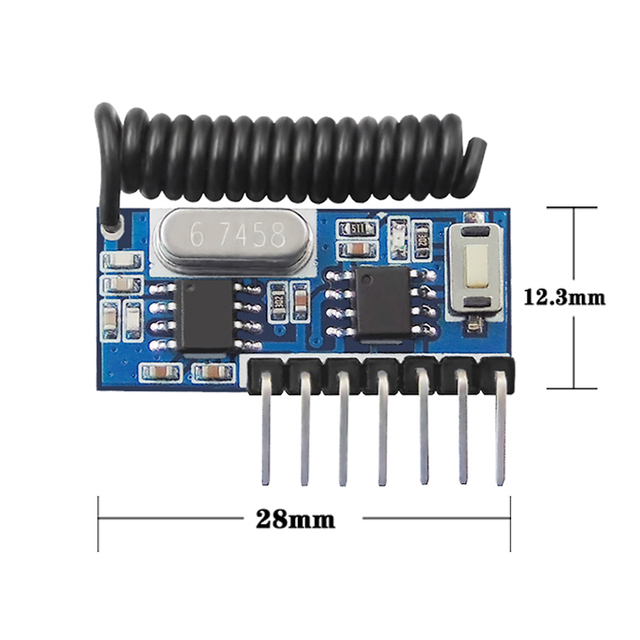
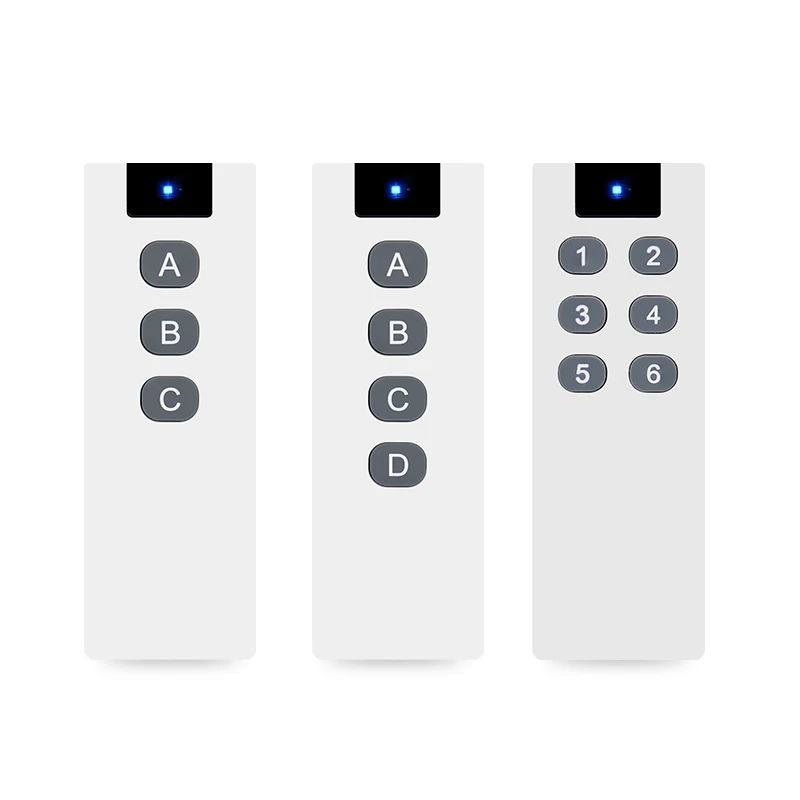
HRJ-9 DC 3.3-5.5v 315/433mhz Wireless RF Receiver Module 4 Channel with Decode
 Huazhong IOT (Shenzhen) Group Co., Ltd.verified🇨🇳CN6 yrs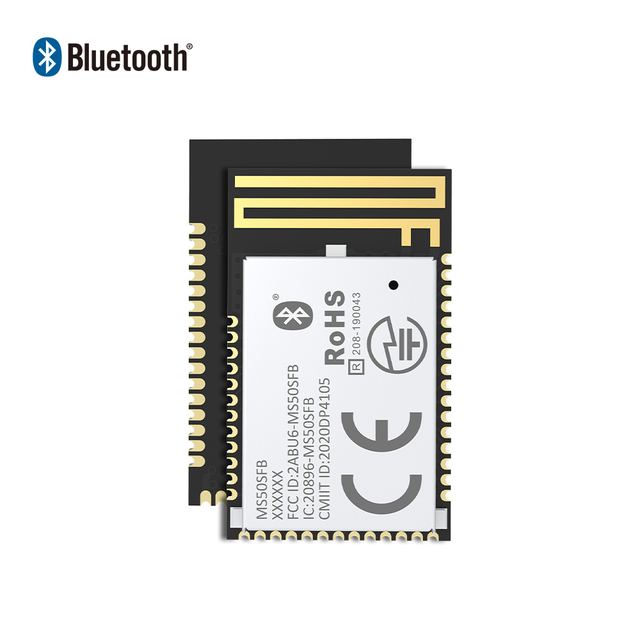
MinewSemi Ble nRF52832 Module USB Bluetooth 5.0 Transceiver IoT Module
 Shenzhen Minewsemi Co., Ltd.🇨🇳CN5 yrs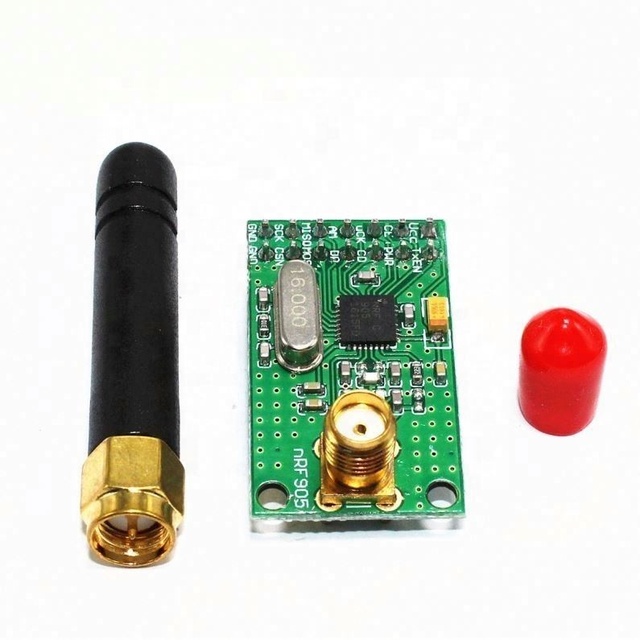
NRF905 Wireless Transceiver Module Wireless Transmitter Receiver Board NF905SE
 Shenzhen Yuzens Technologies Co. Ltd.🇨🇳CN12 yrs
Ebyte E07-433M20S 2km Small Size Low Power Consumption 20dBm Transceiver Module 433MHz CC1101 Chip SPI RF Wireless Module
 Chengdu Ebyte Electronic Technology Co., Ltd.🇨🇳CN11 yrs
E32-433T20D-V2.0 LoRa 433MHz Wireless RF Module IoT Transceiver CDSENET UART Long Range RF Transmitter Receiver SX1278/SX1276
 Shenzhen Kaisheng Century Electronics Co., Ltd.verified🇨🇳CN3 yrs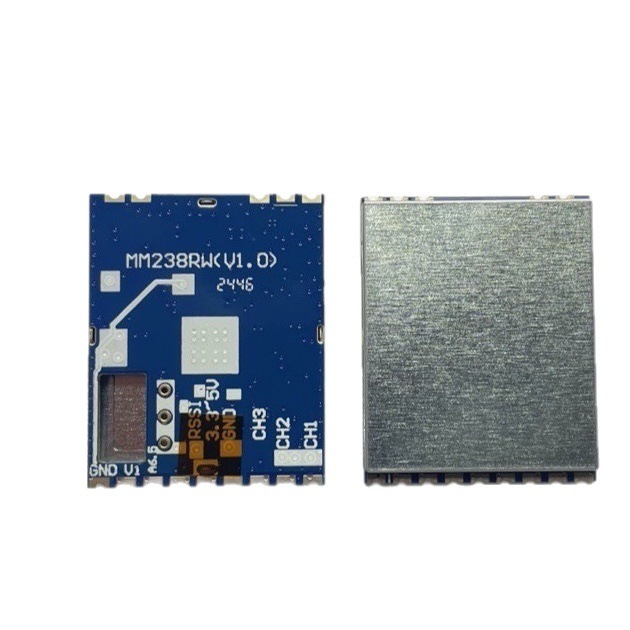
5.8G MM238RW Wireless Audio Video AV Receiver Module, Matched Pair for Transmitter, Low Latency Car Camera
 Zhiyucheng (shenzhen) Technology Co., Ltd.🇨🇳CN3 yrs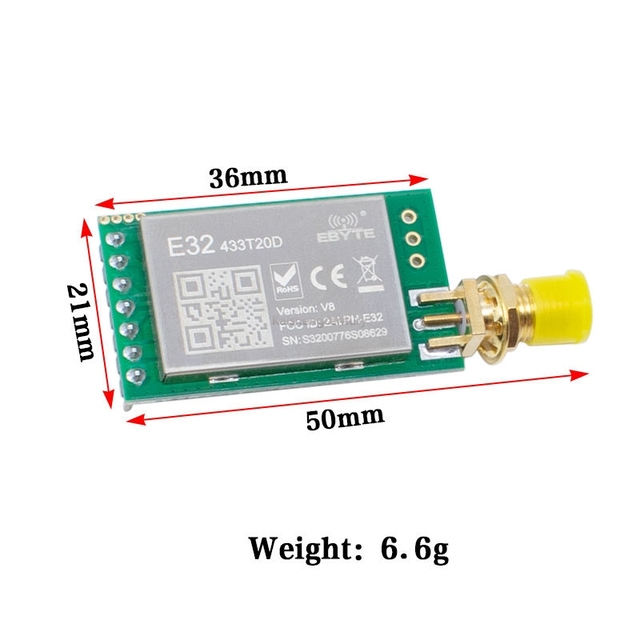
E32-433T20D-V2.0 LoRa 433MHz Wireless RF Module IoT Transceiver CDSENET UART Long Range RF Transmitter Receiver SX1278/SX1276
 Ali Kaisheng Century (shenzhen) Electronics Co., Ltd.🇨🇳CN1 yr
E32-433T20D-V2.0 LoRa 433MHz Wireless RF Module IoT Transceiver CDSENET UART Long Range RF Transmitter Receiver SX1278/SX1276
 Shenzhen Sinapus Technology Co., Ltd.🇨🇳CN3 yrs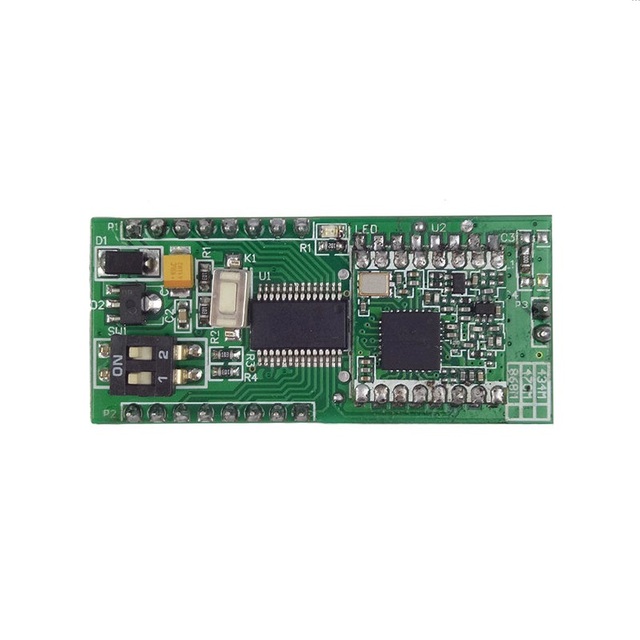
Mini RF Module Learning Code 433MHz 315MHz Wireless Remote Control Switch Low Power Wireless Receiver Module Two-way Rf Module
 Shenzhen Konst Electronic Technology Co., Ltd.🇨🇳CN4 yrs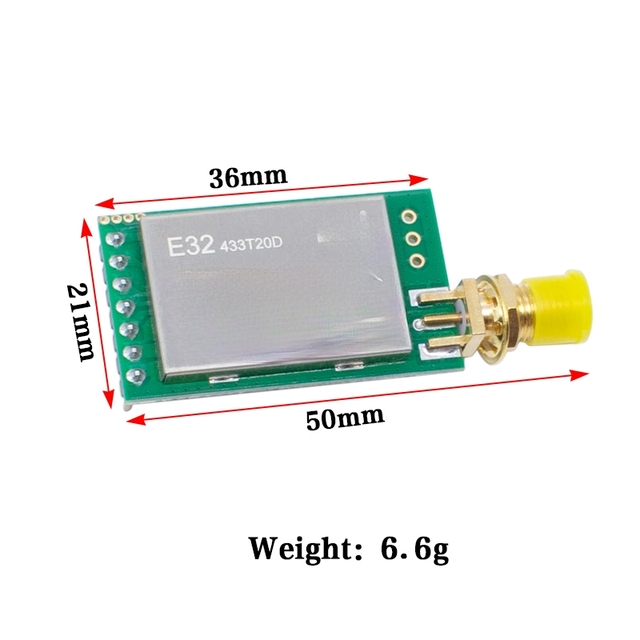
E32-433T20D-V2.0 LoRa 433MHz Wireless RF Module IoT Transceiver CDSENET UART Long Range RF Transmitter Receiver SX1278/SX1276
 Shenzhen Shengdingtong Technology Co., Ltd.verified🇨🇳CN1 yr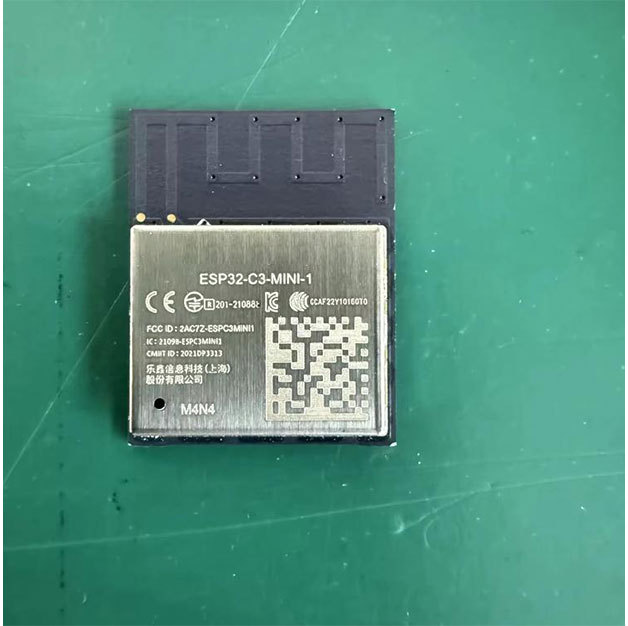
ESP32-C3-MINI-1-N4 ESP32-C3 Original RF Wireless RF Transceiver Modules Modems BT V5.0 Transceiver Module 2.412GHz ~ 2.484GHz
 IC ONLINE CO., LIMITED🇭🇰HK3 yrs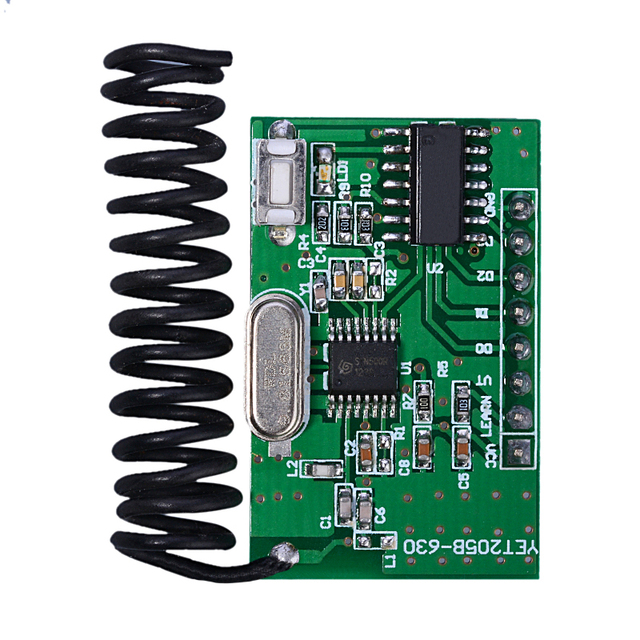
Low-power FSK Dissipation Universal Open Code Remote Receiver Module Small Decoder 433mhz Rf Receiver
 Shenzhen Chuangyao Science & Technology Co.; Ltdverified🇨🇳CN16 yrs
Mini Module High Sensitivity -107dBm 4 Pins ASK Wireless RF Receiver Module Car Modification Lighting Door Lock Remote Control
 Shenzhen Century Aoke Electronics Co., Ltd.🇨🇳CN14 yrs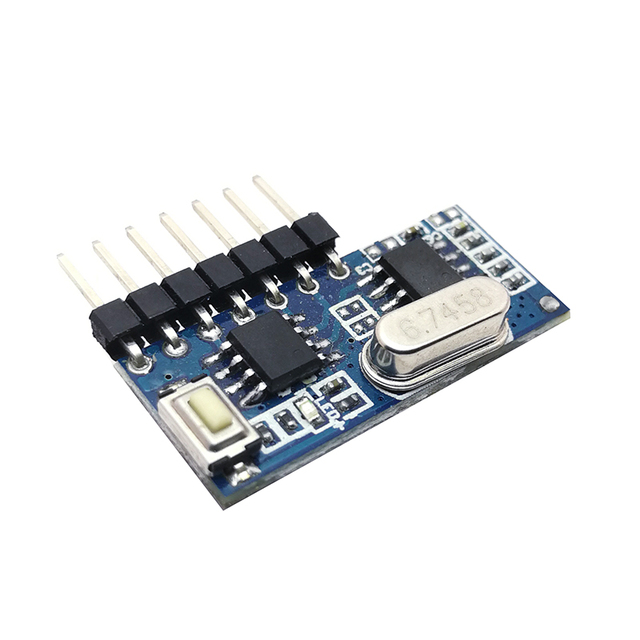
Wifi receiver 433mhz 433RF receiving module 4-channel high-level signal learning decoding receiving circuit board
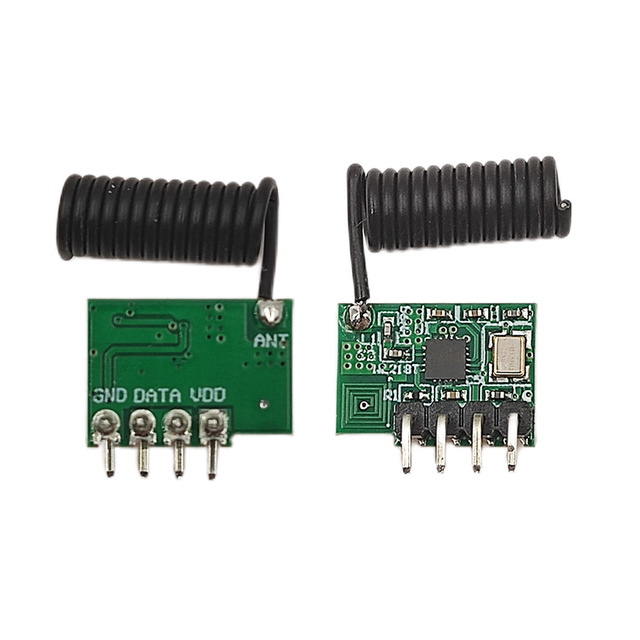
RX218T 315/433MHz RF Wireless Receiver Module - ASK Superheterodyne, Small Size, Low Power Consumption, Anti-Interference
 JEO TECH Co., Ltd.🇨🇳CN3 yrs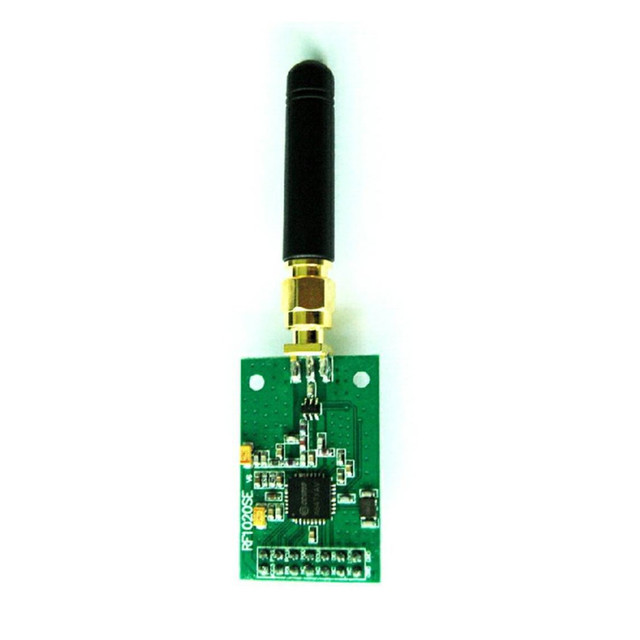
Taidacent Narrowband Low-Power UHF Wireless Data Transmitter and Receiver RF Module 433MHZ Wireless Module CC1020
 Shenzhen Taida Century Technology Co., Ltd.🇨🇳CN14 yrs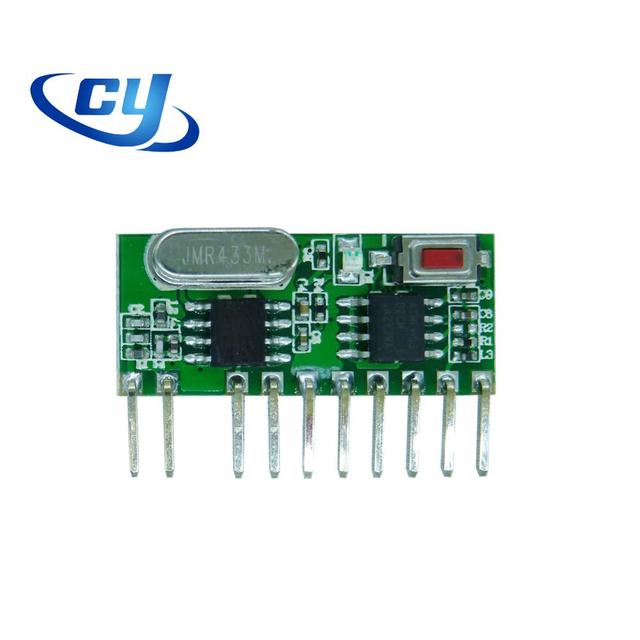
CYRM03 Wireless 433.92 Decode 433mhz Receiver Module Low Power RF
 Shenzhen CY Wireless Technology Limited🇨🇳CN11 yrs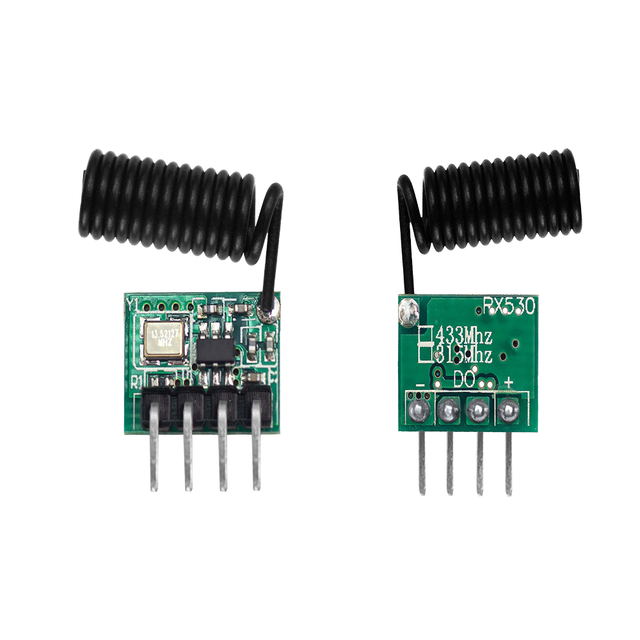
Low Power Consumption 433MHz Wireless RF Remote Control Receiver Module Long Distance Electronic Components
 Shenzhen Huayi Xintong Electronics Co., Ltd.verified🇨🇳CN1 yr
433Mhz Remote Controls RF Transmitter with Wireless Remote Control Switch DC 12V 1 Channel Relay Receiver Module
 Shenzhen Binyueda Electronics Co., Ltd.🇨🇳CN6 yrs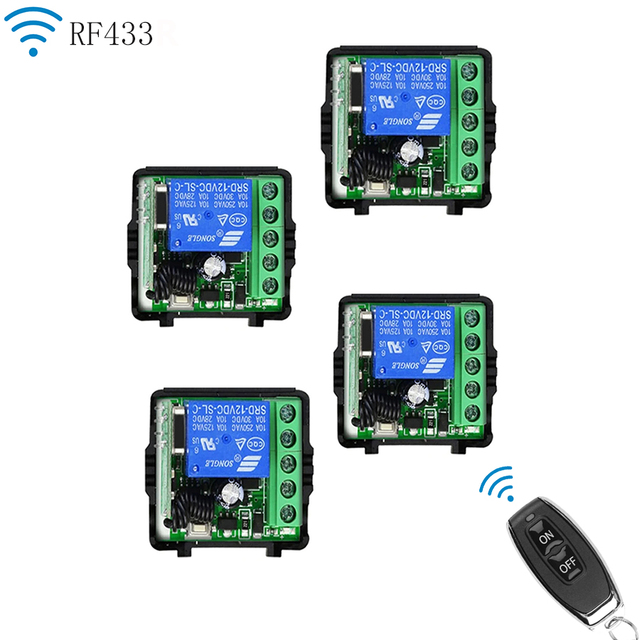
RF Remote Control Switch Receiver Module 433MHz 1 Channel 12V Wireless Relay 10A Current Home Automation Smart Systems 220V
RF Remote Control Switch Receiver Module 433MHz 1 Channel 12V Wireless Relay 10A Current Home Automation Smart Systems 220V
Deep Dive · Full Report
Full Market Report
1 document · Live-fetched from source
Related Searches
Explore more sourcing topics & related categories
Sources & References
27 sources cited · Verified industry data & reports
RF Transmitter and Receiver Market Size, Trends, SWOT, & Forecast 2033
www.verifiedmarketreports.com
U.S. Federal Communications Commission (FCC), over 400 million wireless connections were active in the United States alone in 2026, highlighting the increasing demand for advanced RF components. As 5G deployment expands globally, RF transmitter and receiver modules are expected to see robust integration in both infrastructure and end-user devices. The global RF Transmitter and Receiver Market is driven by several technological advancements, such as miniaturization, improved power efficiency, and integration into System-on-Chip (SoC) solutions. Access detailed insights on the RF Transmitter and Receiver Market, forecasted to rise from USD 5.2 billion in 2024 to USD 9.3 billion by 2033, at a CAGR of 7.5%. The report examines critical market trends, key segments, and growth dynamics. RF Transmitter and Receiver Market size is estimated to be USD 5.2 Billion in 2024 and is expected to reach USD 9.3 Billion by 2033 at a CAGR of 7.5% from 2026 to 2033. The global RF transmitter and receiver domain is witnessing substantial transformation driven by advancements in wireless communication technologies, expanding 5G deployment, and escalating integration in defense, automotive, and IoT applications. The company’s revenue surpassed $100 million in 2026, largely fueled by its robust product portfolio and growing global footprint. PLANET’s commitment to sustainability and intelligent network design continues to solidify its leadership in emerging RF applications worldwide. Nyrius specializes in wireless audio and video transmission products, with RF transmitters and receivers that cater to both consumer electronics and professional-grade AV systems.
Radio Frequency Receivers Market Size, Market Dynamics ...
www.verifiedmarketreports.com
This trend underscores a shift from traditional communication paradigms towards more resilient, high-capacity RF systems, which in turn drives innovation and investment in RF receiver technology. Deployment of 5G infrastructure requiring advanced RF front-end modules capable of supporting higher frequency bands and beamforming techniques. Expansion of IoT ecosystems demanding miniaturized, energy-efficient RF receivers for seamless device connectivity. Continuous innovation in RF front-end componentssuch as low-noise amplifiers (LNAs), mixers, filters, and analog-to-digital converters (ADCs)is a primary driver shaping the RF receiver market. These advancements enable receivers to operate efficiently across broader frequency ranges, improve sensitivity, and reduce power consumption. The integration of these components into compact, multi-band modules supports the miniaturization trend critical for mobile devices, wearables, and embedded systems. The rapid proliferation of 4G/5G smartphones and wireless IoT devices has propelled demand for direct conversion receivers, which can be integrated into highly miniaturized form factors. Challenges include higher susceptibility to local oscillator leakage and phase noise, which can impact signal integrity in high-density environments. Innovations in calibration algorithms, adaptive filtering, and integrated RF front-end modules are expected to mitigate these issues, fostering further adoption. The telecommunications sector remains the largest end-user of RF receivers, driven by the relentless expansion of wireless networks, including 4G, 5G, and upcoming 6G standards. RF receivers in this domain facilitate signal reception in base stations, user equipment, and network infrastructure, underpinning the high data throughput and low latency requirements of modern communication systems. The deployment of massive MIMO and beamforming technologies necessitates advanced RF front-ends capable of handling wide frequency bands with high linearity and minimal interference.
RF Receivers Market Growth Forecast to 2035: 5G, Iot, and Defense ...
www.indexbox.io
According to the latest IndexBox report on the global RF Receivers market, the market enters 2026 with broader demand fundamentals, more disciplined procurement behavior, and a more regionally diversified supply architecture. The world RF receivers market is entering a sustained growth phase, with demand projected to accelerate through 2035 as wireless connectivity deepens across telecommunications, automotive, industrial, and defense sectors. The baseline scenario for the RF receivers market from 2026 to 2035 assumes steady global economic growth, continued investment in 5G/6G infrastructure, and increasing electronic content per vehicle and per industrial machine. Under this scenario, the market is projected to expand at a CAGR of 6.8%, reaching an index value of 190 by 2035 relative to 2025. In the baseline scenario, IndexBox estimates a 6.8% compound annual growth rate for the global rf receivers market over 2026-2035, bringing the market index to roughly 190 by 2035 (2025=100). Smart grid applications require receivers for advanced metering infrastructure (AMI), distribution automation, and demand response systems, with utilities deploying millions of wireless endpoints. Precision agriculture uses RF receivers in soil sensors, drone-based crop monitoring, and livestock tracking, particularly in North America and Europe. Demand-side indicators include global industrial automation spending (projected to exceed $300 billion by 2030), smart meter installations (expected to reach 2 billion by 2035), and government funding for digital infrastructure. The trend toward edge computing and AI at the sensor node is driving demand for receivers with integrated processing capabilities, enabling local decision-making without cloud dependency.
Radio Frequency (RF) Modules Market: Global Analysis ...
www.linkedin.com
RF Receivers Market in the United States | Report - IndexBox - ...
www.indexbox.io
The United States RF receivers market is a mature component market that maintains steady expansion driven by technology refresh cycles and new application adoption. From a 2026 base, industry demand (measured in units of receiver channels or modules) is estimated to grow at a compound annual rate of 5–7% through 2035, with revenue growth likely tracking slightly higher owing to a mix shift toward premium‑specification devices. For industrial process‑control receivers used in food/feed ingredient and specialty chemicals facilities, adherence to ISO 14001 and safety standards for hazardous locations (UL, CSA) is required, but no unique RF‑specific certification beyond FCC Part 15 is mandated. Import documentation requires a prior DDTC license for ITAR‑listed receivers, while EAR‑classified receivers can use a License Exception CIV for civil end uses. Between 2026 and 2035, the United States RF receiver market is expected to sustain a compound annual growth rate in the 5–7% range in unit terms, with value growth slightly higher due to the ongoing shift toward high‑purity and specialty grades. The defense segment grows at a more modest 3–4% CAGR, constrained by multi‑year platform cycles and budget ceilings, while the commercial telecom and industrial IoT segments expand at 8–10% CAGR. Satellite communications, including LEO constellations, is the highest‑growth vertical within the non‑defense space, potentially doubling its share of total RF receiver demand between 2026 and 2035. Executive Summary & Market Overview Key findings, market size, trends, historical snapshot 2007–2025, forecast highlights 2026–2035, trade balance summary $149
Radio Frequency Receivers Market Analysis 2026, Market Size, Share, ...
www.cognitivemarketresearch.com
Radio Frequency Receivers Market Analysis size 2021 was recorded $10579.9 Million whereas by the end of 2025 it will reach $13610.7 Million. According to the author, by 2033 Radio Frequency Receivers market size will become $22525.7. Radio Frequency Receivers market will be growing at a CAGR of 6.5% during 2025 to 2033. The proliferation of smart devices, connected vehicles, and industrial automation necessitates more sophisticated, efficient, and compact RF receivers. Asia Pacific currently dominates the market, fueled by its massive manufacturing base and rapid technological adoption. Key trends shaping the industry include the miniaturization of components, the integration of multiple functions into System-on-Chip (SoC) solutions, and the shift towards higher frequency bands to support next-generation wireless communication standards. A pivotal technological trend is the increasing adoption of Software-Defined Radio (SDR) and System-on-Chip (SoC) architectures, enabling greater flexibility, reduced size, and lower power consumption for a wide range of applications. The Radio Frequency (RF) Receivers market is a critical component of the global wireless communication landscape. This trend requires the development of new RF receiver technologies capable of operating effectively and efficiently at these frequencies. Rise of Software-Defined Radio (SDR): SDR technology is gaining traction as it allows the functionality of the receiver to be modified or reconfigured through software. This provides immense flexibility, enabling a single hardware platform to support multiple wireless standards and frequency bands, reducing development costs and future-proofing devices.