Rgb Mini Led

Overview
Product sourcing insights & recommendations


The RGB Mini-LED market in 2026 is reaching a critical inflection point, evolving from a standard backlighting solution into a premium "OLED-challenger" technology. Flagship consumer electronics, particularly 85-inch and 98-inch TVs, are shifting from blue LEDs with quantum dots to native RGB Mini-LED backlighting, enabling peak brightness levels exceeding 5,000 to 10,000 nits and superior color purity RtingsCounterpointresearch.
Key Market Trends & Insights
* The "OLED Battleground": RGB Mini-LED is being positioned as a "bridge" to Micro-LED, offering similar contrast and color depth at a significantly lower mass-production cost. It is increasingly favored for ultra-large displays where OLED remains prohibitively expensive CounterpointresearchUbiresearchnet.
* Technological Shift: The transition to direct RGB chips (Red, Green, Blue) eliminates the need for color filters, improving energy efficiency by approximately 15-20% compared to traditional Mini-LED designs CounterpointresearchInforma.
* Expanding Verticals: Beyond high-end TVs, the technology is gaining momentum in automotive displays (transparent HUDs) and medical monitors requiring hyper-accurate color reproduction InformaInforma.
* Brand Strategies: Samsung and Hisense are leading the "brightness race," while TCL leverages vertical integration to drive down costs for mass-market 4K/8K panels UbiresearchnetUbiresearchnet.
Product & Sourcing Landscape
The sourcing market currently offers high-resolution RGB Mini-LED matrix modules (pitch as low as P0.6) and specialized backlight components for customizable display systems. Prices for basic matrix modules range from $3.00 to $12.00, while advanced Micro-LED-ready panels with redundant power can reach $288+ per unit.
Rgb Mini Led Display Module 2026
Products · 3 lists
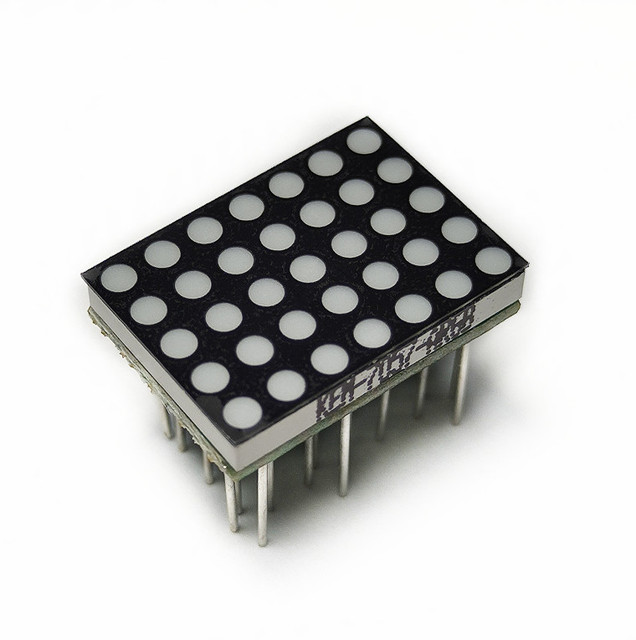
Rgb Mini Size Led matrix Display 1.9mm Dot 5x7 Led matrix Tri-color Red Green Blue Led matrix Panel
 Dongguan Houke Electronic Co., Ltd.verified🇨🇳CN18 yrs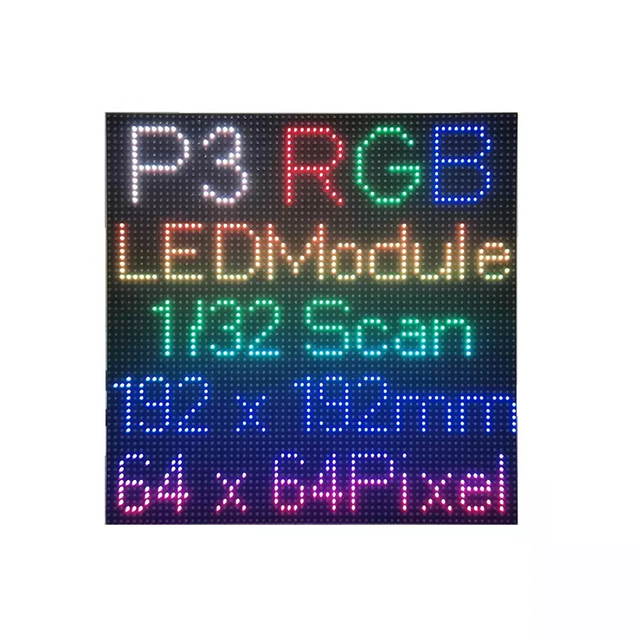
ASLLED P3 Indoor RGB SMD LED Matrix 192x192mm 64x64 Pixels High Resolution Led Screen Module Board 3-Year Warranty Led Sign
 Shenzhen Aslled Technology Co., Ltd.verified🇨🇳CN10 yrs
Deep Dive · Full Report
Full Market Report
1 document · Live-fetched from source
Related Searches
Explore more sourcing topics & related categories
Sources & References
23 sources cited · Verified industry data & reports
2026 TV Lineup: The Year Of RGB Mini LED
RTINGS.com
Hisense unveiled most of their 2026 U.S. lineup at CES 2026. Their high-end lineup mostly consists of RGB Mini LED models, including the UR9S ...
Mini-LED Display Market Size, Share & 2031 Trends Report
Mordor Intelligence
The Mini-LED Display Market worth USD 0.74 billion in 2026 is growing at a CAGR of 27.20% to reach USD 2.47 billion by 2031.

CES 2026: RGB MiniLED New Battleground for Premium TV
Counterpoint Research
Hisense pledged to introduce RGB MiniLED in 2026 in “More Sizes, More Price Points, More Homes”, with an emphasis on affordability in addition ...

CES 2026 RGB Mini LED Evolution: Strategies of Samsung ...
UBIResearchNet
Analysis of RGB Mini LED trends at CES 2026. Explore how Samsung, LG, Hisense, and TCL are redefining premium TVs with Micro RGB and ...

Consumer Electronics Mini LED Market Size, Share Report ...
Market Research Future
The Consumer Electronics Mini LED Market is witnessing a notable increase in the adoption of Mini LED technology in high-end display products.

Mini LED Market Size, Trends, 2026-2033 Forecast, ...
LinkedIn · Lexentw Group
Mini LED Market size was valued at USD 5.2 Billion in 2024 and is poised to grow from USD 5.8 Billion in 2025 to USD 14.3 Billion by 2033, ...