Samsung Anycall Mobile

Overview
Product sourcing insights & recommendations


The phrase "Samsung Anycall" represents one of the most significant chapters in mobile history, serving as Samsung’s flagship brand in South Korea and Greater China from 1993 until 2011 WikipediaGsmarena. Originally established to combat Motorola's dominance in Korea, Anycall became a cultural icon known for high-quality engineering and high-profile celebrity endorsements Wikipedia.
1. Product Heritage and Evolution
* Brand Dominance: By 1995, Anycall became the top mobile brand in Korea, a position it held until its retirement in favor of the global Samsung Galaxy brand WikipediaBiggo.
* Iconic Models: Key historical devices included the SGH-E700 (sleek clamshell) and SGH-T100 (rounded "smile" phone), which paved the way for Samsung’s modern design language .
* Regional Specifics: In China and Korea, the Anycall logo was often displayed on hardware (like the early Galaxy S1) to distinguish regional models from international versions Reddit.
2. Current Market Trends (2024–2026)
The market is currently experiencing a "Newtro" (New + Retro) resurgence, where Anycall’s legacy is being leveraged for nostalgia marketing:
* Retro Accessories: Samsung has released limited-edition Galaxy Buds cases that replicate the look of classic Anycall flip phones (SGH-E700 and SGH-T100) Reddit. These are highly sought after by collectors for their "phone for your phone" aesthetic.
* Nostalgia Marketing: Tech giants are increasingly using their "Origin DNA" to build trust. Samsung has referenced its 1995 quality-control milestones to reassure users about the durability of new categories like foldables and smart glasses Biggo.
* "Dumbphone" Trend: There is a growing consumer segment in 2026 seeking a "digital detox," leading to a rise in modern feature phones with physical keypads and 5G connectivity that mimic the Anycall-era simplicity .
3. Strategic Insights for 2026
* Gen Z Demand: Younger consumers are driving the demand for Y2K-era aesthetics, including translucent plastics and tactile physical buttons .
* Form Factor Shifts: By 2026, new foldables are expected to adopt 4:3 aspect ratios ("passport-style"), echoing the ergonomic preferences of the early 2000s Biggo.
* Emotional Anchoring: In an age of AI, "comfort tech"—devices that feel familiar and tactile—is becoming a key differentiator for brands looking to maintain consumer loyalty .
Based on these insights, you can continue with:
Samsung Galaxy Buds Retro Phone Case Accessory
Products · 3 lists
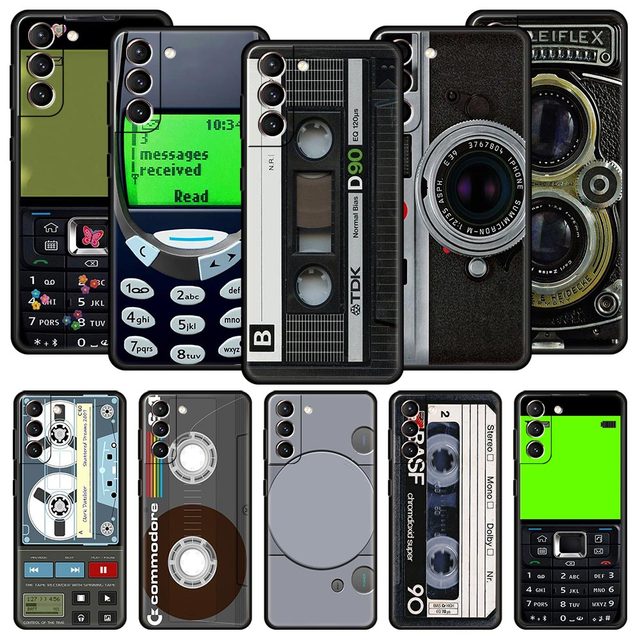
Vintage Cassette Tape Retro Style Phone Case For Samsung Galaxy S24 S23 S22 S20 Ultra S21 FE 5G S10 S9 Plus S10E S8 20 Cover
 Shenzhen Anderason Technology Co., Ltd.🇨🇳CN7 yrs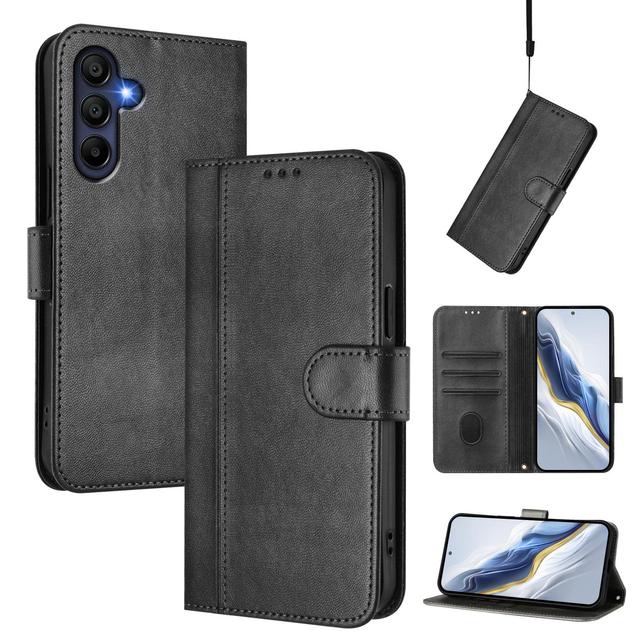
Line Splicing Buckle Retro Leather Phone Case for Samsung Galaxy A17 5G
 Shenzhen Wbtd Technology Co., Ltd.🇨🇳CN6 yrs
Factory Custom Retro Flip Leather Zipper Pocket Card Slots Phone Case Wallet For Samsung Galaxy Z Fold 4 5 6
 Shenzhen Arrebol Technology Co., Ltd.🇨🇳CN9 yrs
Related Searches
Explore more sourcing topics & related categories
Sources & References
60 sources cited · Verified industry data & reports
Anycall
Wikipedia
Anycall (Korean: 애니콜 ) was a South Korean mobile phone brand established by Samsung Electronics in 1993. It was once the most popular mobile phone brand ...
Samsung W880 AMOLED 12M - User opinions and reviews
GSMArena.com
"Anycall is a South Korean mobile phone brand established by Samsung Electronics in 1993. Like other mobile phone brands in South Korea, they provide technology ...

Is this phone rare? (Samsung Anycall Galaxy s1)
Reddit · r/vintagemobilephones
its only sold in korea and china. Anycall is Samsung phones only. This is not THAT rare, it's just a Galaxy S for SK Telecom. pretty rare ...

Heritage | Brand Identity | About Us
Samsung
What we began in 1969 has evolved and expanded through the decades. In the 1990s, we the world's first 64M DRAM, digital TV, MP3 phone and more.
Samsung Electronics
Wikipedia
Samsung is best known for the Samsung Galaxy brand, including the flagship Galaxy S series, mid-range Galaxy A series, budget Galaxy M series, and foldable ...
Samsung P860 - User opinions and reviews - page 2
GSMArena.com
Anycall has been pushing for that since 2005 and its being released all over the world especially europe and asia