Sata 6.0gbps

Overview
Product sourcing insights & recommendations
I have completed the market analysis for the SATA 6.0Gbps interface, covering its transition to legacy status, pricing shifts, and adoption forecasts through 2026.
The research highlights a significant market pivot: while SATA remains a value leader for legacy upgrades and high-capacity HDD storage, its overall market share is projected to drop below 10% by 2026 as NVMe dominates high-performance and enterprise sectors. The accompanying report provides detailed insights into cost-per-GB trends, B2B sourcing data, and strategic recommendations for infrastructure planning.
Representative products currently available in the B2B market include:
Here is the report on SATA 6.0Gbps trends. You can also explore:
Sata 6.0gbps Internal Hdd 3.5 Inch Wholesale
Products · 2 lists
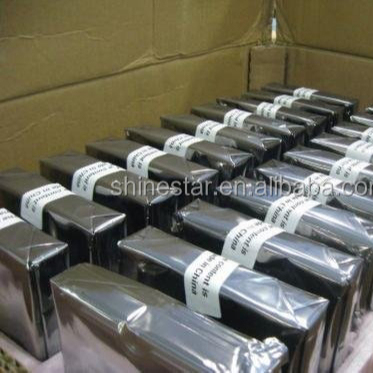
3.5" Inch Internal Hard Disk Drive SATA 2TB 4TB 6TB 8TB for CCTV
 Shenzhen Wang Xin Yuan Electronic Technology Co., Ltd.verified🇨🇳CN17 yrs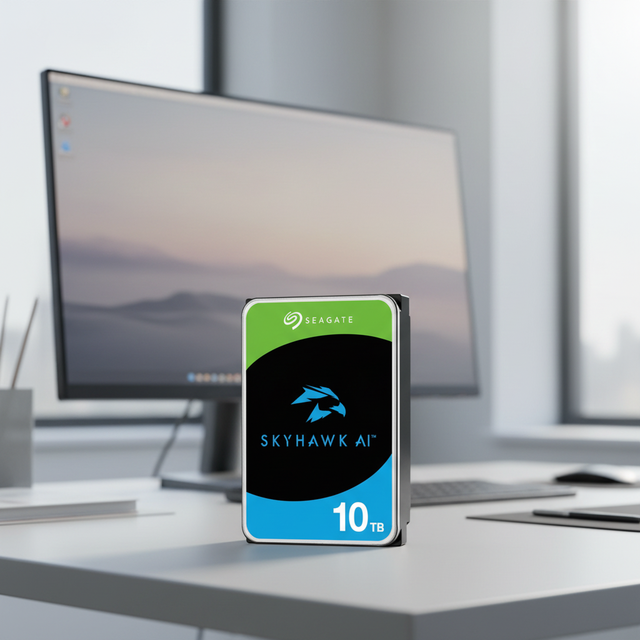
ST1000VE008 10 TB Hard Drive - 3.5-inch Internal SATA HDD
 Wuhan Xinqidian Technology Group Co., Ltd.verified🇨🇳CN4 yrs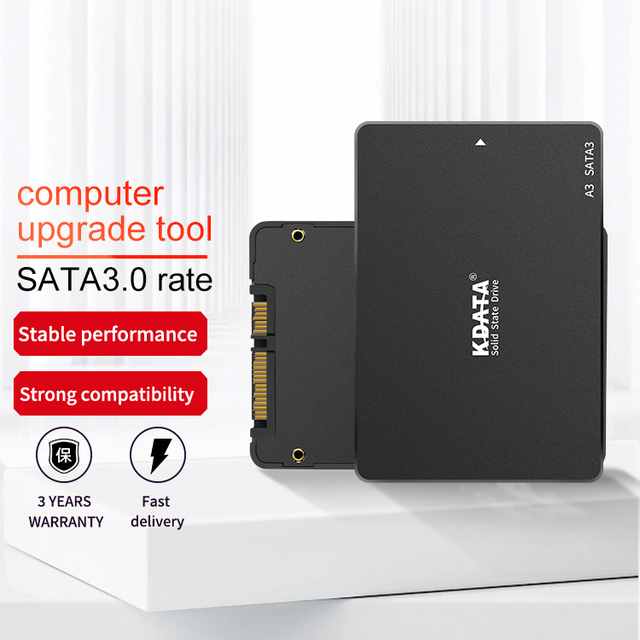
Wholesale SATA 3 2.5 Inch Internal Ssd Hard Drive 120 128 256 512gb 8tb Ssd Sata
 Shenzhen Jintian Tech Development Co., Ltd.verified🇨🇳CN18 yrs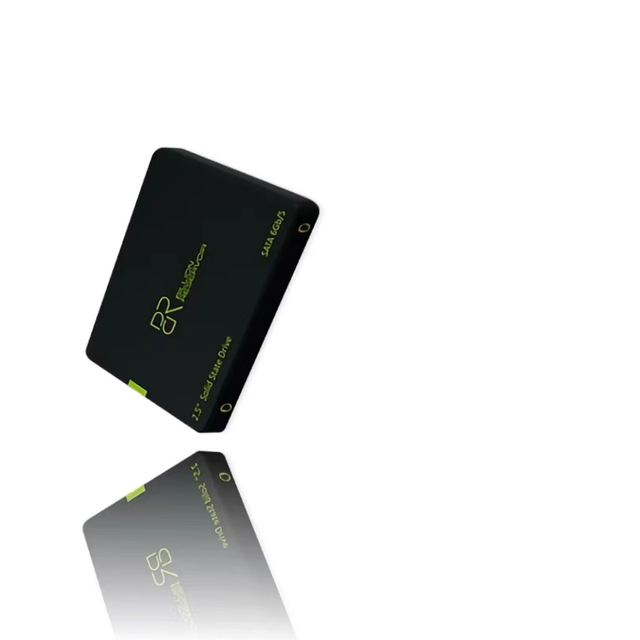
New 2.5 Inch SATA 3 Internal Solid State Disk Hard Drive 2TB 4TB SSD Disk for Laptop Desktop PC 1TB Capacity SATA III SATA 3.0
 Boluo Xurong Electronics Co., Ltd.verified🇨🇳CN5 yrs
Deep Dive · Full Report
Full Market Report
1 document · Live-fetched from source
Related Searches
Explore more sourcing topics & related categories
Sources & References
26 sources cited · Verified industry data & reports
Solid State Drive (SSD) Market Size and Analysis, 2026-2033
www.coherentmarketinsights.com
The price analysis of the Solid State Drive (SSD) market shows a significant downward trend in average selling prices (ASPs), mainly due to advancements in NAND flash production, increased yield from 3D NAND (especially 96-layer and 128-layer), and intensified competition. As of 2024, the average price of consumer-grade SATA SSDs has dropped to $0.06–$0.08 per GB, down from around $0.10 per GB in 2022. One of the clearest indicators of this shift is the aggressive adoption of NVMe (Non-Volatile Memory Express) protocol-based SSDs across hyperscale data centers. According to IDC, over 80% of enterprise SSDs shipped in 2024 used NVMe rather than legacy SATA or SAS interfaces—up from just 36% in 2020. In September 2024, Samsung Electronics unveiled its 990 EVO Plus SSD, delivering PCIe 4.0 x4 / Gen 5 x2 NVMe 2.0 performance with sequential read/write speeds of up to 7,250 MB/s and 6,300 MB/s, representing a ~50% speed uplift over the previous 990 EVO model. For instance, in October 2024, Lexar unveiled the Professional Go Portable SSD with Hub, a sleek, ultra‑compact external storage solution aimed at mobile creators.
Solid State Drive Market Size, Share, Industry Analysis 2034
www.fortunebusinessinsights.com
Additionally, the region benefits from a well-established infrastructure for technology adoption, along with a large consumer base with high demand for SSDs across various sectors such as enterprise, consumer electronics, and data centers. The U.S. market is projected to reach USD 6.08 billion by 2026. For instance, In February 2024, Seagate Technology Inc., a mass-capacity storage solutions provider, unveiled its new e-commerce platform in the U.S. Using its BiCS8 QLC NAND technology, the drive is built for cloud and enterprise customers that need very high capacity with lower power use. Shipments are expected to begin in 2026 · November 2024: Micron Technology introduced the 6550 ION, a 60 TB solid-state drive designed for data centers. The global solid state drive market size was valued at USD 21.41 billion in 2025 and is projected to grow from USD 25.84 billion in 2026 to USD 111.29 billion by 2034, exhibiting a CAGR of 20.00% during the forecast period. Based on interface type, the market is divided into Serial ATA (SATA), Serial Attached SCSI (SAS), and others. Among them, the Serial ATA (SATA) segment is anticipated to hold a dominant market share of 58.81% in 2026 due to its longstanding presence and widespread adoption across laptops, desktops, and servers.
Solid State Drive Market Growth, Trends, and Forecasts: 2026 and ...
en.unibetter-ic.com
By Interface: The three primary interface categories — SATA, NVMe, and PCIe — serve distinctly different roles. PCIe-based NVMe drives have emerged as the dominant force, holding over 62% of the interface market share in 2025 and continuing to expand as legacy SATA retires from performance-critical environments. SATA remains relevant in cost-sensitive and retrofit applications where compatibility with older hardware matters, but its addressable market is shrinking.
Solid State Drive Market Size, Share & Trends, 2026-2035
www.snsinsider.com
The SATA SSD was the dominant type, having 46.6% market share in 2025, due to the relative low cost of the interface and its compatibility with existing hardware systems, which makes it the preferred choice among consumers and businesses looking to upgrade old systems due to cost savings. By Interface, the SATA segment dominated the solid state drive market with a 46.6% revenue share in 2025, while the PCIe segment is the fastest growing.
HDD Prices Trend Over Time: 2026 Market Analysis & Forecast
www.accio.com
Capacity Shipments: HDD capacity shipments are estimated to increase by 34% from 2024 to 2025, reaching approximately 1.79 Zettabytes (ZB) 6. Cost Advantage: HDDs continue to offer a significant cost benefit over enterprise SSDs, with Seagate achieving USD 15 per terabyte in 2024, maintaining a 2.5x cost advantage 27. Original 16TB Internal Hard Disk Drive HDD With SATA 3 0 6Gb... 22TB Internal Hard Drives For Server Enterprise HDD SATA 6Gb...
Hard Disk Drive (HDD) Market Intelligence Report 2026-2031 - 3.5-Inch ...
www.globenewswire.com
Despite SATA's extensive installed base, SAS and NVMe interfaces are gaining traction for higher bandwidth applications. With three suppliers dominating, market disruptions due to trade issues or natural disasters can rapidly impact supply chains. ... Hyperscale and Cloud Storage Demand Increase: The hyperscale data-center count reached 1,136 by the end of 2024 and is expected to triple by 2030 with AI accelerators redefining computing needs. Cost/TB Competitiveness Over SSDs: Seagate achieved USD 15 per terabyte in 2024, maintaining a 2.5 cost benefit over enterprise SSDs. HDD's affordability and efficiency in cold-data tiers against the growing SSD options indicate continued market favorability. Western Digital forecasts a 23% growth in HDD exabyte shipments from 2024 to 2028 due to HAMR-driven density improvements.