Scrap Computer Parts

Overview
Product sourcing insights & recommendations


The global scrap computer parts and e-waste recycling market is undergoing a significant transformation in 2026, shifting from informal disposal to highly automated, "urban mining" ecosystems CoherentmarketinsightsEridirect. The market is projected to reach approximately $37.56 billion this year, driven by rising demand for rare earth minerals and precious metals like gold, palladium, and copper CoherentmarketinsightsMarketresearchfuture.
Market Trends & Insights (2026)
* AI-Powered "Urban Mining": Modern recycling plants are now using AI-driven robotic disassembly to identify and extract high-value components (e.g., semiconductors and memory chips) at scales previously impossible CoherentmarketinsightsEridirect.
* Supply Chain Resilience: With 70% of rare earth minerals currently controlled by single regions, 2026 has seen a surge in "circular life logs" using blockchain to verify the domestic recovery of materials like Cobalt and Lithium CoherentmarketinsightsEridirect.
* Regulatory Pressure: Stricter "Right to Repair" laws and mandatory manufacturer-funded end-of-life programs are now active across multiple major markets, increasing the availability of refurbished components CoherentmarketinsightsEridirect.
* High-Value Segments: Circuit boards remain the most profitable segment due to their gold and copper content MarketresearchfutureCoherentmarketinsights. The commercial sector (data centers and offices) provides the largest source of high-quality scrap Coherentmarketinsights.
Sourcing & Product Analysis
Current B2B listings reflect a focus on gold recovery scrap and bulk motherboard inventory. Commercial sources dominate the market share, providing a steady influx of retired IT assets Coherentmarketinsights.
* Gold Recovery Scrap: High-yield CPU and IC chip scrap are currently sourced in bulk for precious metal extraction .
* Refurbishment Stocks: Bulk motherboards and "dead stock" components are being traded for parts recovery or secondary manufacturing .
E Waste Scrap Computer Components For Gold Recovery
Products · 2 lists
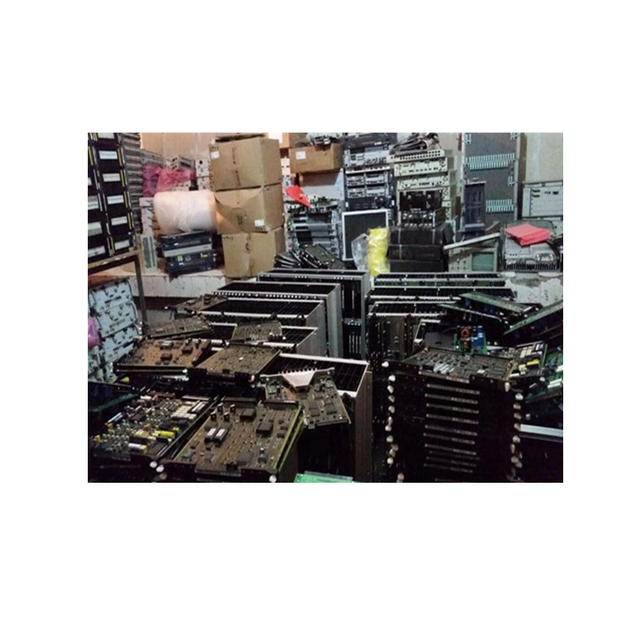
ic chips gold recovery scrap computers recycling of electronic dead stock
 Shanghai Fujian International Groupverified🇨🇳CN7 yrs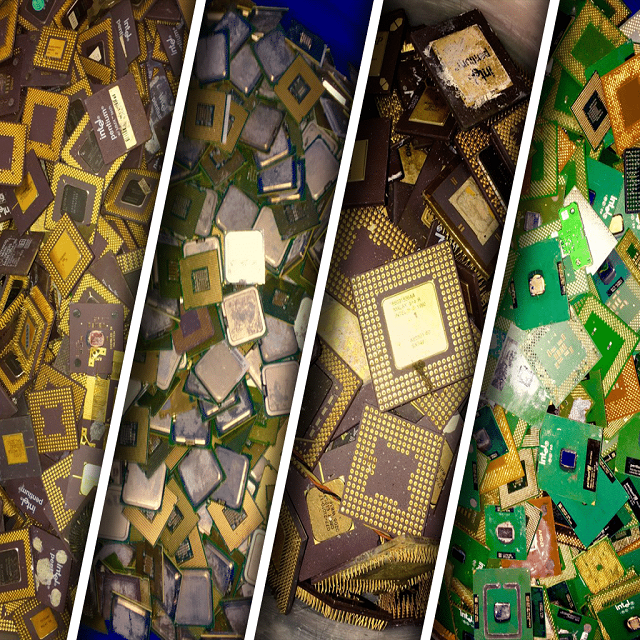
Gold Recovery CPU Processor Scrap Ceramic Type Available in Big Stock for Sale at Cheap Factory Wholesale Price
 Yunnan Shanghai Industries Co., Ltd.🇨🇳CN1 yr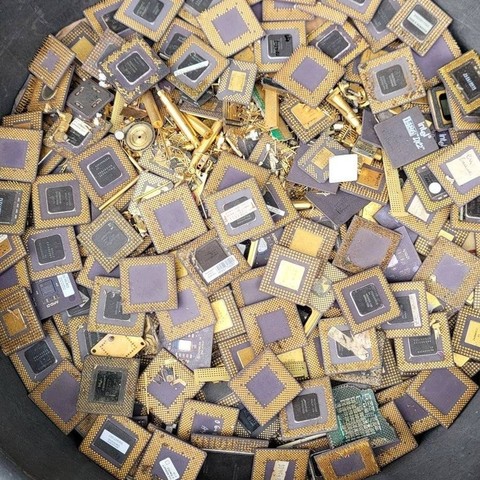
Scrap Computer Parts Pick #3 (248346)
Related Searches
Explore more sourcing topics & related categories
Sources & References
23 sources cited · Verified industry data & reports
Global Computer Hardware Market Report 2026
The Business Research Company
The computer hardware market size has grown strongly in recent years. It will grow from $740.54 billion in 2025 to $779.34 billion in 2026 at a compound annual ...
2026 Global Hardware and Consumer Tech Industry Outlook
Deloitte
The 2026 hardware and consumer technology industry outlook is in: AI is reigniting hardware growth, redefining data centers, and reshaping ...

Electronic Scrap Recycling Market Size and Forecast
Coherent Market Insights
Electronic Scrap Recycling Market is estimated to be valued at USD 37.56 Bn in 2026 and is expected to expand at CAGR of 7.5%, reaching USD 62.31 Bn by ...

rising memory prices pile more strain on consumer PC ...
Reddit · r/hardware
Memory is on track to account for 23% of a PC's total bill of materials in 2026, up from 16% last year. Entry-level PC market to 'disappear' by ...

PC Market Size, Growth Trends & Industry Analysis, 2031
Mordor Intelligence
The PC Market size was valued at USD 222.64 billion in 2025 and estimated to grow from USD 242.63 billion in 2026 to reach USD 372.68 billion by ...

Global Memory Shortage Crisis: Market Analysis and the ...
International Data Corporation
A global memory shortage is reshaping smartphone and PC markets for 2026. Rising DRAM and NAND costs threaten pricing, specs, and growth ...