Sim Server Price

Overview
Product sourcing insights & recommendations


The market for SIM servers and SIM banks in 2026 is characterized by a rapid shift from physical hardware management to cloud-native virtualization and eSIM integration. While legacy hardware remains a staple for VoIP termination, rising component costs and the maturity of "SIM-as-a-Service" are redefining pricing dynamics.
1. Product Pricing Benchmarks
Pricing for SIM servers depends heavily on "port" or "slot" capacity and the inclusion of management software.
* Physical SIM Banks (Hardware Only):
* 128-Port Units: Standard models from brands like Dinstar or GoIP retail between $1,050 and $2,900 Made-In-ChinaDiscoverytelecom. High-end retail packages with advanced software integration can reach $3,700+ Myipgear.
* 256-Port Units: Mid-tier wholesale prices for 256-slot "SIM pools" (e.g., Skyline) typically range from $1,900 to $2,400 GoldsupplierTradewheel.
* Industrial Mobile Farms: Specialized "phone farms" for social media or app management are priced around $800–$850 for 20-port setups Alibaba.
* Cloud & Virtual SIM Servers (Software/Service):
* Enterprise SaaS: Virtual SIM market players increasingly offer subscription-based management, moving away from large capital expenditures Persistencemarketresearch.
* Computing Infrastructure: Standard virtualization servers for hosting "SIM Cloud" software range from $350 to $1,100 depending on AI inference and processing needs Alibaba.
2. Market Trends & Insights (2026)
The global virtualized SIM market is projected to reach $24.5 billion by 2035, with 2026 serving as a critical year for technology transitions Sphericalinsights.
* Hardware Inflation: In 2026, major server vendors (Dell, Lenovo) have increased hardware prices by 10–20%, with server memory (DRAM) surging by up to 60–70% Reddit. This has kept physical SIM bank prices relatively stagnant or rising, despite technological maturity.
* The Rise of vSIM & eSIM: There is a structural shift toward eSIM Remote Provisioning (RSP). By 2026, "SIM servers" are increasingly digital software layers that provision profiles to devices without requiring a physical card bank Trustedconnectivityalliance.
* AI-Optimized Routing: Modern SIM servers now incorporate AI to automatically switch between carriers in real-time to minimize roaming costs or bypass network congestion, a key demand for global IoT deployments Sphericalinsights.
* IoT & M2M Growth: The demand for SIM servers is heavily driven by the IoT explosion, where centralized management of thousands of global connections is required for efficiency and security Persistencemarketresearch.
3. Key Cost Drivers
* Software Licensing: Many suppliers now offer "Free SIM Server" software for basic management but charge significant premiums (up to $10,000+) for "Ultimate" packages that include anti-fraud and bulk SMS automation tools AlibabaGoantifraud.
* Modular Scalability: The market is moving toward stackable, modular units that allow smaller enterprises to enter the market with 32-port units before scaling to 512+ slots as needed.
Based on these findings, you might want to:
Sim Bank 128 Ports Sim Server
Products · 4 lists
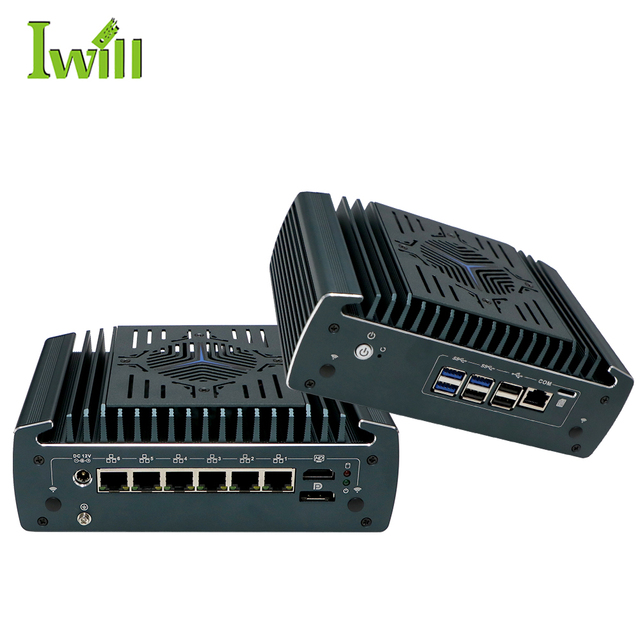
Hot Sale in Tel Core I5 1235U Ten Core Pfsense Win Linux Firewall Mini Pc DDR4 6 2.5G LAN DP HD DC 12V SIM Server Network Box
 Shenzhen Iwill Technology Co., Ltd.verified🇨🇳CN21 yrs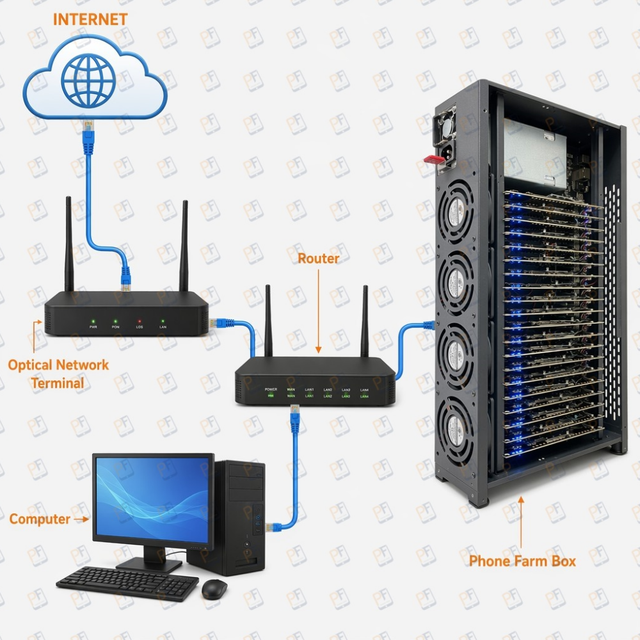
Android Mobile Phone Farm Server Box 4G SIM Slot High Density 10 Port Industrial Cooling Bulk Wholesale For Samsung S8+ S9+
 Shenzhen HoweVision Technology Co., Ltdverified🇨🇳CN2 yrs
20 Ports Mobile Phone Farm Rack OPPO Reno5 Pro Original Mainboard 128MB RAM 128GB ROM Sim Card Slot Batch Control Box Social
 Shandong Xingluo Matrix Electronic Technology Co., Ltd.🇨🇳CN1 yr
Related Searches
Explore more sourcing topics & related categories
Sources & References
51 sources cited · Verified industry data & reports
SIM Cards Market Size, Trends & Forecast To 2035
Business Research Insights
The global SIM Cards Market is estimated to be valued at USD 4.6 Billion in 2026. The market is projected to reach USD 5.67 Billion by 2035, ...
Sim Racing GPU Prices Jump 40% as RTX 50 Surges [2026]
shattered.io
Sim racing GPU prices rose sharply in H2 2026: RTX 5060/5070 jumped 27-40% while AMD RX 9000 held steady. What to buy now.

Buying Servers in 2026 is Tough but Here Are Our Buyer's ...
ServeTheHome
We go into our 2026 Server Buyer's Guide with tips on navigating a tough year in server pricing trends and provide ideas on coming out ahead.

Server Prices in 2026: Key Trends, Risks, and What to Do
Reddit · r/hostkey
Major vendors like Dell and Lenovo have already raised prices by 10–20%, while server memory (DRAM) surged by up to 60–70%. GPU-based systems ...

Virtual Private Server Market Forecast 2026 - 2033
Persistence Market Research
The global virtual private server market is projected to grow from US$5.8 billion in 2026 to US$16.6 billion by 2033, at a CAGR of 16.3%.

Servers Market Size, Trends, 2026-2033 Forecast, and ...
LinkedIn · Viroexo Group
Market size was valued at USD 125 Billion in 2024 and is poised to grow from USD 130 Billion in 2025 to USD 220 Billion by 2033, ...