Simulator Glasses For Games

Overview
Product sourcing insights & recommendations


The phrase "simulator glasses for games" corresponds to a rapidly maturing product sector in 2026: Gaming XR (Extended Reality) / AR (Augmented Reality) Smart Glasses IdcResearchandmarkets. Driven by the demand for massive, portable screen simulation without the isolation or bulk of traditional VR headsets, this product category has officially crossed into mainstream commercial viability IdcViture.
Market Trends & Growth
* The Mainstream Transition: Smart glasses are seeing unprecedented growth. In early 2026, display-less smart glasses experienced a 167% year-over-year surge, while display-embedded eyewear grew by 86%, reflecting rapid consumer adoption Idc.
* The Rise of High-Performance Hardware: Gaming-centric display features are dominating the market. Industry leaders have introduced devices like the ROG XREAL R1, pushing the boundary to an ultra-smooth 240Hz refresh rate explicitly tuned to handle fast-paced gaming simulations (racing, flight, and competitive FPS) YoutubeMashable.
* Console & Handheld Ecosystem Anchors: A significant market driver is direct hardware compatibility with portable systems like the Steam Deck and the Nintendo Switch 2 Viture. Devices are shifting from standalone platforms to secondary "wearable gaming simulators."
Key Product Features (What is Selling)
* Premium Visuals via Micro-OLED: Modern simulator glasses feature dual Micro-OLED displays providing 1080p to 1200p per eye, reaching peak brightness levels up to 1500 nits with 108% sRGB accuracy—essentially replacing a high-end gaming monitor with a lightweight pair of spectacles Viture.
* Electrochromic Dimming: Consumers value the ability to change tint dynamically. One-touch electrochromic dimming transforms the glasses from transparent "heads-up display" safety glasses into an opaque, high-contrast, immersive cinematic simulator environment Viture.
* 3DoF & 6DoF Spatial Tracking: 3 Degrees of Freedom (3DoF) tracking is now standard for gaming, allowing the virtual screen to be "pinned" stationary in mid-air so it does not bounce or judder with head movements Viture.
Consumer Insights & Pain Points
* Host Device Battery Drain: Because high-performance smart glasses pull video and power directly over USB-C, they drain connected handheld consoles or smartphones rapidly. Dedicated power-delivery (PD) charging docks are highly sought-after accessories VitureViture.
* Edge Visual Distortions: Cheaper lenses suffer from chromatic aberration (color fringing) or blur at the outermost edges of the Field of View (FOV). Clean optical alignment is a primary driver of premium pricing Viture.
* The "Camera-less" Privacy Demand: While tech enthusiasts love cameras for hand-tracking, a massive chunk of mainstream consumers prefers camera-less smart glasses to bypass workplace or public privacy concerns, creating a distinct "private media consumption" sub-category Viture.
B2B Supply & Sourcing Landscape
The B2B sourcing landscape reflects this premium hardware shift, centered around manufacturing hubs in Shenzhen and Shanghai:
* Premium Brand Ecosystem Tier: Units such as the *ROG XREAL R1* or *Rokid Max 2* are accessible at wholesale between $440 and $950 per piece with a low MOQ of 1 piece, catering to specialized electronics distributors and premium gaming lounges.
* Mid-Tier AI & AR Innovations: Wearable projection devices featuring integrated AI translation and open API architectures (such as the *INMO Air 3* or *GHealth AI Glasses*) hover in the $450 to $800 price bracket.
Would you like to narrow down these simulator glasses trends by a specific region or source wholesale suppliers?
Smart Ar Glasses With Micro Oled 120hz For Gaming
Products · 3 lists
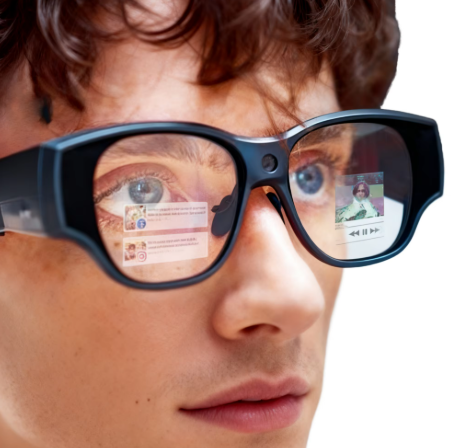
2025 INMO AIR3 Air 3 AR VR AI Glasses Augmented Reality Translation Camera 8-core Support GPT Gemini 1080P Screen Glasses
 Shanghai Bioe International Trade Co., Ltd.🇨🇳CN3 yrs
AI Smart AR Glasses HD Private Viewing Mobile Screen Augmented Reality Projection Wearable Devices for Gaming Similar Steam Deck
 Shanghai Sotec International Trading Co., Ltd.verified🇨🇳CN6 yrs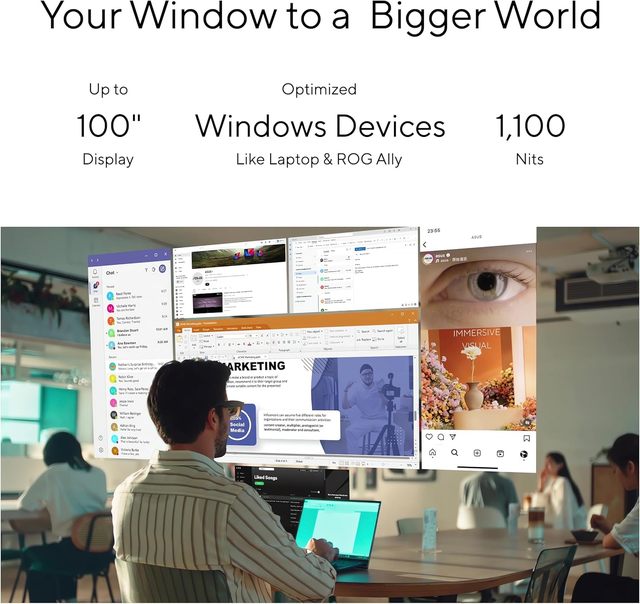
Smart AR Glasses,100" Micro-OLED Wearable Display,1100 nits,Multi-Screen,Speakers,USB-C,Magnetic Shade,For PC,iPhone,Android,Mac
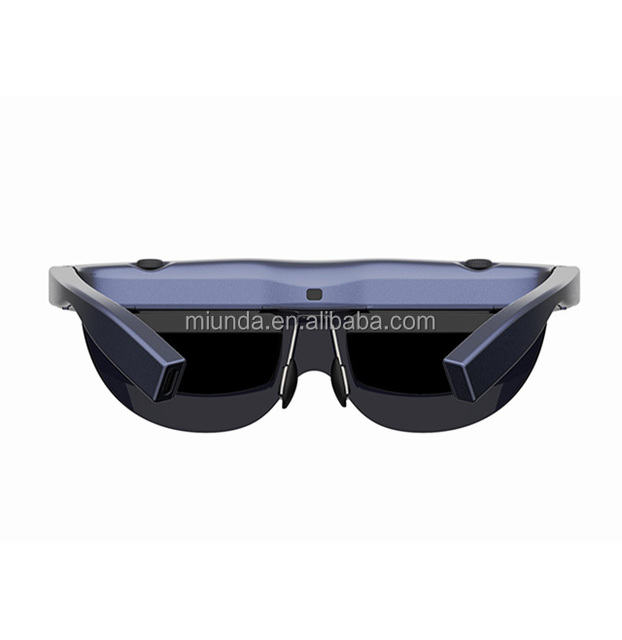
New Design Ultimate Wearable AR Glass with 0-600deg Myopia Adjustment , 60Hz220",Smart Glasses,Gaming Monitor
 Shenzhen Miunda Technology Co., Ltd.🇨🇳CN3 yrs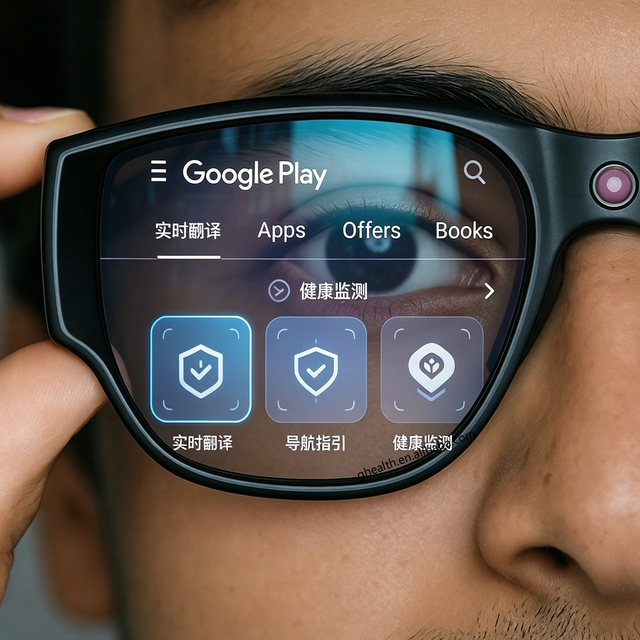
GHealth 2026 AI AR Smart Glasses 1080P OLED Display 16MP Camera PVC Wireless Open API SDK Support HD Visual Wearable Device OEM
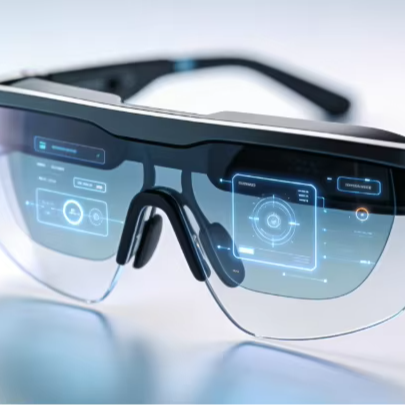
Advanced AR Smart Glasses Concept Prototype Micro Display System Holographic Waveguide Lens Carbon Fiber Temples Wanwei Zongheng
 Wanwei Zongheng (shenzhen) Technology Co., Ltd.🇨🇳CN1 yr
Related Searches
Explore more sourcing topics & related categories
Sources & References
23 sources cited · Verified industry data & reports
Smart Glasses Market 2026: XR Is Rewriting the Rules
International Data Corporation
A market on the move Smart glasses without displays, surged 167% year-over-year in Q1 2026, reaching approximately 2.25 million units in a ...
Smart Glasses Market Size And Share Report, 2026-2033
Grand View Research
The global smart glasses market size was valued at USD 2.5 billion in 2025 and is projected to grow from USD 3.2 billion in 2026 to USD 14.4 billion by 2033,

Four Key Trends in AR Glasses from CES 2026
LinkedIn · Liming Liu
Let's take a look at four major trends emerging in the AR glasses space. The session will focus on AR waveguide design and simulation platforms ...

AR and VR Smart Glasses Market Report 2026
Research and Markets
The AR and VR Smart Glasses Market, valued at USD 24.88B in 2026, is projected to reach USD 46.93B by 2030, growing at a 17.2% CAGR.

The best smart glasses of CES 2026 — Xreal, TCL, Even ...
Mashable
The best smart glasses of CES 2026 · Best in show: ROG Xreal R1 AR gaming glasses and Real 3D · Best sports glasses: Povec Optics C1 sunglasses.

Global Gaming Eyewear Market Research Report
WiseGuy Reports
The Gaming Eyewear Market CAGR (growth rate) is expected to be around 12.6% during the forecast period (2026 - 2035).