Smart Wifi Mouse

Overview
Product sourcing insights & recommendations
I have identified the top-selling smart WiFi and AI-enabled mice on Alibaba.com, with prices starting from $5.00 and features ranging from dual-mode wireless connectivity to advanced AI voice translation in over 120 languages. The global AI mouse market is currently in a high-growth phase, projected to reach $49.1 billion by 2034 with a robust 30% CAGR, driven by the integration of generative AI and the rising demand for productivity tools in hybrid work environments. MarketThebusinessresearchcompany
The following file contains a curated list of top products, their key technical specifications, and current price benchmarks to assist your wholesale sourcing.
I have found the best-selling smart WiFi mice and global demand trends. You can:
Smart Wifi Mouse
Products · Top picks & verified manufacturers

Mijia Wireless Mouse Lite 3 Deep Space Smart Houseware>>Smart Home Products
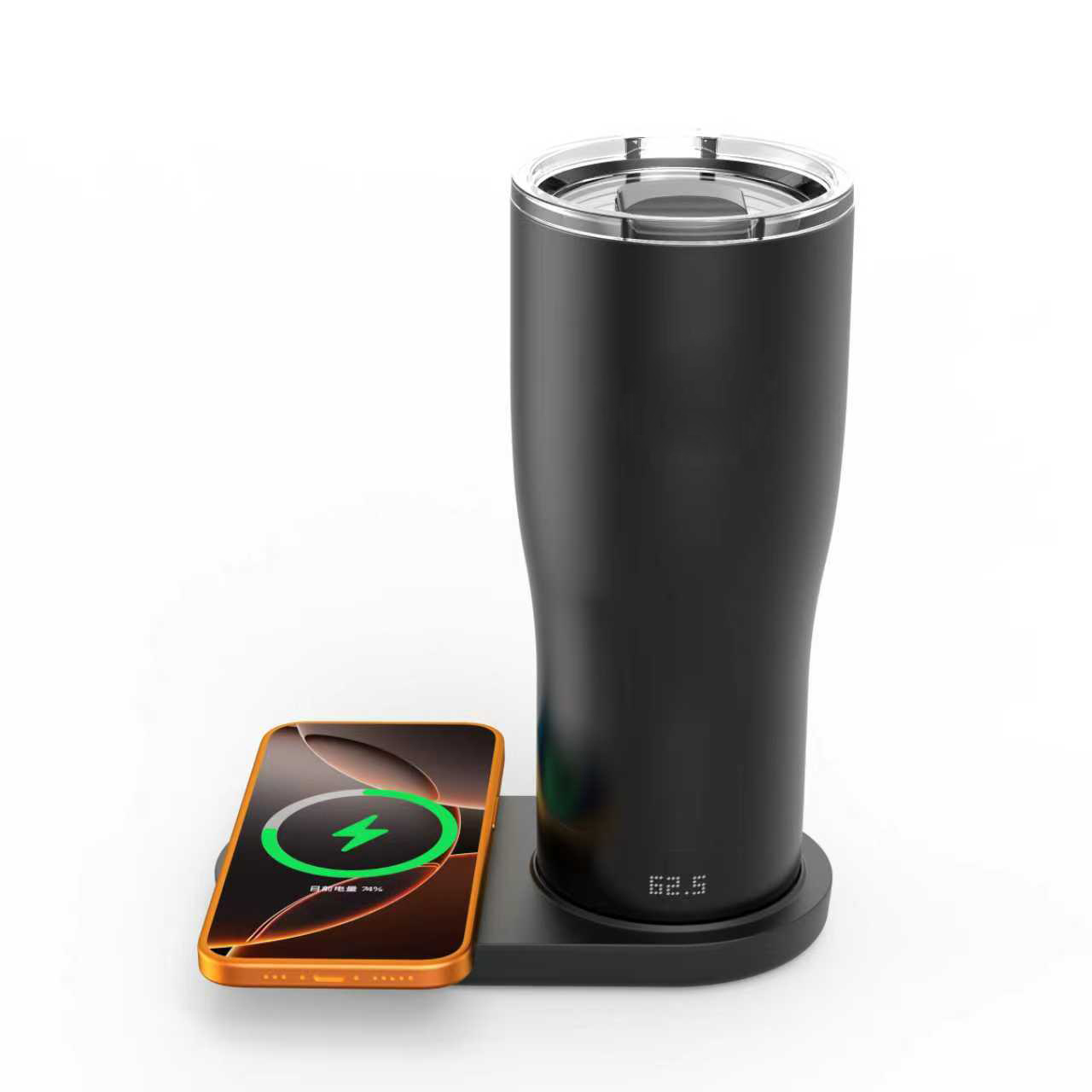 Shenzhen Yulin Innovation Development Co., Ltd.🇨🇳CN8 yrs
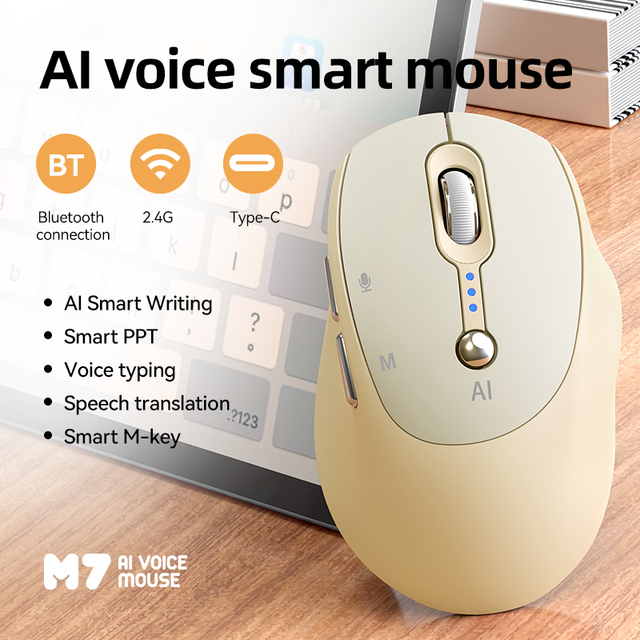
T-WOLF M7 Dual-Mode Wireless Mouse Smart AI Voice Mouse 2.4G&BT Adjustable DPI Customized Mouse for Computer Gamer Gift laptop
 Huizhou TWOLF Intelligent Technology Co., Ltd.🇨🇳CN1 yr
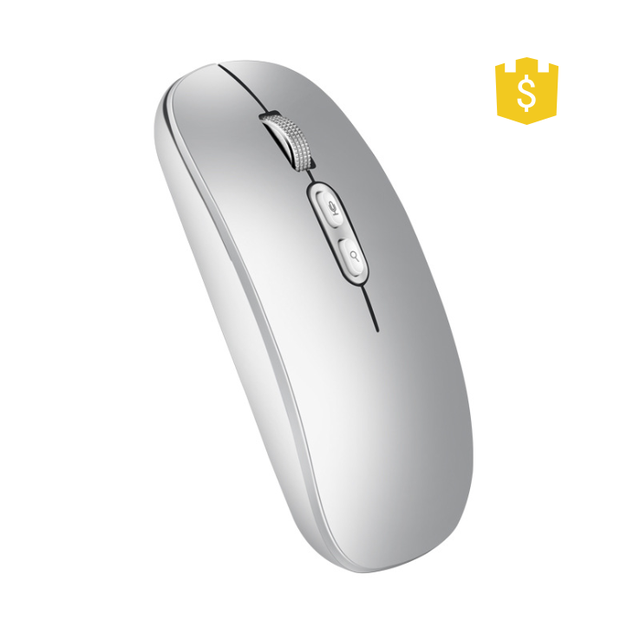
Smart AI Voice Translation Wireless Mouse 120 Languages Speech Input Metallic Silver Ergonomic Rechargeable Mice OEM
 Shenzhen Aimax Innovation Co., Ltd.verified🇨🇳CN6 yrs
Deep Dive · Full Report
Full Market Report
1 document · Live-fetched from source
Related Searches
Explore more sourcing topics & related categories
Sources & References
26 sources cited · Verified industry data & reports
AI Speech Translation: 2026 Trends, Predictions & Industry Insights
kudo.ai
The top AI speech translation trends for 2026, including semantic translation, real-time summarization, integration, and compliance. In this outlook, we recap 2025’s key highlights and data, then explore the top trends and predictions for AI speech translation in 2026 — including emerging technologies, product innovations, and where customer demand is taking the industry next. If 2024 and 2025 were the years of early AI adoption, we can anticipate 2026 being the year of strategic adoption where speech translation is concerned. As translation becomes core to communication, enterprise buyers are understandably demanding stronger privacy, compliance, and security assurances. Why this matters: Regulated industries like healthcare, finance, and legal require translation solutions that align with standards like HIPAA, GDPR, and region-specific requirements. ... Let’s summarize. Looking across segments and users, here are our overarching predictions for the year: Prediction 1: By the end of 2026, >90% of global hybrid events will include some form of live speech translation or captioning. As we settle into 2026, it’s clear that AI-driven speech translation has moved from experimental technology to a core driver of global communication, not just at tech forward events, but across enterprise meetings, virtual engagement, and large-scale international congresses.
AI In Language Translation Market Growth Report 2026-2030
www.thebusinessresearchcompany.com
AI in language translation enhances e-commerce by enabling accurate and efficient multilingual communication, thereby improving the customer experience and expanding global reach. For instance, in May 2024, according to the Census Bureau of the Department of Commerce, a US-based government department, in the first quarter of 2024, U.S. Customizable language translators are AI-driven or software-based tools that can be tailored to meet specific needs, such as adapting to particular industry jargon, regional dialects, or individual user preferences. For instance, in May 2024, Smartling Inc., a US-based translation company, launched its AI Translation Toolkit. Global Outlook – By Component (Software, Services), By Deployment Mode (Cloud-Based, On-Premise), By End-Use (Commercial Use, Personal Use) – Market Size, Trends, Strategies, and Forecast to 2030 · Purchase This ReportDownload Sample PDFAdd to Cart · Home>Reports Store>Information Technology>Global AI In Language Translation Market Report 2026 It will grow to $8.93 billion in 2030 at a compound annual growth rate (CAGR) of 24.8%. The growth in the forecast period can be attributed to advancement in natural language processing models, demand for real time translation solutions, integration with collaboration platforms, growth in global e commerce expansion, adoption of AI powered voice translation tools. Major trends in the forecast period include neural machine translation adoption, real time speech translation platforms, multilingual content automation, cloud based translation services, context aware translation engines.
AI Mouse Market Size, Share, Trends | CAGR of 30%
market.us
The Global AI Mouse Market generated USD 3.6 billion in 2024 and is predicted to register growth from USD 4.6 billion in 2025 to about USD 49.1 billion by 2034, recording a CAGR of 30% throughout the forecast span. According to Market.us, The global AI market was valued at USD 391.70 billion in 2024 and is projected to grow from USD 542.50 billion in 2025 to about USD 10,173.05 billion by 2034, reflecting a strong CAGR of 38.50% during 2025–2034. Generative AI is reshaping how AI-driven mouse products interact with users, enabling faster and more accurate recognition of hand gestures and real-time contextual feedback. In 2024, more than 35% of new smart accessories with AI features leveraged generative AI for voice and text input conversion, underscoring a rapid shift in consumer expectations for smarter hardware. In 2024, North America maintains a prominent position in the global AI mouse market, accounting for 38.3% of regional share. High rates of technology adoption and well-established online retail infrastructure have helped fuel the trend.
Language Translation Device Market Size & Forecast 2026 ...
www.gminsights.com
The global language translation device market was valued at USD 1.9 billion in 2025. The market is expected to grow from USD 2.1 billion in 2026 to USD 3.8 billion in 2031 & USD 6.5 billion in 2035, at a CAGR of 13.5% during the forecast period according to the latest report published by Global Market Insights Inc. These factors are driving the demand for real-time, device-based translation solutions that enable effective communication across languages. The market for language translation devices is increasing primarily driven by the rise in international tourism and cross-border travel. International travel is recovering strongly as in 2024, global international tourist arrivals reached about 1.4 billion, which is 99 percent of pre-pandemic levels and shows an 11 percent increase over 2023, according to the UN World Tourism Organization. Owing to consistent demands emanating from tourism, international business, and the mobile workforce, it is evident that North America is set to remain a technology leader and main user of real-time translation devices through 2035. The U.S. language translation device market was valued at USD 451.4 million and USD 507.3 million in 2022 and 2023, respectively. The market size reached USD 647.3 million in 2025, growing from USD 572.1 million in 2024. According to the Ministry of Culture and Tourism of the People’s Republic of China, domestic trips reached 5.6 billion in 2024, a 14.8 % increase compared to 2023, reflecting a rebound in travel that directly supports demand for multilingual communication tools in airports, hotels, and service sectors.
Intelligent Voice Mouse Market Report: Size, Growth, Trends & ...
www.verifiedmarketresearch.com
Report ID: 18297 | Last Updated: Oct 2025 | No. of Pages: 150 | Base Year for Estimate: 2024 | Format: Intelligent Voice Mouse Market size was valued at USD 3.47 Billion in 2024 and is projected to reach USD 6.83 Billion by 2031, growing at a CAGR of 3.98% from 2024 to 2031. Intelligent Voice Mouse Market 25% OFF Proceed to Buy 🔥 Offer valid till 31st August 2026 ⚡ Immediate Delivery
6 AI translation trends to watch in 2026 - POEditor Blog
poeditor.com
In 2024 and 2025, we saw the localization industry moving from Machine Learning/Neural Machine Translation to Large Language Models. In 2026, the advances in AI are expected to shape decisions about routing, quality, and speed. At the same time, businesses will likely produce more content, across more formats and markets, than ever before, and AI tools will be used to keep up with the demand. Google’s end-to-end S2ST demonstrations (sub-2–3s latency and voice preservation) are an important milestone, as conversational voice translation is now feasible for meetings, customer support and consumer devices. This will surely accelerate demand for localization of audio-first experiences (IVR, support calls, meetings). In 2026, AI systems will increasingly support real-time speech translation and multimodal capabilities. These AI-powered systems will instantly translate spoken words during live meetings, webinars, or customer service calls. Multimodal translation, on the other hand, integrates AI to process and translate audio, video, images, and even contextual visual cues. In 2026, a company’s translation memories, glossaries, style guides, and post-edit data will also directly influence the performance of AI systems.