Stacked Vga Connector

Overview
Product sourcing insights & recommendations


The market for stacked VGA connectors is characterized by its resilience in specialized industrial and legacy niches, despite the broad shift toward digital standards like HDMI and DisplayPort. In 2026, the global VGA connector market is projected to maintain a steady valuation of approximately $2.8 billion to $3 billion, with a focused CAGR of 3.7%–5.1% within industrial motherboard and legacy display segments MarketresearchintellectDataintelo.
Product Insights & Variants
Stacked VGA connectors are high-density solutions designed to save PCB real estate in space-constrained hardware like industrial motherboards, servers, and thin clients.
* Common Configurations:
* Dual VGA (Stacked): Two VGA female ports integrated into a single vertical housing Alibaba.
* Combo Stacked (VGA + DVI/HDMI): A D-Sub 15-pin (VGA) port vertically stacked with a DVI or HDMI port, widely used for legacy-to-modern display compatibility Alibaba.
* Pricing Trends: Unit prices for bulk B2B orders typically range from $0.30 to $1.50, depending on gold-plating thickness and shielding quality .
Market Dynamics
* Key Drivers: The primary demand stems from the Smart Industry and Medical Monitoring sectors, where legacy analog equipment remains in operation due to long lifecycles and reliability requirements Spring-ConnectorsConnectorsupplier.
* Niche Persistence: While consumer laptops have largely abandoned VGA, a persistent market exists for HDMI-to-VGA stacked adapters and industrial-grade PCB connectors as bridges between modern processing units and analog infrastructure TmeAirtame.
* Competitive Landscape: Low-cost consumer electronics continue to favor standard connectors, but the "stacked" variant is a specialized component primarily sourced from manufacturing hubs in Dongguan and Shenzhen, China Gminsights.
I have analyzed the current market for stacked VGA connectors. You can further explore the data with:
Stacked Vga Connector
Products · 3 lists
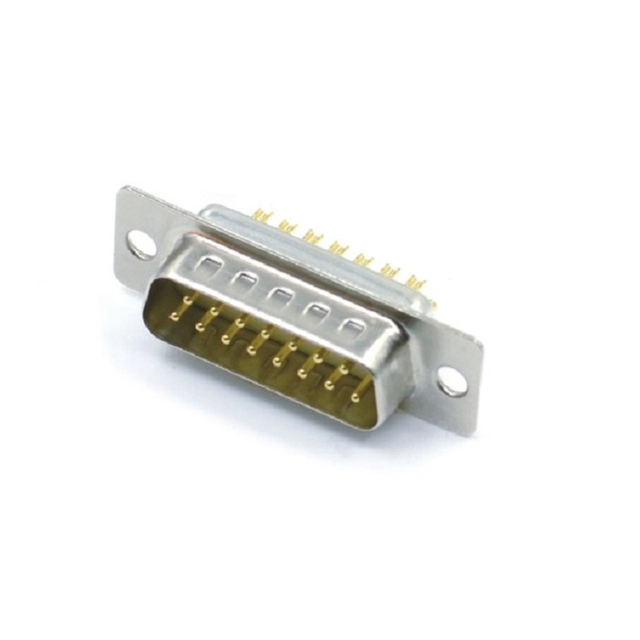
d-sub 15p 2 row VGA Connector HDB 15Pin Male Connector DB15
 Dongguan Zechao Hardware Electronic Technology Co., Ltd.🇨🇳CN14 yrs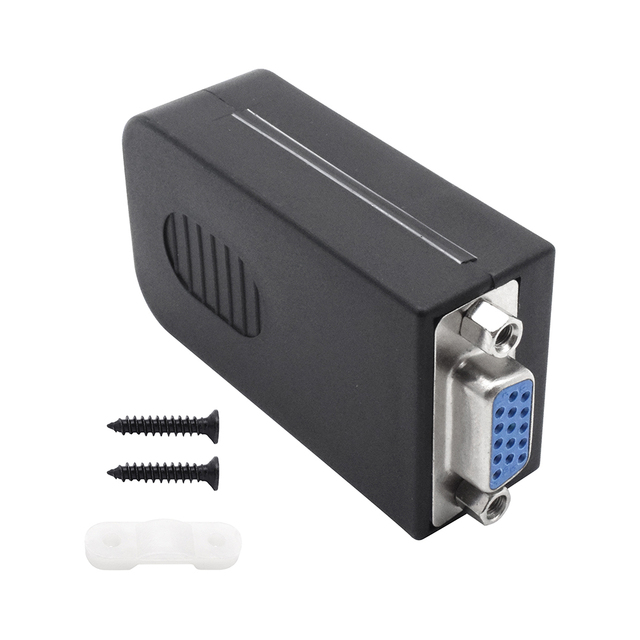
RS232 VGA Adapter DB15 D-sub15 Pin Connector with Black Cover 24VDC 5A Current VGA3+9 3Row Output with Screw Locking Male Female
 Shenzhen Weixunda Electronic Technology Ltd.🇨🇳CN4 yrs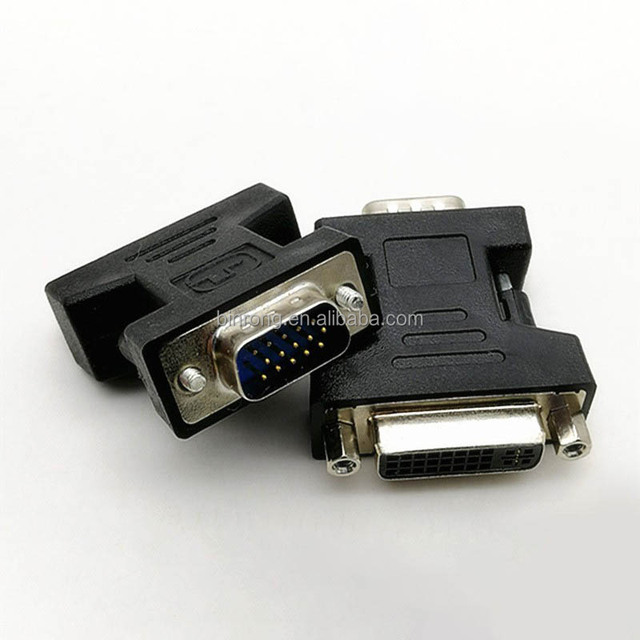
DVI Female to VGA Male Adapter 24+5 Pin VGA to DVI Graphics Card Adapter DVI to VGA Connector & Terminal
Related Searches
Explore more sourcing topics & related categories
Sources & References
26 sources cited · Verified industry data & reports
Global VGA Connector Market: Trends Analysis and Future ...
LinkedIn · Zylocar
The VGA connector market report covers current trends, future projections, and detailed segmentation by product type, application, and region.
Bishop's Connector Industry Forecast for 2026
Connector Supplier
After growing +5.6% in 2024, Bishop & Associates is predicting that the connector industry will have year-over-year growth of +12.5% in 2025, ...
Connector Market size to exceed $75bn by 2026
Global Market Insights Inc.
Connector Market size to exceed $75bn by 2026 · Growing demand of low-cost consumer electronics will significantly boost the adoption of I/O connectors.

Connector Market Size, Share, Trends
Fortune Business Insights
The global connector market size is projected to grow from $91.31 billion in 2026 to $168.5 billion by 2034, at a CAGR of 7.20% during the forecast period.

Connector Market | Global Market Analysis Report - 2036
Future Market Insights
Connector Market was valued at USD 74.50 billion in 2025. Sales are expected to reach USD 77.41 billion in 2026 and USD 113.48 billion by ...

Vga Connectivity Cable Market Size, Growth Drivers 2035
Market Research Intellect
Vga Connectivity Cable Market size was valued at USD 1.26 Billion in 2025 and is expected to reach USD 2.07 Billion by 2035, expanding at a CAGR of 5.1% ...