Ubuntu Flash
Overview
Product sourcing insights & recommendations


The term "ubuntu flash" primarily refers to the market for bootable Ubuntu Linux USB drives used for OS installation, system recovery, and persistent mobile computing. The market is evolving from simple DIY tools into a specialized segment of the broader USB flash drive industry, which is projected to reach over $6.35 billion by 2026 with a CAGR of 6.66% MordorintelligenceBusinessresearchinsights.
1. Product Overview: The "Ubuntu Flash" Ecosystem
* Hardware Tiers:
* High-End (SSD-Grade): Drives like the SanDisk Extreme Pro (400MB/s read, 200MB/s write) are the gold standard for running Ubuntu directly from the drive, offering an experience close to internal storage Tomshardware.
* Compact/Stay-In: Samsung Fit Plus is favored for "Ubuntu-To-Go" setups where the drive remains permanently plugged into a laptop Tomshardware.
* Entry-Level (Installer Only): Generic USB 2.0/3.0 drives (8GB–32GB) used primarily for one-time installations.
* Software Capabilities:
* Live Persistence: Modern products focus on "persistence," allowing users to save files and settings directly to the USB, turning it into a portable workstation OneuptimeYoutube.
* Multi-Boot Tools: Tools like Ventoy have revolutionized the market by allowing a single drive to host multiple Linux ISOs (Ubuntu, Mint, Kali) simultaneously Facebook.
2. Market Insights & Retail Trends
* Pre-loaded Retail Growth: There is a thriving niche on platforms like eBay and Amazon where vendors sell "Plug-and-Play" Ubuntu sticks. A standard 32GB USB 3.0 drive pre-loaded with Ubuntu 24.04 LTS typically retails for $14.50 to $18.99 EbayEbay.
* Industrial Demand: In the B2B sector, "Boot Drives" are increasingly marketed for server recovery (e.g., HPE/Server boot drives) with specialized RAID 1 capabilities, commanding prices over $150/unit .
* Shift to High Capacity: 64GB+ drives now account for ~35% of the market, driven by the size of modern Linux distributions and user demand for storage alongside the OS Businessresearchinsights.
3. Key Drivers & Challenges
* Privacy & Data Control: A rising consumer segment uses Ubuntu flash drives to avoid OS-level tracking on public or borrowed hardware Theinsightpartners.
* Cybersecurity Recovery: 45% of SMEs still rely on physical USB drives for offline backup and disaster recovery to mitigate ransomware risks.
* Challenge: The primary restraint is the growing prevalence of Cloud Storage, which has reduced physical storage demand in education sectors by roughly 20% Businessresearchinsights.
Based on the current trends, would you like to:
Pre Loaded Ubuntu Usb Flash Drive 32gb 64gb Bootable Linux Drive
Products · 2 lists
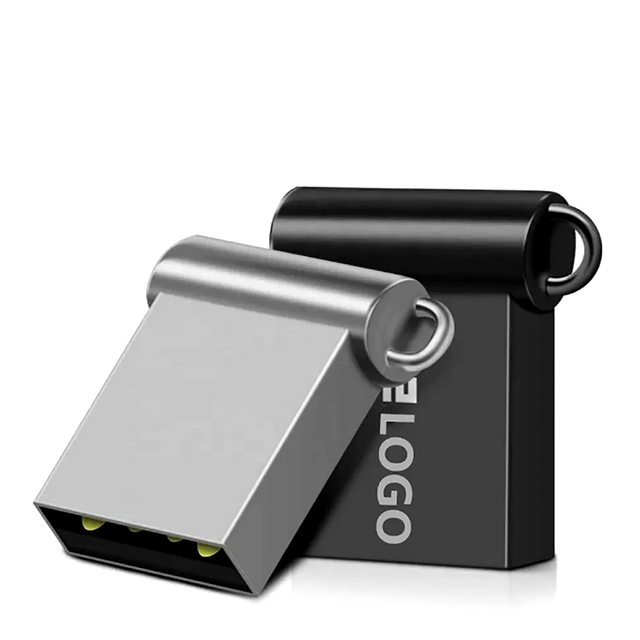
Best Brand Custom Bootable 64Gb 256Gb 1GB 1Tb Phone U Flashdisk Mini Murah Ssd Usb Ram Flash Pen Drive Hard Disk Pendrive
 Shenzhen Longgang District Xr Electronics Factory🇨🇳CN1 yr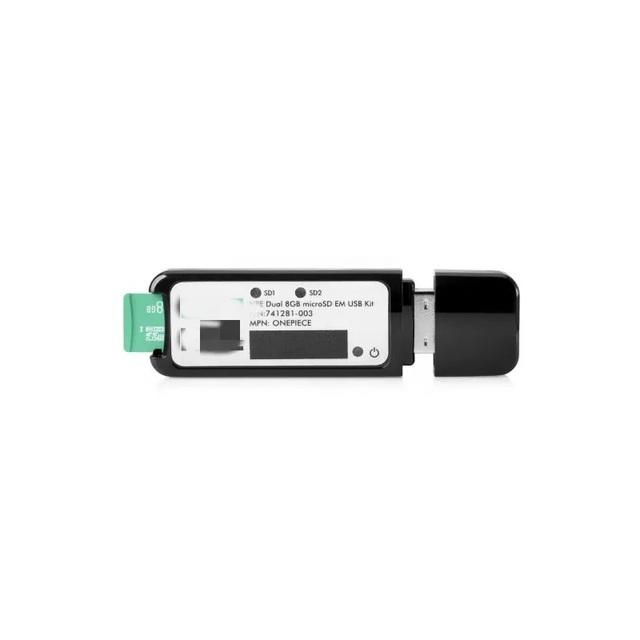
Hot Product P21868-B21 32GB RAID 1 USB Boot Drive for Server P21868-B21
 SHENZHEN INFOR-TECH TECHNOLOGY CO., LIMITED🇭🇰HK3 yrs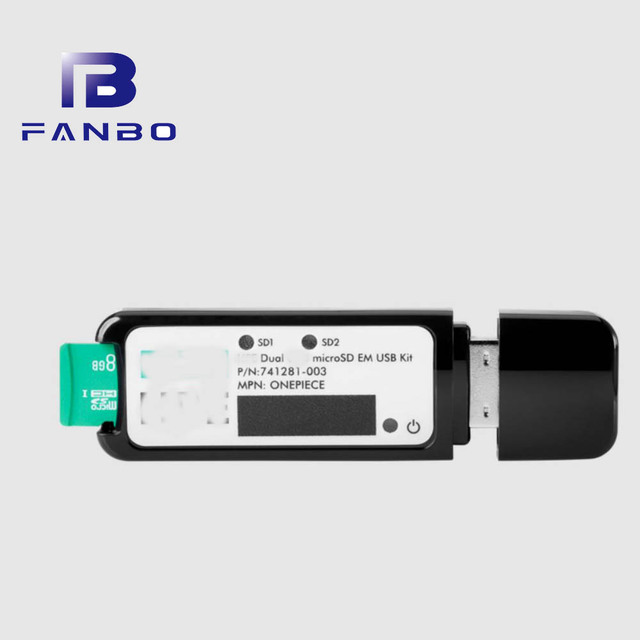
P21868-B21 32GB SD RAID 1 USB Boot Drive EM USB Kit
 Guangzhou Fangbo Trade Limited🇨🇳CN8 yrs
32GB SD RAID 1 USB Boot Drive P21868-B21
 Hyllsi Technology Co., Limited🇭🇰HK1 yr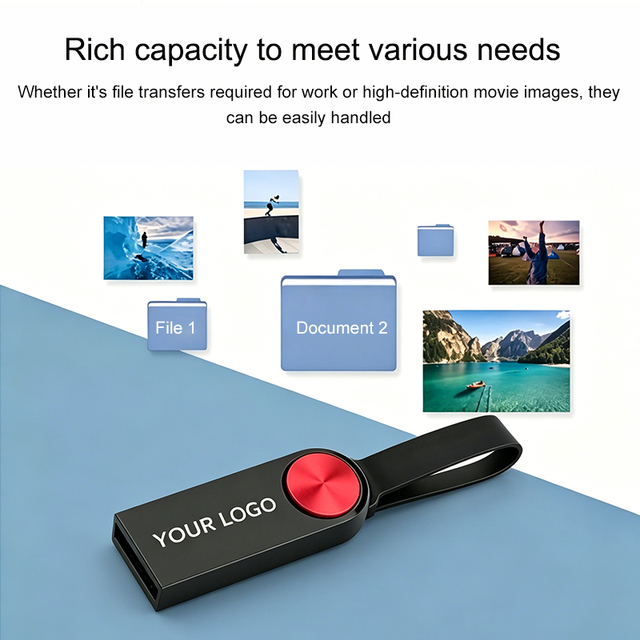
100% Original USB 2.0 Min. Pen Drives 64GB 32GB 16GB 8GB Flash Drive USB Stick U Disk USB Key Pendrive in Wholesale Cheap Prices
 Shenzhen Haishitongda Technology Co., Ltd.verified🇨🇳CN6 yrs
Related Searches
Explore more sourcing topics & related categories
Sources & References
45 sources cited · Verified industry data & reports
Create a bootable USB stick on Ubuntu
Ubuntu
With a bootable Ubuntu USB stick, you can: Install or upgrade Ubuntu; Test the Ubuntu desktop experience without touching your PC configuration ...
Installing Ubuntu from my USB flash drive : r/linuxquestions
Reddit · r/linuxquestions
I currently use Windows 10 on my desktop computer. I made a bootable persistent Ubuntu USB using Rufus. When I boot up from the Ubuntu USB on my desktop ...

Bootable USB creator for Ubuntu
It's FOSS Community
WoeUSB is a free and open-source software tool that allows you to create bootable Windows USB drives from Windows ISO files or DVD discs.

Install Ubuntu Operating System on USB Drive for ...
Dell
Ubuntu Linux is a free to use operating system. It can be downloaded at no cost and can run from a USB drive. This can be helpful to test a system if errors ...

Live USB with persistence vs full install on USB?
Ask Ubuntu
I know this get asked a lot, but because things change very often with a new version of Ubuntu every 6 months, I'm curious if anything has changed regarding ...

Can I install programs and save files with Ubuntu on a flash ...
Quora
Can I install programs and save files with Ubuntu on a flash drive?