Uhd Vs Mini Led

Overview
Product sourcing insights & recommendations


The display market is undergoing a significant shift as Mini LED technology emerges as a high-growth premium alternative to standard UHD (LCD/QLED) and OLED displays. By 2026, the global Mini LED market is projected to reach $0.72 billion, growing at an aggressive 26.2% CAGR as it scales in the TV, automotive, and gaming sectors StraitsresearchLinkedin.
Market Trends & Commercial Insights
* Dominant Segments: The TV segment currently holds the highest market share for Mini LED, with Asia-Pacific serving as the central hub for manufacturing and revenue Straitsresearch.
* Consumer Sentiment: Enthusiasts increasingly prefer Mini LED for its superior contrast and brightness without the burn-in risks associated with OLED Ledman. However, standard UHD remains the "budget-scale" choice for casual viewing where screen size per dollar is the priority Ledman.
* Emerging Opportunities: Significant growth is noted in automotive displays (dashboards and HUDs) and high-end gaming monitors, where precision backlight control is critical StraitsresearchLedman.
Technical Comparison: Mini LED vs. Standard UHD
| Feature | Mini LED | Standard UHD (QLED/LCD) |
|---|---|---|
| Backlight | Thousands of tiny LEDs; precise local dimming Ledman | Broader zones; prone to "halos" or blooming |
| Brightness | High peak brightness with balanced control Ledman | Strong overall brightness; less depth in shadows |
| Energy | Up to 50% more efficient with advanced modules Ledman | Generally higher power consumption |
| Cost | Premium pricing due to manufacturing complexity Straitsresearch | Cost-effective; mature supply chain |
I have compiled market trend data and identified initial wholesale product options for Mini LED and UHD displays in the files below.
Based on the market growth for Mini LED, you can continue with:
4k Uhd Mini Led Tv Displays Wholesale
Products · 2 lists

100-Inch Smart 4K UHD Android Google WebOS Vidaa Hotel OS LED LCD QLED OLED Panel TV for Home Theater and Conference Room
 Chengdu Groundhog Digital Technology Co., Ltd.🇨🇳CN3 yrs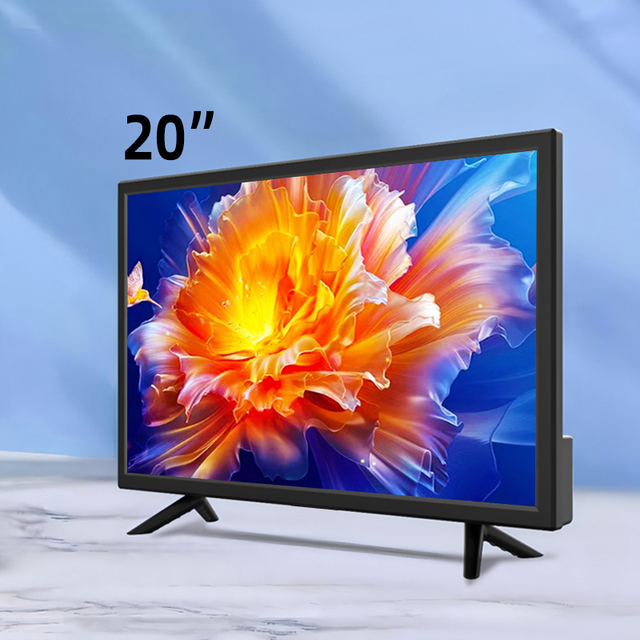
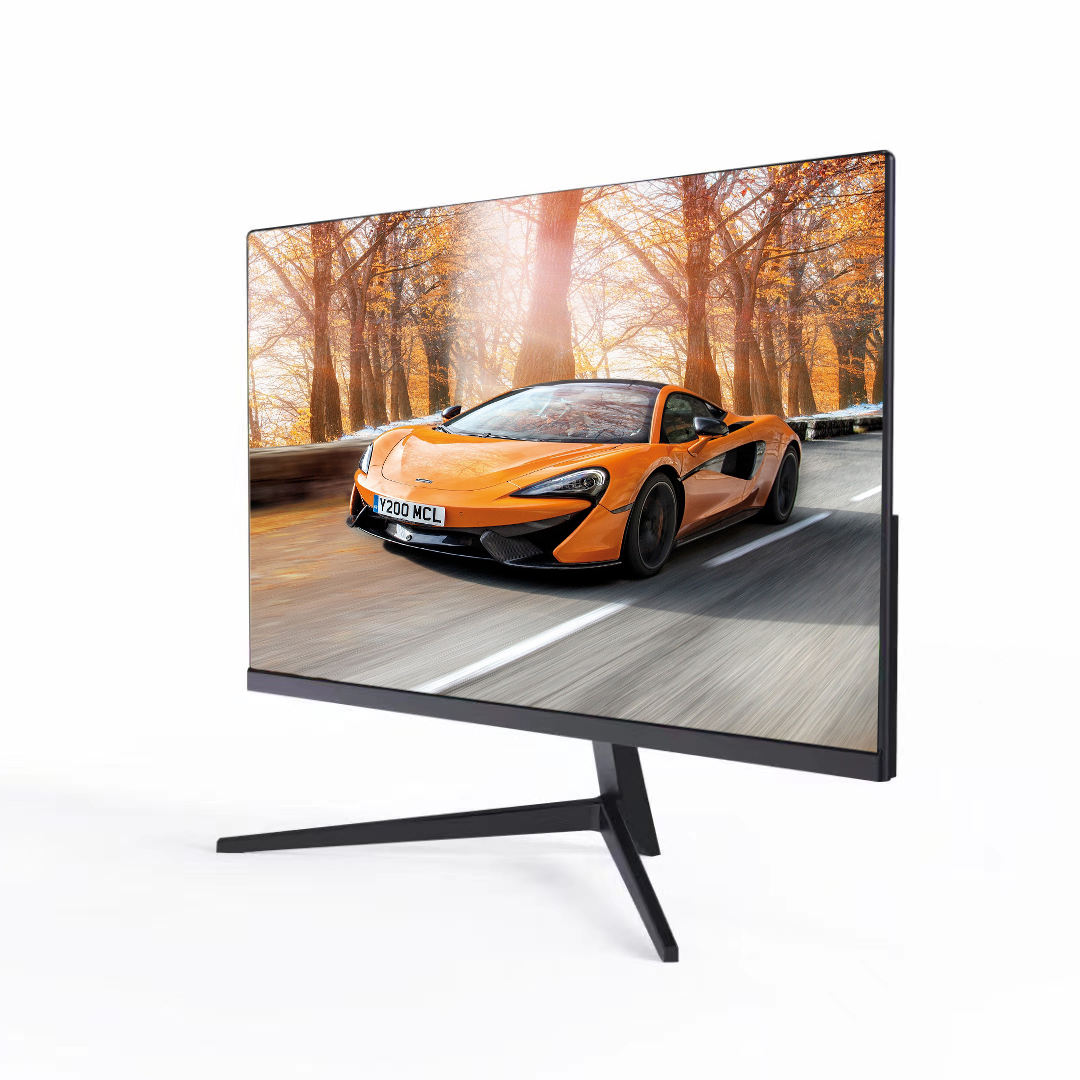
Factory Wholesale Cheap 20 Inch TV Small Size AC/DC LED Low Power PC Screen Television Smart Tv Home Cheap LCD
 Guangzhou Yisi Electronic Technology Co., Ltd.🇨🇳CN2 yrs
Deep Dive · Full Report
Full Market Report
1 document · Live-fetched from source
Related Searches
Explore more sourcing topics & related categories
Sources & References
26 sources cited · Verified industry data & reports
2026 Premium TV Outlook: OLED Cost Reduction vs Mini- ...
UBIResearchNet
In the 2025 TV market, the proliferation of large-size RGB Mini-LED products has significantly broadened technological options.
Mini LED LCD and UHD Market Potential
UHD World Association
Mini LED, positioned as a premium strategy for LCD UHD technology, is gaining increasing attention as a promising alternative to OLED, with the potential to ...

Is 2026 the year to ditch OLED for RGB Mini-LED or SQD? ...
Reddit · r/4kTV
I’m looking to upgrade my A90J (RIP to my OLED. It’s officially dead), so it’s time to move on. I’m genuinely curious about the 2026 Mini-LED flagships ...

New TV Technology Coming in 2026
Consumer Reports
The Mini LEDs will continue to get smaller, enabling more local dimming zones, and faster processors and AI are helping companies exert better ...

2026 Mini LED TV Trends: What's New?
Accio Work
Market Size Projections: The overall LED TV market, which includes Mini LED technology, was valued at $103,325 million in 2025 and is forecast to reach $271,319 ...

4K Mini-LED TV Market: Key Highlights
The 4K Mini-LED TV market is poised for significant growth from 2026 to 2033, driven by evolving consumer demand, technological advancements, ...