Usb Type C Backwards Compatibility

Overview
Product sourcing insights & recommendations


The phrase "USB Type-C backwards compatibility" is a cornerstone of the current electronics market, driving the transition from legacy USB-A/B ports to the universal USB-C standard. While USB-C is physically different from older ports, its protocol is designed to support all previous USB versions (2.0 through 3.2), ensuring that older devices can still connect via adapters and hubs MokinglobalTotalphase.
Market Trends & Industry Shifts
* Universal Standardization: USB-C has transitioned from a high-end feature to a global standard across smartphones, laptops, and tablets Totalphase.
* Protocol Convergence: The market is seeing a merger of USB and Thunderbolt protocols (USB4/Thunderbolt 4), leading to better interoperability and higher data speeds (up to 40-80Gbps) NewnexPlugable.
* Simplified Branding: To reduce consumer confusion, the industry is moving away from complex labels like "USB 3.2 Gen 2" toward performance-based branding such as "USB 10Gbps" or "USB 40Gbps" Plugable.
* Power Delivery Evolution: Standardized charging via USB Power Delivery (PD) now supports up to 240W, allowing one cable to power everything from mice to high-end laptops Plugable.
Consumer Insights & Pain Points
* The "Dongle" Frustration: Many consumers find the transition period difficult, relying heavily on "dongles" or hubs to connect legacy hardware, which can sometimes introduce performance bottlenecks Mokinglobal.
* Functional Ambiguity: A major pain point is that ports with the same USB-C shape often have different capabilities (e.g., some support video out, while others are data-only), leading to buyer confusion FacebookMokinglobal.
* Cable Quality Concerns: Poor signal integrity in budget cables and the strict length limits of high-speed USB4 cables often result in inconsistent performance CabletimetechPlugable.
Product Development Insights
* Bridge Devices: Demand remains high for Multi-Function Hubs that combine legacy ports (USB-A, HDMI, SD Card) into a single USB-C interface StartechAluratek.
* Testing & Safety: Product development now requires rigorous testing with protocol analyzers to ensure PD safety standards and Alt-Mode video stability across different operating systems MokinglobalTotalphase.
I can help you further by:
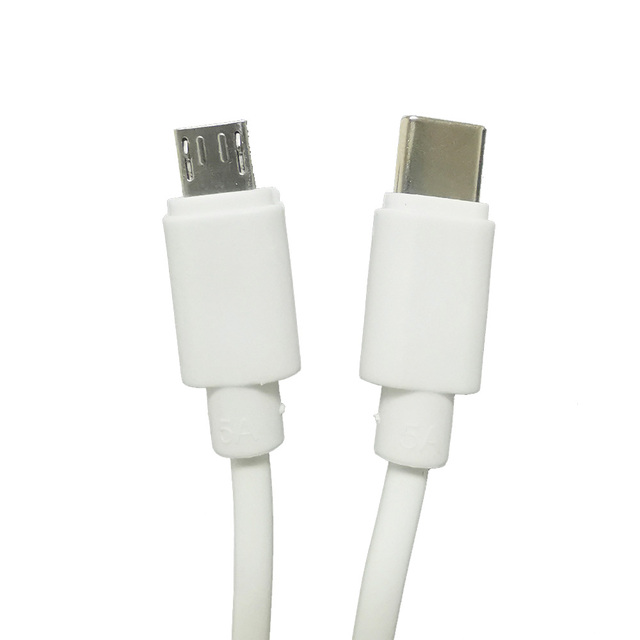
Usb C To Micro B Cable Backwards Compatible
Products · 3 lists
Related Searches
Explore more sourcing topics & related categories
Sources & References
25 sources cited · Verified industry data & reports
USB Type-C is Gaining Even More Popularity
Total Phase
USB Type-C is the latest iteration of the USB connector that will introduce more standardization and streamline hardware compatibility across devices.
Decoding USB Standards - 2026 Edition
Plugable Technologies
USB 3 introduced multiple connector updates (including USB Type-C) while remaining backward-compatible in many cases. A brief timeline of ...

How can USB Type C be backward compatible with older ...
Electrical Engineering Stack Exchange
USB type C use 24 pins. The older USB standards use 4 pins. The 2 standards are not even electrically and mechanically compatible. How does USB type C ...

Not All USB-C Cables Are Created Equal: A Pro's Guide
cabletime
The newer versions are backward compatible, but the confusion may start when you see USB-C cables dedicated to power delivery (PD). Remember!

How long before another usb type : r/UsbCHardware
Reddit · r/UsbCHardware
USB-C will definitely be around for another decade, two if we're lucky. The only thing which is realistically going to replace it is some kind ...

How long until USB-C becomes obsolete and what could ...
Quora
How long until USB-C becomes obsolete and what could possibly replace it?