Used Mining Gpu

Overview
Product sourcing insights & recommendations
I have completed the market analysis for used mining GPUs in 2026. The market has matured into an efficiency-focused niche where the NVIDIA RTX 4070 serves as the efficiency benchmark, and the RTX 30-series remains the high-volume choice for secondary markets. Used prices are currently stabilized at 30-50% off MSRP, with professional miners and gamers increasingly transacting as the stigma of "mining stress" fades.
Key profitable coins in 2026 include Kaspa (KAS) and Alephium (ALPH), though the rise of specialized ASICs continues to squeeze GPU margins. Detailed pricing benchmarks and consumer risk mitigation strategies are included in the report below.
I have analyzed the 2026 used mining GPU market. You can continue with:
Used Rtx 3080 Mining Gpu
Products · 3 lists
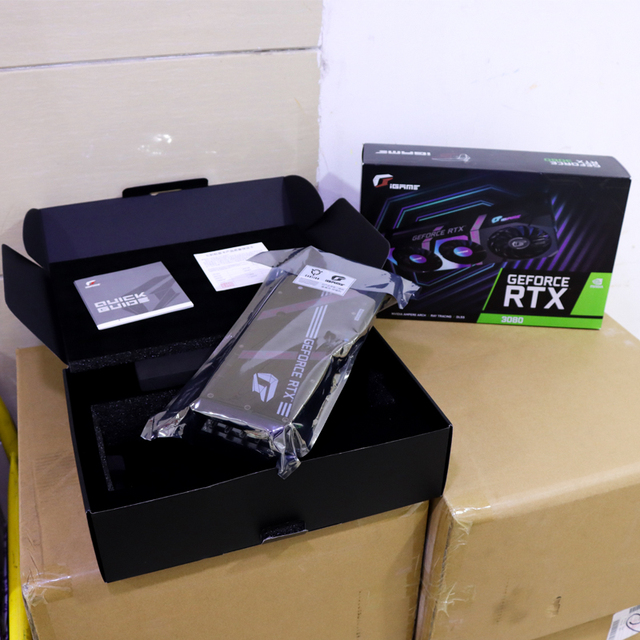
Ready Stock Cheapest Used Gaming Video Card RTX Desktop 3060 3060TI 3080 Graphics Cards GTX VGA Graphic Cards
 Shenzhen Weilixing Technology Limited🇨🇳CN6 yrs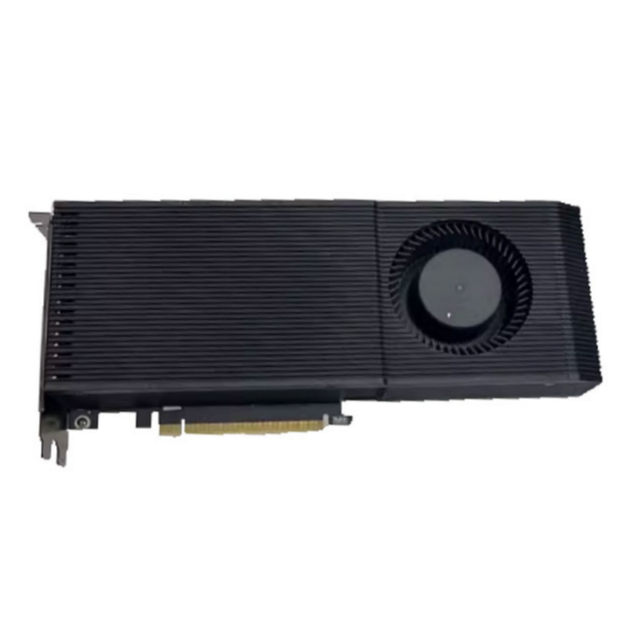
Used Color Ful NVIDI a GeForce RTX3080 PC Gaming Complete Turbo Video Card 10G RTX 3080 GPU Graphics Card
 Hua Xia Ju Shang (Beijing) Technology Co., Ltd.🇨🇳CN9 yrs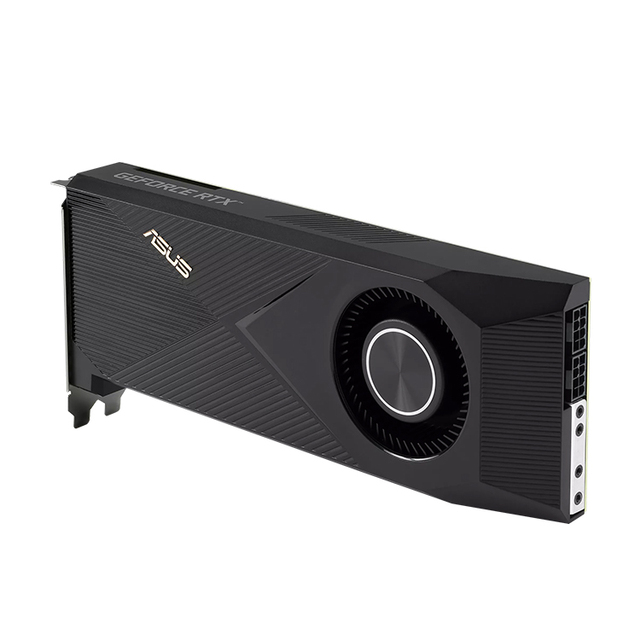
GeForce RTX 3080 Turbo PCI Express Graphic Card Used for Desktop and Workstation with Fan Cooler
 Shenzhen Creative Technology Co., Limited🇨🇳CN20 yrs
Cheap Used Graphics Card GPU Cards NVID IA PC Desktop Computer Gaming Renovate GTX1660 2060 2070 2080 RTX3060 3070 3080 3090

Graphics Card RTX3080m GPU GeForce RTX 3080m
 Guangzhou Jinjie Network Technology Co., Ltd.verified🇨🇳CN4 yrs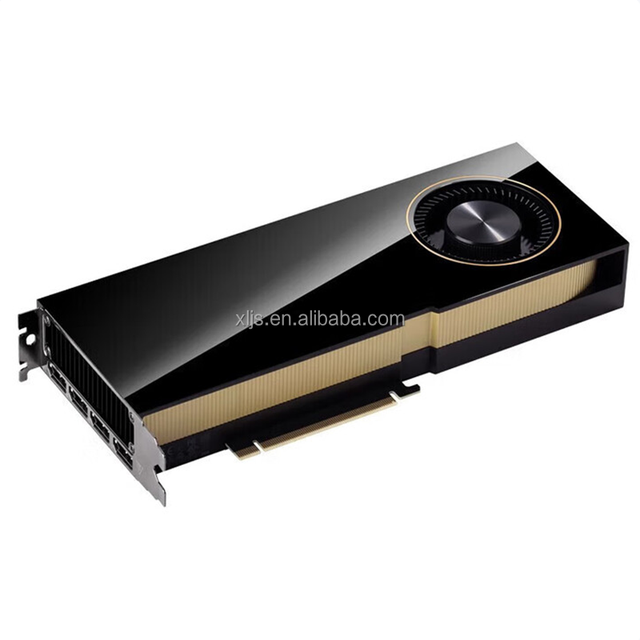
Fast Shipping RTX 3080 TI 12GB GDDR6X 384bit Gaming Card GPU
 Shenzhen Xulianjiesen Technology Co., Ltd.🇨🇳CN9 yrs
Deep Dive · Full Report
Full Market Report
1 document · Live-fetched from source
Related Searches
Explore more sourcing topics & related categories
Sources & References
25 sources cited · Verified industry data & reports
Best GPU for Mining in 2026: Complete Guide + ROI Calculator
zipmex.com
Find the best GPU for mining in 2026. Compare RTX 4070, 4090, and budget picks with real profitability data, ROI calculations, and coin recommendations. The NVIDIA RTX 4070 is the best GPU for mining in 2026, delivering 7-8 MH/s per watt on Kaspa - the ideal efficiency-to-cost ratio for most miners. For raw hashrate, the RTX 4090 leads. Budget miners should target the used RTX 3070 Ti (~$250). Any article, video, or tool claiming you can profitably mine Bitcoin with a GPU in 2026 is outdated or misleading. You will lose money competing against industrial ASIC farms on the SHA-256 network. So what can GPUs mine profitably? GPU-mineable coins use ASIC-resistant algorithms that favor parallel processing and memory bandwidth - exactly what graphics cards do well. GPU profitability on Kaspa has declined from peak levels, per Coinspeaker's 2026 mining guide. If you're buying hardware specifically for Kaspa, ASICs may offer better ROI. GPUs still compete, but the efficiency gap is narrowing. Always verify current profitability with live calculators. Use the mining calculator tools at WhatToMine or Minerstat with your actual electricity cost before making any hardware purchase.
Cryptocurrency Mining Equipment Market Report 2026
www.researchandmarkets.com
Specialized hardware, often equipped with custom-made chips like application-specific integrated circuits (ASICs), is used in this process. Miners connect this equipment to the internet, configure it, and let it run to mine cryptocurrency. Key types of cryptocurrency mining equipment encompass Graphics Processing Units (GPUs), Field Programmable Gate Arrays (FPGAs), application-specific integrated circuits (ASICs), and PC or CPU mining. It will grow from $4.89 billion in 2024 to $5.13 billion in 2025 at a compound annual growth rate (CAGR) of 4.8%. The growth in the historic period can be attributed to shift in mining pools, global regulatory environment, bitcoin difficulty adjustments, community consensus and forks, rise and fall of GPU mining. The cryptocurrency mining equipment market size is expected to see strong growth in the next few years. It will grow to $6.56 billion in 2029 at a compound annual growth rate (CAGR) of 6.3%. The growth in the forecast period can be attributed to cryptocurrency price volatility, energy The trends and strategies section analyses the shape of the market as it emerges from the crisis and suggests how companies can grow as the market recovers. 1) by Equipment: Graphics Processing Units (GPUs); Field Programmable Gate Arrays (FPGAs); Application-Specific Integrated Circuits (ASICs); PC or CPU Mining 2) by Coin: Bitcoin; Ripple; Ethereum 3) by Application: Remote Hosting Services; Cloud Mining; Self Mining Graphics Processing Units (GPUs) are electronic circuits capable of rendering graphics for display on computers or other electronic devices. Cryptocurrencies such as Bitcoin, Ripple, and Ethereum are mined using these equipment types, serving various applications like remote hosting services, cloud mining, and self-mining.
Can you still mine Bitcoin on a PC in 2026? Here is the reality ...
www.tradingview.com
Key takeawaysBack in 2009, when Satoshi Nakamoto launched Bitcoin BITSTAMP:BTCUSD as a decentralized peer-to-peer (P2P) network, it was easy for anyone to mine it using an ordinary desktop computer. Early participants relied on central processing units (CPUs) and soon after graphics processing unit… Back in 2009, when Satoshi Nakamoto launched Bitcoin BTCUSD as a decentralized peer-to-peer (P2P) network, it was easy for anyone to mine it using an ordinary desktop computer. Early participants relied on central processing units (CPUs) and soon after graphics processing units (GPUs) to help secure the network and collect block rewards. By 2026, however, that beginner-friendly era has largely disappeared. Bitcoin mining began in 2009 as a hobby-friendly activity where users could earn BTC using CPUs and later GPUs. By 2026, the landscape has shifted entirely to industrial-scale operations dominated by specialized ASIC hardware. This article examines whether mining Bitcoin on a regular PC in 2026 is still practical. It explores the dominance of application-specific integrated circuits (ASICs), record network difficulty, zettahash-scale competition, electricity costs and why home CPU or GPU mining has become largely unprofitable despite remaining technically possible.
Best GPUs for Mining in 2026: Complete Guide to Profitable Crypto ...
zipmex.com
The RTX 4070 series represents the sweet spot for mining efficiency in 2026. With 12 GB GDDR6X memory and exceptional power efficiency, these cards deliver the best hashrate-per-watt ratio among consumer GPUs. ... Why It's Our Top Pick: At $549-599, the RTX 4070 offers 2-3 year ROI with reasonable electricity costs. The 4070 Super provides slightly higher performance for $50 more. ... For miners starting out or operating on limited budgets, the used GPU market offers compelling options. Find the best GPU for cryptocurrency mining in 2026. Compare RTX 4090, 4070, and AMD options with real profitability data, ROI calculations, and expert recommendations. The NVIDIA RTX 4070 is the best overall GPU for mining in 2026, offering excellent efficiency at 7-8 MH/s per watt. For raw power, the RTX 4090 delivers ~2.0 GH/s on Kaspa. Budget miners should consider the RTX 3070 Ti at $250-280 used. In 2026, typical ROI periods range from 2-5+ years for new GPUs. Used cards offer faster payback but may have reduced lifespan. High-end GPUs deliver maximum hashrate for serious miners with access to cheap electricity.
Is GPU Mining Dead? Profitability, Difficulty & ROI in 2026
coinspot.io
When comparing GPUs with ASIC miners, the core trade-off is flexibility versus efficiency. ASICs tend to win on performance per watt and performance per dollar for the specific algorithm they target, while GPUs can switch between networks and workloads but often face thinner mining margins. Recent trends include miners moving between alternative proof-of-work coins as conditions change, more sensitivity to electricity pricing, and faster profitability shifts driven by difficulty swings and coin volatility. GPU mining is alive, but returns have narrowed for some networks compared with the early crypto boom. Profitability depends on the coin you target, evolving difficulty, electricity pricing, and the market value of the rewards you earn. In crypto’s early chapters, everyday miners could profitably mine Bitcoin with graphics cards. Venture investments, p2p and digital technologies, cryptocurrencies, analytics and reviews - everything you need to know to stay in trend and earn. Full or partial use of site materials is allowed only with the written permission of the editorial office, and a link to the source is mandatory! Profit potential rises and falls with market moves, difficulty adjustments, and shifts across the ecosystem. Before committing capital, you should model electricity costs, expected hash rate, and hardware pricing to see whether a planned rig makes sense. For a concrete example, an Nvidia GeForce RTX 4090 mining a GPU-friendly algorithm such as Autolykos (Ergo) or ZelHash (Flux) can vary widely in daily results depending on network difficulty and coin price.
Best GPUs For Mining In 2026: ROI & Efficiency Guide
www.redswitches.com
GPU mining in 2026 isn’t dead; it’s narrower and smarter. Ethereum’s Merge moved ETH to Proof-of-Stake, closing ETH GPU mining. ASICs own Bitcoin and Litecoin. GPUs still matter on Kaspa, Ravencoin, Flux, and Ergo. Many new miners still search for a bit mining GPU, but the reality is that Bitcoin is ASIC-only, leaving GPUs for altcoins. Expect small profits and slow ROI; electricity rates decide outcomes · If you pay ≤ $0.10/kWh, or use solar, you can stay in the green. ROI: With used prices often $150–$200, ROI can take 3+ years even at low power costs. Pros: Affordable, widely available, good efficiency for entry-level miners. Cons: Margins are thin, ROI is long, limited headroom for future algorithms. If you’re unsure what to GPU mine in 2026, start with Kaspa, Ravencoin, Flux, and Ergo, then tune per algorithm for the card you own. Ergo remains one of the most viable GPU-only coins, especially for miners with access to affordable power. ROI (days) = GPU Cost ÷ Daily Net Profit, where Daily Net Profit = Daily Revenue − Power Cost − Fees. In 2026, many setups sit at 1,500–5,000+ days. Cheap power and high efficiency are the only ways to win. GPU cost: purchase price (or used price). Even at 2 GH/s, a 4090 would take tens of thousands of years to mine 1 BTC. ASICs are the only realistic option for Bitcoin. Q. Is GPU mining dead in 2026? No. It’s niche but viable. GPU mining now works best for hobbyists, gamers, or AI users who can repurpose their hardware.