Video Camera Ccd 1 3

Overview
Product sourcing insights & recommendations
The phrase 'video camera ccd 1/3' refers to a legacy optical format where the sensor diagonal is approximately 6mm. As of 2026, the market for 1/3-inch CCD sensors has largely shifted into a high-precision industrial niche, following Sony's complete discontinuation of CCD production Thinklucid. While CMOS technology now holds over 80% market share due to its speed and cost-efficiency, the 1/3-inch CCD remains a standard for specific high-uniformity applications Alibaba.
1. Product Insights & Technical Context
The 1/3-inch CCD is valued for its Global Shutter capability and pixel-to-pixel consistency, which modern CMOS sensors only recently began to match.
- Legacy Standards: Most existing products in this category operate at 700TVL to 1200TVL in analog formats, or roughly 1024 x 768 pixels in digital modules AlibabaEdmundoptics.
- 3CCD Systems: Higher-end camcorders often utilize three 1/3-inch sensors (3CCD) to split colors through a prism, offering superior color accuracy compared to single-chip systems Wikipedia.
2. Current Market Trends (2026)
The market is currently bifurcated between specialized industrial demand and a consumer-led "retro" revival.
- Industrial Niche: CCDs are primarily sourced for borehole inspection, medical microscopy, and automated quality control where low noise and high uniformity are critical ThinklucidAlibaba.
- "Digicam" Renaissance: A strong consumer trend has emerged on platforms like TikTok, where users hunt for vintage CCD cameras to achieve a "film-like" or "lo-fi" aesthetic. Popular models include the Canon PowerShot G-series and Panasonic Lumix LX series Hannahdavisphotography.
- Supply Constraints: New manufacturing has almost entirely ceased. Most products available today are either legacy inventory or refurbished units Wikipedia.
3. Key Product Categories
B2B platforms currently list three main types of products matching this specification:
- Industrial Modules: Bare-board PCBA modules for integration into kiosks or inspection machines Alibaba.
- Security Cameras: Analog 700TVL dome or bullet cameras, often using Sony Super HAD II CCD technology Alibaba.
- Used Professional Video: Refurbished 3CCD handheld camcorders (e.g., Panasonic AG-HPX series) Alibaba.
Based on your interest in 1/3-inch CCD technology, you may want to explore these next steps:
1 3 Inch Ccd Video Camera Industrial Module
Products · 3 lists
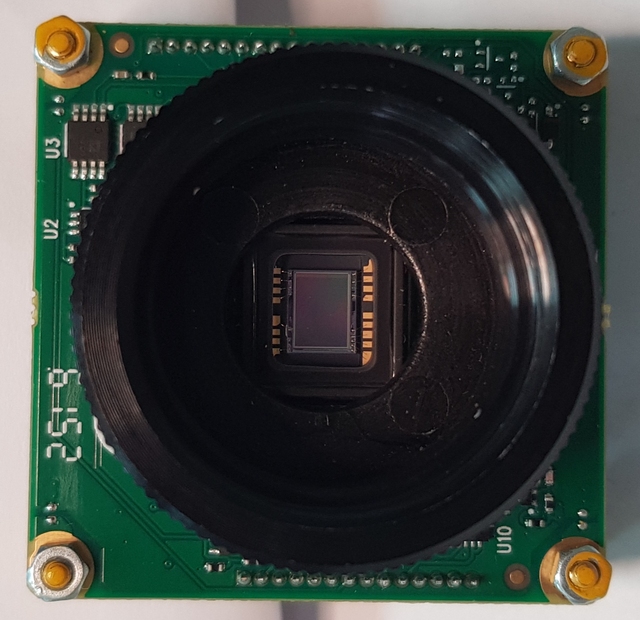
HDV OEM 480TVL B/W 1/3'' HD Analog CCD CCTV Video Camera Module 42x42mm with C/CS Mount BNC/AV/Aviation for Koisk Machine
 Shenzhen Hdv Electronics Co., Ltd.🇨🇳CN13 yrs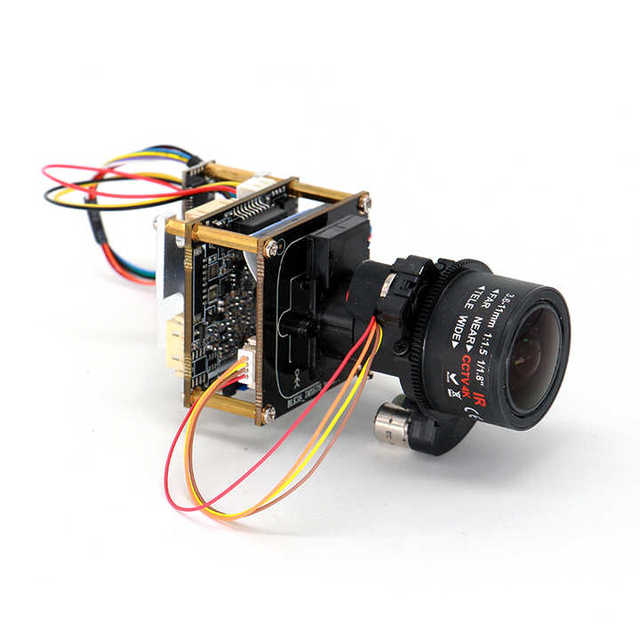
Cctv Camera Module Solution Manufacturer Sensor 8.0mp 30fps1/1.8" For SONY IMX678+Hi3516AV300 With 3.6-11mm Lens
 Shenzhen Ccdcam Technology Co., Limited🇨🇳CN18 yrs
1.3MP Global Shutter USB Camera Module 720P 250fps High Speed Mono Color for Machine Vision Industrial OCR Motion Capture
 Shenzhen Zifei Technology Co., Ltd.🇨🇳CN3 yrs
Black and White Video Camera Module XC-ST50
 Shenzhen Sandou Electronic Technology Co., Limitedverified🇭🇰HK1 yr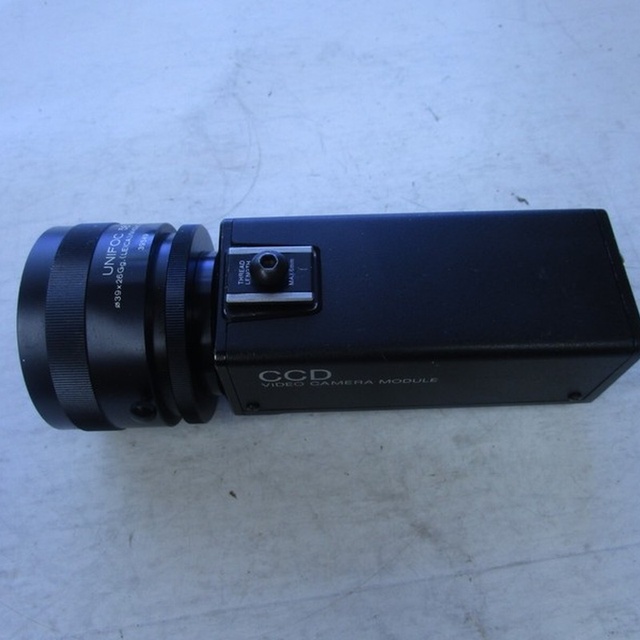
Unifoc58 Kreuznach Lens With Xc-57 Ccd Video Camera Module for PLC
 Xiamen Libanxiang Import And Export Co., Ltd.verified🇨🇳CN1 yr
HD Video Audio Intercom Remote Monitoring Camera Card 4G Network Camera Industrial Module
 Shenzhen Oufade Electronics Co., Ltd.verified🇨🇳CN5 yrs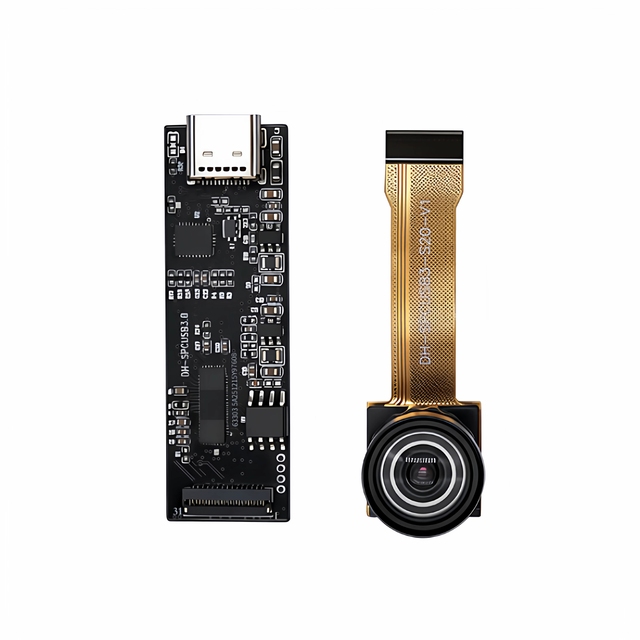
High Speed 400FPS USB3.0 Industrial Camera Global Shutter UVC No Driver Video Camera Module
 Shanghai Belite Technology Co., Ltd.verified🇨🇳CN9 yrs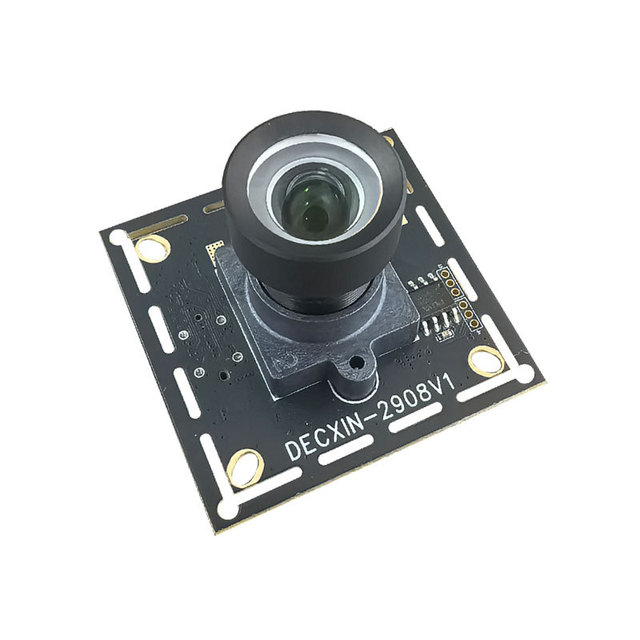
8MP IMX415 DECXIN-2908V1 Industrial Camera Module USB3.0/4K HD Driver-free Manual Focus Video Conference Camera for Desktop
 Shenzhen Ezon Technology Co., Ltd.🇨🇳CN1 yr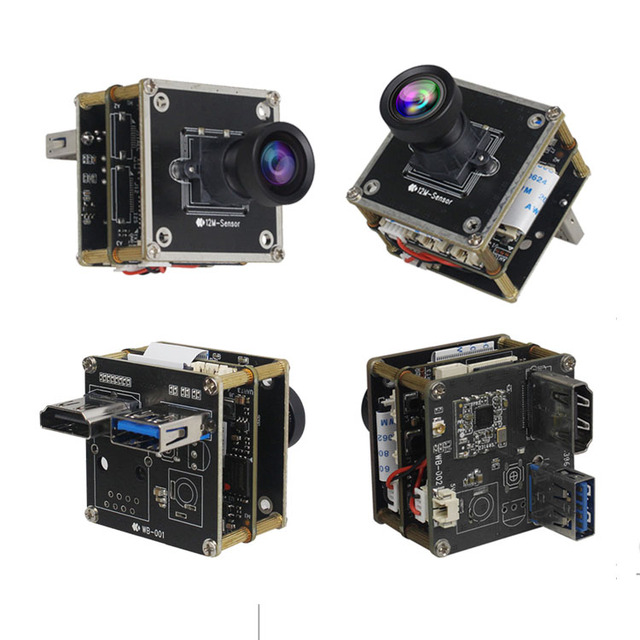
Factory Price 12MP Zoom LenHD Industrial Medical Grade Camera Module Live Video USB3.0 IMX577 Camera Module
 Shenzhen Cxcw Electronic Co., Ltd.🇨🇳CN5 yrs
BRAND NEW XC-ST50 CCD VIDEO CAMERA MODULE W/C5028-M TV LENS LOC#S205
 Xiamen Xinbogao Automation Co., Ltd.🇨🇳CN1 yr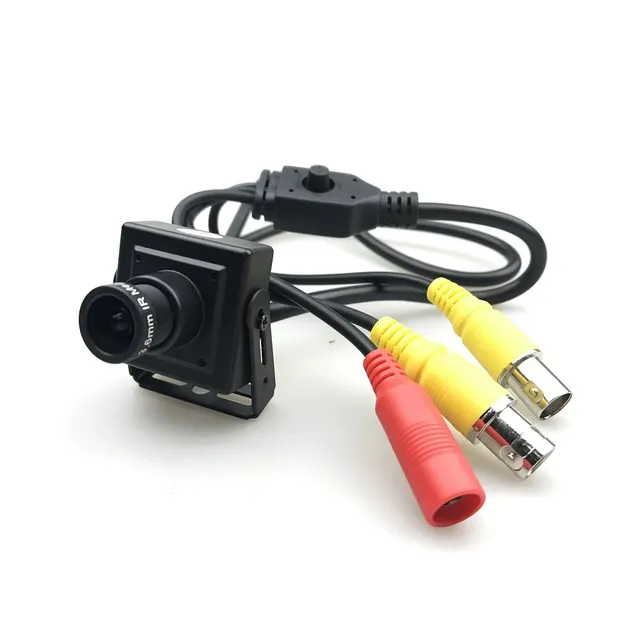
Pinkuo CCTV HD SDI Camera Module Full 1080P 2.0MP Lens 3.6mm Industrial Mini Box Camera
 Shenzhen Shengdingtong Technology Co., Ltd.verified🇨🇳CN1 yr
Pinkuo CCTV HD SDI Camera Module Full 1080P 2.0MP Lens 3.6mm Industrial Mini Box Camera
 Shenzhen Nordson Electronics Co., Ltd.🇨🇳CN1 yr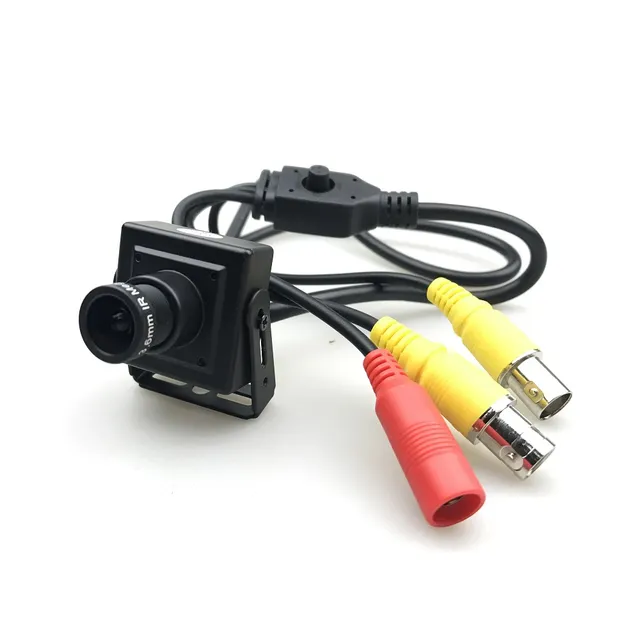
Pinkuo CCTV HD SDI Camera Module Full 1080P 2.0MP Lens 3.6mm Industrial Mini Box Camera
 Shenzhen Jianuoxin Technology Co., Ltd.🇨🇳CN2 yrs
Pinkuo CCTV HD SDI General Purpose Camera Module Full 1080P 2.0MP Lens 3.6mm Industrial Mini Box Camera
 Shenzhen Pinkuo Trading Co., Ltd.🇨🇳CN2 yrs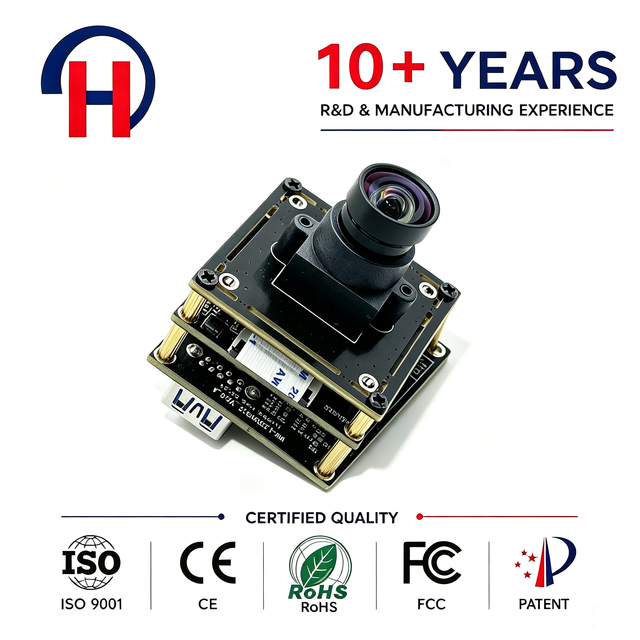
4K Ultra HD IMX577 Camera Module USB3.0 Interface Industrial Video Camera Module
 Shenzhen Huashi Chengjin Technology Co., Ltd.verified🇨🇳CN3 yrs
PLC XC-ST50 XCST50 CCD Video Camera Module w/ Xenoplan 1.9/35-0511 Lens Warranty Product
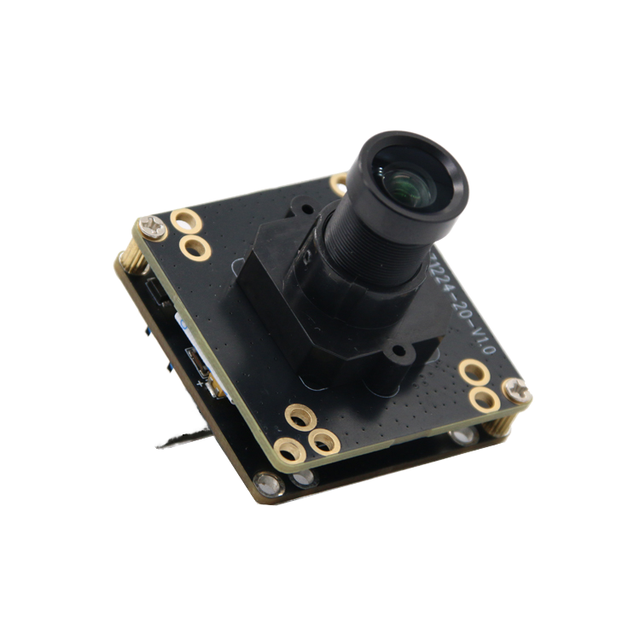
120FPS Full HD USB Camera Module Global Shutter for Industrial Inspection Machine Vision Video Conferencing
 Shenzhen Sinoseen Technology Co., Ltd.🇨🇳CN7 yrs
1080P F22 2.1mm 135degree UVC CMOS 30fps Plug & Play HD Mini USB Industrial Camera Module for Video Conference
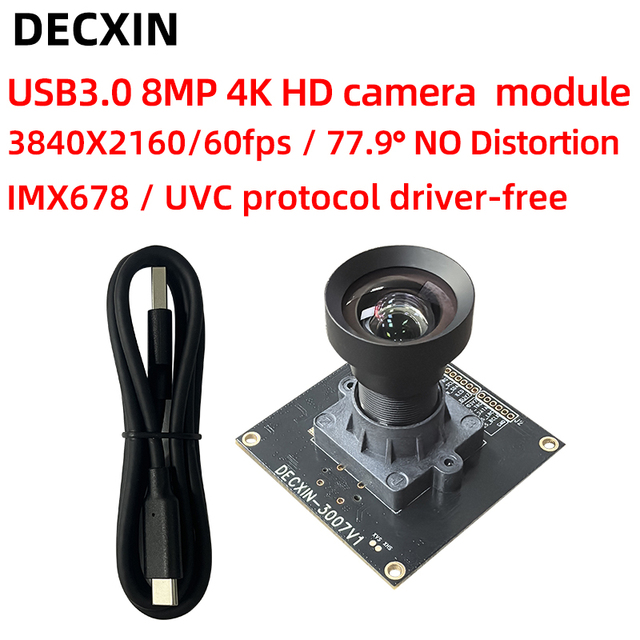
IMX678 USB3.0 Camera Module 8MP 4K HD 60fps/77.9 Degree NO Distortion Industrial Camera UVC Protocol
 Shenzhen Dechuangxin Imaging Technology Co., Ltd.verified🇨🇳CN6 yrs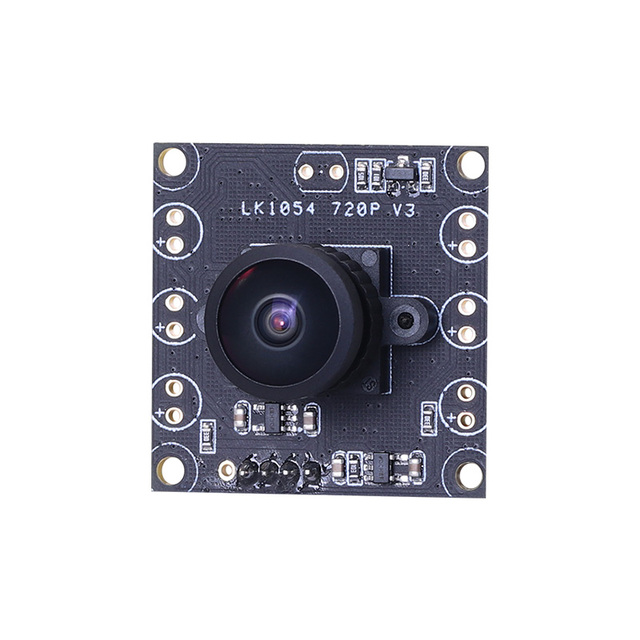
720p 1054 1.9mm 120degree Wide Angle HD 30fps UVC Drive Free USB Industrial Camera Modules New Title
 Shenzhen Zhongweiaoke Technology Co., Ltd.verified🇨🇳CN3 yrs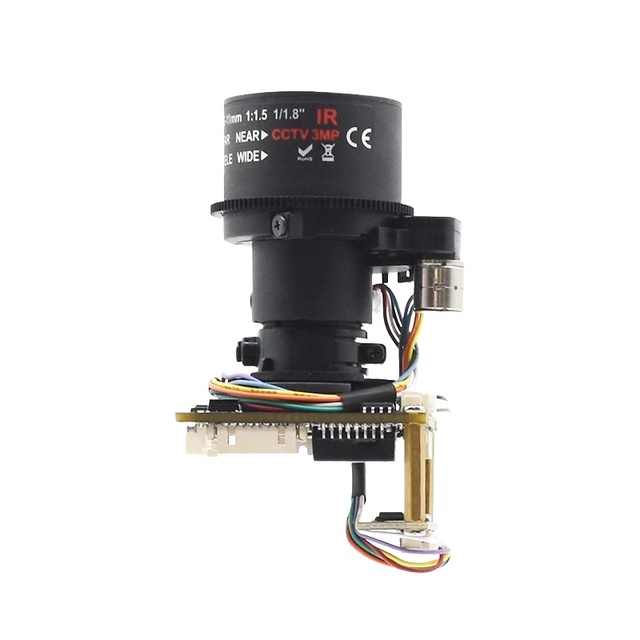
4MP CCTV Camera Module GK7205V300+IMX347 3.6-11MM/6-22MM Motorized Zoom Lens CVBS Camera Module
 Aielite Holdings Corporationverified🇨🇳CN3 yrs
Cctv Imx335 5mp Ai Smart Camera Module With dustproof housing USB2.0 Computer Video Streaming Webcam
 Film Source Electronics (guangdong) Co,, Ltd.verified🇨🇳CN6 yrs
Factory Price Full HD DVP Camera Module, 640*480p / 720p Resolution, 30W 240fps, 20CM Working Distance

SDI CAMERA Module 4MP SDI IMX307 IMX323 IMX327 IMX290 IMX291IMX385 IMX326 34227 34229 30Fp 60Fps CCTV PCB Board + SDI Cable
 Shenzhen Geniuspy Intelligent Technology Co., Ltd.🇨🇳CN10 yrs
100% New and Original Industry Black and Industry Video Camera Module XC-HR50

XC-75 XC-56BB XC-73 XC-77 XC-77RR Vision System Black and White Camera Video Camera Module Welcome to Inquire
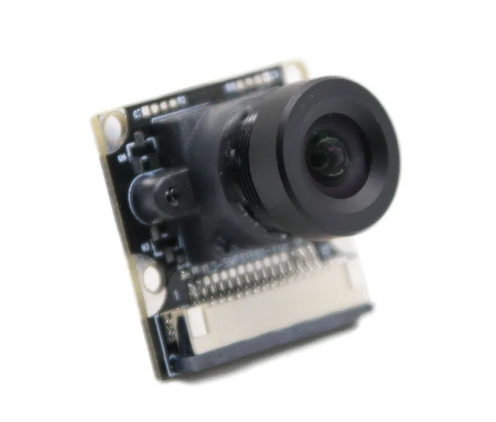
IMX219 8MP Camera Module High-Definition Raspberry Pi Camera with 1080p Video Support
 Dongguan Maiao Industrial Co., Ltd.🇨🇳CN1 yr
Data Collection Camera Module 4K 8MP USB3.0 HD Output Camera Module 1/2.7" CMOS Auto Focus 4K 30fps H.264 IMU UVC Camera
 Shenzhen Juhonghan Technology Co., Ltd.verified🇨🇳CN2 yrs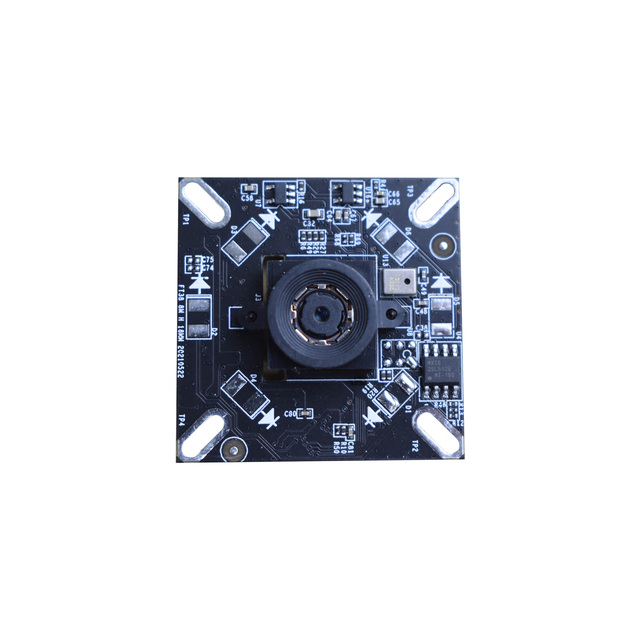
13million Pixels 5MP 16MP PCBA High Definition Spare Parts HD Module USB Scanner Camera
 Shenzhen Maidi Electronic Technology Co., Ltd.verified🇨🇳CN4 yrs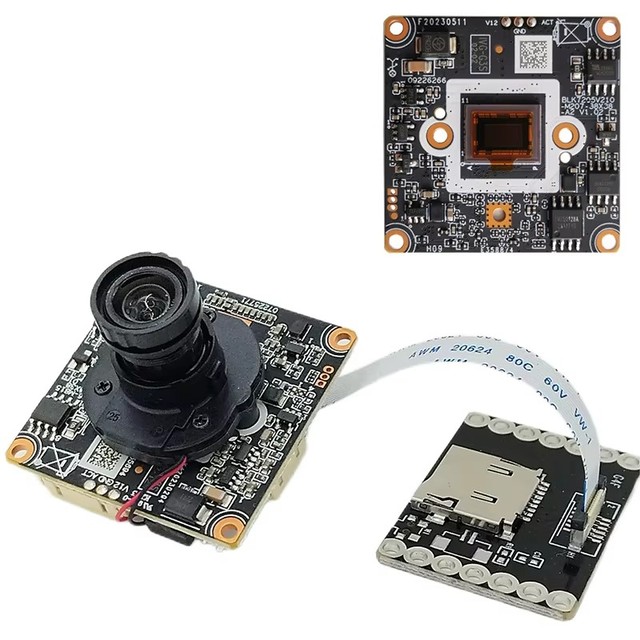
Full HD Starlight 1080P Ip Camera Module Imx307 Gk7205V210 CCTV Security Webcam Chip With SD Card Board Xmeye App F743
 ICMICRO ELECTRONICS (HK) LIMITED🇭🇰HK1 yr
Related Searches
Explore more sourcing topics & related categories
Sources & References
27 sources cited · Verified industry data & reports
Three-CCD camera - Wikipedia
en.wikipedia.org
In contrast, almost all single-CCD cameras use a Bayer filter, using less accurate dye filters in front of each pixel to separate the colors. Because each pixel on a single CCD sensor is covered with its own tiny color filter, a frame is necessary to keep the dye filters from leaking into adjacent pixels. The Lens Unit from a Sony TRV-900 camcorder, showing lens assembly, external view of dichroic prism unit, and the three 1/4" monochrome CCDs. Also visible are three Burr Brown ADS933Y video ADC chips, one for each sensor Three-CCD cameras are more expensive than single-CCD cameras because they use three sensors rather than one, and because they use a beam splitter to drive each of the three CCD chips. A 3CCD imaging block consisting of a color separation prism of Philips type on which three CCDs are mounted · Three monochrome sensors and color separation prism from Sony DCR-VX100E camera The Lens Unit from a Panasonic NV-GS300 consumer camcorder, employing three 1/6" monochrome CCD image sensors
How to Source 1/3 CCD Cameras for Industrial Use
electronics.alibaba.com
The phrase "1/3 CCD" refers to a specific optical format (1/3 inch) of a Charge-Coupled Device (CCD) image sensor, a technology traditionally valued for its high image quality and light sensitivity. In the current market (2025–2026), this format is undergoing a significant transition as mainstream industries pivot toward CMOS technology. * High-End Niche: For high-precision needs (e.g., laser displacement or automated quality inspection), premium brands like Keyence continue to utilize CCD for its superior uniformity and noise control. Alibaba ... Best POS Terminal Printers for Retail & HospitalityBest 40m Waterproof Sports Cameras for Diving & AdventureHuawei Y320 Specs & Current Availability GuideHuawei P Smart Wholesale Guide for B2B BuyersDo Dual LGA 1200 Motherboards Exist? Reality CheckBest Mechanical Keyboard with Red Switches Guide55-inch plasma TV alternatives guideBest External WiFi Adapters for Kali Linux 2026 GuideM50 Smart Doorbell Guide: Budget Security That Works View Specs · Video Cameras - JID948/3.6B 1/3" Sony 480 TV Lines 24 LED 0.5 Lux 3.6mm. Supplier: Security Camera Warehouse. Description: Sony 1/3" CCD Sensor ... * The CMOS Takeover: CMOS technology now dominates over 80% of the image sensor market due to its lower power consumption and higher speed. GminsightsMarketsandmarkets CCD sensors, including the 1/3 format, have been relegated to a 4% niche market share as of 2025.
Imaging Electronics 101: Understanding Camera Sensors for Machine ...
www.edmundoptics.com
Though they are no longer used, their mark on nomenclature associated with sensor size and format remains to this day. Today, almost all sensors in machine vision fall into one of two categories: Charge-Coupled Device (CCD) and Complementary Metal Oxide Semiconductor (CMOS) imagers. The charge-coupled device (CCD) was invented in 1969 by scientists at Bell Labs in New Jersey, USA. For years, it was the prevalent technology for capturing images, from digital astrophotography to machine vision inspection. The CCD sensor is a silicon chip that contains an array of photosensitive sites (Figure 1). Clock pulses create potential wells to move charge packets around on the chip, before being converted to a voltage by a capacitor. The CCD sensor is itself an analog device, but the output is immediately converted to a digital signal by means of an analog-to-digital converter (ADC) in digital cameras, either on or off chip. The charge packets are limited to the speed at which they can be transferred, so the charge transfer is responsible for the main CCD drawback of speed, but also leads to the high sensitivity and pixel-to-pixel consistency of the CCD. Since each charge packet sees the same voltage conversion, the CCD is very uniform across its photosensitive sites.
CCD Security Systems in Access Control | Kisi
www.getkisi.com
A CCD camera is a video camera that contains a charged-coupled device (CCD), which is a transistorized light sensor on an integrated circuit. To simplify, CCD devices convert or manipulate an electrical signal into some kind of output, including digital values. Security cameras, using the techniques of CCD, can relay live visual information, which is hugely important when monitoring your facility. CCD surveillance has become a foolproof way to protect your space. When CCD security camera systems are coupled with motion sensors or video verification, for example, they can capture the image of cardholders who are attempting to enter a protected space. Generally, one small CCD camera runs between $30 and $50. Depending on the style of cameras, the price fluctuates. For example, dome security cameras are generally priced around $100. Cameras that are more expensive have a CCD of ⅓ of an inch or larger. The bigger the sensor, the more light it can capture. If using a CCD camera for security purposes, a slightly more expensive camera may be the better option, as the footage will be of better quality, especially during the evening and night. Some of these options include cameras like the Google Nest Camera, which comes out to around $200 for one camera or around $400 or $650 for packs of 3 or 5 cameras, respectively. In professional digital video cameras, there are typically three sensors called 3CCD.
Best Digital Cameras With CCD Sensors to Consider in 2026 – Hannah ...
hannahdavisphotography.com
These considerations help balance sensor technology with practical needs, such as travel, learning, and content creation. When selecting a camera, align sensor expectations with intended use cases, and weigh the benefits of modern CMOS advantages against the nostalgic or specific color traits sometimes associated with CCD-based designs. While many modern cameras favor CMOS sensors for efficiency, several models in today’s market still emphasize the advantages of CCD-based designs or comparable sensor technologies. Read on to compare features, form factors, and how each option stacks up for everyday shooting, travel, and learning photography. ... This compact Kodak model centers on a 16 megapixel CMOS sensor paired with a 5x optical zoom and a 28mm wide-angle lens, delivering solid everyday image quality and 1080p Full HD video. The CAMKORY model offers 1080p FHD video and 44MP photos supported by CMOS technology, along with a straightforward, kid-friendly, and travel-ready package. It’s designed for beginners, including younger users, and emphasizes ease of use with automatic settings and a user-friendly interface. The device is compact, affordable, and suitable for learning the basics of photography and video capture. Sensor type and image quality: CMOS vs CCD affects low-light performance, color rendering, and noise. If you specifically want a CCD approach, verify sensor details with the seller, as many entry-level cameras use CMOS sensors due to cost and efficiency. Resolution versus lens system: Higher megapixels are not always essential; pair sensor quality with a reliable lens, especially for wide-angle or telephoto needs. Video capabilities: Look for 4K or 1080p options, autofocus performance, and whether the camera supports external mics or has decent onboard audio.
Charge-coupled device - Wikipedia
en.wikipedia.org
In applications with less exacting quality demands, such as consumer and professional digital cameras, active pixel sensors, also known as CMOS sensors (complementary MOS sensors), are generally used. However, the large quality advantage CCDs enjoyed early on has narrowed over time and since the late 2010s CMOS sensors are the dominant technology, having largely if not completely replaced CCD image sensors. The first experimental device demonstrating the principle was a row of closely spaced metal squares on an oxidized silicon surface electrically accessed by wire bonds. It was demonstrated by Gil Amelio, Michael Francis Tompsett and George Smith in April 1970. This was the first experimental application of the CCD in image sensor technology, and used a depleted MOS structure as the photodetector. Fairchild's effort, led by ex-Bell researcher Gil Amelio, was the first with commercial devices, and by 1974 had a linear 500-element device and a 2D 100 × 100 pixel device. Peter L. P. Dillon, a scientist at Kodak Research Labs, invented the first color CCD image sensor by overlaying a color filter array on this Fairchild 100 x 100 pixel Interline CCD starting in 1974. Early CCD sensors suffered from shutter lag. This was largely resolved with the invention of the pinned photodiode (PPD). It was invented by Nobukazu Teranishi, Hiromitsu Shiraki and Yasuo Ishihara at NEC in 1980. They recognized that lag can be eliminated if the signal carriers could be transferred from the photodiode to the CCD.