Video Camera Web Server

Overview
Product sourcing insights & recommendations
The "video camera web server" market is projected to reach $10.57B–$12.5B by 2026, driven by a strategic shift toward Edge AI and 4K UHD standardization in hybrid work and telemedicine. A key transition is occurring from proprietary apps to WebRTC-enabled low-latency browser interfaces, allowing for sub-second streaming.
Crucially, 2026 marks a regulatory turning point, with mandatory cybersecurity standards like KS X 3007:2026 (South Korea) and QCVN 11:2026/BCA (Vietnam) coming into effect, alongside the EU's Digital Product Passport requirements. The following report provides a detailed analysis of these trends, technological breakthroughs, and compliance mandates.
Based on these 2026 market insights, you can continue with:
Web Server Video Encoder Module
Products · 3 lists
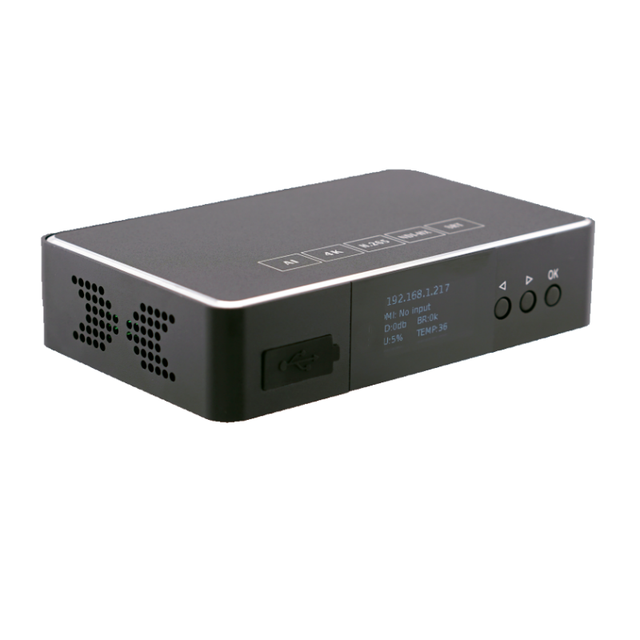
Chipboard Enc1v3 Encoder Decoder 4k30 1080p Ndi Hx Srt Rtmp Rtsp Live Stream Ipcam
 Shanghai Xuanxin Technology Co., Ltd.🇨🇳CN7 yrs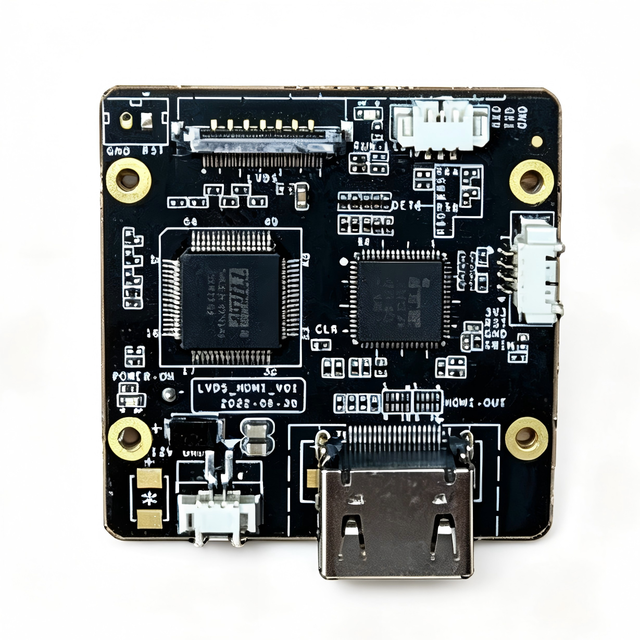
Network Video Encoder Board LVDS 1080P 60fps H.265 RTSP RTMP | Pelco-D PTZ RS485 Audio IP Streaming OEM ODM
 Hangzhou Huanyu Vision Technology Co., Ltd.🇨🇳CN6 yrs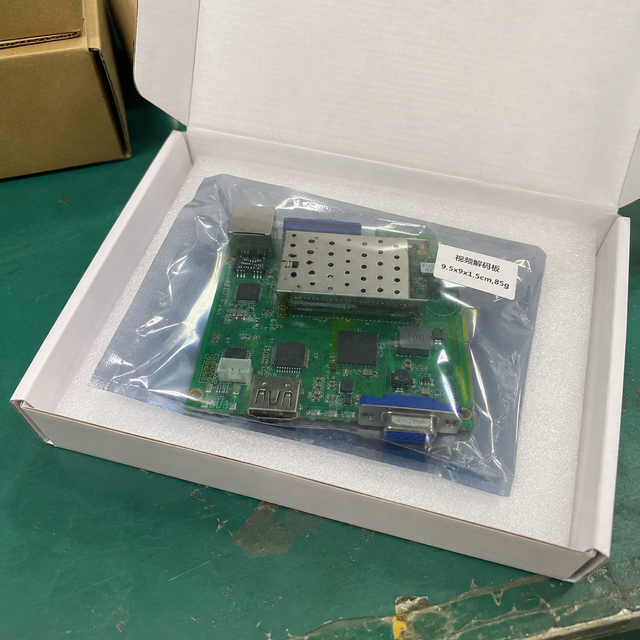
Low Latency H264 H265 Video Audio Data Encoder Decoder Module 4K HD-SDI IP RJ45
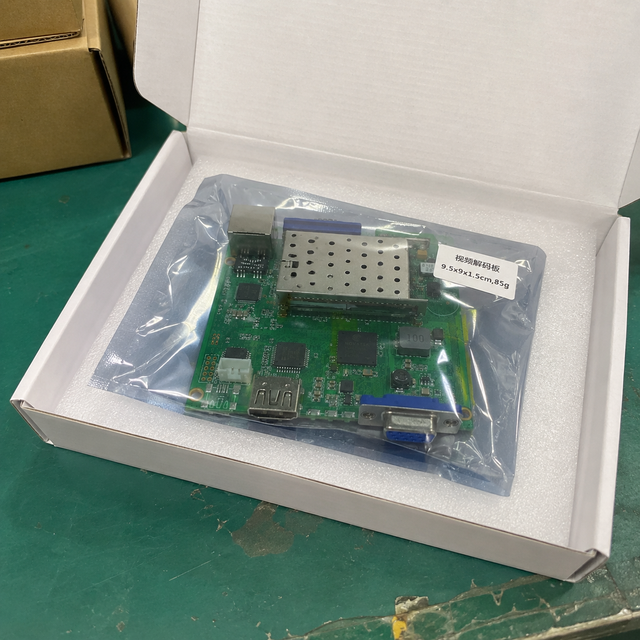
Low Latency H264 H265 Video Audio Data Encoder Decoder Module 4K HD-SDI IP RJ45
 Shenzhen Xing'ao Technology Co., Ltd.🇨🇳CN1 yr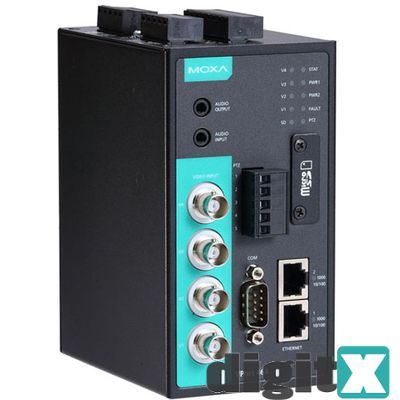
V Port 464 T Industrial Video Encoder 4 Channel Ethernet Module Poe Ip Camera Support Model 110251 Taiwan New Original
 Shenzhen Fuyejin Trading Co., Ltd.🇨🇳CN1 yr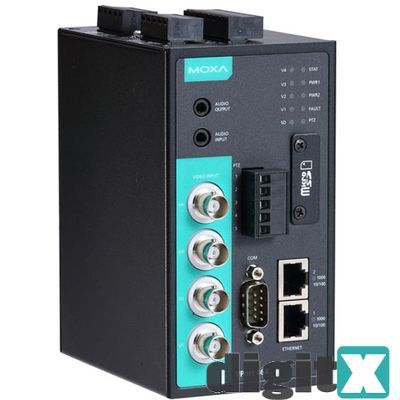
V Port 464 T Industrial Video Encoder 4 Channel Ethernet Module Poe Ip Camera Support Model 110251 Taiwan New Original
EC-V-H264-8B-30-1080-MXC-SL Video Encoder for Video Processing
 Shenzhen Zhongxing Communication Technology Co., Ltd.🇨🇳CN2 yrs
H.264 Video Encoder Module for Industrial Video and Surveillance Systems DC-VA-H264-10B-60-1080-MXC-LL
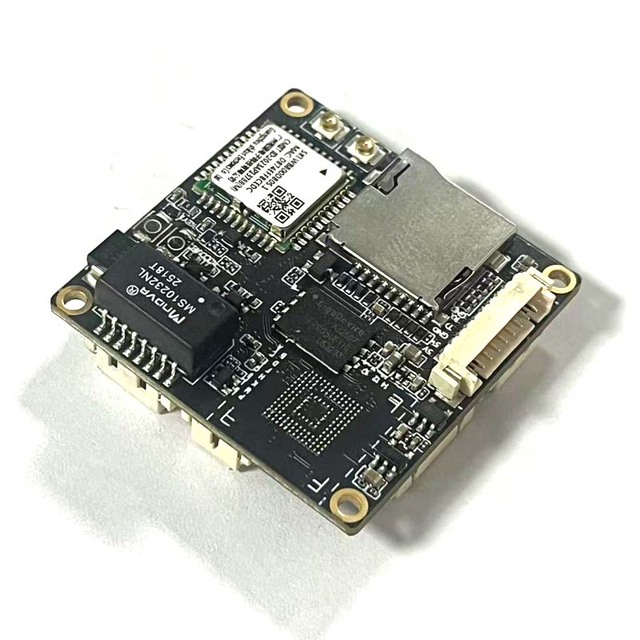
Algorithm Development Camera Module Adopt RV1106 Encoder H.264/H.265 WiFi RJ45 Network Storage Camera Module
 Shenzhen Sinoseen Technology Co., Ltd.🇨🇳CN7 yrs
HUSS-E4E 4-CH Network Video Encoder 12V 2A HUSSE4E
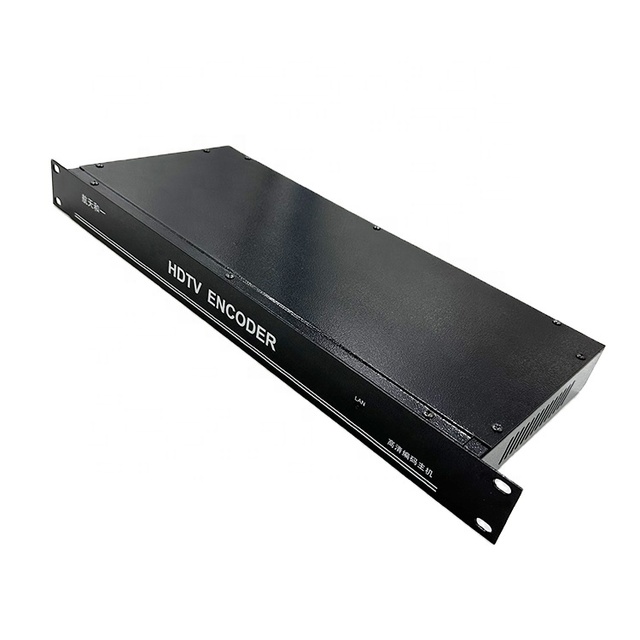
8 port encoder HDTV 8 Channel H265 4K Encod Video Encoder H264 Iptv
 Hunan Maiqiang Network Technology Co., Ltd.🇨🇳CN6 yrs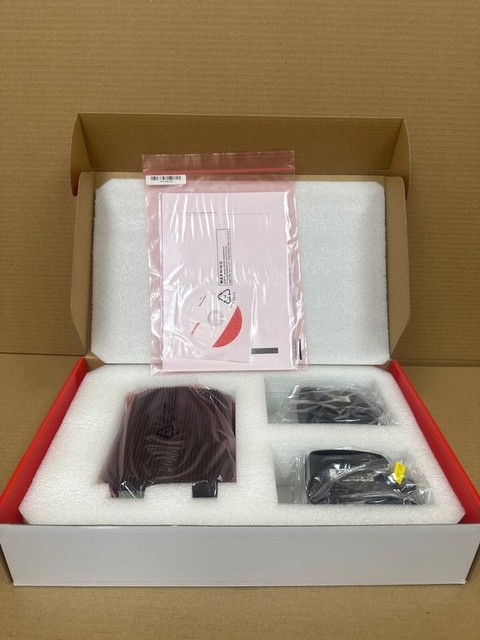
HVE4X video encoder
Deep Dive · Full Report
Full Market Report
1 document · Live-fetched from source
Related Searches
Explore more sourcing topics & related categories
Sources & References
25 sources cited · Verified industry data & reports
Webcam Market - Analysis, Share & Demand
www.mordorintelligence.com
Separately, country-specific cybersecurity mandates for cameras advanced in Asia, including South Korea's KATS making KS X 3007:2026 mandatory (May 2026) and Vietnam's Ministry of Public Security issuing Circular 48/2026/TT-BCA that brings QCVN 11:2026/BCA into effect from July 1, 2026 for IP camera cybersecurity. It reinforces a broader trend toward regional, model-level security conformity beyond baseline international standards such as IEC 62676-4:2025 (published October 2025). The webcams market size was valued at USD 10.07 billion in 2025 and is estimated to grow from USD 10.57 billion in 2026 to reach USD 13.92 billion by 2031, reflecting a 5.66% CAGR over the forecast period (2026-2031). Several converging forces drive this expansion, including corporate commitments to hybrid work, the surge in live streaming, falling average selling prices, and the rapid integration of AI-powered imaging features. Enterprise buyers now standardize on external 4K units for conference rooms and executive offices, while healthcare providers adopt diagnostic-grade cameras to support tele-medicine. Note: Market size and forecast figures in this report are generated using Mordor Intelligence’s proprietary estimation framework, updated with the latest available data and insights as of January 2026. ... Corporate video-conferencing suites transitioned from convenience tools to mission-critical infrastructure in 2025. Zoom reported 4,274 customers producing more than USD 100,000 in annual recurring revenue, a cohort that standardizes on external 4K webcams to ensure board-level image fidelity. Large employers upgraded 27%-35% of meeting spaces in 2025, replacing embedded laptop cameras that lack optical zoom and low-light prowess. Webcam vendors selling connected USB cameras operate under a patchwork of product safety, EMC, and radio rules (when wireless features are bundled), alongside privacy and emerging cybersecurity requirements that increasingly treat cameras as security-relevant endpoints. In the United States, FCC equipment authorization remains a key gate for peripherals that incorporate radio modules, and the Commission has also tightened scrutiny around the integrity of certification bodies and test labs, including rule updates in August 2025 that expanded restrictions on participation by entities deemed prohibited. In 2026, several policy and standards actions sharpened compliance requirements that can affect webcam designs and go-to-market operations, particularly for models with onboard compute and network-like features.
Webcam Market Size, Trends and Industry Share Report 2026
www.thebusinessresearchcompany.com
Global Outlook – By Product ( USB, Wireless), By Technology ( Analog, Digital), By Application ( Video Conference, Security And Surveillance, Visual Marketing, Entertainment, Live Events, Other Applications), By End-User ( Healthcare, Tourism, Retail Shopping Centers, Enterprises, Other End-Users) – Market Size, Trends, Strategies, and Forecast to 2035 · Purchase This ReportDownload Sample PDFAdd to Cart · Home>Reports Store>Electrical And Electronics>Global Webcam Market Report 2026 The webcam is available with analog and digital technology and offer various applications such as video conference, security and surveillance, visual marketing, entertainment, live events, and others. These are used by various end-users such as healthcare, tourism, retail shopping centers, enterprises, and others. ... The webcam market size has grown rapidly in recent years. It will grow from $10.97 billion in 2025 to $12.5 billion in 2026 at a compound annual growth rate (CAGR) of 14.0%. The growth in the historic period can be attributed to growth in video conferencing adoption, early use of webcams for instant messaging, rise in basic home monitoring systems, increasing adoption of digital communication tools, expansion of enterprise telepresence usage. • Webcam market size has reached to $10.97 billion in 2025 • Expected to grow to $20.95 billion in 2030 at a compound annual growth rate (CAGR) of 13.8% • Growth Driver: Webcam Market Surges Amid Growing Demand For Security And Surveillance Solutions • Market Trend: Innovations In Smart Imaging Technologies Enhance Video Quality And User Experience • North America was the largest region in 2025 and Asia-Pacific is the fastest growing region. Webcams are categorized under input devices that can capture pictures and HD videos and are implemented for videoconferencing and security surveillance purposes. These cameras are installed with the software on the computer that helps to transmit its video in real-time. Major companies operating in the webcam market are focusing on developing advanced solutions, such as AI-enabled smart imaging features, to improve video clarity, enhance user control, and enable more intuitive content sharing. Smart imaging refers to integrated technologies in webcams that automatically optimize resolution, lighting, framing, and camera behavior to deliver a superior video experience across communication, streaming, and professional applications.
Webcam Market Size, Share & Trends | Industry Report 2035
www.emergenresearch.com
Growing data privacy and cybersecurity concerns surrounding internet-connected camera devices continue to create consumer hesitancy around certain webcam features, particularly always-on AI tracking and facial recognition capabilities that some users perceive as a surveillance risk rather than a convenience feature. When the US-Iran conflict escalated from late February 2026, supply chains for camera sensors, AI processing chips, and optical components used in webcam manufacturing reported elevated freight costs and extended lead times through Q1 and Q2 2026, affecting delivery schedules for webcam vendors sourcing components from Asian electronics suppliers. Logitech, which is headquartered in the United States and Switzerland, announced the Rally Camera Streamline Kit in January 2025, a USD 2,199 pan-tilt-zoom solution designed for hybrid learning environments, reinforcing the pace at which established vendors continue to expand premium product lines targeting education and enterprise video conferencing customers. When the US-Iran conflict escalated from late February 2026, North American webcam manufacturers sourcing camera sensors and AI processing chips from Asian suppliers reported tighter component availability and elevated freight costs through Q1 and Q2 2026, though large diversified electronics vendors experienced less disruption than smaller specialty webcam makers. Cisco unveiled its Room Bar BYOD video bar at Cisco Live Amsterdam in February 2025, featuring USB-C connectivity and AI-powered capabilities including voice commands, facial recognition, and real-time transcription designed for European enterprise video conferencing customers. When the US-Iran conflict disrupted freight logistics in early 2026, European webcam distributors with component exposure to Asian electronics manufacturing reported extended lead times on camera module and sensor shipments through Q1 and Q2 2026. South Korea and Japan's established camera sensor and optics supply chains continue to support both domestic webcam brands and international vendors sourcing components from the region, while India's growing online education and remote work adoption is expanding the addressable consumer webcam market. When the US-Iran conflict escalated from late February 2026, webcam component manufacturers in Japan, South Korea, and China reported elevated freight costs from Gulf-linked shipping corridors through Q1 and Q2 2026.
Video Surveillance & Analytics Technology Trends of 2026
www.pelco.com
The growth of edge computing is a major technological shift in the security camera industry and a key 2026 CCTV trend. Edge computing refers to systems that perform functions at the device rather than at a separate server, enabling high-quality insights to be generated with less latency. Don’t add video analytics, day-to-night cameras and cloud servers all at once. Completely overhauling your video security without a proper risk assessment might create more problems than solutions. These CCTV trends for 2026 are set to continue and become more sophisticated over time. Elevate Maximize camera capabilities with direct camera-to-cloud technology. Calipsa Leverage AI video analytics to reduce false alarms and enhance security. Third-party Integrations Seamlessly connect systems, expand control and simplify security. ... Strengthen your physical security with the newest strategies, measures and technologies. Get your guide ... Looking at CCTV trends for 2026, the year will continue to see more organizations utilizing remote-first, scalable solutions. Security camera technology provides property owners and security teams with live footage of key locations, helping to protect people and assets from security threats and secure evidence of suspicious activities to aid investigations. CCTV cameras can also deter crime by showing intruders that a site is actively monitored. The use of AI is one of the 2026 video security trends.
Digital Camera Market Size, Share, Trends - Industry Analysis
www.mordorintelligence.com
USD 10.19 billion in 2026. ... Digital Camera Market Personalized to your industry & role. ... Images must be attributed to Mordor Intelligence. Learn more ... Mordor Intelligence's images may only be used with attribution back to Mordor Intelligence. Using the Mordor Intelligence's embed code renders the image with an attribution line that satisfies this requirement. In addition, by using the embed code, you reduce the load on your web server, because the image will be hosted on the same worldwide content delivery network Mordor Intelligence uses instead of your web server.Copied! Industry classification uses HS codes such as 8525.89, 9006.53, and 9006.59, which affect tariff outcomes by destination; the United States enforces Section 301 remedies on certain China-origin imports. In India, BIS certification requirements apply to camera imports, while Europe is tightening consumer policies around repairability, with member-state adoption of repair rules from 31 July 2026 increasing spare-parts availability and service readiness. Digital camera market size in 2026 is estimated at USD 10.19 billion, growing from 2025 value of USD 9.74 billion with 2031 projections showing USD 12.78 billion, growing at 4.62% CAGR over 2026-2031. By lens type, interchangeable systems commanded 59.62% of the digital camera market size in 2025 and are projected to expand at a 5.52% CAGR during 2026-2031.
Security Camera Market Growth Analysis - Size and Forecast 2026-2030 ...
www.technavio.com
A dominant trend reshaping the security camera market is the industrialization of edge computing in surveillance. This shift involves moving AI-driven video analytics from centralized servers directly onto devices like AI-powered cameras, enabling real-time decision-making. Europe's market is heavily shaped by GDPR compliant security cameras, pushing innovation in privacy-enhancing technologies. In South America and the Middle East, adoption is growing in commercial and industrial sectors, with an increasing interest in integrated access control and video systems. Our researchers analyzed the data with 2025 as the base year, along with the key drivers, trends, and challenges. The industry is also grappling with the impact of data localization laws on video storage, which forces multinational companies to rethink their cloud strategies. For residential and small business markets, there's growing interest in best practices for subscription-free local camera storage. Technologically, innovation focuses on using thermal and radar sensors in surveillance to reduce false alarms and improve detection in adverse conditions. This ties into the broader trend of integrating security cameras with digital twin technology. A third major driver is the escalation of sentient space development and digital twin integration, where surveillance data from high-resolution industrial cameras is used to create virtual models for optimizing city management and industrial processes, improving resource allocation by up to 20%. The industrialization of edge artificial intelligence processing is a primary market trend. This involves embedding complex algorithms directly onto security hardware for real-time, decentralized video analytics.