Video Codec H 264

Overview
Product sourcing insights & recommendations
As of 2026, the H.264 (AVC) video codec remains the industry's universal "safe default" for device compatibility, though it is navigating a complex transition period characterized by plateaued growth and significant licensing shifts.
Market Trends & Insights (2026)
* Universal Dominance & Plateau: H.264 holds an 84% production deployment rate Streamingmediablog, maintaining its status as the most widely supported codec across legacy TVs, smartphones, and browsers. However, it is now considered a plateaued standard as growth shifts toward HEVC (65%) and AV1 (40% planned for 2026) Streamingmediablog.
* Licensing Fee Surge: In a major 2026 update, the Via Licensing Alliance (Via LA) increased streaming fee caps for new implementers to as much as $4.5 million annually for large-scale platforms (e.g., 100M+ OTT subscribers) Videocardz. Existing licensees (pre-2026) are grandfathered into previous terms, creating a "last-ditch" monetization effort before open standards like AV1 take over.
* Strategic Fallback Role: For modern streaming services (Netflix, YouTube), H.264 is no longer the primary codec for high-res assets but remains the essential fallback for broad reach. Most services now deploy a "ladder" strategy, using AV1 for 20-30% of traffic and H.264 for the remaining legacy device pool Forasoft.
Product Trends
Current hardware trends emphasize multi-codec versatility and low-latency IPTV applications:
* Hardware Acceleration: GPUs command 72% of the hardware acceleration market, with NVIDIA’s NVENC being the primary H.264 encoding engine StreamingmediablogNetint.
* IPTV & Live Broadcast: Demand is high for 4K hardware encoders that support both H.264 and H.265 to bridge the gap between legacy broadcast and modern IPTV workflows.
H.264 Hardware Encoder 4k Hdmi
Products · 2 lists
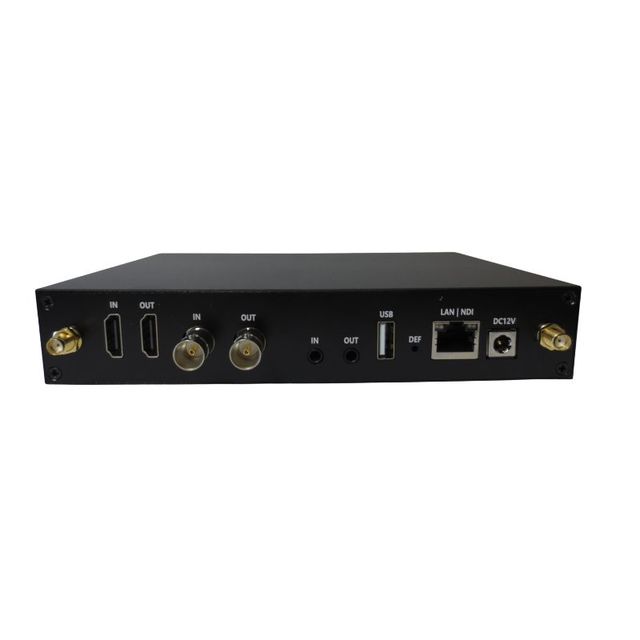
4K SDI HD Video IPTV Hardware Encoder Decoder Live Stream Codecs with RTMP for YouTube Facebook Live Broadcast
 Hangzhou Leiou Technology Co., Ltd.🇨🇳CN5 yrs
HDMI Encoder 4K H.265 IP Video Encoder for IPTV Live Streaming SRT RTMP
 Shenzhen Uray Technology Co., Ltd.verified🇨🇳CN10 yrs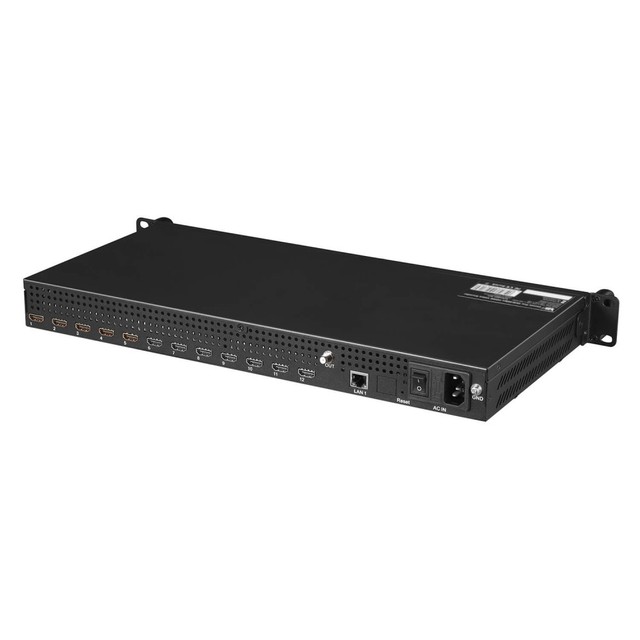
TBS2812 12 Channels Input 4K IP Video Encoder Live Streaming H.265 H.264 Udp Rtp Rtmp for Modulator with Metal and AAC Audio
 Turbosight Tech Limited🇨🇳CN20 yrs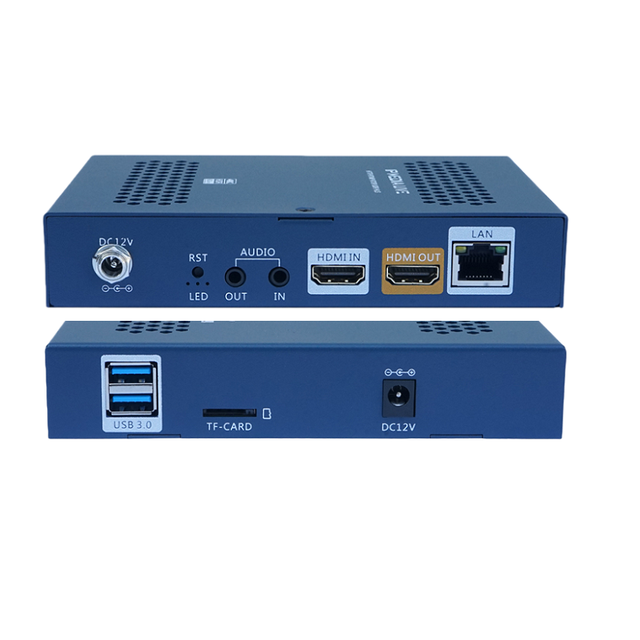
Live streaming Hardware Encoder 4k 2 profiles
 Hangzhou Huafan Technology Co., Ltd.🇨🇳CN3 yrs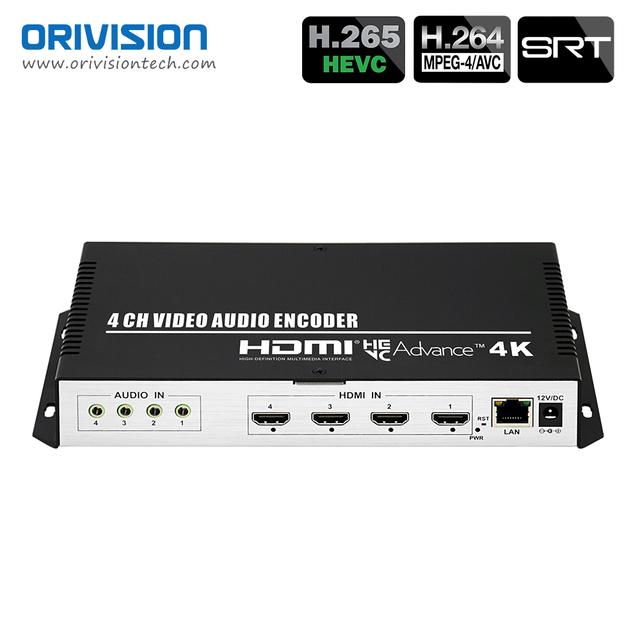
4 Channels HDMI Video Encoder 4K 1080P H.265 H.264 SRT Encoder for Live Streaming and Video Conferencing
 Orivision Electronics Co., Ltd.🇨🇳CN11 yrs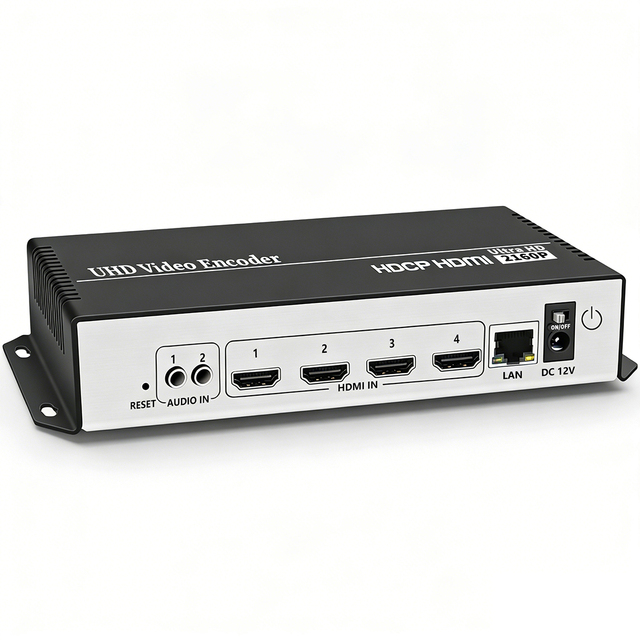
4 Channels H.265 H.264 Rtmp Srt Stream Video Encoder Hdcp hd hdmi to Ip Live Streaming Encoder
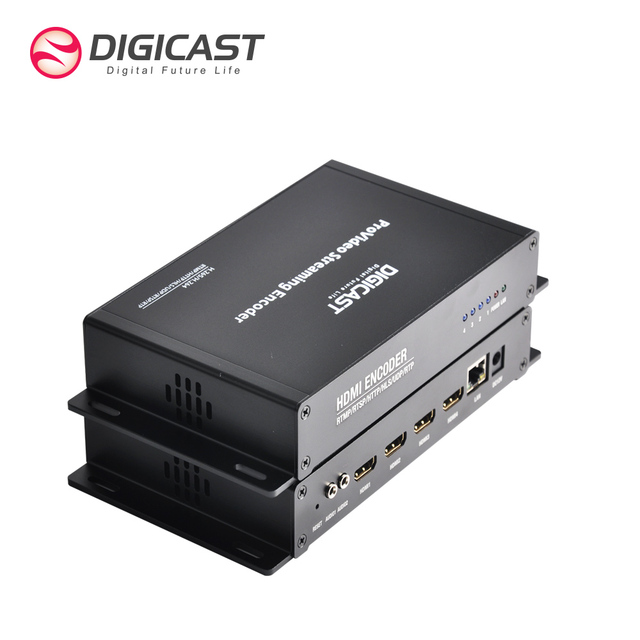
Portable Low Cost 4 Channels HD 4k HDM I Encoder IPTV Encoder with HTTP SRT HLS RTMP UDP RTP Out
 Hangzhou Dtvane Technology Co., Ltd.🇨🇳CN13 yrs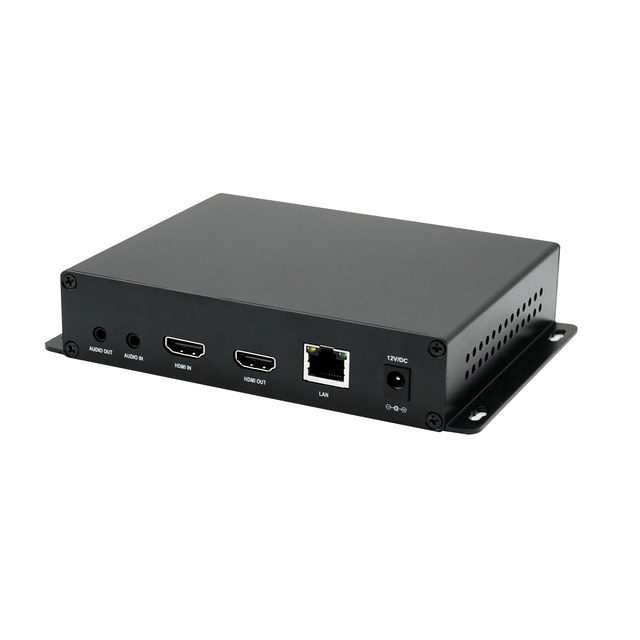
H264 H 264 HEVC H265 H.264 Hardware UDP Multicast Input IPTV HD MI Encoder
 Shenzhen Clir Technology Limited🇨🇳CN13 yrs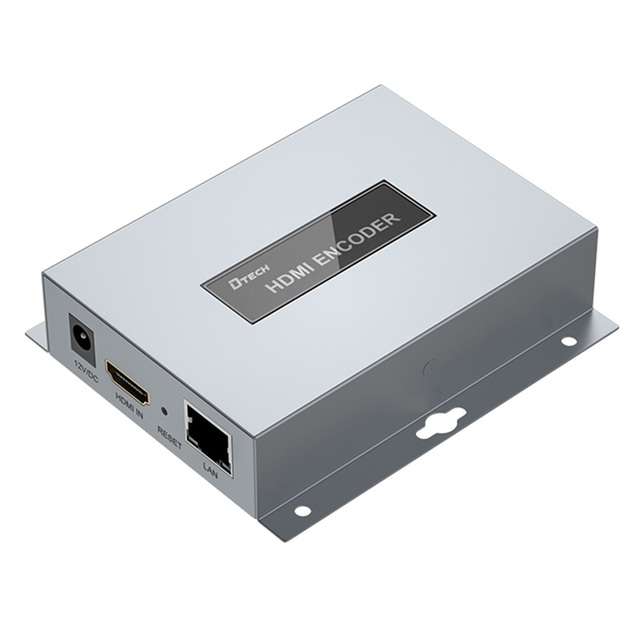
DTECH H.264 4k RTMP/PTSP/HTTP/ONVIF/UDP 1080P@60hz Video Decoder HDMI Encoder
 Guangzhou Dtech Electronics Technology Co., Ltd.verified🇨🇳CN21 yrs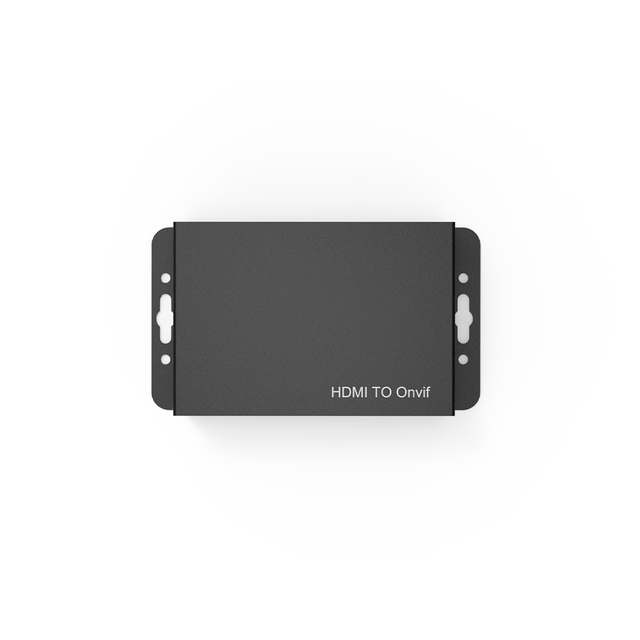
H.265 HDTV Video Encoder SRT/RTSP/RTMP/UDP/RTP Aluminum DVR Cards with 4-Channel Output USB-C Power for HK IPTV Live Streaming
 Huizhou Ao Shi Technology Co., Ltd.🇨🇳CN4 yrs
Video Capture Card AV signal to USB H264 Hardware Encoding
 Shenzhen Xinzhe Electronics Co., Ltd.🇨🇳CN2 yrs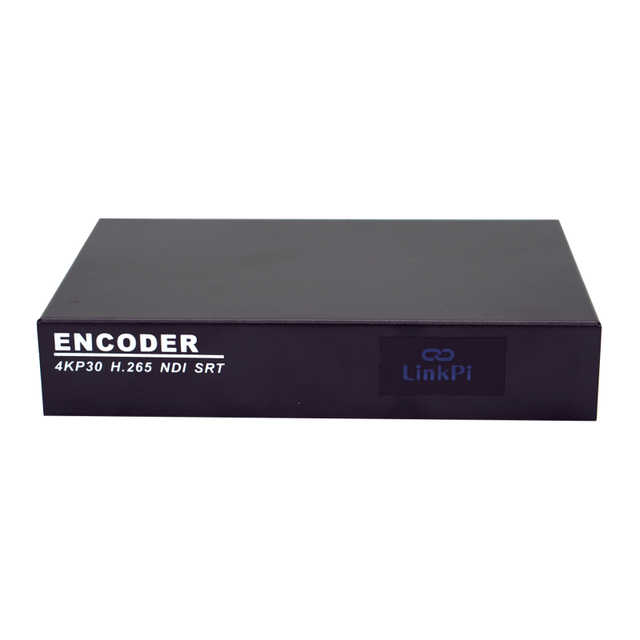
Encsh SDI encoder NDI encoder 4K SRT RTMP h265 live broadcast
 Shanghai Xuanxin Technology Co., Ltd.🇨🇳CN7 yrs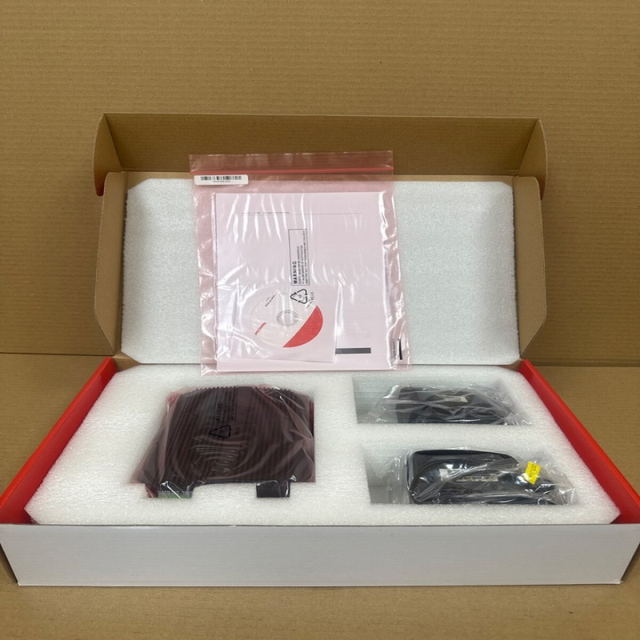
New Original Ready Stock HVE4X video encoder
 Xiamen Xinqing Trading Co., Ltd🇨🇳CN1 yr
Related Searches
Explore more sourcing topics & related categories
Sources & References
27 sources cited · Verified industry data & reports
New Codec Data: 40% of Respondents Plan to Deploy AV1 in 2026, ...
www.streamingmediablog.com
Dan Rayburn | Monday March 30, 2026 | 01:36 PM | Comments (0) ... New data from NETINT’s state of video encoding survey shows H.264/AVC sits at 84% production deployment, making the standard effectively universal and plateaued. HEVC is at 65% in production with another 20% planning deployment, putting it on a path toward H.264-level ubiquity. The report describes a clear codec progression ladder: organizations tend to climb from H.264 through HEVC and VP9 to AV1, meaning the current stack is a better predictor of next-gen adoption than company size or industry vertical. GPUs Dominate, But the Hardware Picture Is More Complicated Than It Appears GPUs hold 72% of the hardware acceleration market share, driven primarily by NVIDIA’s NVENC ecosystem. Content-aware ladder generation shows the highest planned growth at 77%, followed by QoE prediction at 50%. These are core encoding intelligence functions—they sit inside the pipeline and directly influence bitrate allocation, resolution selection, and quality optimization. This migration from auxiliary to core defines the AI trend in encoding for 2026. Among organizations using hardware acceleration, 41% deploy multiple hardware types simultaneously—GPU plus VPU, GPU plus on-premises appliance, or broader combinations. This is not a one-size-fits-all market. Organizations are matching different hardware to different workload profiles, and the data suggests this trend is accelerating rather than consolidating.
Video Encoding and Transcoding Market Size, Share, and Industry ...
markwideresearch.com
The Video Encoding and Transcoding Market valued at $6.8 Billion in 2026 is forecast to scale to $22.46 Billion by 2035, progressing at a 14.20% CAGR throughout the forecast period. OTT platforms drive adoption. H.265 and AV1 codecs displace legacy standards. Cloud encoder deployments concentrate in the United States, Germany, and Japan. ... 1.Insights2.Market Dynamics3.Report Scope4.Trends and Innovations5.Segmentation6.Regional Outlook7.Competitive Landscape8.Pricing and Supply Chain Analysis9.Analyst Recommendations10.Research Methodology11.Frequently Asked Questions Video encoding and transcoding encompasses the compression, format conversion, and bitrate adaptation of digital video streams using codecs such as H.264, H.265, VP9, AV1, and ProRes to enable efficient storage, transmission, and playback across heterogeneous devices and network conditions. Codec licensing structures create tiered cost profiles that reshape procurement decisions across content libraries. H.264:Mature compression standard with universal device decode support. ProRes:Apple intermediate codec anchors professional post-production workflows. H.264 retains the largest share; AV1 is climbing the fastest.
Global Video CODECs Market Size, Share, Trends & Forecast 2026-2034
www.verifiedmarketreports.com
Global Video CODECs Market Size By Type of Codec (Lossy Codecs, Lossless Codecs), By Usage/Application (Streaming Services, Video Conferencing), By Compression Standard (H.264/AVC, H.265/HEVC), By End User (Content Creators, Media and Entertainment Industry), By File Format Compatibility (MP4, AVI), By Geographic Scope And Forecast · Author By: | Edition : 7th Edition 2026 | Editor : Carter Morris I have a pre-defined budget. Can I buy chapters/sections of this report? ... Video CODECs Market size was valued at $ 2.53 Billion in 2026 & is estimated to reach $ 3.75 Billion by 2034, exhibiting a CAGR of 4.51% from 2026-2034 The transition from traditional codecs like H.264 to more advanced standards such as H.265/HEVC, AV1, and VVC exemplifies the industry’s response to the need for higher efficiency and lower latency, which are critical for supporting 4K, 8K, and immersive media formats. This incompatibility necessitates costly infrastructure upgrades, including hardware decoders and encoders, which can deter smaller players and emerging markets from adopting cutting-edge codecs. For instance, broadcasters transitioning from H.264 to HEVC or VVC face significant challenges in ensuring backward compatibility with existing distribution channels.
Video Encoder Market - Forecast & Industry Analysis
www.mordorintelligence.com
The market is valued at USD 2.67 billion in 2026 and is projected to reach USD 3.33 billion by 2031. ... Cloud/SaaS solutions are expected to post the highest 5.88% CAGR through 2031. ... H.264/AVC retains 44.20% share, remaining the most widely deployed codec despite efficiency limits. The video encoder market size is expected to grow from USD 2.55 billion in 2025 to USD 2.67 billion in 2026 and is forecast to reach USD 3.33 billion by 2031 at 4.54% CAGR over 2026-2031. This steady trajectory mirrors the sector’s ongoing transition from legacy H.264/AVC toward more efficient standards such as AV1 and VVC/H.266 while workflows migrate from fixed-function appliances to cloud-native infrastructure. Supply-chain pressures on ASIC and FPGA components, coupled with codec royalty uncertainties, temper near-term spending but simultaneously widen opportunities for royalty-free alternatives. ... By encoder type, hardware encoders led with 53.74% of the video encoder market share in 2025; cloud/SaaS solutions are projected to post the fastest 5.88% CAGR through 2031. By encoding standard, H.264/AVC captured 44.20% of the video encoder market size in 2025, while VVC/H.266 is expected to grow at a 5.29% CAGR to 2031. Migration from AVC to high-efficiency, royalty-free codecs (AV1) YouTube’s migration of all ≥480p assets to AV1 eliminated roughly USD 100 million in annual H.264 royalties and delivered 20% bitrate savings, illustrating powerful incentives to adopt open codecs.
Video Encoding Trends 2026: Industry Shift
netint.com
Video encoding trends 2026 reveal rapid AV1 adoption, growing VPU evaluation, AI integration, and major shifts in streaming infrastructure strategy. Organizations without an AV1 roadmap by mid-2026 risk falling behind the industry’s bandwidth efficiency curve at exactly the moment when CDN cost reduction has become a top three executive priority. ... GPUs command 72% adoption in hardware acceleration, driven primarily by NVIDIA’s NVENC ecosystem. But the survey reveals a market in active reconsideration. GPU-specific friction is mounting on three fronts: power consumption (39%), codec and feature gaps (37%), and insufficient stream density (35%) The organizations building durable infrastructure advantages in 2026 are those that have stopped treating these as opposing forces and started designing workflows where improvements in one reinforce the other. This post captures the signals that matter most, but the full report goes deeper across every dimension: codec adoption barriers, hardware trade-offs, AI integration patterns, and archetype-specific strategies. Download the full 2026 State of Video Encoding Report. is a veteran of the video ecosystem, working with disruptive innovation companies like NETINT to increase video codec standards and streaming video technology adoption. In addition to working at the forefront of building one of the world's first T-VOD services and driving early HEVC and AV1 adoption, Mark contributed actively to the development and growth of the digital locker initiative, Ultraviolet, breaking device-based content walled gardens, allowing consumers to enjoy video on any device, any time, and in any location.
How to Choose a Codec for Your Service in 2026: A Decision Tree
www.forasoft.com
Adoption numbers from the 2026 NETINT State of Video Encoding survey (286 industry respondents) tell you why this ladder is the default: H.264 / AVC has 84% production adoption, HEVC has 65%, VP9 has 15%, and AV1 has 17% in production with another 40% planning deployment by year-end, which would lift AV1 to 57% combined reach. Netflix said in December 2025 that AV1 now powers 30% of its streaming; YouTube delivers an estimated 75% of its high-resolution traffic in AV1. The trend line is clear, but the absolute numbers still demand a fallback. Choosing a video codec in 2026 is no longer a one-codec decision — every serious video service ships at least two and usually three codecs in parallel, then lets the player ask for the one the device can decode. The right starting point is your use case: video on demand and live OTT pick H.264 as the universal fallback, add H.265 / HEVC for premium 4K on Apple, and add AV1 for modern Chrome, Firefox, Edge, and recent Apple Silicon Safari; real-time conferencing still defaults to H.264 plus VP8 or VP9, with AV1 enabled only on hardware-capable devices; video surveillance stays on H.264 plus H.265; broadcast in Brazil and most DVB countries adopts H.266 / VVC, sometimes layered with MPEG-5 LCEVC. This is what Netflix, YouTube, Disney+, and every serious streaming service does in 2026. The reason is simple: no single codec has 100% device coverage, and bandwidth savings on the codecs that are supported pay for the engineering effort within months. The default ladder for OTT and VOD looks like this. H.264 / AVC at the bottom as the universal fallback — every browser, every smart TV, every phone made since 2008 decodes it. If you are a regional service with no Apple users on the roadmap — a Russian or Chinese platform, for instance — you can drop HEVC and run H.264 + VP9 + AV1, which sidesteps the HEVC patent pools entirely. We cover the patent-pool maths in the Patent and Licensing section further down. What we never recommend in 2026: a one-codec ladder.