Wearable Tracking Device

Overview
Product sourcing insights & recommendations
I have completed a comprehensive analysis of the wearable tracking device market for 2026. The industry is currently shifting from general fitness tracking to clinical-grade health intelligence, with a strong emphasis on AI-driven personalization and discreet form factors like smart rings. The global market is projected to exceed $105 billion this year, with the fastest growth occurring in the Asia-Pacific region.
The detailed report below covers key technological breakthroughs in Edge AI and flexible sensors, regional market share data, and specific product recommendations ranging from medical-grade ECG monitors to AI-powered sports watches.
Here is the detailed market report for wearable tracking devices. You can explore further by:
Wearable Smart Ring Fitness Tracker Health Monitoring
Products · 3 lists
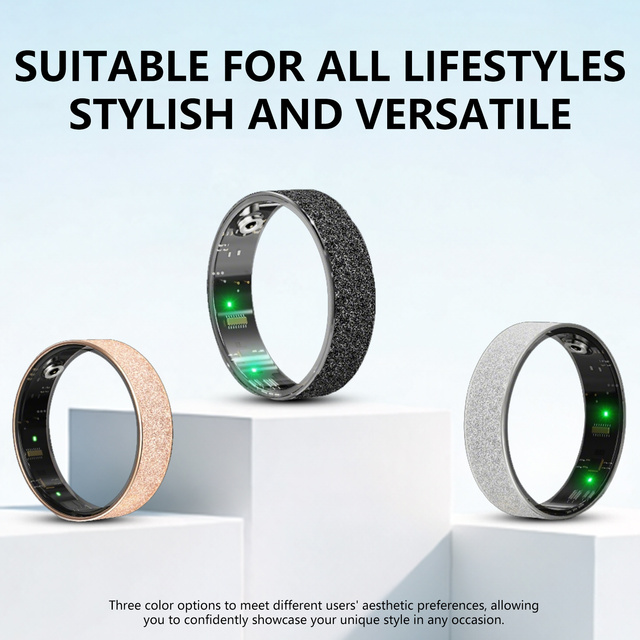
Waterproof Smart Ring V3 Health Monitor Sleep TrackerBlood Oxygen Heart Rate Monitor Sport Wearable Devices
 Yunnan Shanghai Industries Co., Ltd.verified🇨🇳CN9 yrs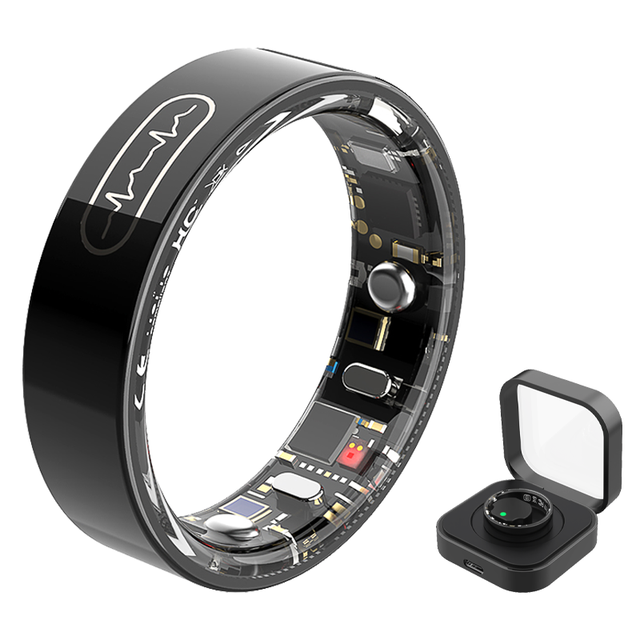
ECG R36 Custom Wearable Adjustable Fitness Tracker Sleep Health Tracking App Control IP68 Waterproof Stainless Steel Smart Ring
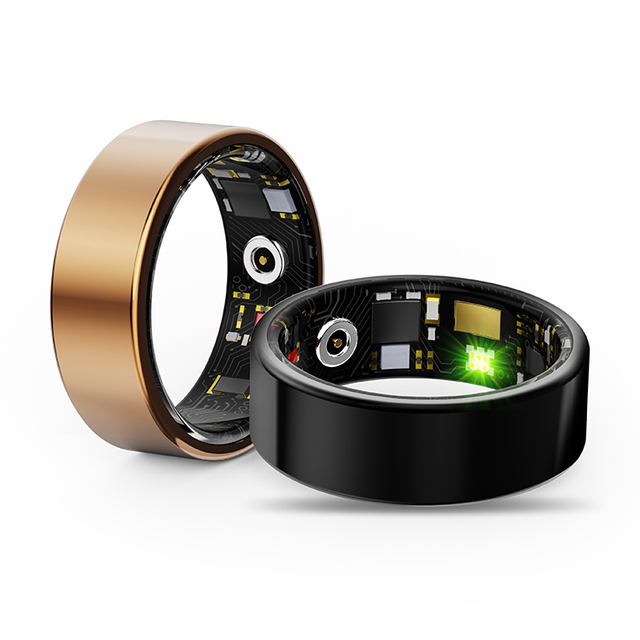
Fitness Wearable Ring Smart Health Blood Pressure Tracker Exercise Monitor Waterproof Stainless Steel Elegant Finger Ring R11M
 Sino-Shanghai Greentea Manufacturingverified🇨🇳CN8 yrs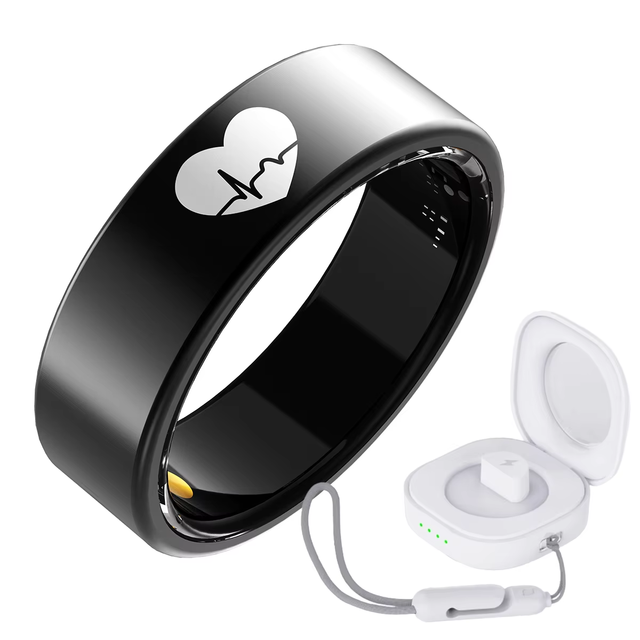
R30 Smart Ring for Health Tracking Heart Rate, Blood Oxygen, Sleep Monitor, 5ATM Waterproof, Unisex Fitness Wearable
 Sino-Shanghai Hangzhou Manufacturing🇨🇳CN1 yr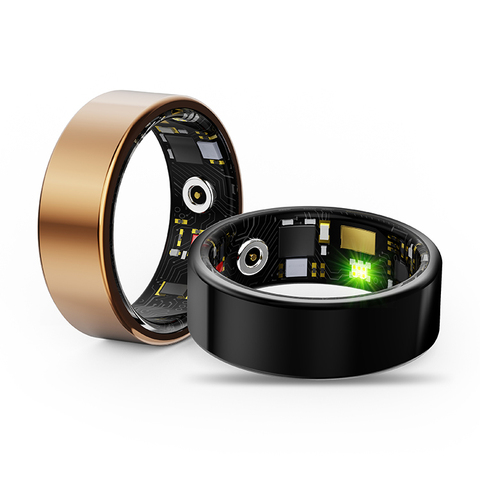
Wearable Tracking Device Pick #5 (622053)

Wearable Tracking Device Pick #6 (253729)
Deep Dive · Full Report
Full Market Report
1 document · Live-fetched from source
Related Searches
Explore more sourcing topics & related categories
Sources & References
25 sources cited · Verified industry data & reports
Wearable Technology Market Trend 2026 | Report by 2034
www.polarismarketresearch.com
Customers are using products such as smartwatches and fitness trackers to monitor and maintain their well-being in an active way. The expensive nature of complex devices could hold them back against price-conscious consumers and decelerate mass-market take-up. Wearables are improved through AI, which allows for more intelligent and personalized experiences for the user. It allows wearables to analyze real-time data and provide useful insights for health, fitness, and well-being. According to our wearable tech industry analysis, the market is projected to account for a CAGR of 12.3% between 2026 and 2034. The market for wearable technology has experienced significant growth driven by rising consumer interest in health and fitness tracking. The market also benefits from advancements in miniaturization and sensor technology, as well as rising demand for convenient, connected devices. Companies increasingly place emphasis on applications related to health and wellness as they utilize advanced sensor data and analytics to provide tailored insights for consumers. The use of strategic partnerships with healthcare providers and fitness platforms will be critical to expanding marketplace penetration. Successful marketing campaigns convey to potential customers the importance of convenience, style, and the health benefits of wearable devices by targeting specific segments and using multiple digital channels to reach a larger audience. The devices enable users to track their physical exercise progress. The combination of broad consumer appeal, ongoing product development, and lower average selling prices has created a major market presence for wearable technology in the consumer electronics industry.
Wearable Technology Market Size, Share, Latest Trends & Growth ...
www.marketsandmarkets.com
The market is growing due to the increasing adoption of AI-enabled wearable devices, the rising demand for continuous health monitoring, and the expanding use of connected technologies across consumer and enterprise applications. Products such as smartwatches, fitness trackers, smart rings, earwear, smart glasses, head-mounted displays, and smart clothing are witnessing strong demand as users seek enhanced health insights, productivity, communication, and immersive experiences. ... By region, North America is expected to dominate the wearable technology market with a 35–40% share, in terms of value, in 2026. June 2026 : Samsung announced major AI-driven health features for Galaxy wearables, including Vitals monitoring, Heart Health Score, Daily Cardio Load, and AI-powered wellness insights integrated into Samsung Health. June 2026 : Google expanded its wearable portfolio with Fitbit Air, a lightweight screenless fitness tracker focused on continuous health monitoring and an open accessory ecosystem. The global wearable technology market is expected to grow at a CAGR of 14.7% from 2026 to 2032 due to rising demand for smart health monitoring devices, advanced sensors, and connected consumer electronics. The global wearable technology market is projected to reach USD 104.94 billion in 2026. The market includes smartwatches, fitness trackers, smart rings, smart glasses, hearables, smart clothing, head-mounted displays, and other wearable electronic devices.
Wearable Technology Market Size, Share, Forecast Report 2026
www.businessresearchinsights.com
Key Market Driver: Rising digital health adoption influenced 68% of wearable technology demand, while fitness monitoring usage increased by 57% and remote patient tracking penetration reached 44% across connected healthcare ecosystems. Major Market Restraint: Battery performance limitations affected 36% of user satisfaction, while data privacy concerns influenced 42% of consumers and high device replacement rates impacted 28% of long-term wearable technology adoption. Emerging Trends: AI-enabled analytics integration expanded by 63%, smart ring adoption increased by 24%, and wearable technology featuring flexible displays accounted for 27% of newly launched premium devices during 2025. In 2025, nearly 52% of newly launched wearable devices included advanced biosensors capable of ECG, blood oxygen, and stress tracking. Smart ring adoption increased by 24% due to lightweight design and improved battery efficiency. AI-powered health recommendations embedded in wearable technology devices improved user engagement by 37%, while smartwatch-based digital payment transactions expanded by 33%. Around 47% of consumers preferred wearable devices supporting multi-device synchronization across smartphones, tablets, and healthcare systems. Another major trend shaping the wearable technology market is enterprise and industrial deployment. The global Wearable Technology Market is anticipated to witness consistent growth, starting at USD 238.37 Billion in 2026 and climbing to USD 931.33 Billion by 2035 with a steady CAGR of 16.35% from 2026 to 2035. The wearable technology market is expanding rapidly due to rising consumer demand for connected health monitoring, real-time fitness tracking, and AI-enabled smart devices. Artificial intelligence plays an important role in wearable technology by improving data analysis, providing personalized health insights, enabling predictive monitoring, and enhancing the overall functionality of smart wearable devices. Which region dominates the Wearable Technology Market? + North America dominates the Wearable Technology Market due to high consumer adoption of smart devices, strong technological infrastructure, and growing investments in digital healthcare solutions, while Asia-Pacific is witnessing rapid growth.
IDC - Wearable Devices Market Insights
www.idc.com
Total Wearable Device Market Size and Growth, 2030 (Units) 2026 2027 2028 2029 2030 Units 625,215,127 642,623,768 660,134,891 675,917,466 689,721,598 YoY Growth +2.2% +2.8% +2.7% +2.4% +2.0% Source: IDC Quarterly Wearable Device Tracker – Forecast 2025 Five Period Market Share: Top 5 by Company, 2025Q4 (Units) Company 2024Q4 2025Q1 2025Q2 2025Q3 2025Q4 Apple 22.8% 17.1% […] Looking ahead, total wearable device shipments are projected to grow 2.2% in 2026, with growth constrained by ongoing memory‑related supply limitations that are expected to place upward pressure on average selling prices. Growth is forecast to accelerate modestly to 2.8% in 2027 as supply conditions gradually improve. Government subsidies in China played a key role in driving demand, while Huawei’s increased investment in R&D and marketing—particularly around sports and fitness use cases—helped strengthen its position among more performance‑focused consumers. Wristbands grew 14.7% in 2025, largely driven by Xiaomi, which continued to focus on affordability and scale. Beyond traditional entry‑level devices, the category also showed early signs of premiumization. Inspired by the success of screen‑less health wearables such as Whoop, several vendors introduced recovery‑ and health‑focused wristbands aimed at more engaged users. Global wearable device shipments grew 9.1% year over year in 2025, reaching 611.5 million units, according to the latest data from IDC’s Worldwide Wearable Device Tracker.
Wearable Technology Market Size, Share Report 2026-2033
www.grandviewresearch.com
The eyewear & headwear segment is projected to grow at a significant CAGR from 2026 to 2033. Eyewear & headwear wearable devices, such as smart sunglasses, headbands, and helmets, are designed to monitor and track users’ biometric data, such as body temperature, brainwave, body pressure, and heart rate. Smart helmets help sports enthusiasts, including swimmers, riders, hikers, and travelers, gain insights, capture moments, and share real-time location updates with others. The wearable technology industry in the U.S. is expected to grow significantly from 2026 to 2033. Some of the major trends supporting this growth include a rising preference for wearable devices such as smartwatches, smart shoes, and smart sunglasses that offer features such as long battery life and water resistance. This report forecasts revenue growth at global, regional, and country levels and provides an analysis of the latest industry trends in each of the sub-segments from 2021 to 2033. For this study, Grand View Research has segmented the global wearable technology market report based on product, application, and region. Product Outlook (Revenue, USD Billion, 2021 - 2033) ... The global wearable technology market is expected to grow at a compound annual growth rate of 12.1% from 2026 to 2033 to reach USD 229.97 billion by 2033. The healthcare segment is expected to grow at a significant CAGR from 2026 to 2033. Key market players are focusing on innovating and introducing breakthrough wearable technologies for monitoring everyday consumer health, including blood sugar levels, heart rate, oxygen rate, and stress levels, among others.
CES 2026 Wearables Market Overview: From One-device Solutions to ...
counterpointresearch.com
Counterpoint’s key coverage areas: AI, Automotive, Cloud, Connectivity, Consumer Electronics, Displays, eSIM, IoT, Location Platforms, Macroeconomics, Manufacturing, Networks & Infra, Semiconductors, Smartphones and Wearables.Read more of the author's writing