Wifi 2.5

Overview
Product sourcing insights & recommendations
The term "Wi-Fi 2.5" primarily appears in three distinct business and technical contexts: 2.5Gbps Multi-Gig ports, the 2.4GHz frequency band, and specific Smart Home hardware like the Shelly 2.5.
1. 2.5Gbps Networking (The "2.5G" Port)
In the 2026 market, "2.5" most commonly refers to 2.5 Gigabit Ethernet (2.5GbE) ports on networking hardware.
* Market Position: 2.5G ports have moved from high-end niches to the mainstream standard for mid-range Wi-Fi 7 routers NytimesQz. They are essential for supporting fiber internet plans that exceed 1Gbps.
* Products: High-speed routers like the Zhibotong Factory Wi-Fi 7 now feature dual 2.5G WAN/LAN ports to eliminate hardware bottlenecks Alibaba.
* Trends: Multi-Gig connectivity is becoming a "minimum requirement" for enterprise and gaming setups Alibaba.
2. The 2.4GHz Frequency Band (Common Typo)
"Wi-Fi 2.5" is frequently used as a colloquial error for the 2.4GHz Wi-Fi band.
* Role in 2026: While 5GHz and 6GHz handle high-speed data, the 2.4GHz band remains the backbone for IoT (Internet of Things) devices due to its superior wall penetration and range IntelDlink.
* Congestion: It is highly crowded by household electronics, leading many users to seek "Multi-Link Operation" (MLO) in Wi-Fi 7, which optimizes 2.4GHz usage by combining it with faster bands NetgearQz.
3. Smart Home Products: Shelly 2.5
The Shelly 2.5 is a specific, high-demand Wi-Fi relay switch series.
* Function: A dual-channel wireless relay used for smart home automation (controlling lights or roller shutters) Alibaba.
* Technical Spec: It operates on 2.4GHz Wi-Fi and is prized for its small form factor and power monitoring capabilities Facebook.
Summary of 2026 Market Trends
| Trend | Market Insight |
|---|---|
| Wi-Fi 7 Adoption | Over 1,200 Wi-Fi 7 devices released by 2026; 77% support the 6GHz band Lb-Link. |
| Port Standardization | 2.5Gbps ports are now the standard for WAN/LAN in mid-to-high-tier consumer CPE ModemguidesQz. |
| Smart Hub Integration | Modern routers are increasingly integrating Matter and Thread protocols to act as central smart home controllers Qz. |
Based on these trends, here are your next steps:
Wi Fi 7 Router With 2.5gbps Lan Port
Products · 3 lists
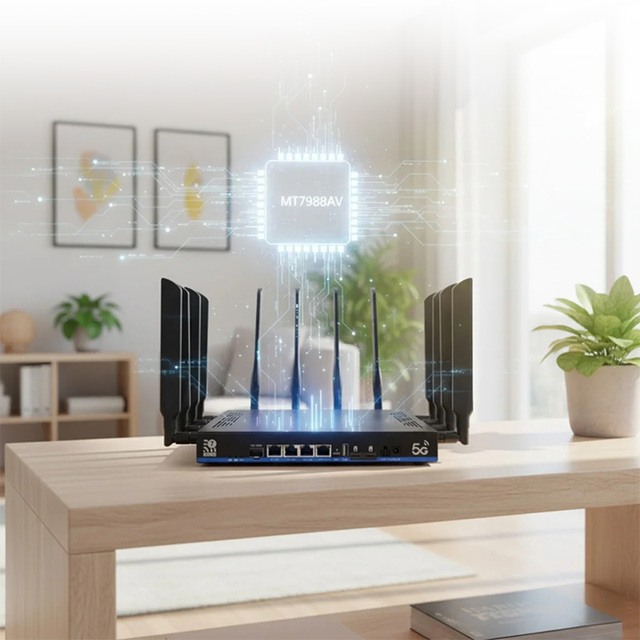
Factory WiFi 7 5G Wireless Router with Dual 5G 19000Mbps Tri Band 10G SFP Plus Port 2.5G WAN High Speed Wireless Router WiFi 7
 Shenzhen Zhibotong Electronics Co., Ltd.verified🇨🇳CN15 yrs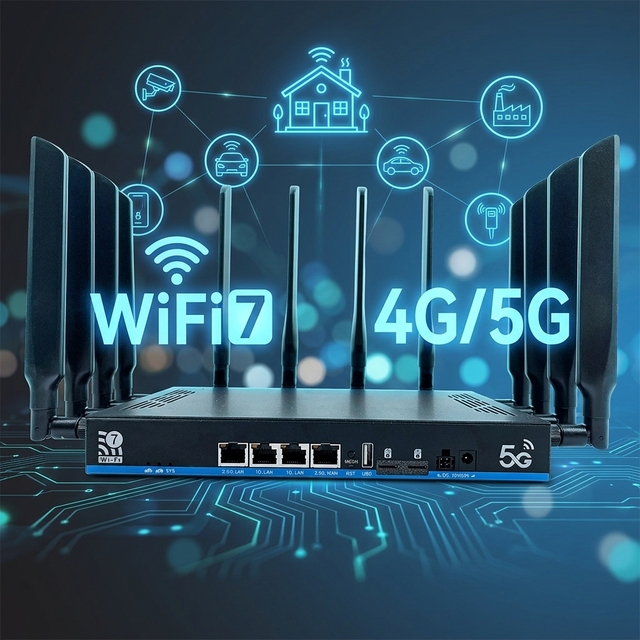
Enterprise 3 Bands WiFi 7 Router 5G SIM Card Modem 6GHz 19000Mbps Wireless Wi-Fi 2.5G WAN LAN USB 3.0 OpenWRT 4G LTE Modem
 Shenzhen Zhibotong Electronics Co., Ltd.verified🇨🇳CN9 yrs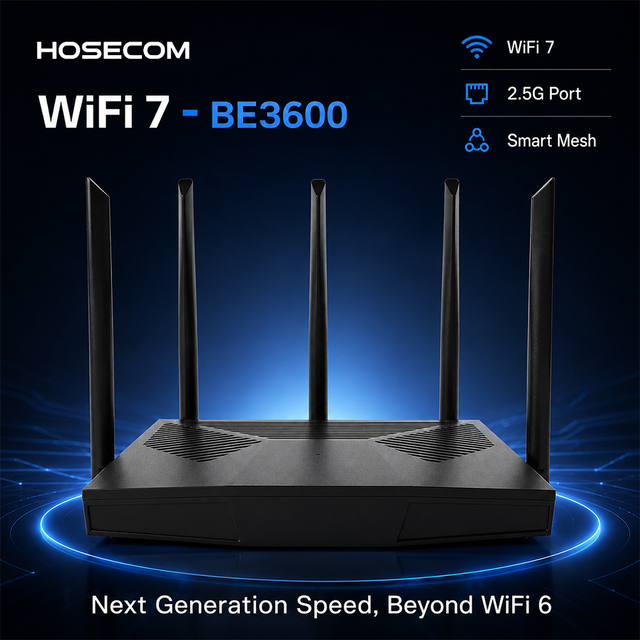
WiFi7 BE3600 Gigabit Mesh Router 3570Mbps Dual-Core CPU 2.5Gbps WAN/LAN Port 5 Antenna Whole Home Wireless Coverage Firewall
 HOSECOM LIMITED🇭🇰HK4 yrs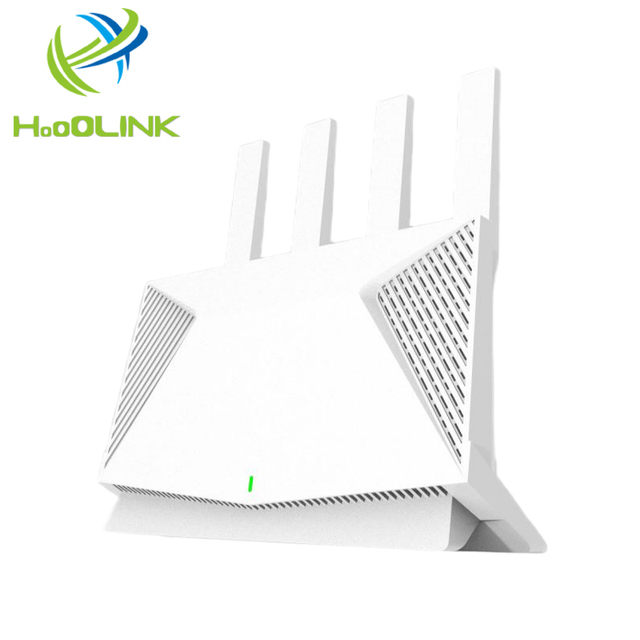
WIFI7 Router 802.11be Wireless WIFI7 Router 3600Mbps 2.5G WAN Port WIFI 7 Router
 Shenzhen Hooolink Technology Co., Limited🇨🇳CN10 yrs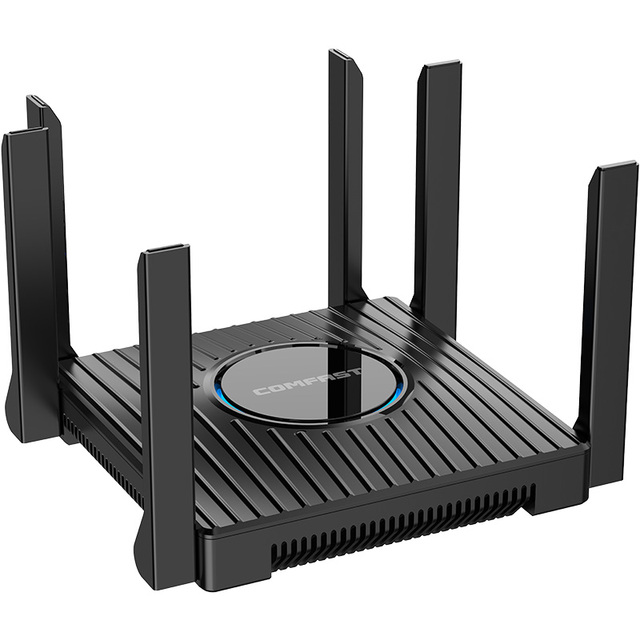
COMFAST BE3600 Dual Band Wi-Fi 7 Router 2.5G Ports Easy Setup Home Use Router
 Shenzhen Sihaijialan Electronic Technology Co., Ltd.🇨🇳CN11 yrs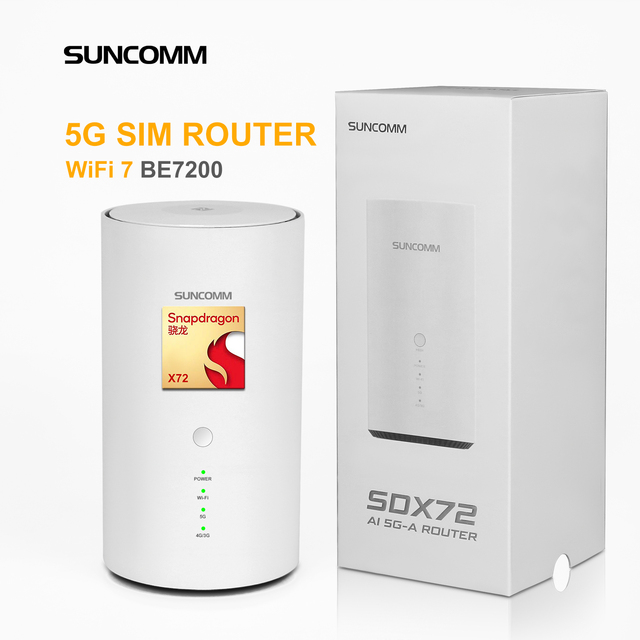
SUNCOMM SDX72 WiFi 7 5G Router NSA SA BE7200 Dual Band NFC Quick Connection 2.5Gbps Port VoIP 256User Smart Home 4G 5G CPE
 SHENZHEN SUNCOMM INDUSTRIAL CO.,LTD.verified🇨🇳CN6 yrs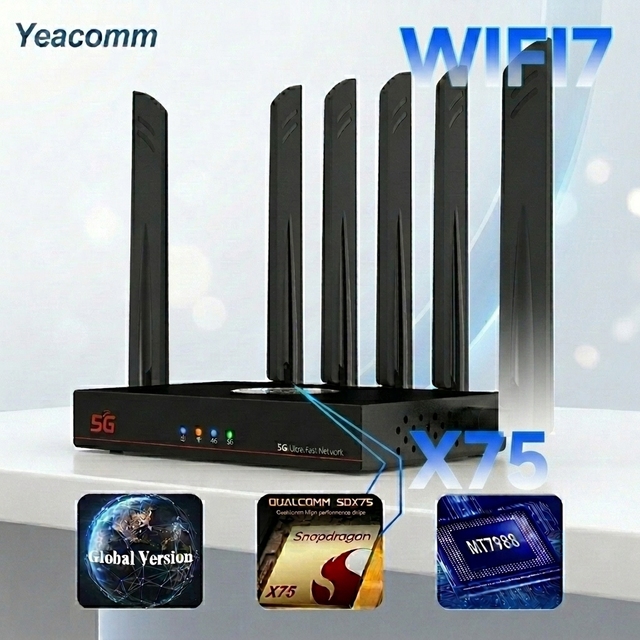
Yeacomm NR820E Ultra 5G CPE Wi-Fi 7 BE5000 Router Qualcomm SDX75 MT7988 Mesh Wireless Router with 2.5G WAN Port IP30 5G Router
 Xiamen Yifan Communication Technology Co., Ltd.verified🇨🇳CN17 yrs
Wifi 7 3600Mbps 3600Mbps AX3600 Dual Band Mesh Wifi Wireless Router With 2.5G WAN LAN Port
 Shenzhen Huachuangyilian Electronics Co., Ltd.🇨🇳CN5 yrs
WiFi7 Dual-Band Gigabit Mesh Router 8 Antennas Whole House Coverage Firewall Game Acceleration 2.5G Network Port Home BE3Pro
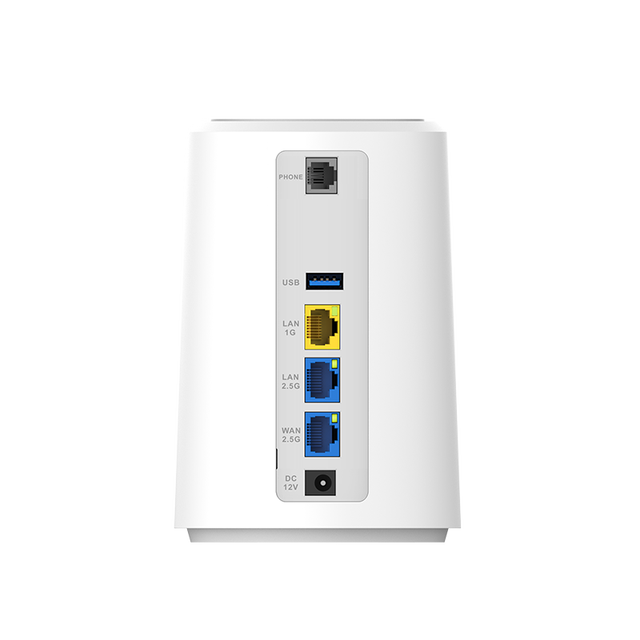
WiFi 7 BE6500 Dual Band Wireless Modem Router 2.5G Port High Speed Internet Gaming with Firewall QoS MLO Technology Home Office
 Shenzhen Bolian Communication Technology Co., Ltd.🇨🇳CN1 yr
![Ylwr3600h Easy Edition Dual Frequency [2.5G] Wi-Fi 7 Wireless Router 5 FEM External 5 Antenna 1 2.5G Network Port 3 Gigabit](https://s.alicdn.com/@sc04/kf/H8c23f752134c450cbbd99d004761f3950.jpg_640x640.jpg)
Ylwr3600h Easy Edition Dual Frequency [2.5G] Wi-Fi 7 Wireless Router 5 FEM External 5 Antenna 1 2.5G Network Port 3 Gigabit
 Hangzhou Xiaoyou Automation Technology Co., Ltd.🇨🇳CN3 yrs
WIFI7 5G CPE Sim Router Wireless WIFI7 5G Router with Sim Slot
 Shenzhen Bailingjia Technology Co., Ltd.🇨🇳CN17 yrs
2024 5G Router G5 Pro MC8512 WiFi 7 BE7200 Dual 2.5G Ports With Sim Card 5G AI CPE Router
 Shenzhen Gnetop Technology Co., Ltd.🇨🇳CN6 yrs
SDX72 WiFi 7 Router Mesh Dual Band NFC Quick Connection 2.5Gbps Port VoIP Smart Home 4G 5G CPE New Firewall VPN
 Shenzhen Createk Technology Co., Ltd.🇨🇳CN1 yr
WiFi7 Wireless Router Xingyao Tianxie BE72 PRO 2.5GE Gigabit Ethernet Port Home High-Speed Wall-Penetrating King
 Beijing Fengyuan Tengda Technology Co., Ltd.🇨🇳CN9 yrs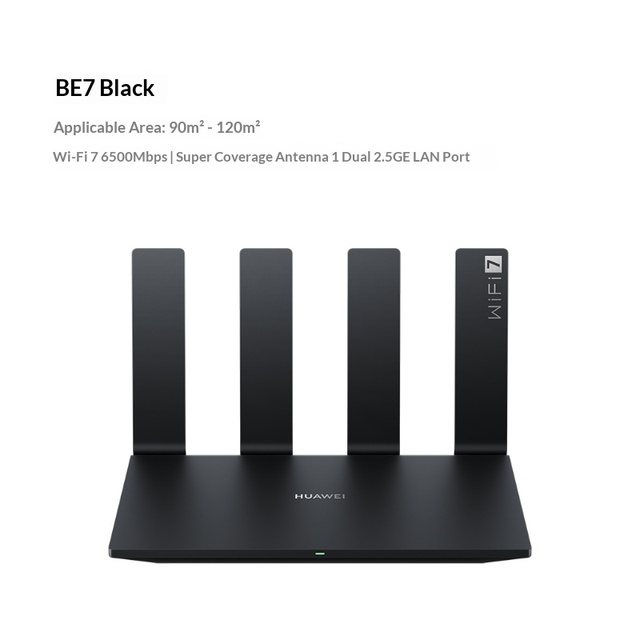
Hua Wei Router BE7 Pro Wi-Fi 7 6500 Mbps Ultra-Thin Antenna 2.5GE Network Interface Firewall WPS Support Gigabit Wireless Router
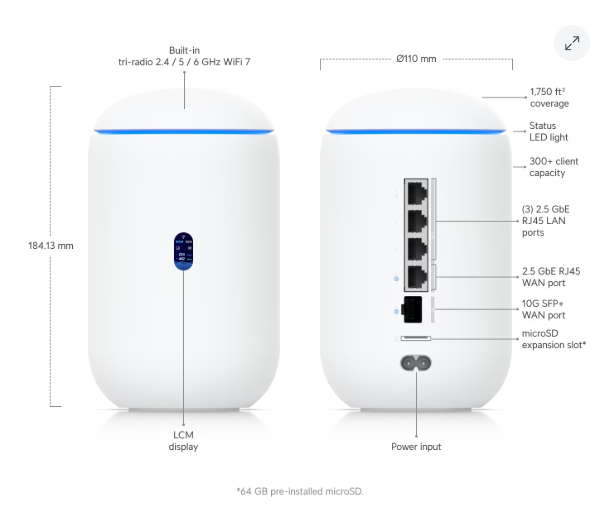
UniFi Dream Router 7 UDR7 All in One WiFi 7 Cloud Gateway 10G SFP+ 2.5G PoE Integrated Controller NVR for Home Small Business
 HUADA GROUP CO.,LTD🇨🇳CN9 yrs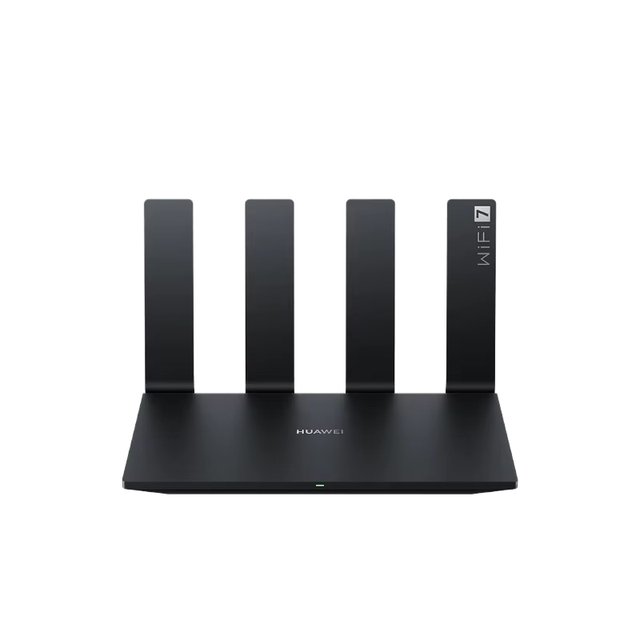
For Huawei Be7 Wi-Fi Gigabit Router 6453Mbps Ultra-Thin Film Antenna Dual 2.5GE Network Port Firewall Home Wireless Wall Router
 Shenzhen J.D.N Technology Co., ltd.🇨🇳CN2 yrs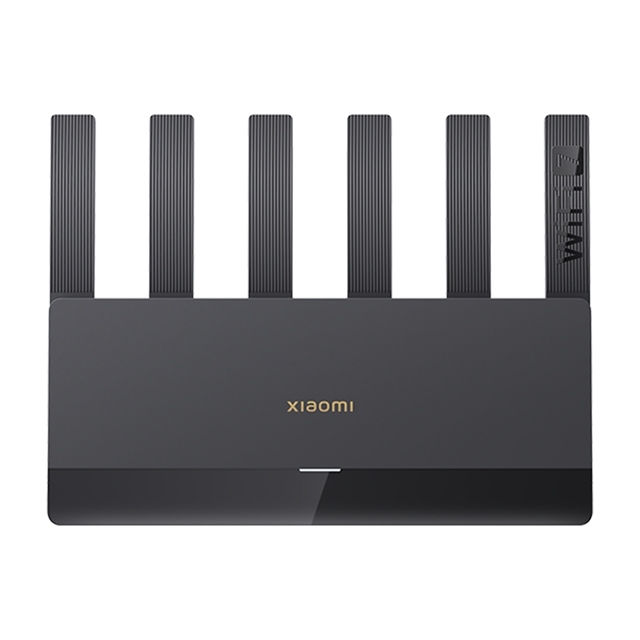
Original Xiaomi WiFi 7 Router BE6500 Dual Band 6400Mbps 2.5G Ethernet Ports for High-Speed Home Network
 Shenzhen PULUZ Technology Limited.🇨🇳CN5 yrs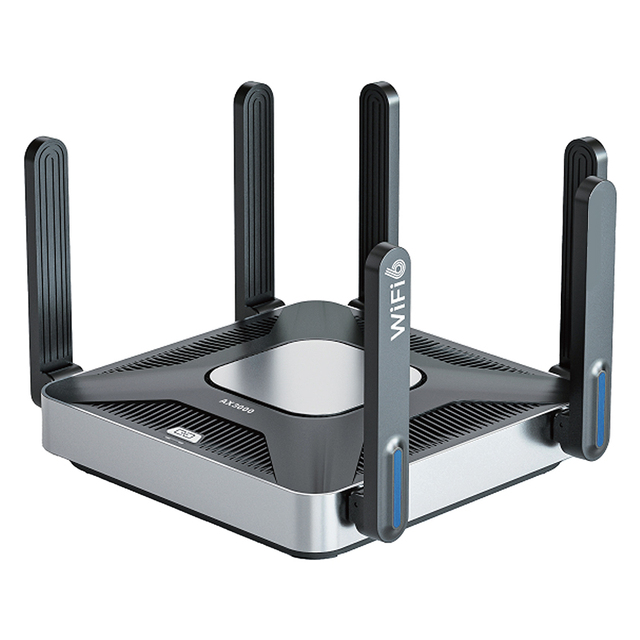
Original Design WN591BE5 Advanced Wi-Fi 7 BE9400 Dual-Band Wireless Router All 2.5G Port Mesh Extender Router
 Winstars Technology Limited🇨🇳CN19 yrs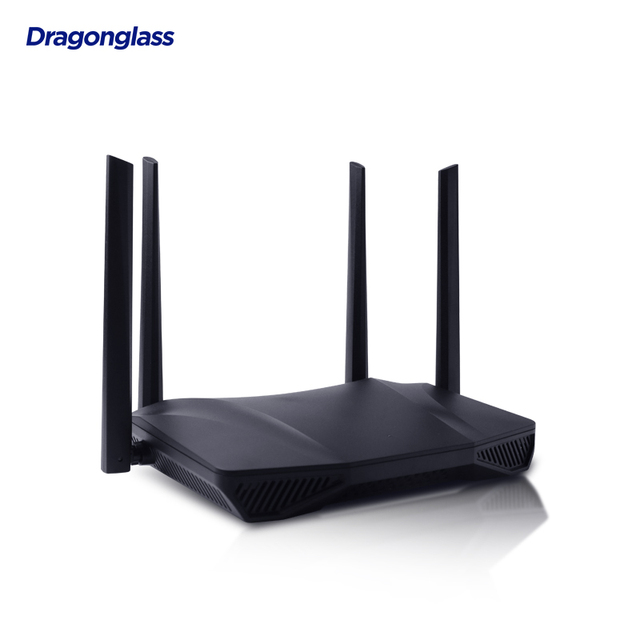
OEM/ODM WIFI 7 Mesh Network Router 3600Mbps Dual Band 2.4G/5G Whole Home Wireless WiFi Router
 Dragonglass Technology (shenzhen) Co., Ltd.🇨🇳CN4 yrs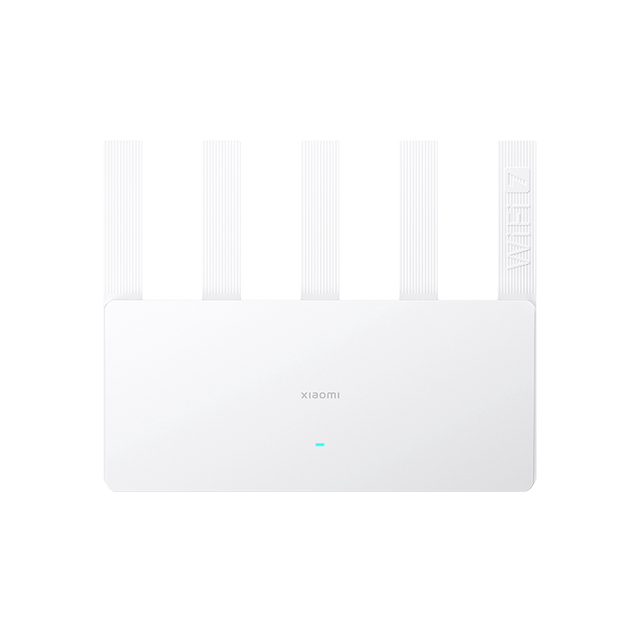
Mi Router BE5000 2.5Gbps Network Interface Wall-penetrating High-speed Gigabit Wireless Router Home Use
 Fujian Hengfang Network Technology Co., Ltd.🇨🇳CN7 yrs
NEW NR5307 5G Indoor Router 5G CPE WiFi 7 BE7200 Dual 2.5G Ports
 Shenzhen Chu-Tech Co., Ltd.🇨🇳CN14 yrs
RG-RAP2270(MG) RG-RAP2271(MG)RG-RAP2370(H) Dual Band 2.5G Ceiling AP Wi-Fi 7 3600Mbps 5100Mbps 13000Mbps Routers
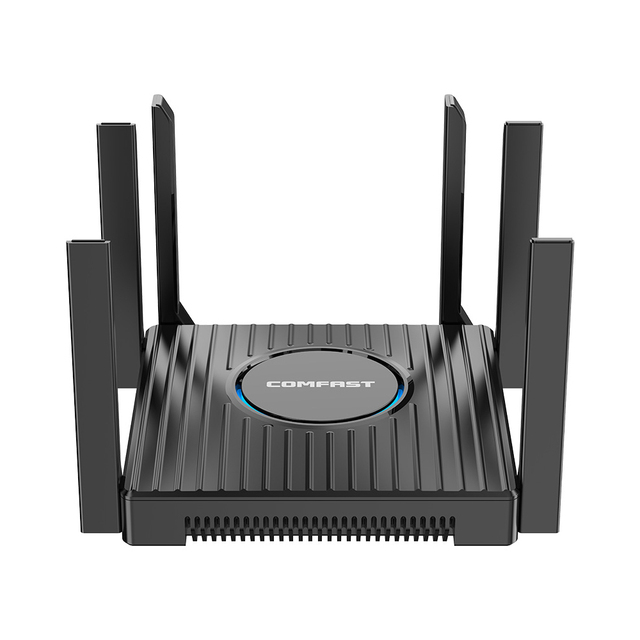
Comfast CF-WR673BE WiFi 7 BE3600 Wireless Router Dual Band 2.4G 5G Gigabit Router High Speed Home Office Gaming WiFi Router
 Shenzhen Four Seas Global Link Network Technology Co., Ltd.verified🇨🇳CN15 yrs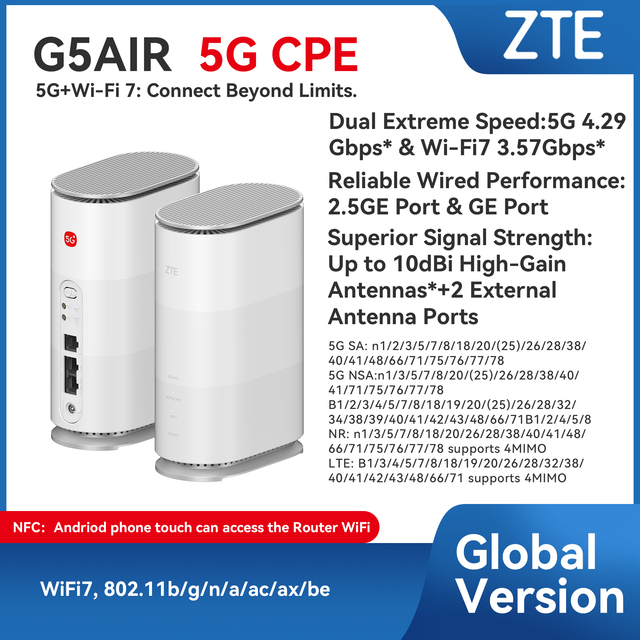
ZTE G5AIR 5G CPE Wi-Fi7 Router
NEW NR5307 5G Indoor Router 5G CPE WiFi 7 BE7200 Dual 2.5G Ports
RG-RAP2270(MG) RG-RAP2271(MG)RG-RAP2370(H) Dual Band 2.5G Ceiling AP Wi-Fi 7 3600Mbps 5100Mbps 13000Mbps Routers
Comfast CF-WR673BE WiFi 7 BE3600 Wireless Router Dual Band 2.4G 5G Gigabit Router High Speed Home Office Gaming WiFi Router
ZTE G5AIR 5G CPE Wi-Fi7 Router
Related Searches
Explore more sourcing topics & related categories
Sources & References
26 sources cited · Verified industry data & reports
2.4 GHz vs. 5 GHz vs. 6 GHz: What's the Difference? - Intel
www.intel.com
Wi-Fi 4 built to the 802.11n standard from 2007 came in two different versions: 802.11bgn, which could only access 2.4 GHz bands, and 802.11agn, which was dual band and able to connect to 2.4 GHz and 5 GHz bands. Wi-Fi 5 built to the 802.11ac standard can only connect to 5 GHz, but many Wi-Fi 5 products were also using legacy Wi-Fi 4 802.11bgn as a separate mode to connect to 2.4 GHz bands. So while 2.4 GHz is the best-effort choice for connecting to devices with low data transfer needs at long distances, 5 GHz and 6 GHz connections will provide the high-speed connectivity to support everyday activities like gaming, streaming, videoconferencing, and productivity apps. Gigabit Wi-Fi speeds require Intel® Wi-Fi products with optional 160 MHz channels support and similarly capable access points/routers/gateways/devices and may also require access to gigabit internet service (or better), which may not be available in all areas. Understanding 2.4 GHz vs. 6 GHz Wi-Fi 6E functionality requires Intel® Wi-Fi 6E products, Wi-Fi 6E access points/routers/gateways, operating-system support for 6 GHz operation, along with country-specific 6 GHz spectrum allocation for nonlicensed use and associated regional regulatory approvals.
2.4 GHz vs 5 GHz vs 6 GHz WiFi Frequency: Which is best?
www.netgear.com
Speed: Transmits data at slower speeds compared to 5 GHz and 6 GHz. Interference: More prone to interference from devices like microwaves and garage door openers. Channels: Has only 11 channels, leading to potential network overcrowding. Ideal Use: Great for basic internet browsing and for connecting devices IOT (like thermostats) that are far from the router. The most common general use frequency band available today for consumer products. Understanding the differences between 2.4 GHz, 5 GHz, and 6 GHz band wireless frequencies will help you find the best available wireless networking devices for your specific needs. Choosing the right frequency band for specific functions will ensure optimal performance of your digital devices and equipment. ... WiFi has been a transformative networking technology since its introduction for home use in the late 1990s. It specified two net bit rates of 1 or 2 Mbps and used microwave transmission. WiFi 1 is now obsolete. – This standard uses some of the same methods and techniques as the original standard. Devices experience interference from other devices also operating in the 2.4 GHZ band, such as microwaves and Bluetooth devices. The 6 GHz band provides the least coverage but transmits data at superfast speeds. WiFi 7 technology “MLO” feature grants the ability to combine frequency bands in a single connection.
What is the difference between 2.4 GHz, 5 GHz, and 6 GHz wireless ...
kb.netgear.com
For more information, see Is 6 GHz WiFi available in my region? ... If you prefer to call or chat with us, select the buttons next to Email. Contact Us · For questions about billing, subscriptions, or recent orders, please chat or email us. For help with setup, troubleshooting, product connectivity, and other technical issues. However, higher frequencies allow data to be transmitted faster than lower frequencies, so higher frequencies like 5 GHz and 6 GHz allow you to upload and download files faster than 2.4 GHz. Your WiFi connection on a particular frequency band can also be affected by interference from other devices. The 6 GHz wireless band was introduced with the WiFi 6E standard and is exclusive to devices that support WiFi 6E and newer standards, including WiFi 7 and successive future WiFi versions. This means that on 6 GHz, the WiFi network doesn’t need to slow down to accommodate legacy devices. The 6 GHz band, exclusive to the newest WiFi standards, provides the least coverage but transmits data at the fastest speeds of the three frequencies.
Which Wi-Fi band is best: 2.4ghz, 5ghz, or 6ghz and why? - HP Support ...
h30434.www3.hp.com
The info in the box was obtain using ChatGPT The 2.4 GHz, 5 GHz, and 6 GHz Wi-Fi bands each have distinct characteristics that make them suitable for - 9104757 Some printers have the option of selecting the 2.4ghz or the 5ghz band or "auto". Unfortunately, If that option is not available then printer needs to connect to a named band. if you wish to use the 5ghz band for your laptop (speed) but the 2.4gh for the printer (long range) then your modem may need to have different names (SSID) for the bands to ensure the correct connection.
Best Wi-Fi Frequency Bands: 2.4 GHz vs. 5 GHz vs. 6 GHz Explained
broadbandnow.com
One of the most important features of a router is its Wi-Fi frequency bands. There are normally two options: 2.4 GHz and 5 GHz. But what does that actually mean? If you want the fastest speeds and lowest latencies for your internet, you’ll want to understand how frequencies work. Most modern routers offer two signal options (also known as “frequency bands”): 2.4 GHz and 5 GHz. These types of routers are known as dual-band routers. The default frequency for most routers is the 2.4 GHz frequency, which is the oldest router frequency band standard. The 2.4 GHz frequency band can cover large spaces and penetrate solid objects, but it transfers data at a slower rate than the newer 5 GHz frequency. Moreover, the 2.4 GHz band is prone to interference from other electronic devices and appliances using similar frequencies. Mixed Signals: Your TVs, phones, and computers are not the only things using radio signals to communicate with each other. Microwaves, security cameras, and even car alarms use a 2.4 GHz frequency to function.
What are the primary differences between 2.4 GHz, 5 GHz, and 6 ...
www.dlink.com
Your Wi-Fi connection, no matter which band you’re connecting to, can be interfered by other nearby electronic devices. Many household devices and IoT sensors still use the 2.4 GHz band. When more devices attempt to use the same radio space, Wi-Fi channels become more crowded. By contrast, the 5 GHz band and 6 GHz band have more channels than the 2.4 GHz channels, allowing more devices to use and therefore, they tend to have less interference and network congestion. Note: The 6 GHz band is a key feature of the Wi-Fi 6E standard and successive Wi-Fi versions including Wi-Fi 7. • The 2.4 GHz band provides the most coverage but transmits data at slower speeds.