Xeon Phi Processor

Overview
Product sourcing insights & recommendations
The Intel Xeon Phi processor line is currently discontinued, having reached its end-of-life (EOL) in mid-2018 NetworkworldWikipedia. Originally designed as a "Many Integrated Core" (MIC) architecture to compete with GPUs in high-performance computing (HPC), it powered record-breaking systems like China's Tianhe-2 WikipediaNasa.
Market Trends & Current Status
* Discontinuation: Intel pivoted away from Xeon Phi due to the increasing performance of general-purpose Xeon Scalable CPUs and manufacturing delays in the 10nm process node WikipediaNetworkworld.
* Legacy Availability: While no longer in production, Xeon Phi units (like the 7120P, 5110P, and 7210) are still traded on secondary B2B markets. Current prices range significantly from approximately $550 for a 7210 processor to over $1,600 for specialized coprocessor cards AlibabaAlibabaAlibaba.
* Competitive Landscape: The market has largely shifted toward NVIDIA GPUs and AI accelerators, which proved more efficient for deep learning and parallel workloads than the x86-based Xeon Phi WikipediaNvidia.
Technological Legacy
The Xeon Phi's most lasting contribution is its architectural influence on modern Intel processors:
* AVX-512: The massive 512-bit vector processing power originally built for Xeon Phi was integrated into Xeon Scalable (Skylake-SP and newer) processors WikipediaNetworkworld.
* HBM Precursor: The high-bandwidth memory (MCDRAM) concepts pioneered in the "Knights Landing" generation paved the way for current HBM-integrated Xeon CPUs Wikipedia.
I have summarized the market status and current availability. You can continue with:
Xeon Phi Coprocessor 3120p 5110p 7120p
Products · Top picks & verified manufacturers

FOR DELL INTEL XEON PHI COPROCESSOR 7120P - N0WM8
 LA MICRO GROUP (UK) LIMITEDUK9 yrs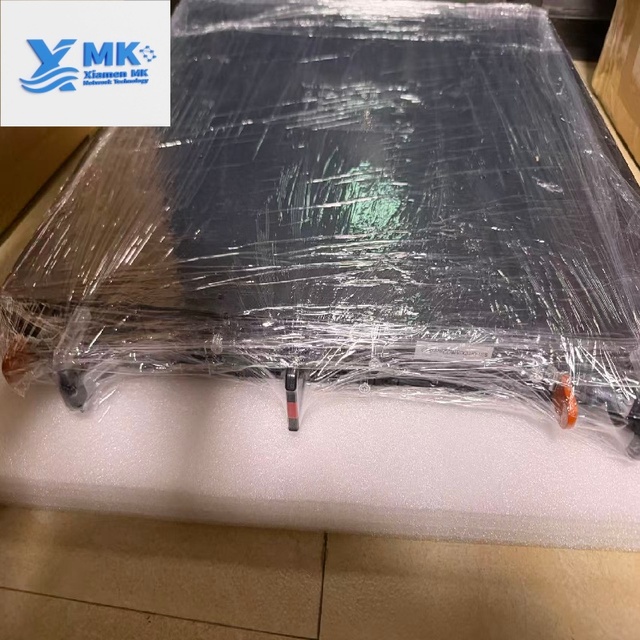
xeon phi 5110P Xeon Phi Co-processor,
 Xiamen Maikang Network Technology Co., Ltd.🇨🇳CN2 yrs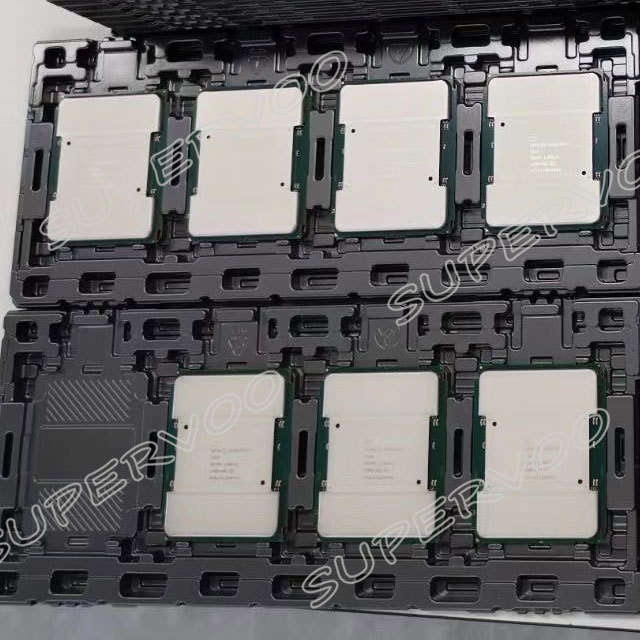
Xeon Phi Processor 7210 16GB 1.30GHz 64core HJ8066702859300 SR2ME SR2X4
Related Searches
Explore more sourcing topics & related categories
Sources & References
24 sources cited · Verified industry data & reports
Intel® Xeon Phi™ Processors Product Specifications
www.intel.com
Xeon Phi - Wikipedia
en.wikipedia.org
↑ "June 2018 | TOP500 Supercomputer Sites". www.top500.org. Retrieved 17 February 2026. ↑ W1zzard (24 July 2018). "Intel is Giving up on Xeon Phi - Eight More Models Declared End-Of-Life". The main difference between Xeon Phi and a GPGPU like Nvidia Tesla was that Xeon Phi, with an x86-compatible core, could, with less modification, run software that was originally targeted to a standard x86 CPU. The 2013 Tianhe-2 supercomputer at the National Supercomputer Center in Guangzhou (NSCC-GZ) was the world's fastest supercomputer until November, 2015. It used Intel Xeon Phi coprocessors and Ivy Bridge-EP Xeon E5 v2 processors to achieve 33.86 petaFLOPS of performance. In June 2012, ScaleMP announced a virtualization update allowing Xeon Phi as a transparent processor extension, allowing legacy MMX/SSE code to run without code changes. An important component of the Intel Xeon Phi coprocessor's core is its vector processing unit (VPU). Xeon Phi is a discontinued series of x86 manycore processors designed and made by Intel. It was intended for use in supercomputers, servers, and high-end workstations. Its architecture allowed use of standard programming languages and application programming interfaces (APIs) such as OpenMP.
Intel® Xeon Phi™ Coprocessors
www.hpe.com
Intel® Xeon Phi™ Processor
www.intel.com
Help solve today's biggest computing challenges with the new Intel® Xeon Phi™ processor – a bootable x86 CPU that achieves powerful performance from an integrated architecture while eliminating PCIe bottlenecks. With up to 72 cores, on-package memory, and integrated Intel® Omni-Path Architecture fabric, the Intel® Xeon Phi™ processor achieves highly efficient performance per watt while ...simultaneously maximizing your investment. With the Intel® Xeon Phi™ processor, code is optimized for a general-purpose architecture using open standards giving you flexible, portable, and reusable code into the future. As a foundational element of the Intel® Scalable System Framework, the Intel® Xeon Phi™ processor brings your data center one step closer to exascale for all technical computing and machine learning workloads.
Intel® Xeon Phi™ Processor 7210 (16GB, 1.30 GHz, 64 core) - ...
www.intel.com
Intel Xeon Phi processors do not currently support Virtualization.
Intel Lays Out Roadmap for Next Three Xeon Products | TOP500
www.top500.org
As it turns out, the first iteration of VNNI was actually implemented in Knights Mill, Intel’s Xeon Phi tweaked for deep learning workloads. But given the prospects for the Xeon Phi line, it can be assumed that Xeon and the upcoming Neural Network Processor (NNP) will now take this technology forward. The Xeon timeline pretty much reflects the leaked information that we reported on two weeks ago, but Intel also used the summit to reveal more information about what we can expect from those products from a technology perspective. And that starts with Cascade Lake, which will be the next Xeon processor out of the chute. It’s scheduled to start shipping in the fourth quarter of this year. As expected, it will be based on the chipmaker’s 14nm process and provide support for Intel’s newly minted Optane DC persistent memory.