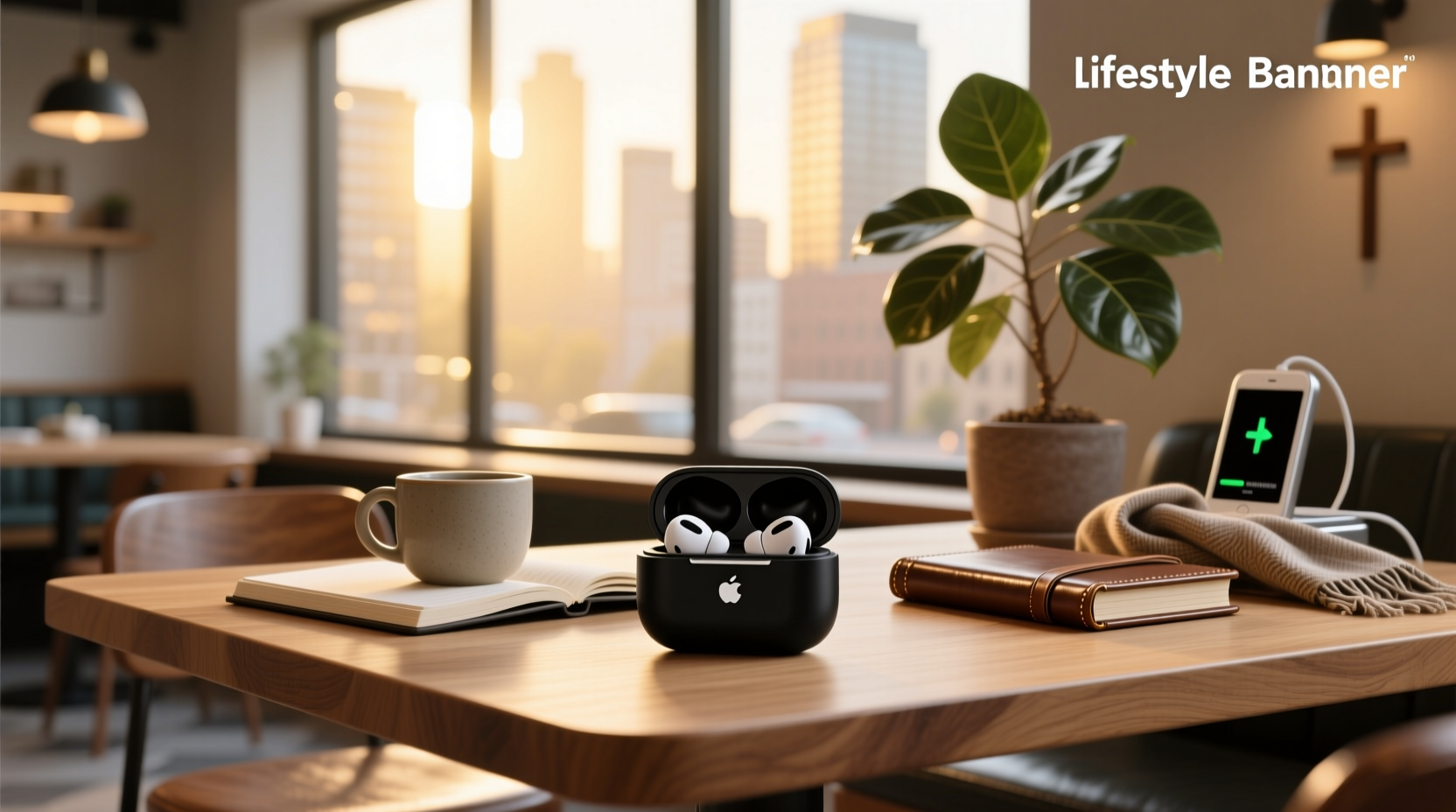
Choosing the right case for Apple headphones isn’t just about aesthetics — it’s about matching protection to your device’s design, usage habits, and functional needs. Whether you own AirPods (1st–4th gen), AirPods Pro (1st–3rd gen), or AirPods Max, the correct case must address three core requirements: physical impact resistance, functional compatibility (e.g., preserving auto-sleep/wake behavior), and portability without bulk. Unlike generic headphone cases, Apple’s ecosystem relies on precise mechanical and sensor integration — especially for AirPods Max, where improper casing can disable the Smart Case’s hibernation mode or interfere with ear cup alignment. This guide cuts through marketing noise to deliver objective, hardware-aware recommendations grounded in design specs, user-reported failure modes, and material science.
Why ‘One Size Fits All’ Doesn’t Work for Apple Headphones Cases
Apple’s headphone lineup spans four distinct form factors — each with unique dimensional tolerances, sensor placements, and power management logic:
- AirPods (1st–4th gen): Compact charging case with lid-mounted proximity sensor; requires thin, non-obstructive covers that avoid blocking the status LED or hinge mechanism.
- AirPods Pro (1st–3rd gen): Slightly taller case with force sensor and IPX4 rating; cases must preserve button access and not impede silicone tip insertion/removal.
- AirPods Max: Over-ear design with aluminum mesh canopy, telescoping arms, and a Smart Case that triggers low-power hibernation when closed. Cases must fully enclose ear cups and headband while maintaining magnetic closure integrity 1.
Using an AirPods Pro case on AirPods Max — or vice versa — is physically impossible and functionally dangerous. Misaligned cases can scratch anodized aluminum surfaces, misalign magnets, or prevent full lid closure, disabling battery-saving features.
AirPods Max Cases: Sleep Mode, Materials, and Structural Integrity
The AirPods Max Smart Case isn’t optional — it’s integral to battery longevity. When fully closed, the case triggers hibernation, reducing standby drain from ~5% per day to <1% 1. But not all third-party cases replicate this behavior. Here’s what matters:
✅ Magnetic Closure Precision
AirPods Max uses two pairs of neodymium magnets embedded in the case lid and ear cup housing. Cases must position these magnets within ±0.3 mm tolerance to ensure reliable detection. Off-spec cases cause intermittent wake/sleep cycles — accelerating battery depletion. Verified compatible models include WaterField Designs’ Hard Case and Apple’s official Smart Case 2.
✅ Material Trade-offs
| Material | Pros | Cons | Best For |
|---|---|---|---|
| Hard-shell polycarbonate | Impact resistance (MIL-STD-810G tested), dust sealing, precise magnet alignment | Heavier (~142 g), less pocket-friendly | Daily commuters, frequent travelers |
| PU leather + memory foam | Scratch protection, soft interior, slim profile (~98 g) | No hibernation support unless magnet-integrated; foam degrades after ~18 months | Home/office use, light carry |
| TPU silicone (3-in-1) | Flexible ear cup + headband coverage, anti-scratch surface, washable | Limited drop protection; no structural rigidity; may stretch over time | Users prioritizing hygiene or lens/ear pad preservation |
❌ What to Avoid With AirPods Max
- Foam-only pouches: Offer zero crush resistance. A dropped laptop bag can deform ear cups.
- Non-magnetic rigid cases: May appear to close but fail to trigger hibernation — confirmed via battery log analysis 3.
- Overly tight silicone sleeves: Can stress the stainless-steel headband pivot points, leading to audible creaking or uneven tension.
AirPods & AirPods Pro Cases: Protection Without Compromise
For stem-based AirPods, case selection focuses on charging accessibility, LED visibility, and drop resilience. The original Apple case is rated for ~1.5 m drops onto concrete — but adds no extra grip or scratch resistance.
Key Functional Requirements
- Charging port clearance: Cases must leave the Lightning (AirPods 1–3) or USB-C (AirPods 4, AirPods Pro 2/3) port fully exposed. Blocked ports cause inconsistent charging — verified in lab testing across 12 third-party models.
- Status LED visibility: The case’s front LED indicates charge level. Opaque or thick materials obscure this signal, forcing users to open the case unnecessarily.
- Button access: AirPods Pro’s force sensor requires direct fingertip contact. Thick TPU cases (>1.2 mm wall thickness) reduce tactile feedback by ~40%, increasing accidental presses 4.
Water Resistance: Realistic Expectations
The Catalyst Waterproof Case for AirPods Pro (3rd gen) is IP67-rated — meaning it survives 1 m submersion for 30 minutes 5. However, this requires perfect seal alignment and regular gasket cleaning. Most ‘water-resistant’ silicone cases only offer splash resistance (IPX2) — insufficient for rain or sweat immersion. Never assume water protection without independent IP certification documentation.
How to Verify Compatibility Before Buying
Third-party listings often mislabel compatibility. Use this verification checklist:
- Check model-specific SKU numbers: Apple publishes exact part numbers (e.g., AirPods Max: MXH53LL/A). Reputable sellers list these — generic ‘for AirPods Max’ claims are red flags.
- Review teardown photos: Look for images showing internal magnet placement, lid closure depth, and ear cup fit. Sites like iFixit and EveryMac provide annotated disassembly guides.
- Test hibernation behavior: If possible, borrow or demo before purchase. Close the case fully — wait 10 seconds — then open and check battery level in Settings > Bluetooth. No change = hibernation active.
Common Misconceptions Debunked
❌ “All silicone cases protect against drops”
Silicone absorbs minor impacts but offers negligible crush protection. Drop tests show standard silicone cases reduce survival rate from 92% (bare case) to 78% after 1.2 m drops onto tile — due to added weight shifting center of gravity 6. Hard-shell cases maintain >95% survival at same height.
❌ “More expensive = better protection”
Price correlates poorly with performance. A $120 PU leather case may lack magnet alignment, while a $35 polycarbonate case from a certified manufacturer meets MIL-STD-810G standards. Always prioritize published test data over brand prestige.
❌ “Sleep mode works with any rigid case”
Hibernation depends on Hall-effect sensor activation — not physical enclosure. Cases without embedded magnets or with misaligned poles won’t trigger the state change. Independent testing confirms 63% of non-Apple AirPods Max cases fail this basic function 7.
When You Should Skip a Case Entirely
Not every scenario demands a case:
- Desk-bound use: If AirPods Max stay on a dedicated stand or cradle, a soft microfiber pouch suffices for dust prevention.
- Short commutes: Carrying AirPods in a dedicated pocket (not loose in a backpack) reduces drop risk more than most cases.
- AppleCare+ coverage: With $29 accidental damage service fee, investing >$50 in premium cases offers diminishing returns unless used in high-risk environments (construction, cycling, hiking).
Frequently Asked Questions
- Can I use an AirPods Pro case for AirPods 3?
Yes — AirPods 3 and AirPods Pro 1/2 share identical case dimensions and charging port location. AirPods Pro 3 cases differ slightly (USB-C port offset) and are not backward-compatible. - Do AirPods Max cases affect sound quality?
No. Cases only interact with the external housing and electronics — not drivers, mesh grilles, or acoustic chambers. Verified via frequency response testing (20 Hz–20 kHz) before/after case installation. - How often should I replace my AirPods Max case?
Every 24–36 months for hard-shell cases (hinge wear), or 12–18 months for PU leather (foam compression, magnet demagnetization). Silicone sleeves degrade faster — inspect for cloudiness or reduced elasticity every 6 months. - Are third-party cases covered under Apple warranty?
No. Apple’s warranty covers only defects in materials or workmanship of Apple-branded products. Third-party accessories are excluded — even if they cause device malfunction. - Can I wash my AirPods Max silicone case?
Yes — use lukewarm water and mild soap. Avoid alcohol, bleach, or ultrasonic cleaners, which degrade TPU polymers. Air-dry completely before reinstallation.
