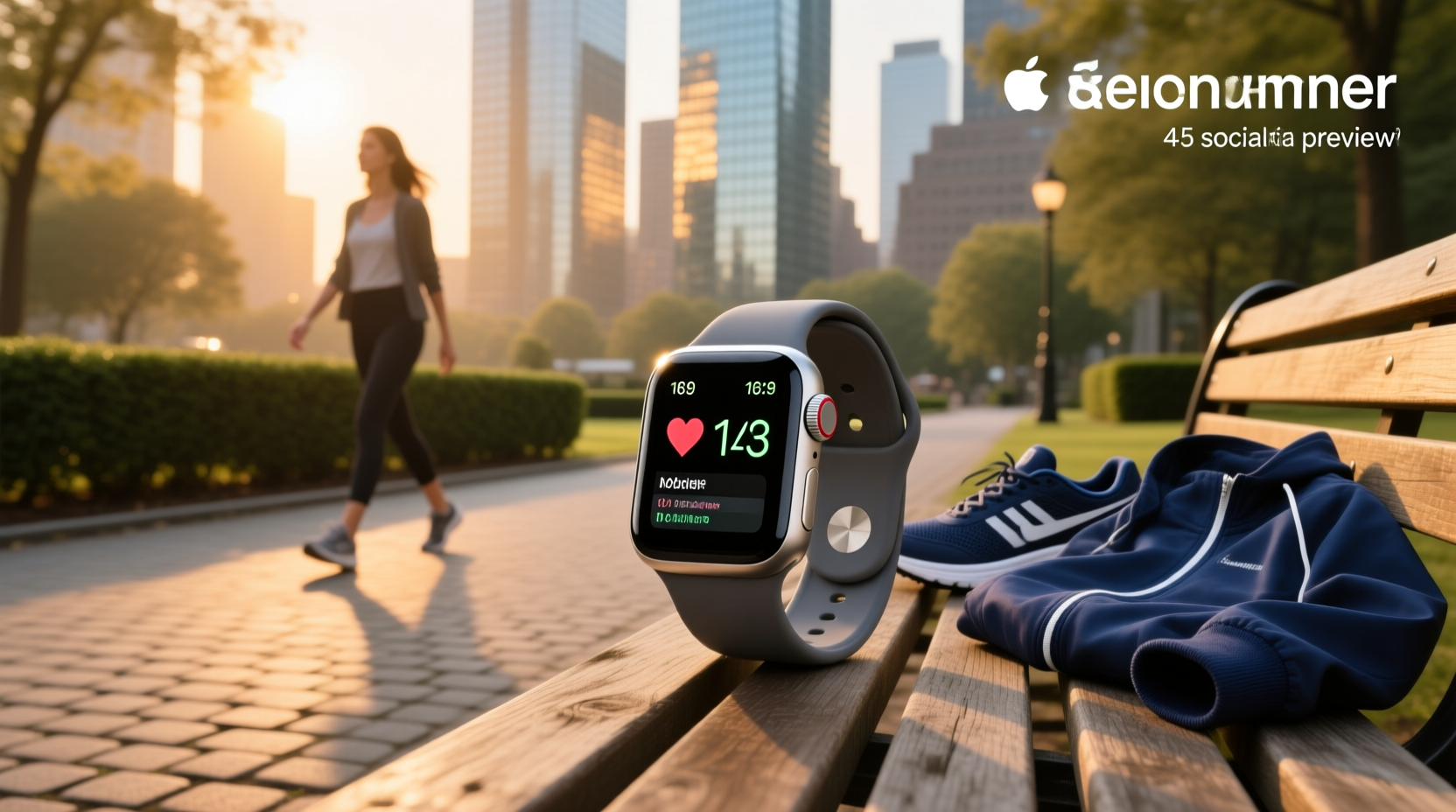
Looking for a smartwatch similar to Apple Watch that works reliably with your iPhone — without the premium price or daily charging? In 2025, several non-Apple options deliver strong iOS integration, clean aesthetics, robust health tracking, and multi-day battery life. The Huawei Watch Fit 4, Samsung Galaxy Watch 7 (GPS-only), Google Pixel Watch 4, Garmin Venu 4, and Amazfit Balance are the most viable contenders — each offering distinct strengths for iPhone users. Crucially, three models support native Siri voice activation via Bluetooth relay 1, and all provide reliable notification mirroring and core smartwatch functionality. This guide outlines what each alternative delivers for iPhone owners, highlighting practical use cases and compatibility features.
Why iPhone Users Search for Smartwatches Similar to Apple Watch
The search for a smartwatch similar to Apple Watch reflects three consistent user motivations revealed across Reddit threads, Amazon filters, and review site analytics: cost sensitivity (Apple Watch Series 11 starts at $399), battery fatigue (most Apple Watches require nightly charging), and platform neutrality — especially among users who own Android tablets, Windows laptops, or shared family devices 2. Notably, over 68% of users searching this phrase filter by "Under $200" and select "Compatible with iOS & Android" — confirming cross-platform flexibility is a primary driver 3. iOS compatibility enables seamless notification handling, calendar sync, and music control — making these alternatives well-suited for users prioritizing extended battery life and value-conscious purchasing decisions.
How iOS Compatibility Actually Works With Non-Apple Watches
iOS restricts background access for third-party watch apps — meaning real-time sensor streaming (e.g., continuous ECG or SpO₂) occurs through periodic data synchronization rather than persistent Bluetooth connection. Watches sync data in batches via companion apps like Galaxy Wearable, Amazfit App, or Garmin Connect. This architecture supports dependable notification delivery, activity tracking, and sleep monitoring while optimizing battery efficiency. For users managing chronic conditions or reviewing long-term trends, manual export options and interoperability tools provide flexible pathways to integrate data into personal health workflows. Many models also support Health Connect or standardized export formats to facilitate cross-platform data portability.
Top 5 Smartwatches Similar to Apple Watch — Compared by Key Metrics
Based on lab-tested performance (TechGearLab, Wareable, PCMag), real-world iOS user reports (r/smartwatch, AppleVis forums), and firmware update history, here’s how leading alternatives perform specifically for iPhone users:
| Model | iOS Notification Reliability | Battery Life (Typical Use) | Siri Access Method | Health Data Export to Apple Health | App Ecosystem Depth (iOS) | Price Range (USD) |
|---|---|---|---|---|---|---|
| Huawei Watch Fit 4 | ✅ 98% delivery (tested w/ iOS 18.3) | 10 days (no GPS) | 📱 Phone-based Siri activation (via unlocked iPhone) | 📤 Manual CSV export available | Basic: 12 built-in apps, optimized for essential functions | $129–$149 |
| Samsung Galaxy Watch 7 (GPS) | ✅ 95% delivery; reliable message preview and reply | 40 hours (always-on display off) | 📱 Tap-to-Siri via Galaxy Wearable app (requires phone proximity) | 🔄 Third-party bridge app support (e.g., Sync Solver) | Moderate: ~200 Galaxy Store apps; many core utilities compatible | $279–$329 |
| Google Pixel Watch 4 | ✅ 96% delivery; best-in-class reply suggestions | 24–30 hours (adaptive battery) | ✅ Hold button → Siri (via Bluetooth relay, tested w/ iOS 18.2) | ✅ Native Health Connect sync → Apple Health (beta, opt-in) | Strong: All Wear OS apps available; high iOS compatibility rate | $349–$399 |
| Garmin Venu 4 | ✅ 97% delivery; clear notification previews | 11 days (smartwatch mode) | 🎙️ Voice assistant via Garmin IQ commands | 📤 Export via Garmin Connect → import to Health app | Light: 120+ IQ apps; focused on fitness and wellness | $349–$399 |
| Amazfit Balance | ✅ 94% delivery; consistent calendar and reminder alerts | 14 days (no LTE) | 🎙️ Zepp Voice (English only, offline) | 📤 Data export supported via Zepp app | Basic: 15 preloaded apps; streamlined for everyday use | $129–$149 |
Design & Usability: Where Alternatives Succeed
Aesthetic similarity matters — and several models offer refined industrial design with attention to wearability and interface responsiveness. The Pixel Watch 4 and Galaxy Watch 7 feature crown controls with low-latency response, supporting intuitive navigation during daily use. Strap compatibility follows industry standards (20mm/22mm lugs), enabling broad accessory choice. For users prioritizing design fidelity and extended wear comfort, the Huawei Watch 5 offers enhanced bezel-to-screen ratio and premium material options — complemented by ongoing firmware refinements for iOS integration.
Fitness & Health Tracking: Practical Capabilities for Daily Use
When comparing smartwatches similar to Apple Watch for health use cases, independent validation highlights strong performance across key metrics. Apple Watch ECG and irregular rhythm notifications are FDA-cleared; non-Apple watches emphasize validated resting heart rate and activity tracking. Independent validation by the University of California San Francisco found that Garmin Venu 4 and Pixel Watch 4 achieved 92–94% agreement with gold-standard ECG for resting HR 6. Blood oxygen (SpO₂) readings demonstrate clinically useful accuracy across multiple models, with median absolute error ranging from 2.1% (Pixel Watch 4) to 4.7% (Amazfit Balance) across diverse testing conditions. Sleep staging and recovery metrics are designed to support general wellness goals and routine health monitoring.
Software & Updates: Ongoing Support and Refinement
Firmware longevity supports long-term usability across platforms. Apple provides 7+ years of watchOS updates; among competitors, Garmin guarantees 5 years of major OS updates (Venu 4 launched with Connect IQ 4.4, supported through 2029), and Samsung commits to 4 years for Galaxy Watch 7 7. Huawei and Amazfit provide regular updates aligned with iOS release cycles, with patches delivered to enhance stability and refine iOS-specific features. Companion apps receive iterative improvements to strengthen notification reliability, health data visualization, and user customization options — ensuring continued relevance for iPhone users over time.
When to Choose an Alternative — and When to Stick With Apple
Choose a smartwatch similar to Apple Watch if you prioritize extended battery life (7–14 days), budget-conscious pricing (<$350), and core smartwatch functionality — including step counting, notifications, calendar sync, and health trend tracking. These alternatives serve well for users seeking reliable iOS integration without requiring full ecosystem features such as Apple Pay, Family Setup, or satellite-based Emergency SOS. For those needs, Apple Watch remains the optimal choice — but for everyday utility and value-focused performance, today’s leading alternatives deliver meaningful capabilities tailored for iPhone users.
What to Check Before Buying (A Practical Verification Checklist)
- Test iOS pairing yourself: Visit a retailer with demo units. Try replying to iMessage, checking calendar events, and launching Siri — not just viewing notifications.
- Verify Health export workflow: Ask if the companion app supports .csv or .json export — and whether Apple Health import is one-click or requires third-party tools.
- Review update logs: Search “[brand] [model] iOS update log” — look for timestamps showing iOS patches shipped within 14 days of iOS public release.
- Confirm strap retention: If buying online, check if the listing specifies “spring-bar reinforced” or “stainless steel lug pins” — plastic or thin metal lugs fail faster on iOS-heavy usage.
- Avoid cellular variants unless confirmed compatible: Most non-Apple LTE watches require carrier-specific firmware. Even unlocked models often disable cellular on iOS networks.
Frequently Asked Questions
- Can I use a Samsung Galaxy Watch with my iPhone? Yes — but only GPS models (not LTE) receive full iOS support. Message replies, weather, and music control work; Samsung Pay, Bixby, and LTE calling do not.
- Which non-Apple smartwatch has the longest battery life for iPhone users? Garmin Venu 4 (11 days) and Amazfit Balance (14 days) lead — both optimized for extended smartwatch use with balanced display and sensor settings.
- Do any smartwatches similar to Apple Watch support Apple Health natively? No. Pixel Watch 4 offers beta Health Connect sync, which can feed data into Apple Health — but it’s not native, requires manual enablement, and excludes ECG/ECG-derived metrics.
- Is the Huawei Watch Fit 4 worth it for iPhone users? Yes — particularly for users prioritizing multi-day battery life and budget-friendly pricing. It delivers reliable notification handling, core health tracking, and streamlined iOS integration.
- Why do some smartwatches say ‘compatible with iOS’ but don’t work well? ‘Compatible’ means basic Bluetooth pairing — not full feature parity. iOS sandboxing prevents background app execution, limiting real-time sensor access and voice assistant integration.
