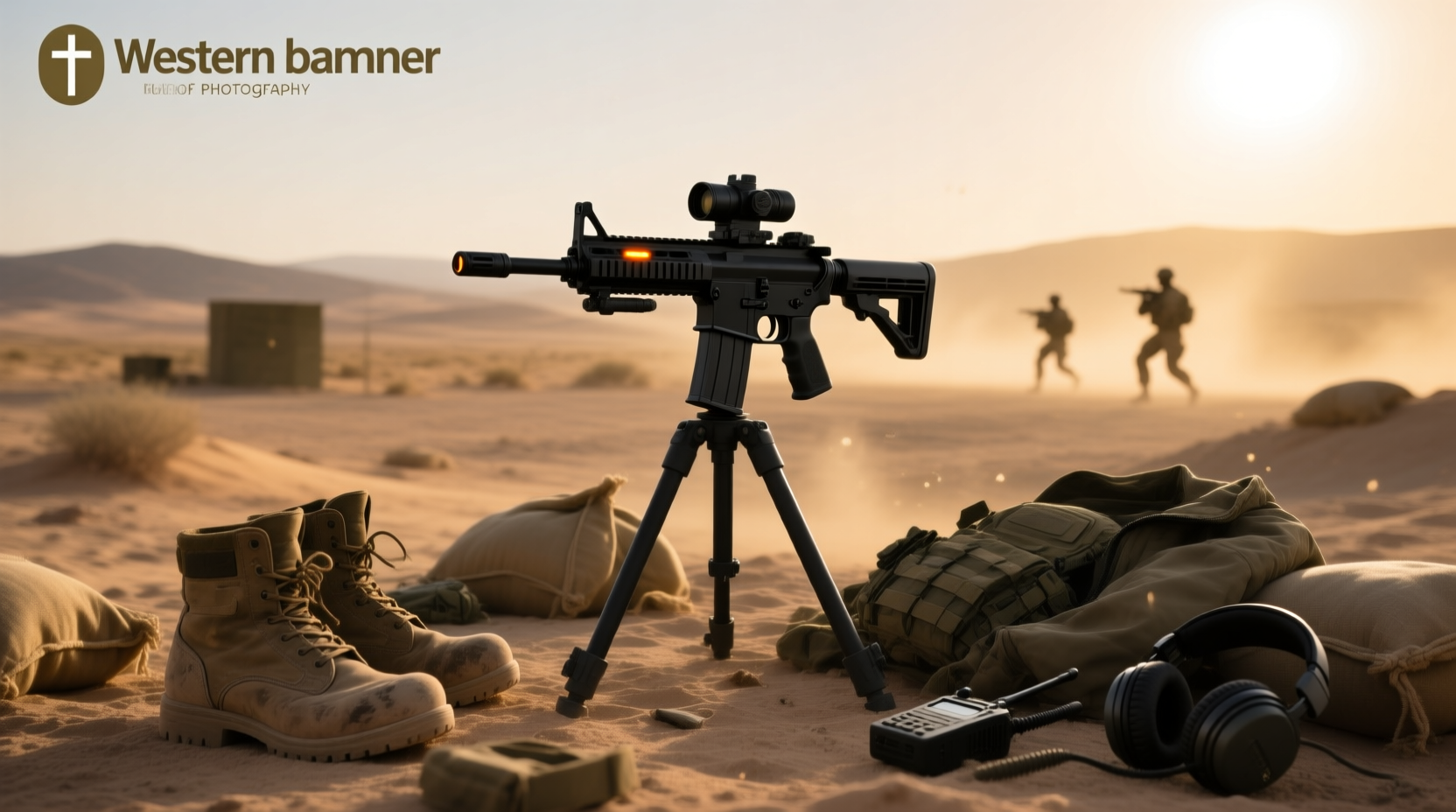
When you search ‘gun camera’, you’ll encounter two fundamentally different categories: real-world firearm-mounted video systems used in shooting sports, hunting, and historical military applications—and mobile simulation apps that render 3D weapon effects. This guide clarifies the distinction: a gun camera is not a game or AR filter—it’s a purpose-built, ruggedized action camera designed to mount directly on a rifle, shotgun, or scope rail, capturing first-person perspective footage synchronized with trigger pull or recoil. If you’re evaluating options for clay target analysis, marksmanship training, or archival research, understanding this distinction—plus resolution, mounting compatibility, trigger sync reliability, and environmental durability—is essential before spending money or time.
Why the Confusion Exists: Two Worlds Under One Keyword
The term gun camera has diverged across contexts—creating consistent user confusion in search results. On one side stands physical hardware: compact, weather-resistant, high-frame-rate cameras engineered for ballistic environments (e.g., ShotKam™, AbleCam, or legacy military units). On the other are Android/iOS entertainment apps like Gun Camera 3D or Gun Camera Simulator, which offer realistic sound effects, muzzle flashes, and 3D weapon models—but no hardware integration or real-world utility1. This duality explains why Google returns ~234 million results mixing WWII archival footage, Amazon product listings, Wikipedia entries, and Play Store downloads—all under the same phrase.
This reflects distinct use cases rather than ambiguity. A shooter analyzing their lead time on trap targets benefits from sub-60ms latency, gyro-stabilized 120fps slow motion, and recoil-triggered auto-start. A gamer values immersive audio and visual feedback. Recognizing which category aligns with your goal supports informed decisions and appropriate expectations.
Historical Context: From WWII Dogfights to Modern Sports Training
Gun cameras originated as analog electro-optical devices mounted on fighter aircraft machine guns during World War II. German MG 151/20 and U.S. .50-caliber Browning installations used spring-wound 16mm film cameras triggered by the weapon’s firing mechanism2. Footage from units like the 65th Fighter Wing—preserved by institutions such as the Air Zoo—shows raw, unedited combat perspectives used for post-mission debriefing and gunnery evaluation3. These systems required precise mechanical synchronization: film advance had to match burst rate, and exposure duration had to avoid blur at high closure speeds.
Modern digital gun cameras inherit that mission-critical logic—but replace film with CMOS sensors, SD cards, and embedded IMUs. Unlike consumer action cams (e.g., GoPro), they prioritize trigger-actuated recording, not manual start/stop. Most activate within 10–30ms of recoil detection or muzzle blast pressure—capturing the full sequence: sight picture → trigger press → recoil → recovery. This makes them valuable for coaches and self-directed shooters who seek objective data on flinching, follow-through, or head movement.
Real Gun Cameras: Core Technical Requirements
Not all ‘gun-mounted’ cameras qualify as true gun cameras. Below are functional criteria commonly associated with professional-grade units:
- Trigger Synchronization: Auto-recording based on physical event—such as piezoelectric shock sensing, acoustic blast detection, or wired connection to firearm’s firing pin housing—is typical in dedicated designs.
- Recoil Resistance: Many units are rated for ≥1,000 G-force impacts (typical for 12-gauge shotguns or .308 rifles). Consumer cams may require additional vibration-damping solutions when used in high-recoil applications.
- Field-of-View Matching: Optics often replicate human eye or scope magnification—typically 4× to 6× digital zoom with 18–22° horizontal FOV. Wide-angle fisheye views serve specific documentation purposes but may not support precise lead estimation.
- Battery & Thermal Management: Units commonly support 2-hour continuous operation with passive cooling only (no fans), enabling stable performance during rapid-fire sequences.
- Mounting Standardization: Picatinny, Weaver, or proprietary rail clamps are standard; built-in vibration damping helps maintain optical alignment during repeated firing.
Devices meeting these specifications are widely used for shooting analysis and training applications.
Mobile ‘Gun Camera’ Apps: What They Are (and Aren’t)
Apps like Gun Camera 3D (Google Play, 155k+ reviews) or Gun Camera Simulator simulate weapon handling using smartphone gyros and screen rendering. They offer:
- Real-time 3D weapon models with recoil animation
- Sound libraries synced to virtual trigger pull
- Multi-angle replays and ‘ammo counter’ UI elements
- No hardware dependency—runs on mid-tier Android devices
These apps provide accessible entry points for learning weapon ergonomics and basic handling concepts. They do not interface with physical firearms or scopes, nor do they record live shooting sessions. Their design emphasizes usability and engagement, making them suitable for introductory or recreational use.
Key Purchasing Criteria: What to Verify Before Buying
If your goal is actionable shooting data—not entertainment—verify these five points before purchase:
- Trigger Activation Method: Does it use mechanical, acoustic, or electrical sensing? Mechanical (e.g., recoil plate contact) offers broad caliber compatibility; acoustic methods may respond to ambient noise and benefit from configurable sensitivity settings.
- Frame Rate & Resolution Trade-offs: 1080p at 120fps provides a widely adopted balance of clarity and slow-motion fidelity. Some models also support higher resolutions at lower frame rates for detailed still-frame review.
- Mounting Compatibility: Confirm fit for your specific rail type (e.g., M-LOK vs. Picatinny) and firearm model. Adapters or spacers may be available for specialized configurations.
- Storage Format & Workflow: Most units save to standard MP4/MOV files compatible with free tools like VLC or DaVinci Resolve for frame-by-frame review. Proprietary formats may include software for enhanced playback features.
- Environmental Rating: Look for IP67 or MIL-STD-810G certification for robustness in varied conditions. Dust resistance supports long-term lens clarity during field use.
Features such as AI-assisted aim tracking are emerging in select models and may complement manual analysis when validated through independent testing.
Common Misconceptions—And Why They Matter
Misconception #1: “Any action cam with a rail mount is a gun camera.”
Action cams with rail mounts can capture firearm-related footage, but lack internal stabilization tuned for impulse loads. Dedicated gun cameras incorporate recoil-specific damping to support consistent sight alignment analysis.
Misconception #2: “Higher megapixels = better shot analysis.”
Temporal resolution (frames per second) and low-latency triggering are often more relevant for diagnosing timing-based behaviors than static image resolution. High-resolution stills may support documentation tasks.
Misconception #3: “All gun cameras work with any firearm.”
Different firearms produce varying recoil profiles. Units designed for specific platforms—such as shotguns or precision rifles—may include calibration options or firmware adjustments to optimize performance across calibers.
Regional & Regulatory Notes
No federal U.S. law prohibits civilian ownership of gun-mounted cameras—but local ordinances vary. In California, recording in public hunting areas may require consent if other persons are identifiable in frame. In Germany, attaching electronics to firearms falls under Waffengesetz §36a, requiring prior approval for devices altering weapon function. Always consult jurisdiction-specific guidance before deployment.
For international buyers: battery certifications (UN38.3) and CE/FCC markings affect shipping eligibility. Units lacking proper compliance documentation may be detained at customs—especially those with lithium batteries exceeding 100Wh (rare, but present in extended-life models).
How to Validate Claims Yourself
Manufacturer specs provide a starting point. Here’s how users commonly assess real-world performance:
- Check independent slow-motion tests: Search YouTube for “[model name] recoil test” — look for side-by-side comparisons showing activation latency against a high-speed reference camera.
- Review firmware update logs: Updates addressing performance refinements—such as improved trigger sensitivity or file management—reflect ongoing engineering support.
- Read forum discussions on long-term durability: Sites like Shotgun Report or RifleShooter Forums host multi-year user logs on unit longevity and field reliability.
- Confirm export compliance: If ordering outside your home country, verify whether the seller provides import-ready documentation (e.g., HS code, RoHS certificate).
Practical Use Cases: Who Benefits—and How
Hunters: Review shot placement relative to animal movement; confirm ethical shot angles; document harvest for regulatory reporting.
Clay Target Shooters: Analyze swing path consistency, barrel angle at break point, and recovery speed between stations.
Instructors: Create personalized feedback clips for students—overlaying grid lines or temporal markers to visualize timing gaps.
Historians & Educators: Digitize and annotate archival gun camera reels for museum exhibits or curriculum materials.
Note: For law enforcement or military applications, specialized units (e.g., body-worn integrations with firearm triggers) fall under separate procurement protocols and are not covered here.
Frequently Asked Questions (FAQ)
- Can I use a regular action camera as a gun camera?
Action cameras can be used for informal recording and general documentation. For performance analysis, dedicated gun cameras offer recoil-triggered start, optimized stabilization, and calibrated timing to capture critical pre-shot frames. - Do gun cameras record audio?
Most do—but microphone placement is optimized for muzzle blast, not voice. Ambient sound is often clipped or distorted. Separate voice memos are recommended for coaching notes. - How long do recordings last per shot?
Typical units capture 3–5 seconds pre-trigger and 2–3 seconds post-trigger—configurable via firmware. Total clip length rarely exceeds 10 seconds to conserve storage. - Are gun cameras legal to use while hunting?
Yes in all 50 U.S. states as of 2024—but check state wildlife agency rules. Some prohibit recording during active pursuit of big game to prevent unfair advantage. - Why do some gun cameras cost over $1,000?
Premium pricing reflects hardened enclosures, calibrated gyroscopes, proprietary trigger interfaces, and validated thermal cycling performance—not just branding.