Compressor Interchange Control Logic Wholesale

Overview
Supplier sourcing insights & recommendations
The global compressor control systems market is experiencing a significant digital shift, valued at approximately $7.63 billion in 2025 and projected to reach $13 billion by 2034 with a 6.1% CAGR FortunebusinessinsightsDatabridgemarketresearch. Key technological trends include the integration of AI-integrated control platforms for adaptive logic, IoT connectivity for remote diagnostics, and a dominant 61.3% market share for controlling components like PLCs and automation software Databridgemarketresearch360Iresearch. Growth is heavily driven by industrial energy efficiency mandates, where advanced control systems can reduce energy waste by up to 30% MarketresearchfutureIndexbox.
I have identified over 50 potential wholesale suppliers specializing in compressor interchange control logic, PLC controllers, and industrial measurement systems. These suppliers, primarily based in industrial hubs like Hunan, Shandong, and Guangdong, offer high-speed processing units, electronic control valves, and customized PAC solutions with verified certifications such as ISO 9001 and CE AlibabaAlibabaAlibaba. The attached files contain comprehensive supplier profiles, including production capabilities, annual revenue, and service highlights for your review.
Based on these market and supplier insights, you can continue with:
Compressor Interchange Control Logic Wholesale Suppliers
Verified suppliers · 3 lists

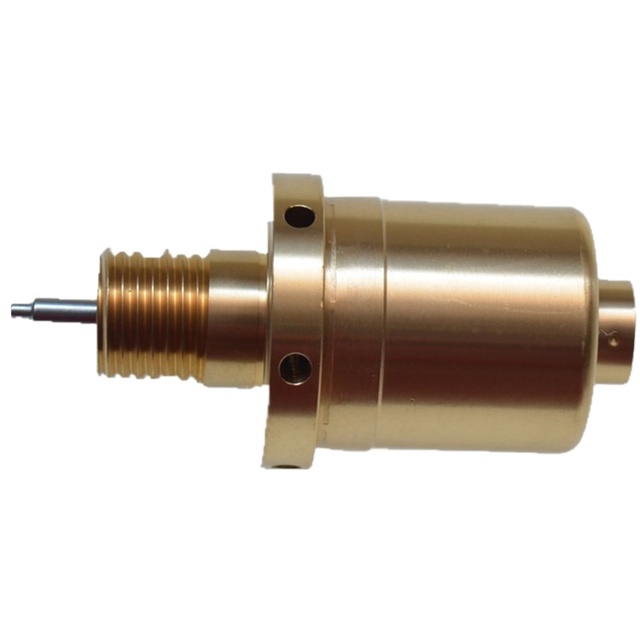
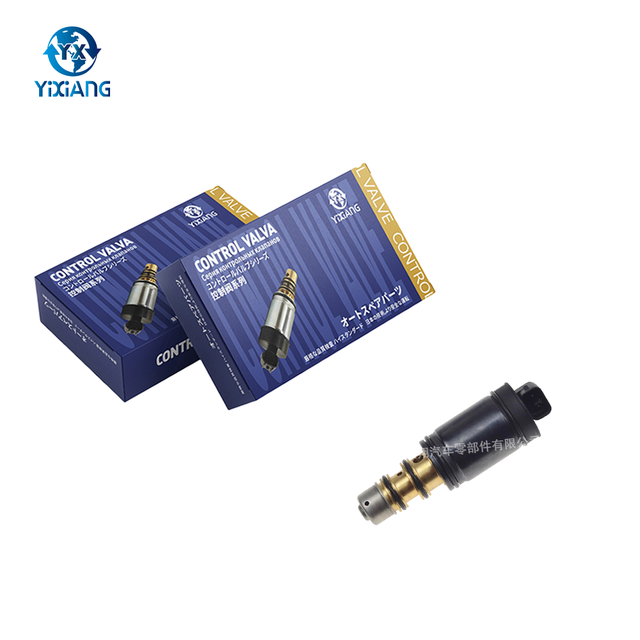
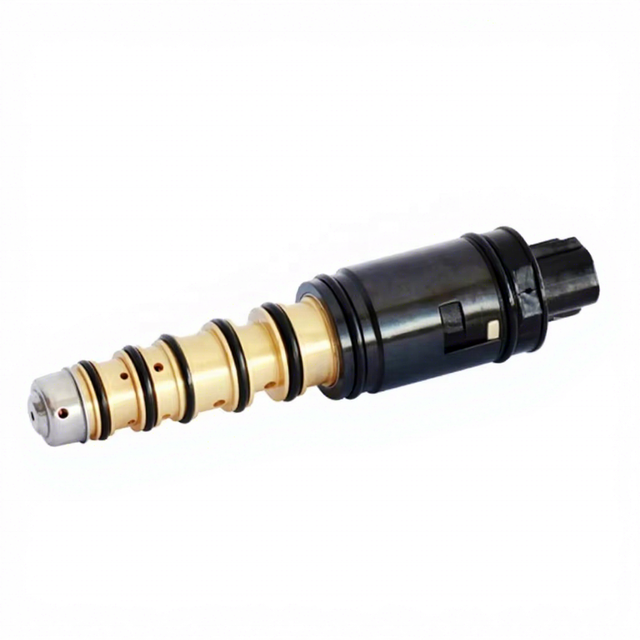
Guangzhou Yixiang Auto Parts Co., Ltd.
100% quality control across all production lines
Inspection of all products
Comply with IATF 16949, ISO standards

Shandong Sparta Machinery Co., Ltd.
Top 10% for buyers in Industrial Compressor Parts
Has served Fortune 500 clients
100% quality control across all production lines
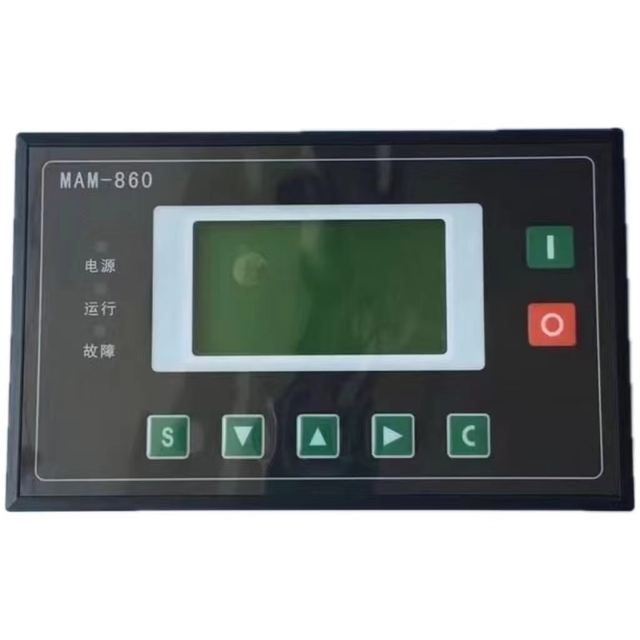

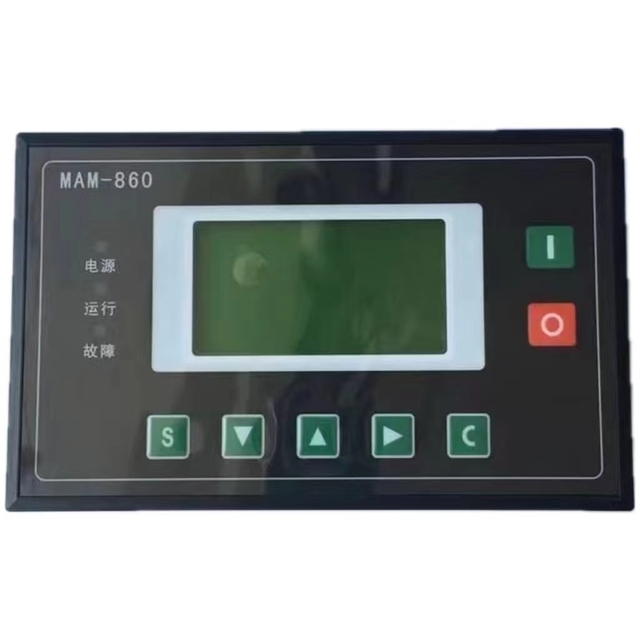
Jiangxi Voco Industrial And Trade Co., Ltd.
Top 10% for orders in Industrial Compressor Parts - United States of America market
100% quality control across all production lines
Provides e-commerce design services
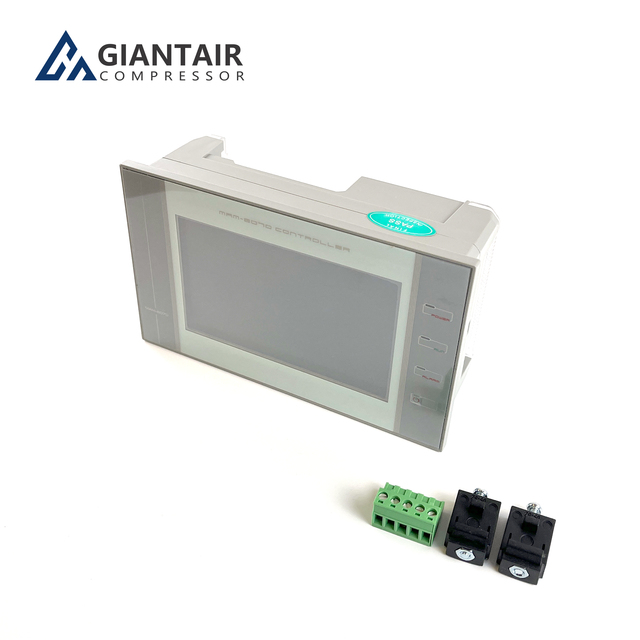
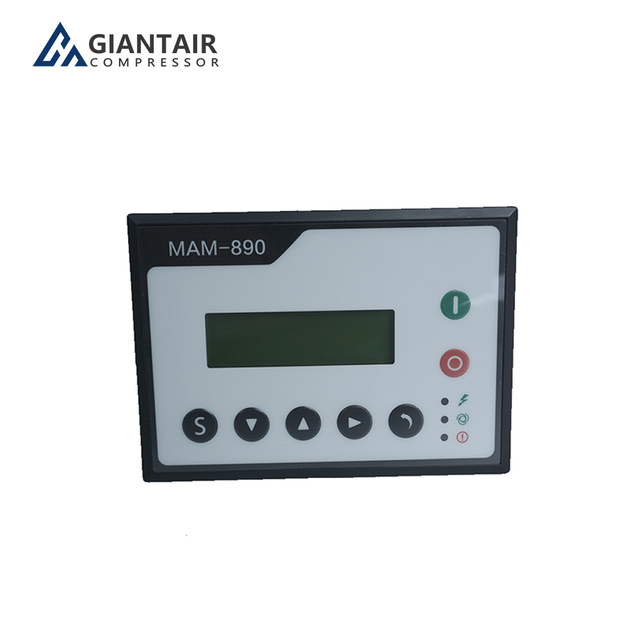


Xingyu Electron (Ningbo) Co.,Ltd
25 years of experience in exporting
Operates 55 self-owned production lines with certified equipments
Accepts over 8 secure payment methods


Hangzhou Mingzhu Technology Co., Ltd.
100% quality control across all production lines
Provides e-commerce design services
19 years of experience in exporting
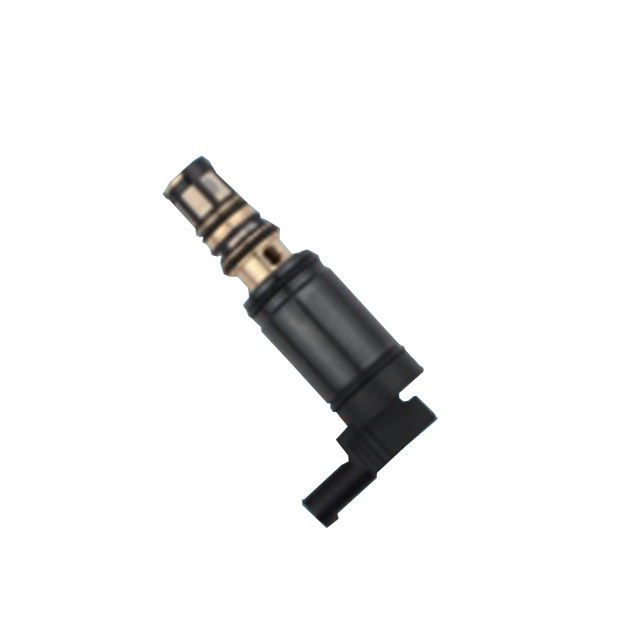
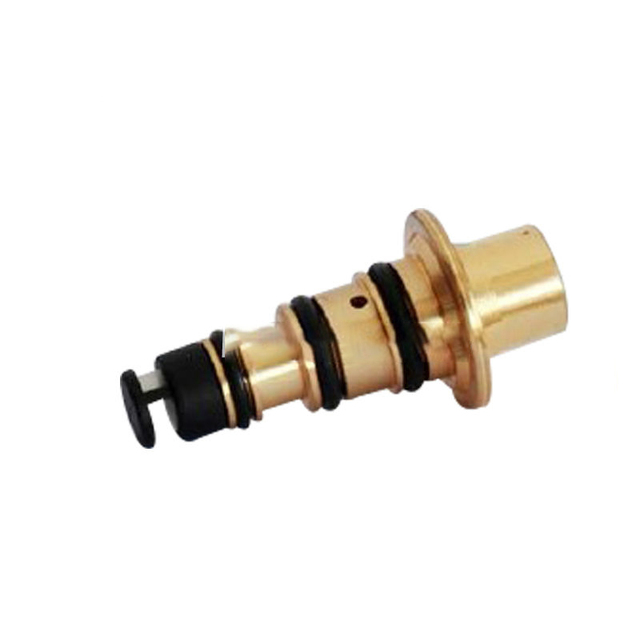
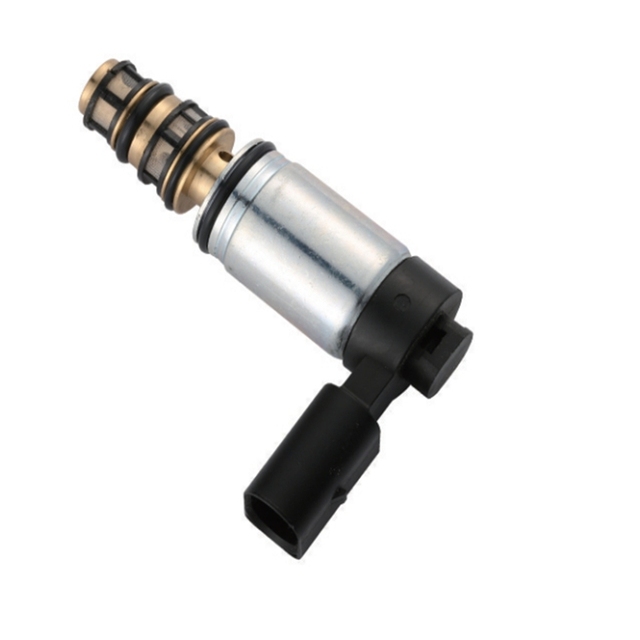

Wenzhou Bingo Imp. & Exp. Co., Ltd.
100% quality control across all production lines
17 years of experience in exporting
17 years of experience in industry

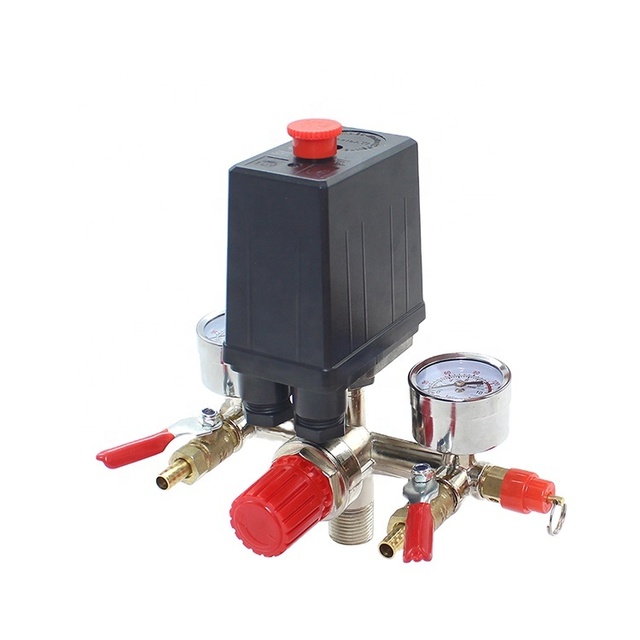

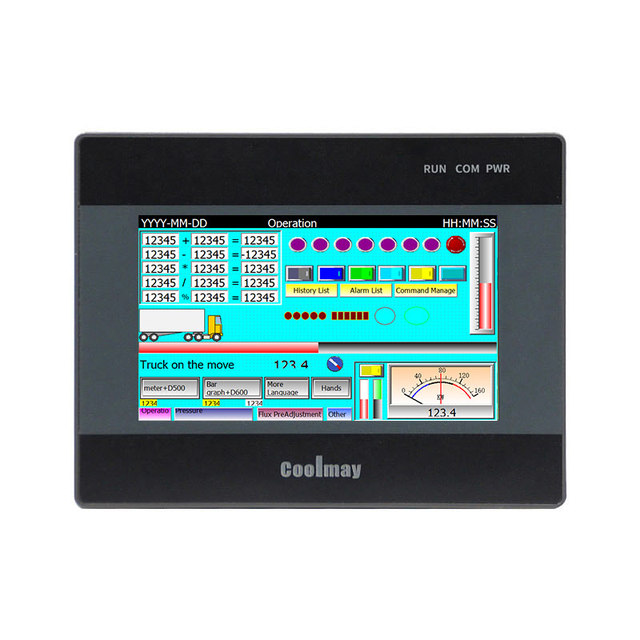
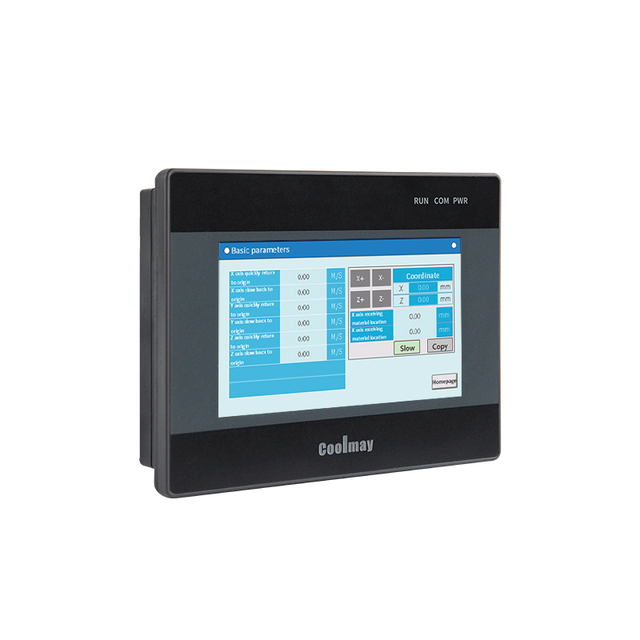
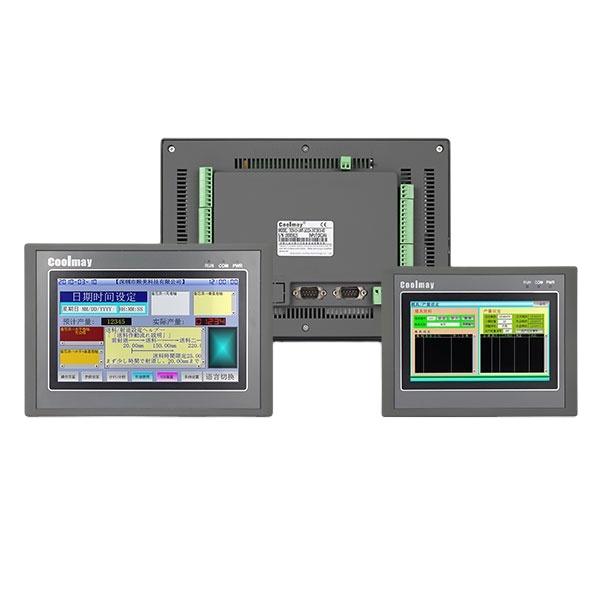
Shenzhen Coolmay Technology Co., Ltd.
100% quality control across all production lines
Provides e-commerce design services
19 years of experience in exporting

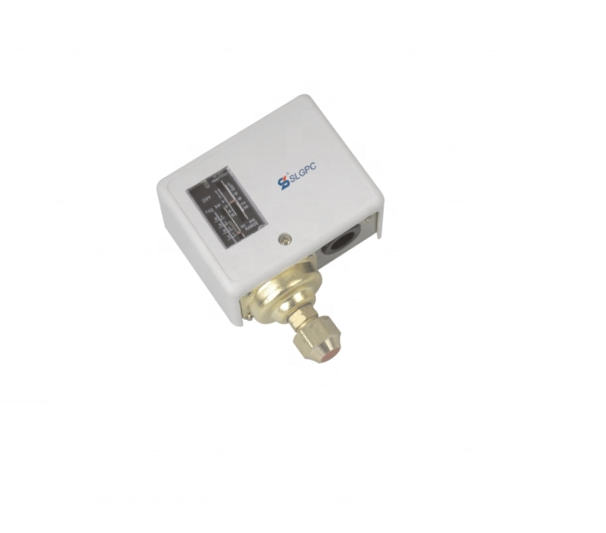
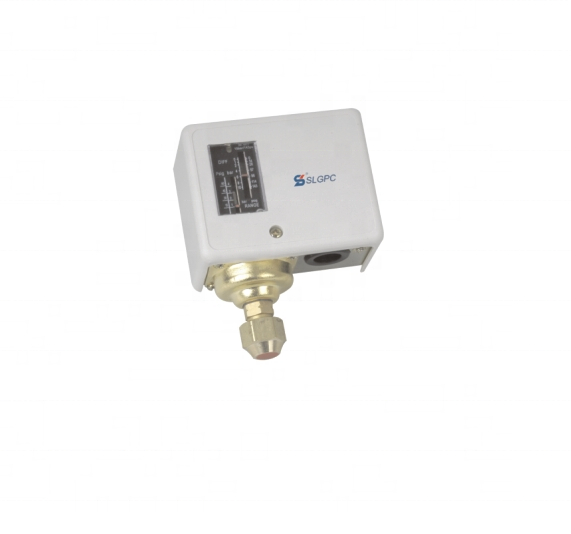
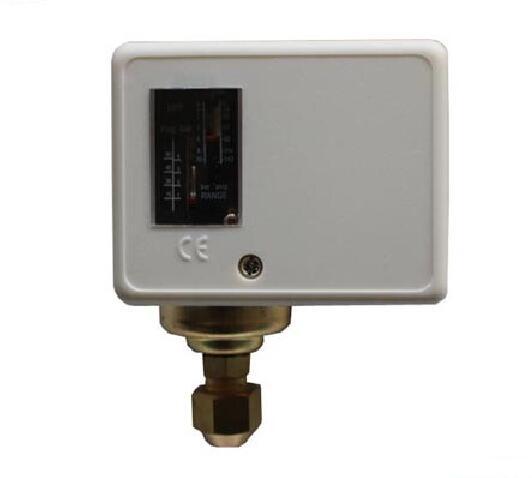
Ningbo Fenghua Shengling Pneumatic Machinery Electric Co., Ltd.
Inspection of all products
Comply with ISO standards
Provides e-commerce design services

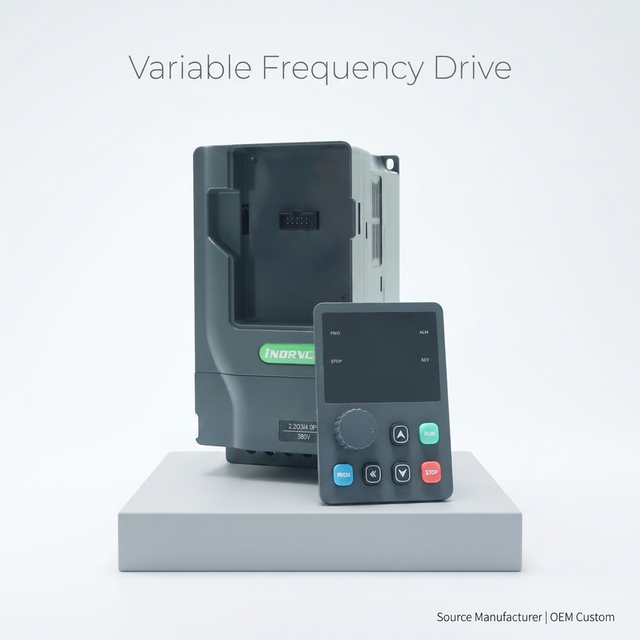
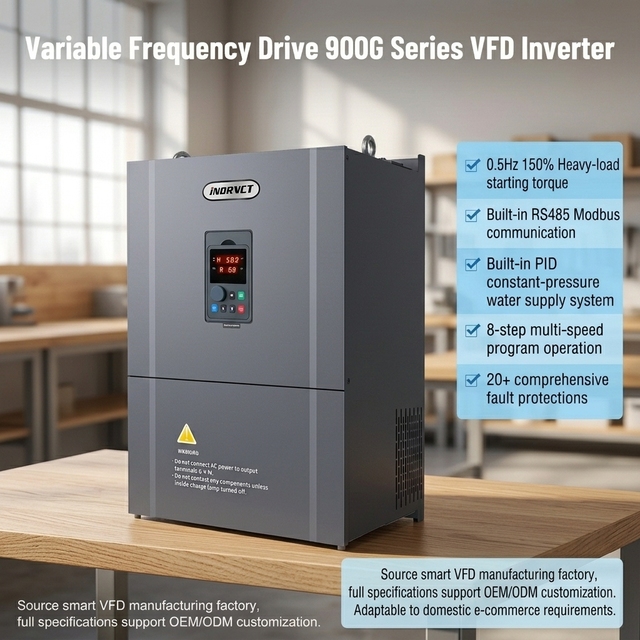
Shenzhen Indvs Technology Co., Ltd.
100% quality control across all production lines
Provides e-commerce design services
Inspection of all products
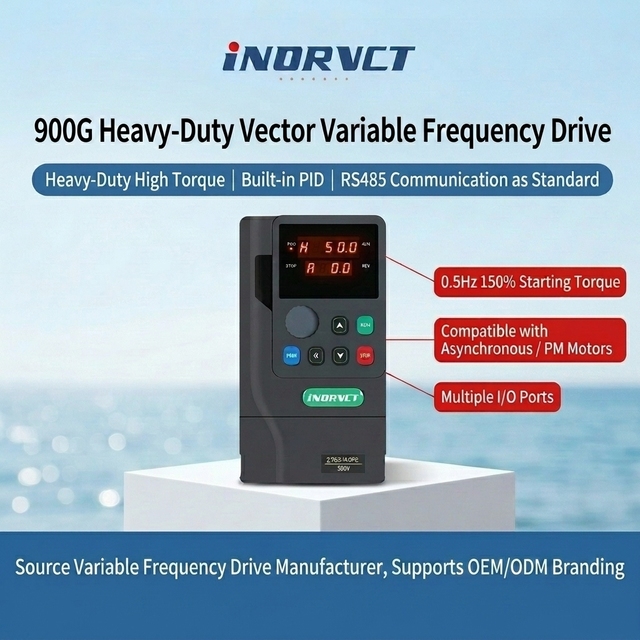

Zhejiang Saikong Electrical Technology Co., Ltd.
100% quality control across all production lines
Provides e-commerce design services
Inspection of all products
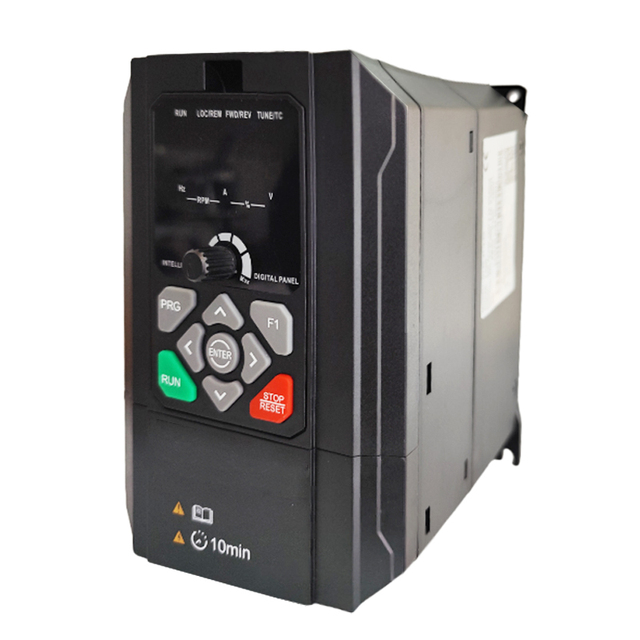
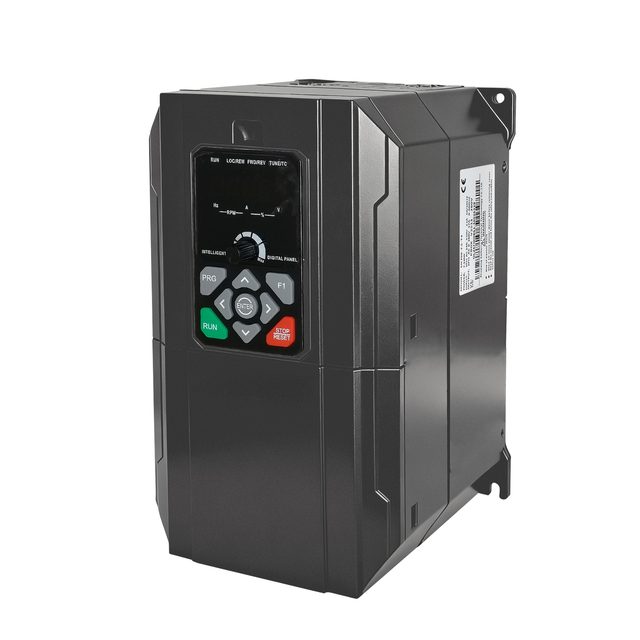

Zhejiang Shenneng Technology Co., Ltd.
Comply with ISO standards
Provides e-commerce design services
Inspection of all products
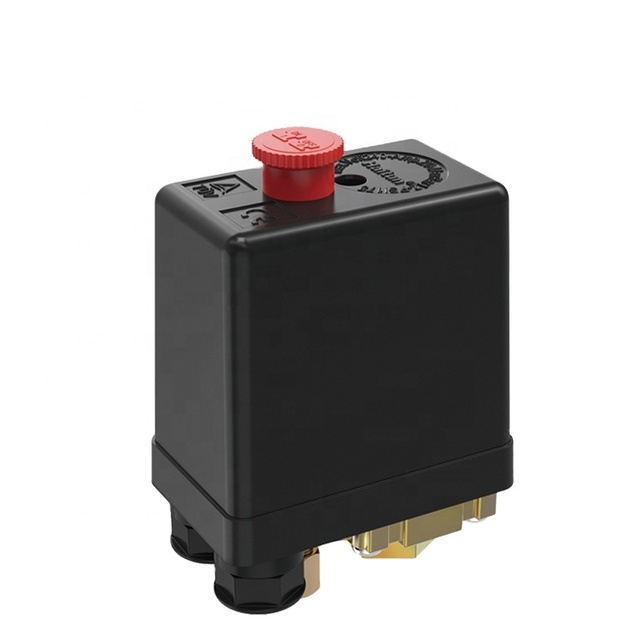
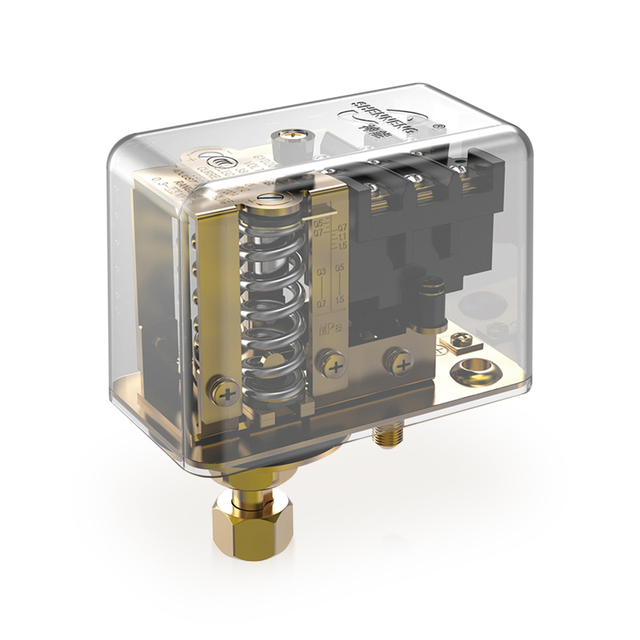
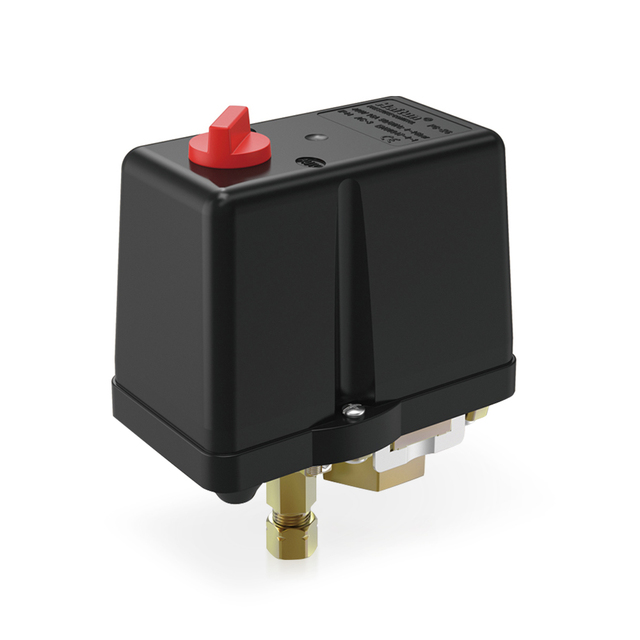

Shandong Shenzhou Refrigeration Equipment Co., Ltd.
Annual export revenue: 6 million
Participated in 1 trade show in United States of America
On-site engineer support service includes debugging, maintain, repair
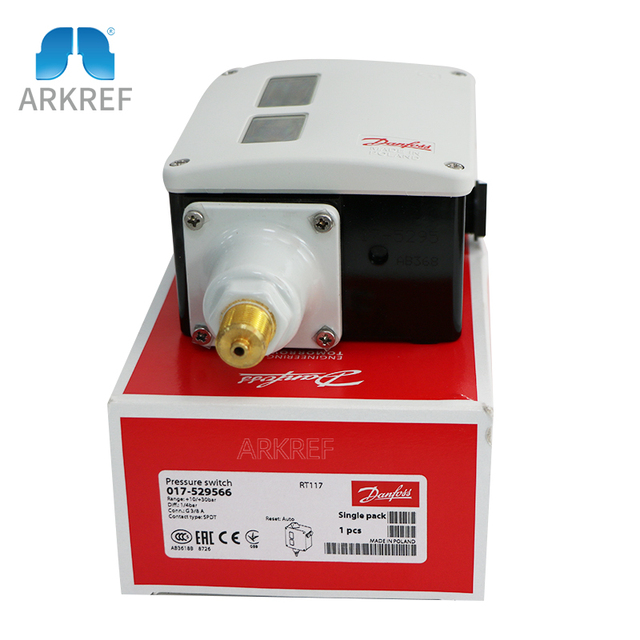
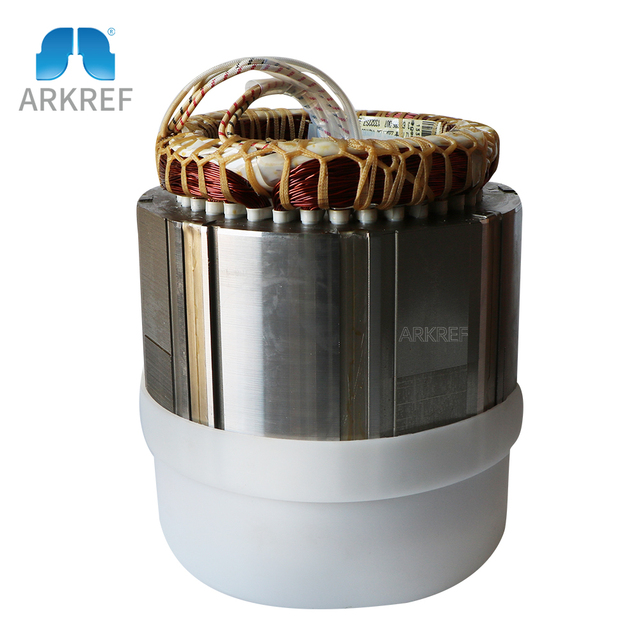

Hunan Leading Science And Technology Development Co., Ltd.
20 years of experience in exporting
Comply with ISO standards
Provides e-commerce design services

Taixing Penguin Refrigeration Equipment Factory
100% quality control across all production lines
Provides e-commerce design services
22 years of experience in industry

Sanmen Taili Motor Co., Ltd.
Inspection of all products
21 years of experience in industry
100% quality control across all production lines
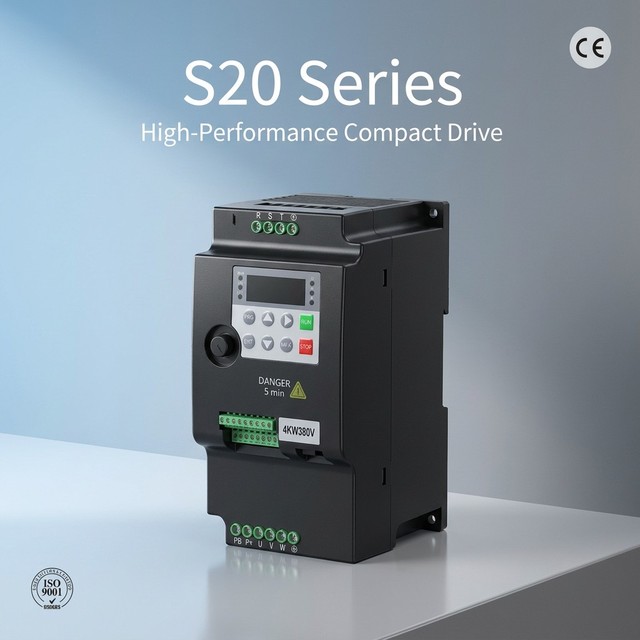
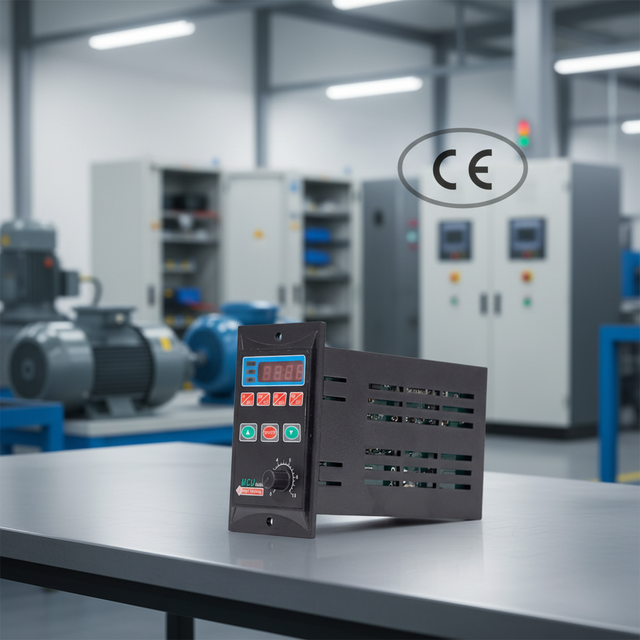

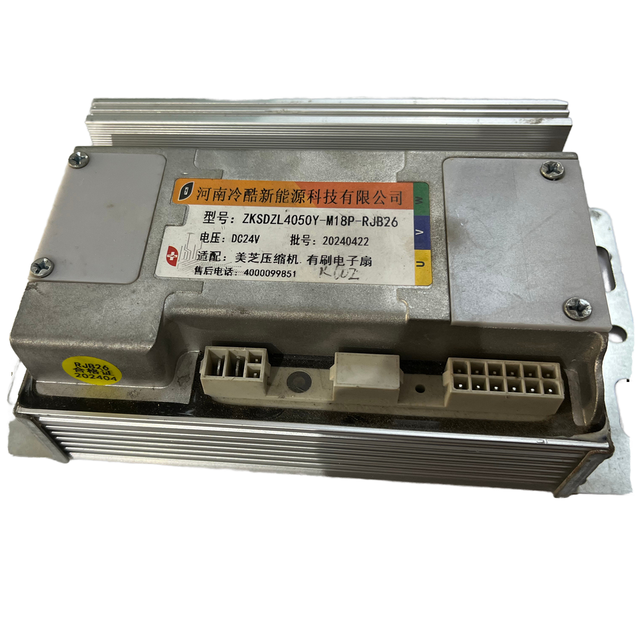
Henan Lengku New Energy Technology Co., Ltd.
100% quality control across all production lines
Provides e-commerce design services
Accepts over 8 secure payment methods
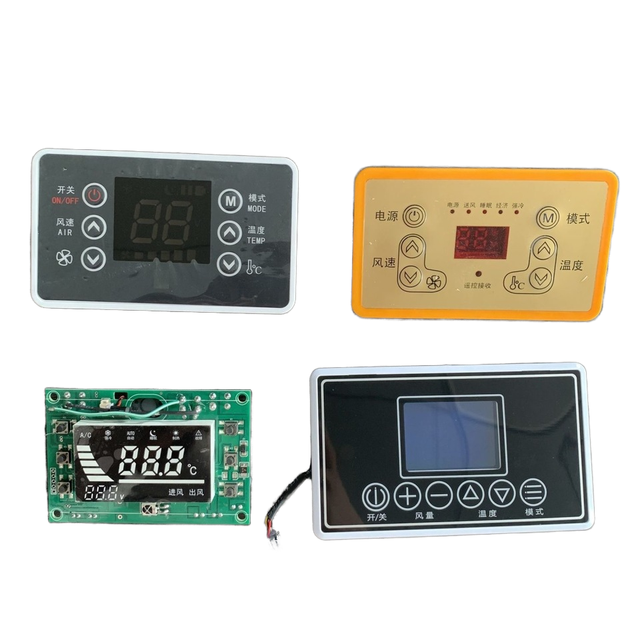
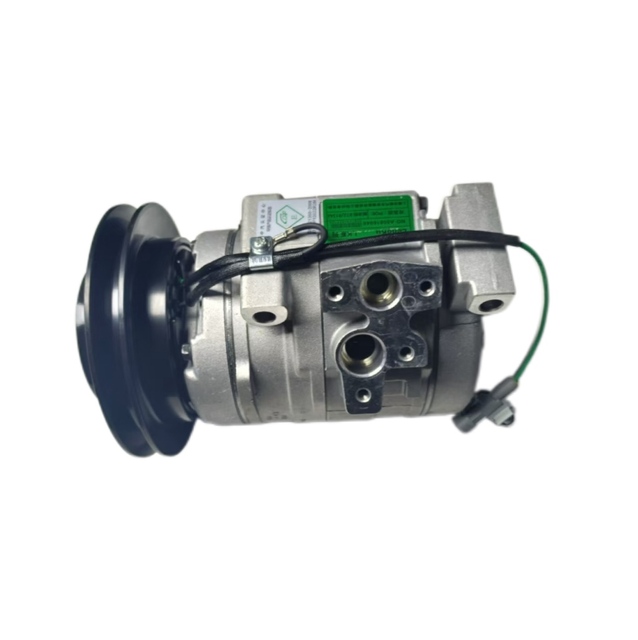

Xuzhou Vitech Automatic Control Equipment Co., Ltd.
100% quality control across all production lines
15 years of experience in exporting
Provides e-commerce design services

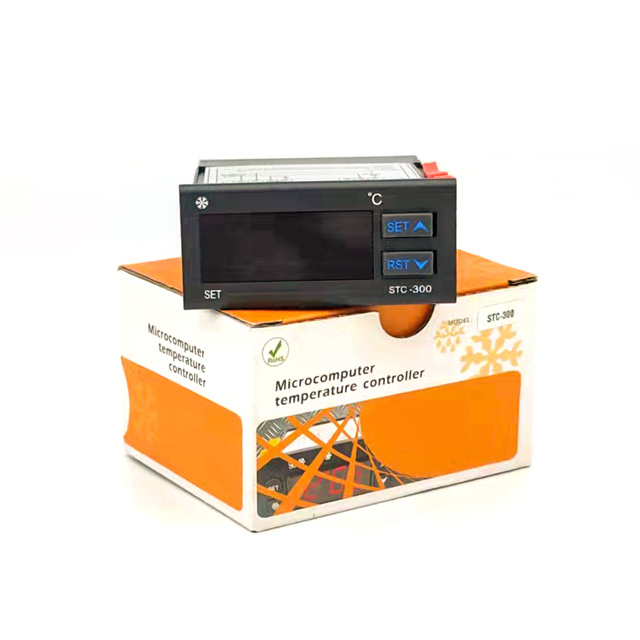
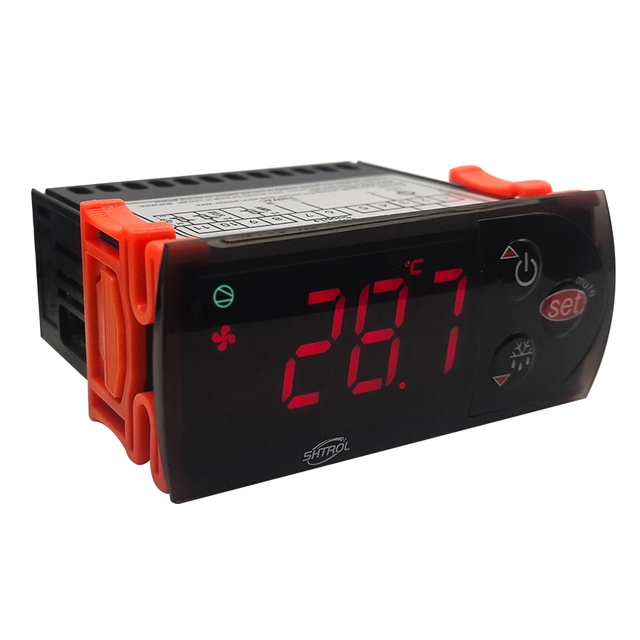

Shandong Ruihong Machinery Equipment Co., Ltd
100% quality control across all production lines
Provides e-commerce design services
Inspection according to client's requirement
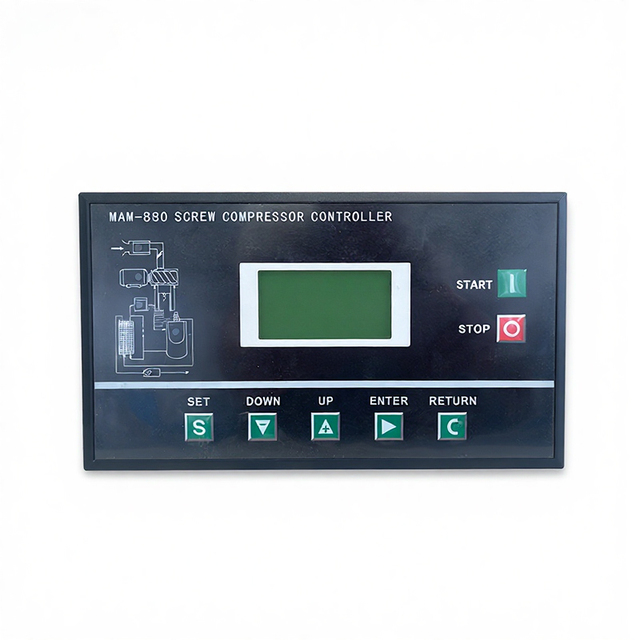
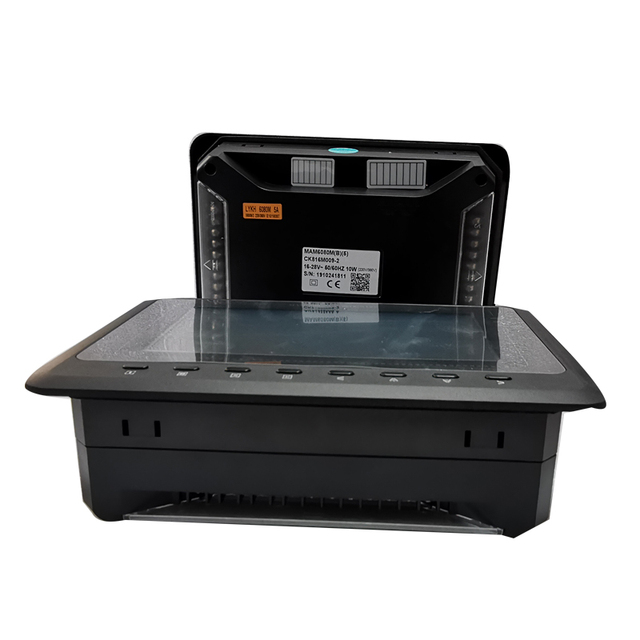
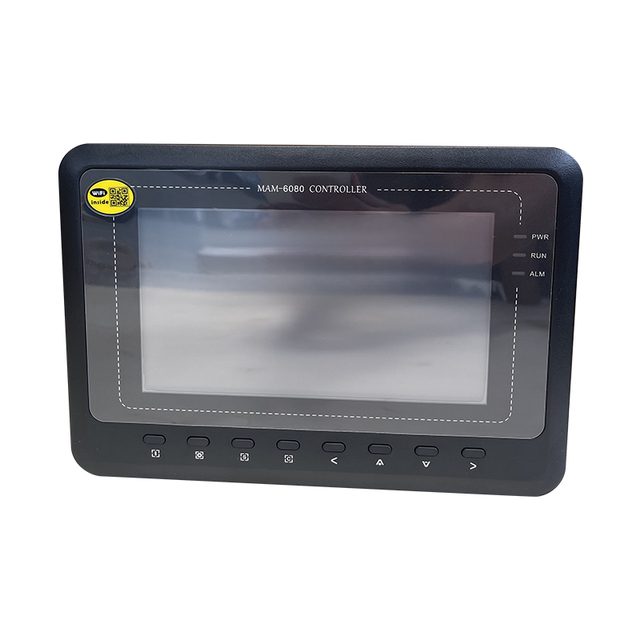

Guangdong Jiesheng Electric Technology Co., Ltd.
Operates 8 self-owned production lines with certified equipments
Meets FCC standards in United States of America
17 years of experience in industry

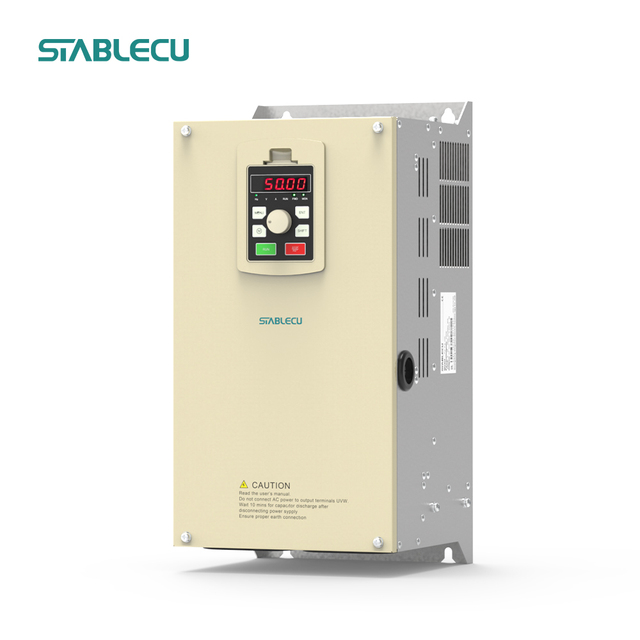
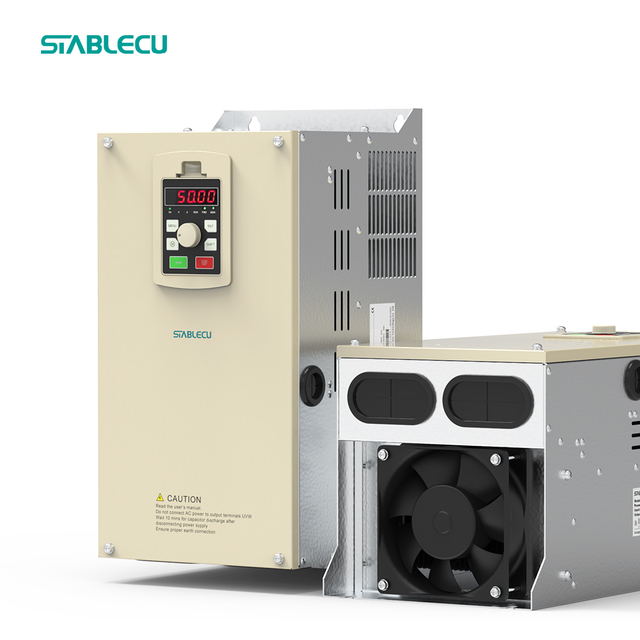

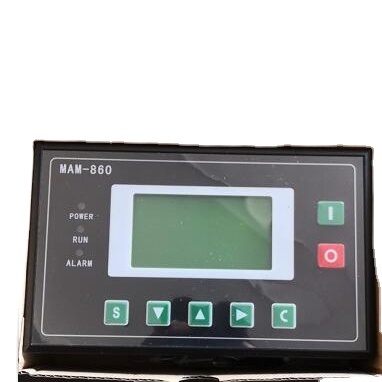
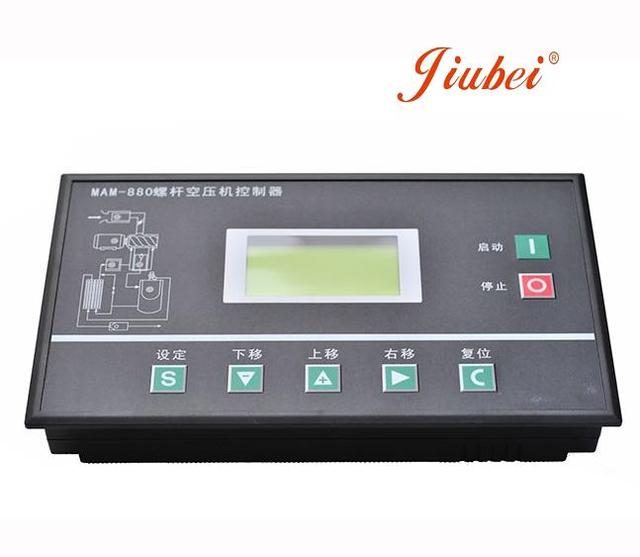
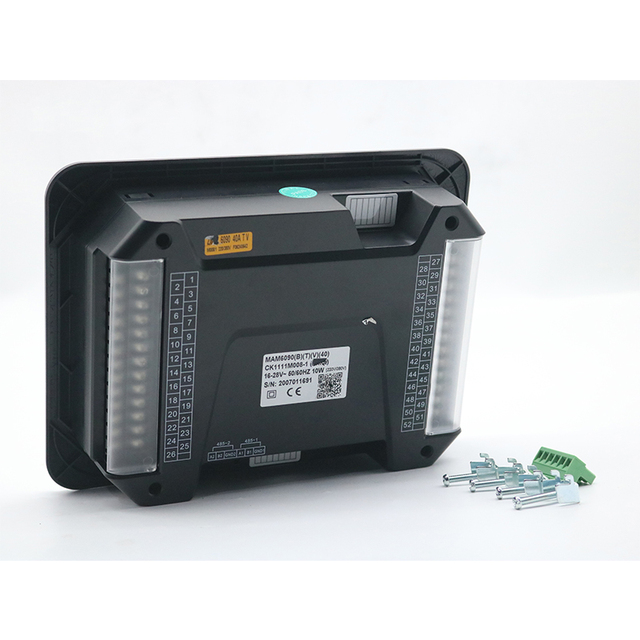
Dongguan City Jiubei Compressor Parts Co., Ltd.
Top 20% for orders in Industrial Compressor Parts
Main category includes Air Dryer
On-site engineer support service includes repair, maintain, debugging

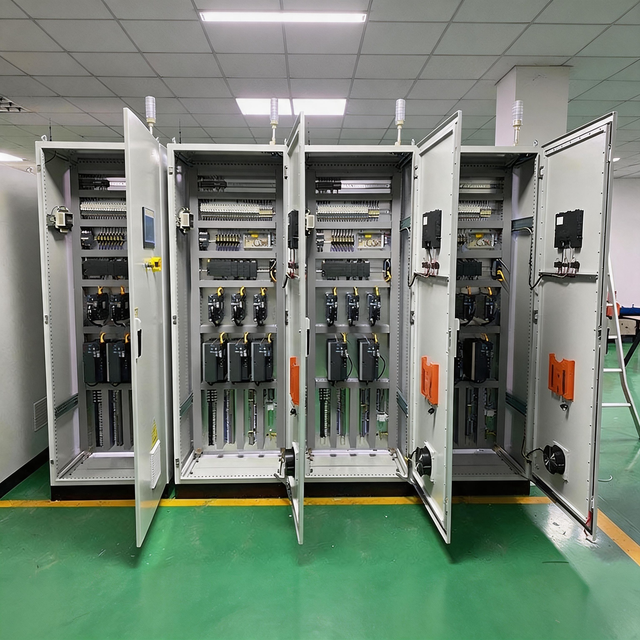
Luoyang Bozhi Automatic Control Technology Co., Ltd.
Comply with ISO standards
Meets ETL standards in United States of America
Inspection of all products
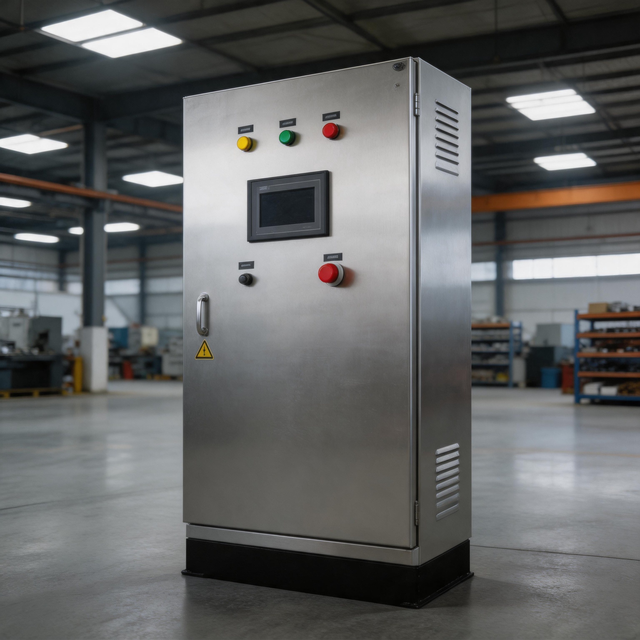
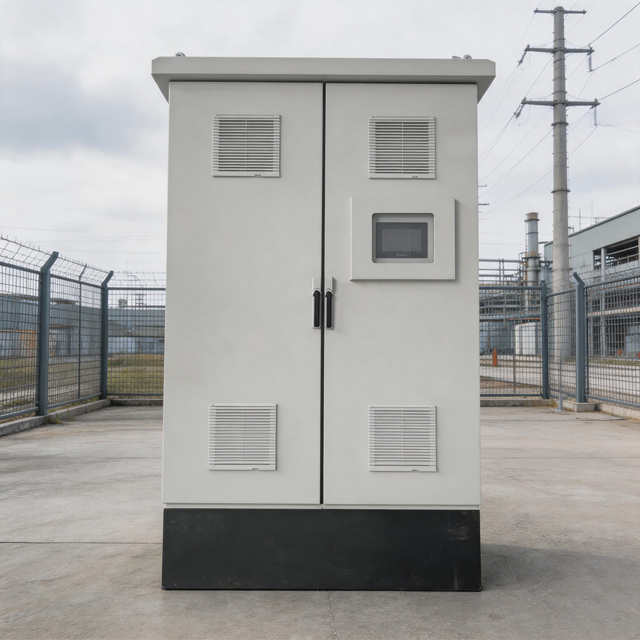

Atech Sensor Co., Ltd.
Comply with ISO standards
On-site engineer support service includes debugging, maintain, repair
Inspection of all products
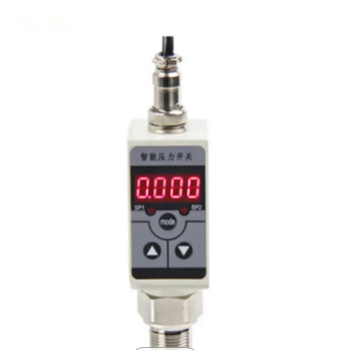

Jiangxi Saifu Industry Co., Ltd.
Top 20% for inquiries in Industrial Compressor Parts
100% quality control across all production lines
Provides e-commerce design services
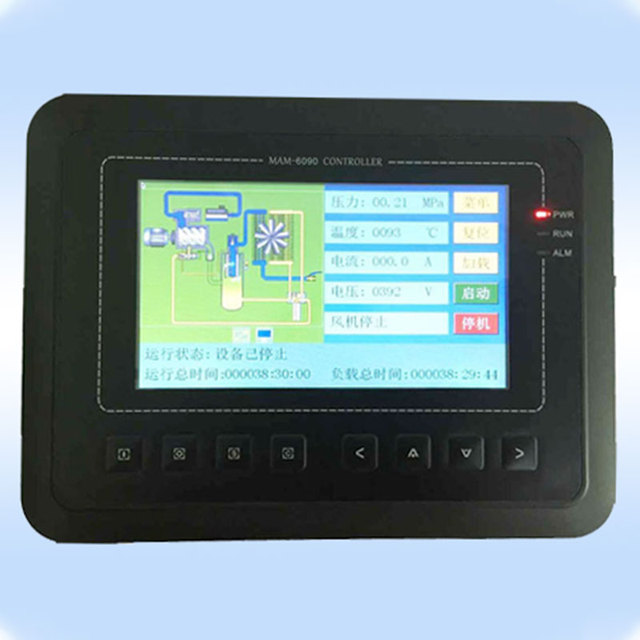

Yuyao Kingtai Instrument Co., Ltd.
Comply with ISO standards
100% quality control across all production lines
28 years of experience in industry
Related Searches
Explore more sourcing topics & related categories
Sources & References
29 sources cited · Verified industry data & reports
Compressor Control Systems Market Market Size, Share, 2034
www.fortunebusinessinsights.com
Access 74+ Detailed Reports Featuring Market Insights, Trends, Forecasts, & Competitive Analysis Across Sectors: The global compressor control systems market size is valued at USD 8.10 billion in 2026, projected to reach USD 13.00 billion by 2034 at a CAGR of 6.10% during 2026–2034. The global compressor control systems market size was valued at USD 7.63 billion in 2025. The market is projected to grow from USD 8.10 billion in 2026 to USD 13.00 billion by 2034, exhibiting a CAGR of 6.10% during the forecast period. Industry 4.0 and automation integration are also defining market trends, with compressor control systems becoming central to digital manufacturing and smart factory environments. Advanced control software that interfaces with PLCs (Programmable Logic Controllers), SCADA (Supervisory Control and Data Acquisition), and cloud‑based platforms is becoming standard, enabling unified operational oversight across multiple assets. One of the most prominent trends in the market is the integration of IoT connectivity and advanced software analytics into compressor control platforms, enabling remote monitoring, real‑time diagnostics, and predictive maintenance functionalities that help reduce downtime and maintenance costs.
Compressor Control System Market – Global Market Size, Share, ...
www.databridgemarketresearch.com
Companies such as ABB and Emerson Electric Co. are investing heavily in AI-integrated control platforms that provide actionable insights, adaptive control logic, and remote operability for industrial compressors · The trend of AI-powered, data-driven control is expected to be a transformative force, significantly improving plant efficiency, asset utilization, and operational agility across industrial sectors globally The Controlling Component segment dominated the compressor control system market with the largest market revenue share of 61.3% in 2024, driven by the critical role it plays in real-time data processing, compressor load management, and ensuring overall system efficiency. These components include programmable logic controllers (PLCs), control panels, and automation software that help optimize operational parameters, reduce energy consumption, and extend equipment life. The Networking Component segment is expected to witness the fastest CAGR from 2025 to 2032, fueled by the rising trend of Industry 4.0, the need for remote monitoring, and increased deployment of Industrial IoT (IIoT) solutions. As industries prioritize operational efficiency and sustainability, the integration of smart technologies, such as IoT and artificial intelligence, into compressor control systems is becoming more prevalent · This trend enhances real-time monitoring, predictive maintenance, and automation, leading to improved productivity and reduced downtime. The Controlling Component segment dominated the compressor control system market with the largest market revenue share of 61.3% in 2024, driven by the critical role it plays in real-time data processing, compressor load management, and ensuring overall system efficiency · Integration of AI and Predictive Analytics for Operational Optimization · A key trend driving the compressor control system market is the growing integration of artificial intelligence (AI) and predictive analytics to enable real-time performance monitoring, predictive maintenance, and energy optimization.
Compressor Control Market Size & Share 2026-2032
www.360iresearch.com
Cyber-secure remote access, standardized industrial communication protocols, and cloud-enabled analytics are also changing purchasing criteria, as end users seek interoperable systems that can integrate with distributed control systems, programmable logic controllers, supervisory control and data acquisition platforms, and enterprise asset management tools. This transition is creating a more software-defined compressor control environment where resilience, adaptability, and data quality determine long-term operational advantage. AI also improves workforce productivity by converting complex compressor data into actionable insights for maintenance teams, reliability engineers, and control room operators. However, adoption depends on trusted data governance, cybersecurity controls, explainable algorithms, operator training, and integration with existing safety systems. The most effective AI strategies complement established control logic rather than replace it, using validated analytics to enhance reliability, energy performance, and decision-making across compressor fleets. Fifth, operators should define performance metrics such as compressor availability, specific energy consumption, pressure stability, maintenance response time, and alarm quality to ensure control improvements deliver measurable operational benefits. Finally, workforce enablement is essential: engineers, maintenance technicians, and operators need training that bridges control logic, rotating equipment behavior, data analytics, and safe operating procedures. The Global Compressor Control Market to grow USD 10.96 billion by 2032, at a CAGR of 6.70% ... Ans. Most reports are fulfilled immediately. In some cases, it could take up to 2 business days. In what format does this report get delivered to me? Ans. We will send you an email with login credentials to access the report. You will also be able to download the pdf and excel. ... Ans. We are approaching our 9th anniversary in 2026!
Compressor Control Systems Industry Market: Opportunities, Growth ...
www.marketresearchintellect.com
The primary interviews provide information on crucial factors such as market trends, market size, the competitive landscape, growth trends, and future prospects. These factors contribute to the validation and reinforcement of secondary research findings and to the growth of the analysis team’s market knowledge. 1. Introduction of Compressor Control Systems Industry Market ... The forecast period would be from 2026 to 2033 in the report with year 2025 as a base year. Compressor Control Systems Industry Market, characterized by a rapid and substantial growth in recent years, is anticipated to experience continued significant expansion from 2026 to 2033. The prevailing upward trend in market dynamics and anticipated expansion signal robust growth rates throughout the forecasted period. The Compressor Control Systems Industry Market is expected to experience steady growth from 2026 to 2033, driven by increasing demand for energy-efficient and reliable compressed air solutions across manufacturing, oil and gas, chemical, and automotive industries. The global Compressor Control Systems Industry Market is estimated at 3.5 billion USD in 2024 and is forecast to touch 6.3 billion USD by 2033, growing at a CAGR of 6.1% between 2026 and 2033.
Compressor Control System Market Report: Trends, Forecast and ...
www.giiresearch.com
The future of the global compressor control system market looks promising with opportunities in the oil & gas, energy & power, chemical, and food & beverage markets. The global compressor control system market is expected to reach an estimated $14 billion by 2035 with a CAGR of 6.2% from 2026 to 2035. Market Size Estimates: compressor control system market size estimation in terms of value ($B). Trend and Forecast Analysis: Market trends (2019 to 2025) and forecast (2026 to 2035) by various segments and regions. Figure 13.5: Emerging Trends in the Global Compressor Control System Market · Table 1.1: Growth Rate (%, 2024-2025) and CAGR (%, 2026-2035) of the Compressor Control System Market by Type, Component, and End Use Figure 7.2: Forecast for the Global Compressor Control System Market ($B) by Region (2026-2035)
Compressor Control System Market Size and Share Report 2035
www.marketresearchfuture.com
In addition, the Compressor Control System Market is witnessing a shift towards digital solutions, with cloud-based platforms gaining traction. This trend allows for enhanced data analytics and remote management capabilities, providing users with valuable insights into system performance. The incorporation of Internet of Things (IoT) technologies into compressor control systems is becoming increasingly prevalent. This integration facilitates real-time data collection and analysis, enabling operators to monitor system performance remotely. Consequently, this trend enhances operational efficiency and allows for proactive maintenance, reducing the likelihood of unexpected failures. Organizations are increasingly seeking solutions that not only optimize compressor performance but also minimize energy consumption. This trend is driven by both regulatory pressures and the desire to reduce operational costs, leading to a surge in demand for advanced control systems. According to recent data, energy-efficient compressors can lead to energy savings of up to 30%, which is a compelling incentive for manufacturers. This trend is particularly evident in sectors such as manufacturing and HVAC, where energy consumption is substantial.