Customized Square Led Downlights Factory

Overview
Supplier sourcing insights & recommendations
The LED downlight market is undergoing a significant shift toward smart integration and tunable-white technology, with the global market projected to reach $54.9 billion by 2034 Imarcgroup. In 2026, demand is driven by commercial retrofit projects and residential smart home adoption, particularly in regions with strict energy mandates like California's Title 24 Markwideresearch.
Key insights include:
- Technological Shift: Tunable-white LED engines are displacing fixed fixtures to align with circadian rhythms in healthcare and hospitality Markwideresearch.
- Customization Demand: Suppliers are focusing on architectural aesthetics, anti-glare designs, and quick OEM/ODM sample turnaround Unicopper-LightingImarcgroup.
- Regulatory Pressure: EU Ecodesign and US DOE standards are compressing replacement cycles, forcing manufacturers to innovate in thermal management and efficacy MarkwideresearchMarkwideresearch.
I have identified over 30 verified suppliers specializing in customized square LED downlights, primarily located in Guangdong, China. These manufacturers offer extensive customization for material, size, and color temperature, with many holding ISO and EMC certifications AlibabaAlibaba. Detailed supplier profiles and product capabilities can be found in the attached files.
I have gathered detailed insights on square LED downlight trends and suppliers. You can explore further by:
Customized Square Led Downlights Factory Verified Manufacturer
Verified suppliers · 2 lists

Foshan lan Lighting Appliance Import and Export Co., Ltd.
Top 10% for inquiries in Downlights
Comply with ISO standards
Main category includes LED Down Light
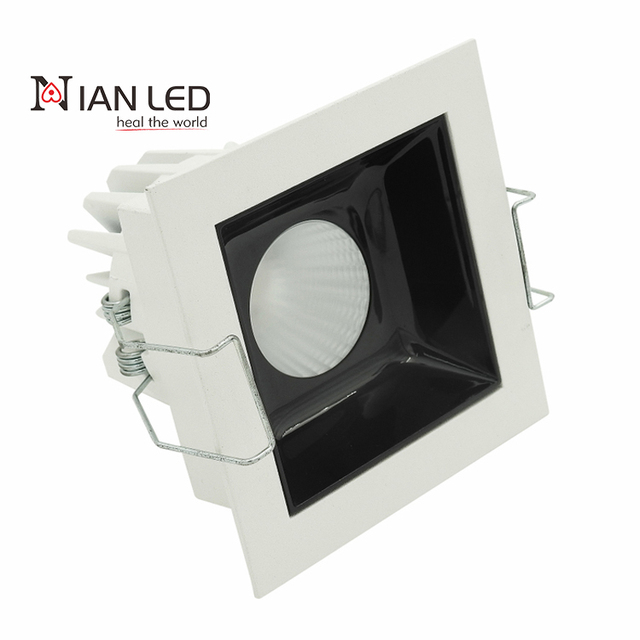
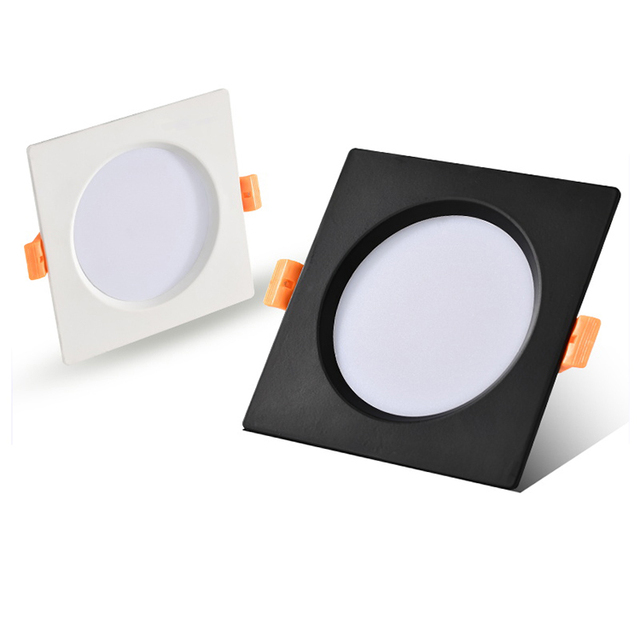
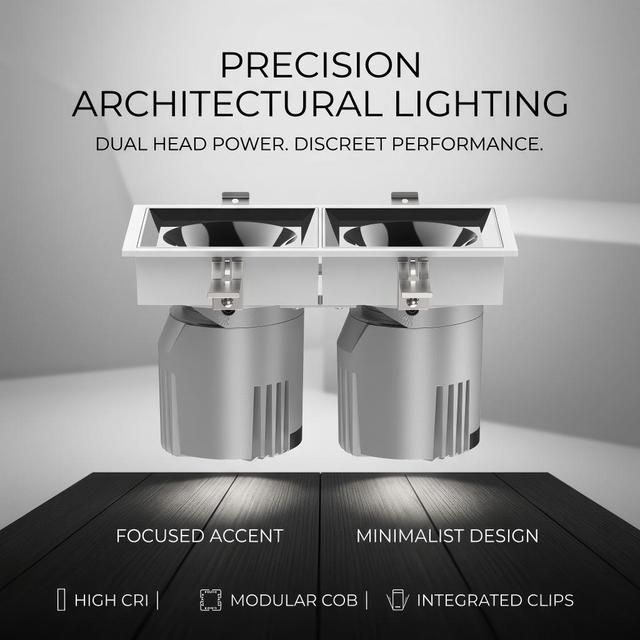

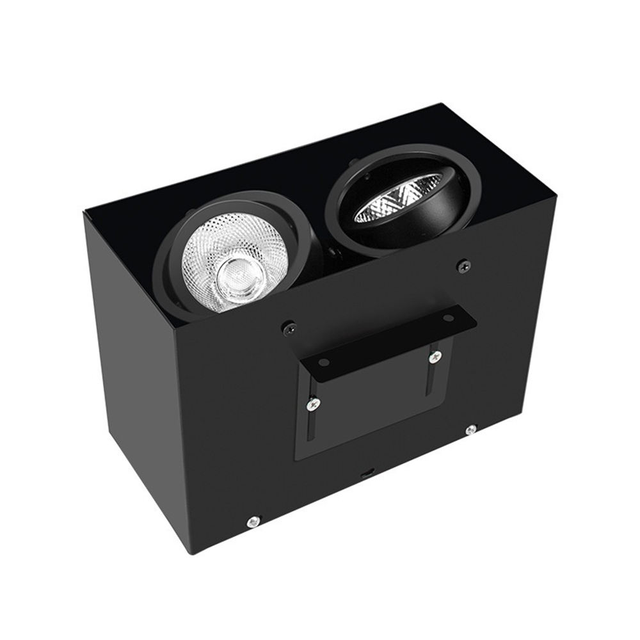
Zhongshan Benan Lighting Co., Ltd.
Top 10% for buyers in Downlights
100% quality control across all production lines
Operates 6 self-owned production lines with certified equipments
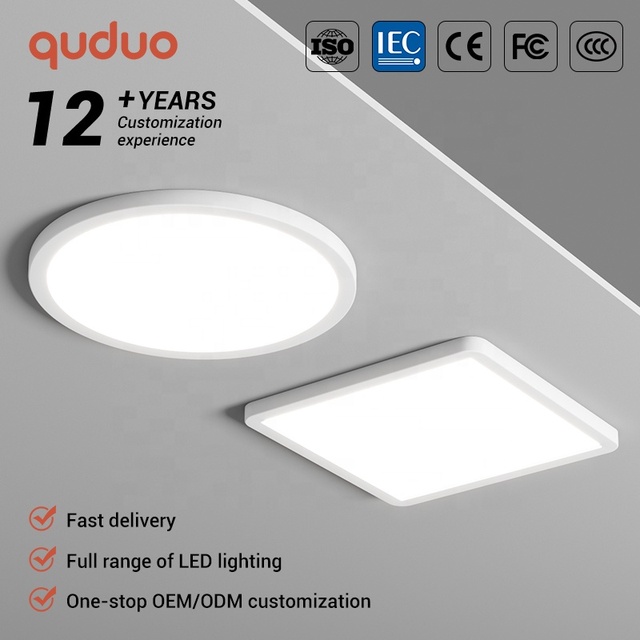
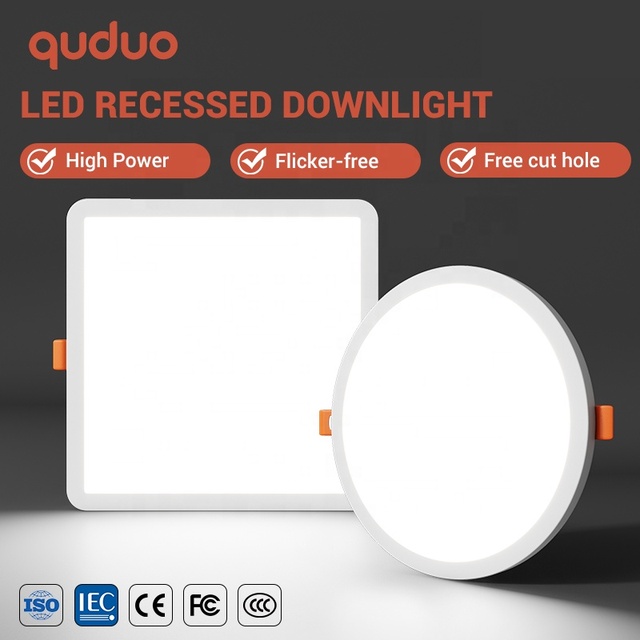

Shenzhen Sanjian Optoelectric Technology Co., Ltd.
Main category includes LED Down Lights
Comply with ISO standards
100% quality control across all production lines
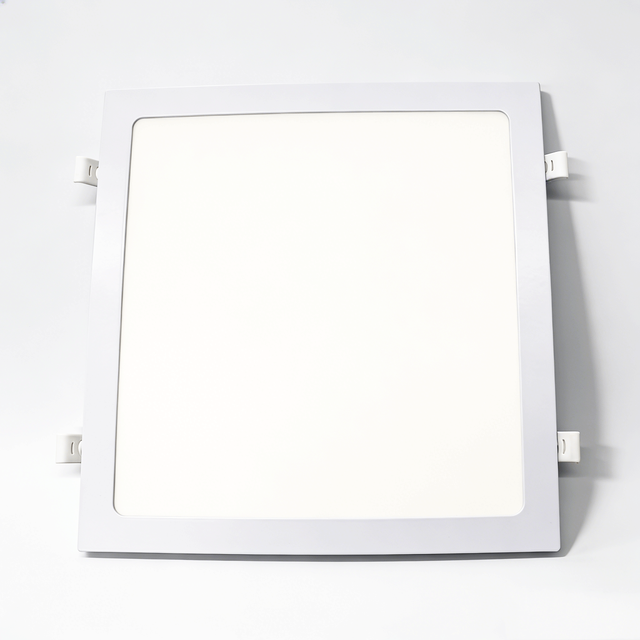
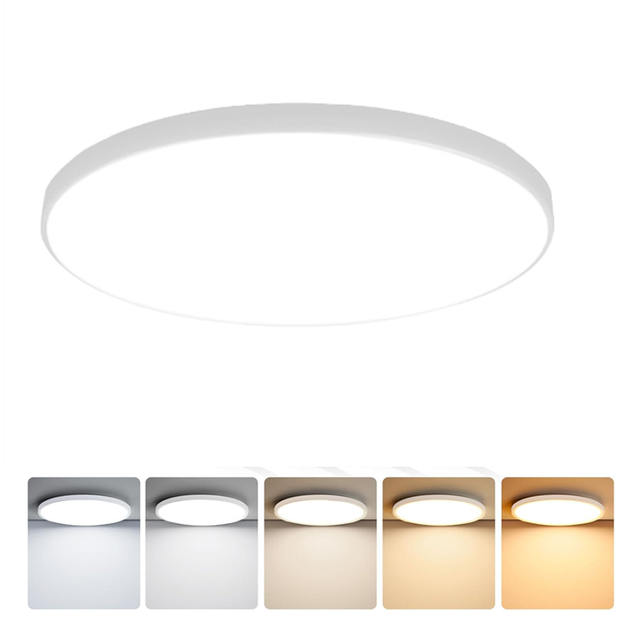
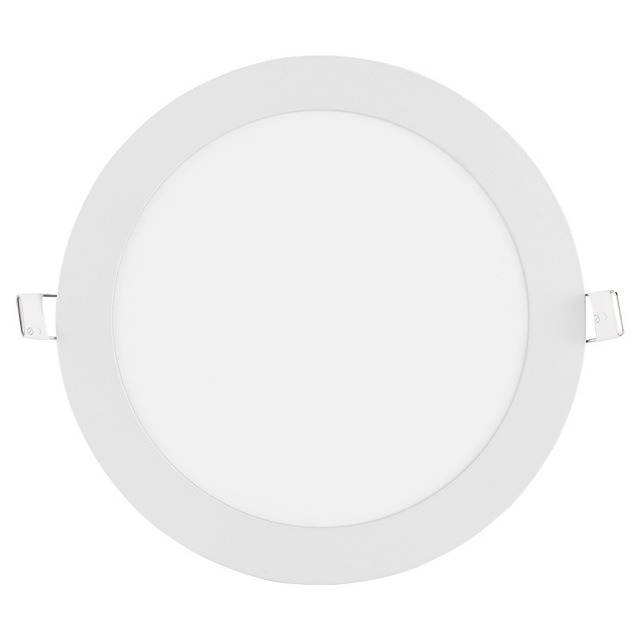

Zhejiang Eboy Technology Co., Ltd.
Meets FCC, ETL standards in United States of America
36 years of experience in industry
Provides one-stop project solutions
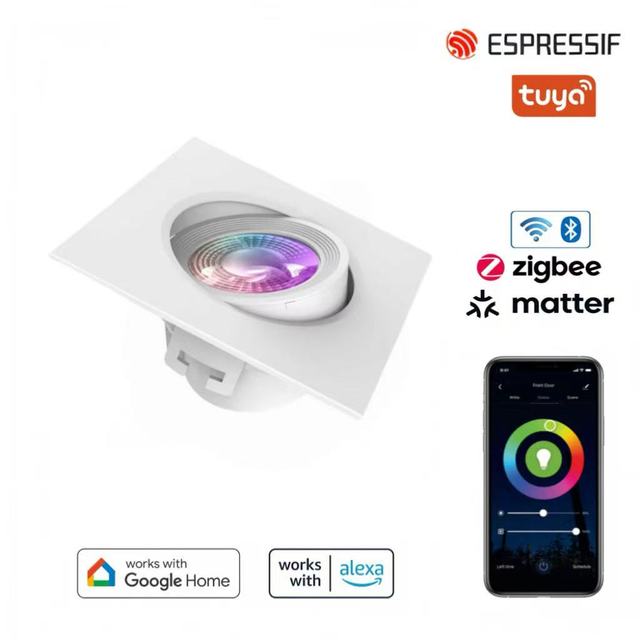
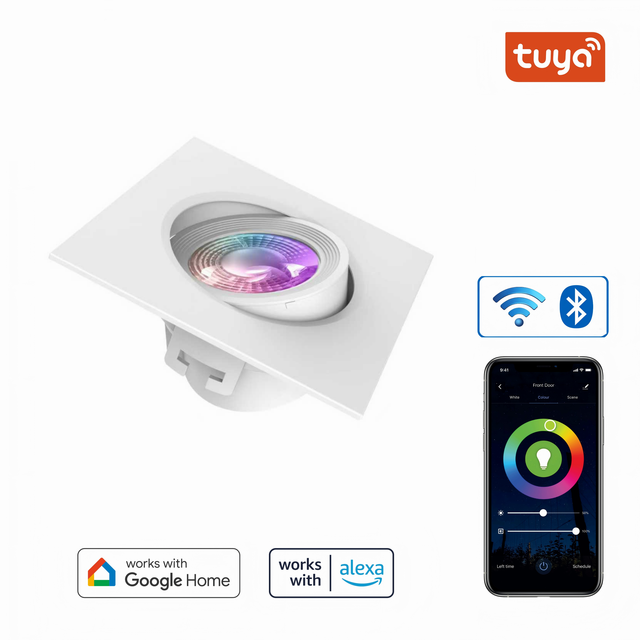
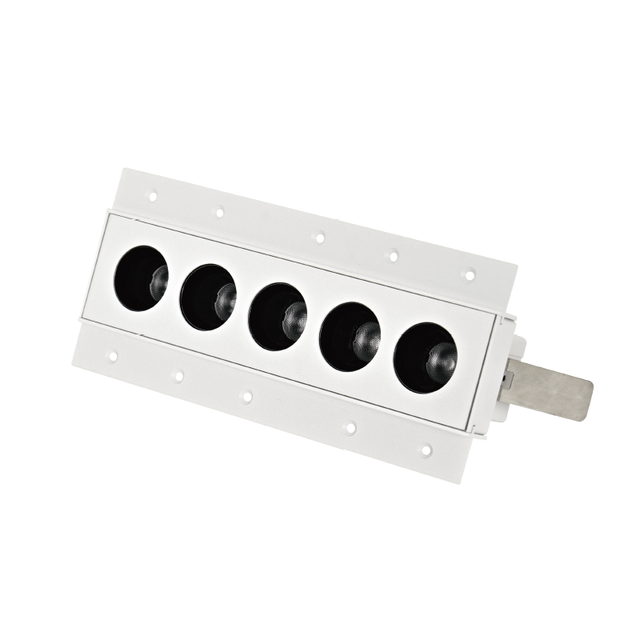
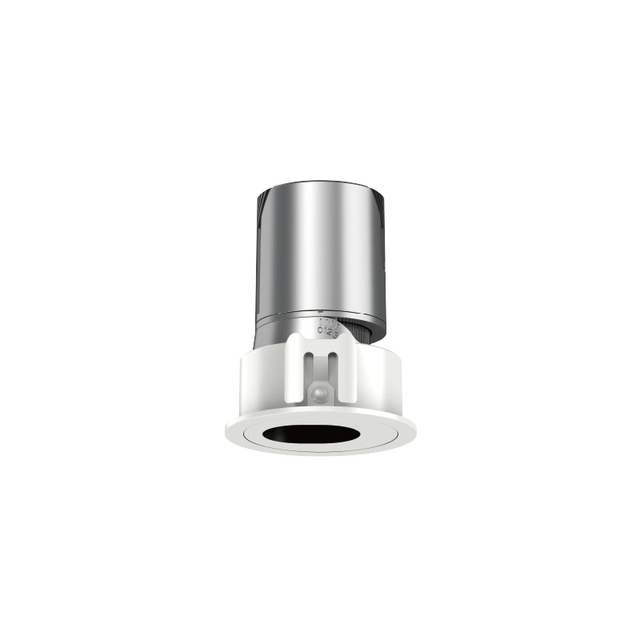
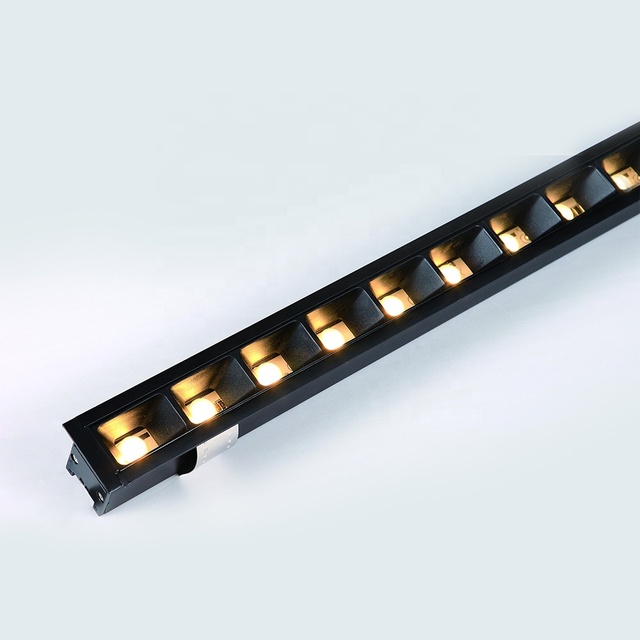
Zhongshan Oris Lighting Co., Ltd.
Top 20% for inquiries in Downlights
Annual export revenue: 2 million
100% quality control across all production lines
Zhongshan Baron Lighting Co.,ltd
Top 20% for orders in Downlights - United States of America market
Operates 7 self-owned production lines with certified equipments
Supports shipping to FBA warehouses
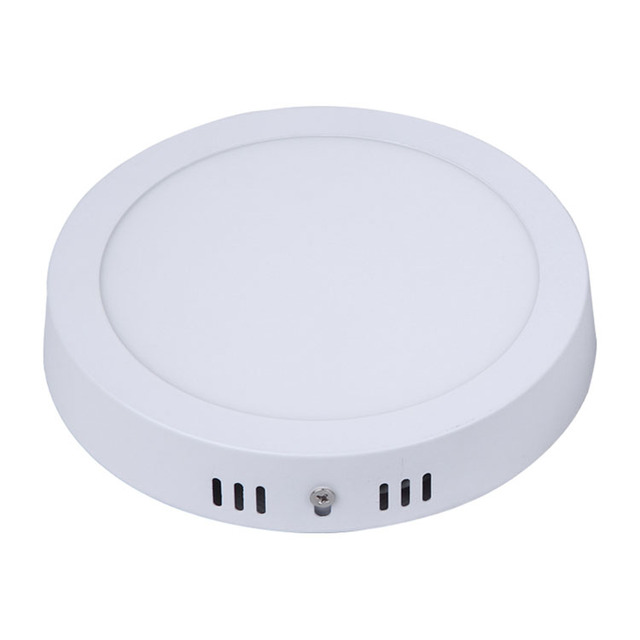
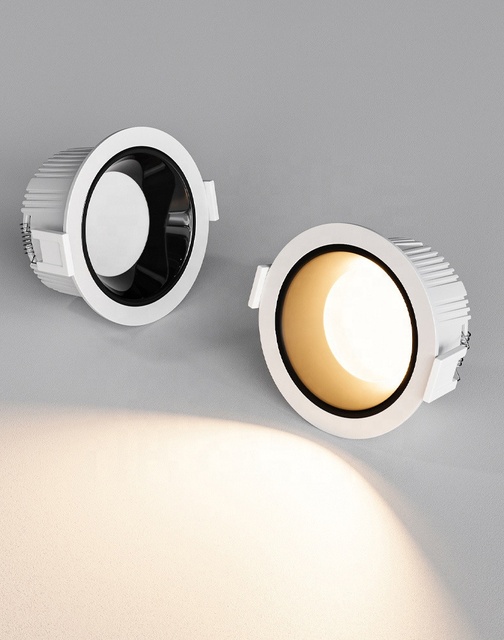
Xiamen Tj Lighting Technology Co., Ltd.
Supports shipping to FBA warehouses
100% quality control across all production lines
Provides e-commerce design services

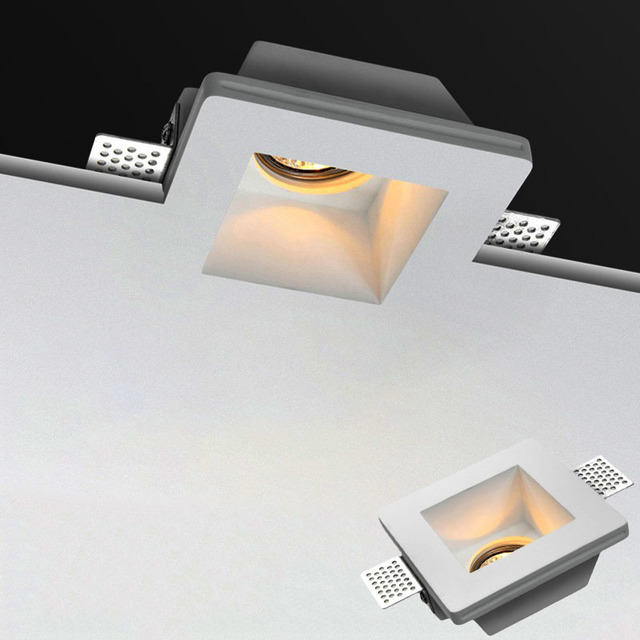
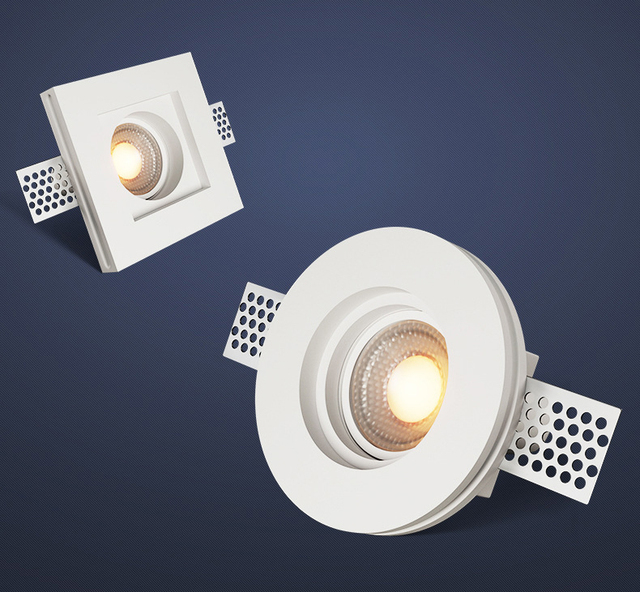
Dongguan Yongguang Gypsum Co., Ltd.
100% quality control across all production lines
Inspection of all products

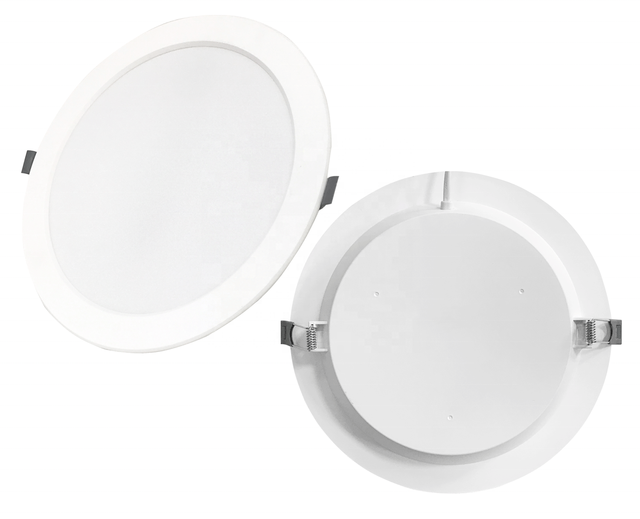
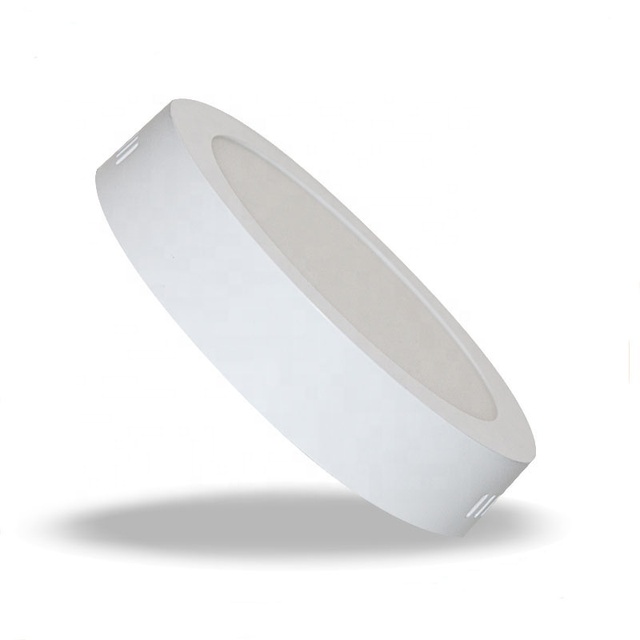
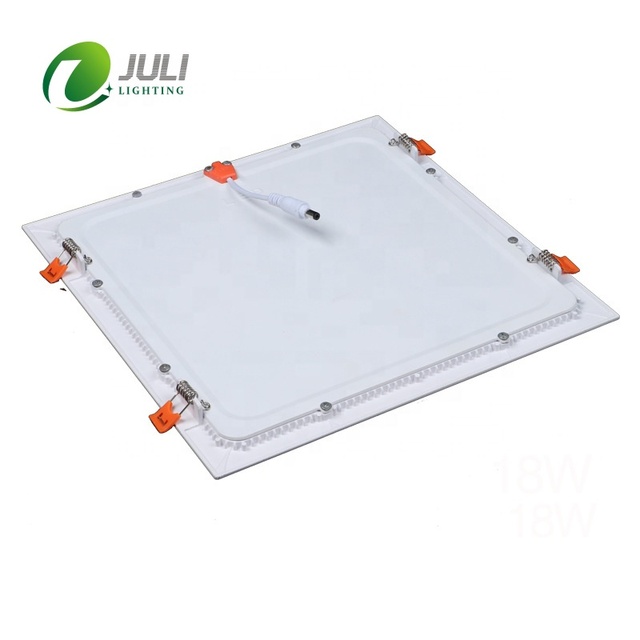
Jiaxing Juli Optoelectronics Technology Co,.Ltd
100% quality control across all production lines
Inspection of all products
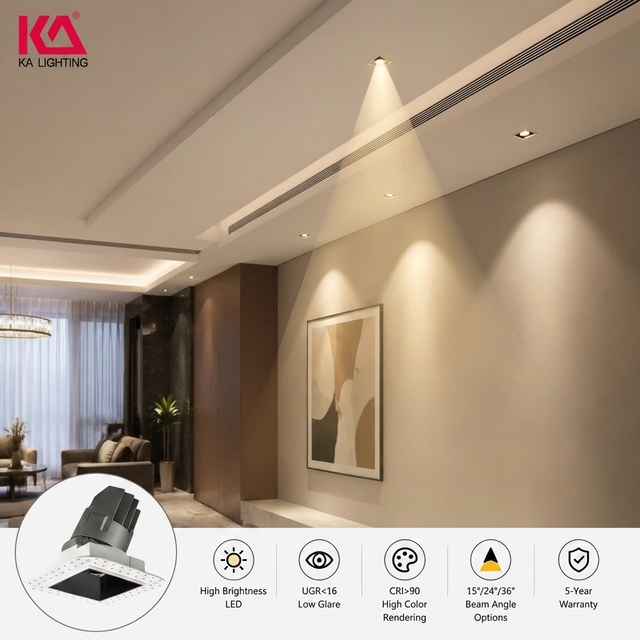
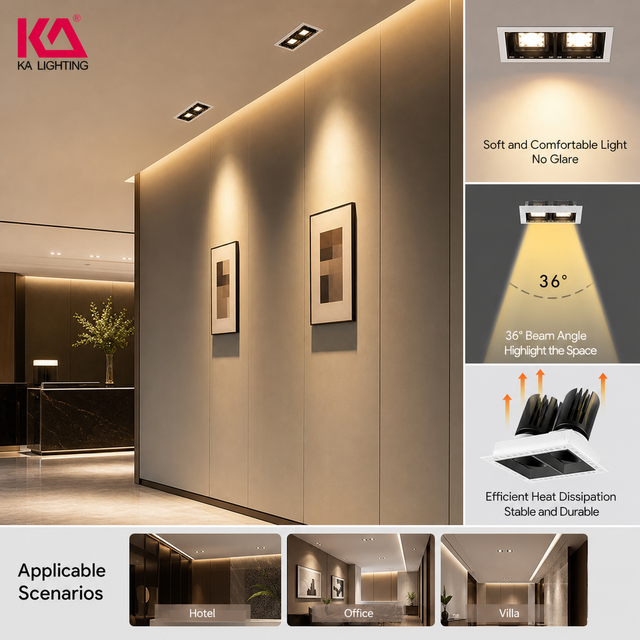
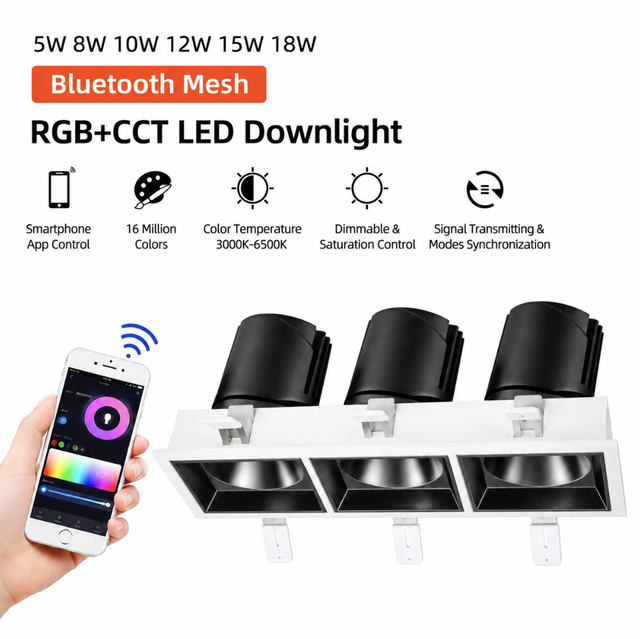
Shenzhen KA Lighting Technology Co., Ltd.
Top 10% for inquiries in Downlights
Provides e-commerce design services
Main category includes Downlights

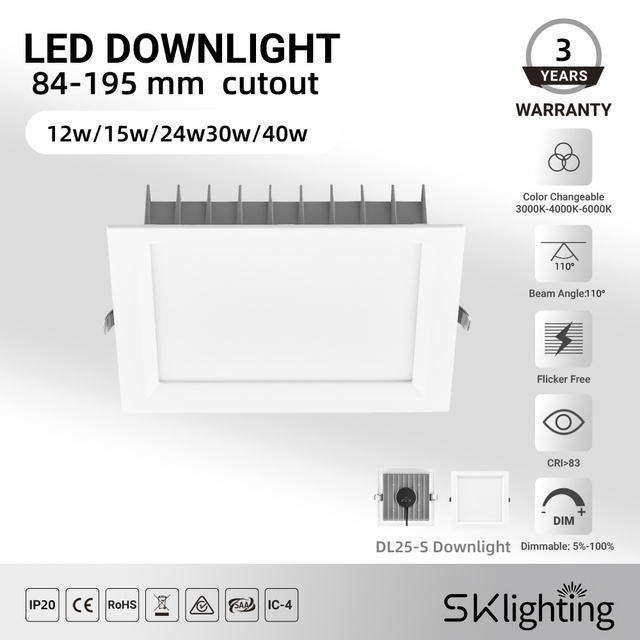
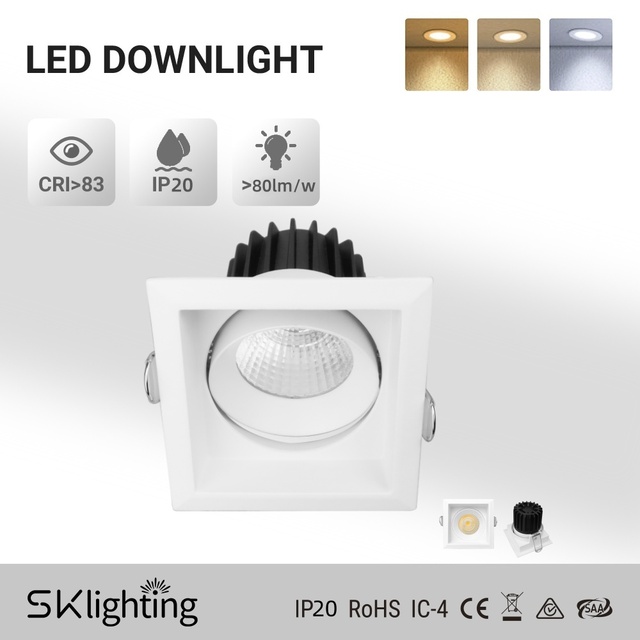
Xiamen SK Lighting Co., Ltd.
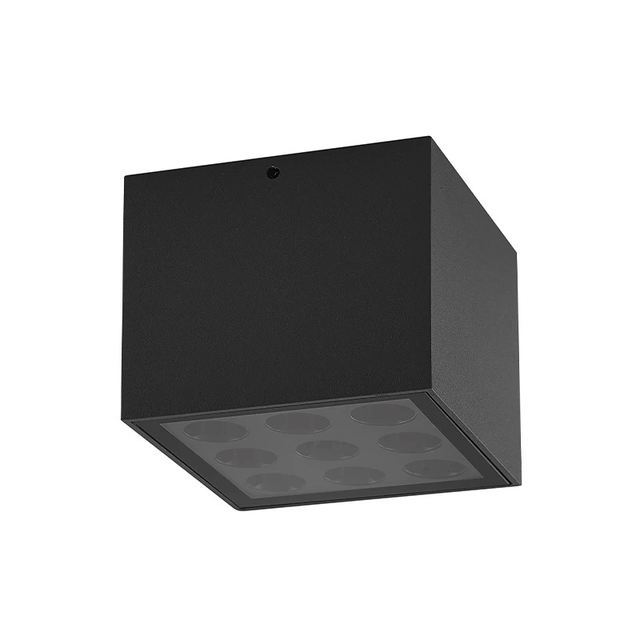
Top 10% for inquiries in Downlights - United States of America market
Provides one-stop project solutions
100% quality control across all production lines
Zhongshan Leidu Lighting Electric Appliance Factory
Top 10% for buyers in Downlights
Operates 6 self-owned production lines with certified equipments
Supports shipping to FBA warehouses
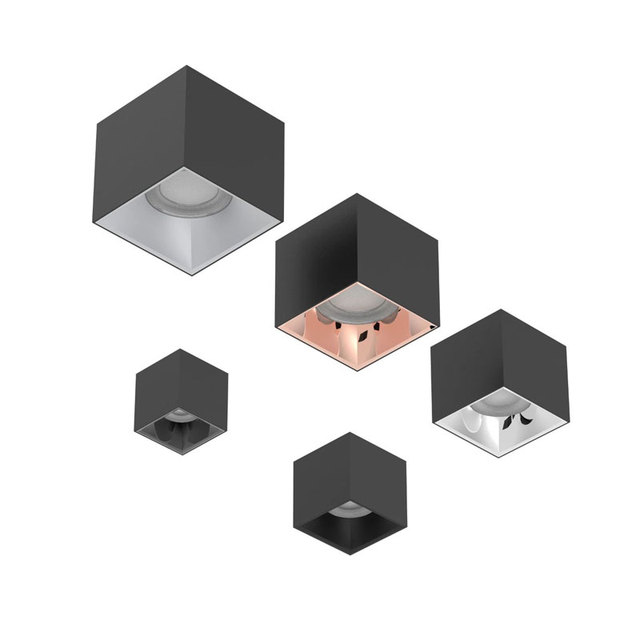
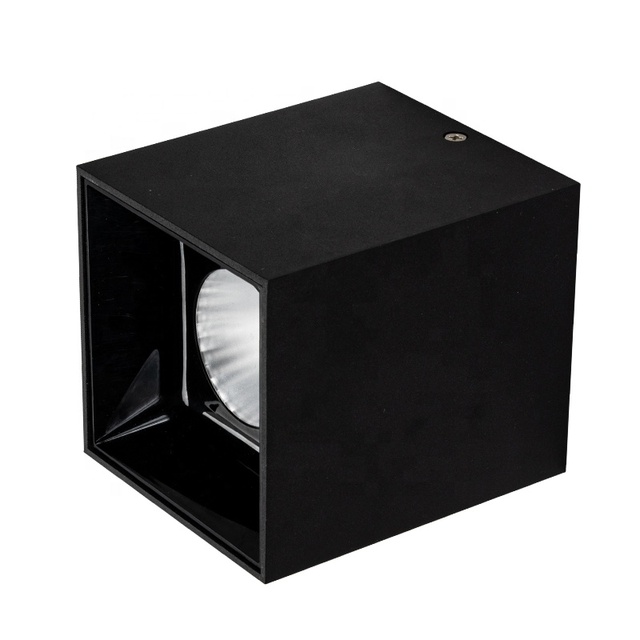

Shenzhen Gosun Led Ltd.
Top 10% for inquiries in Downlights
100% quality control across all production lines
Provides e-commerce design services


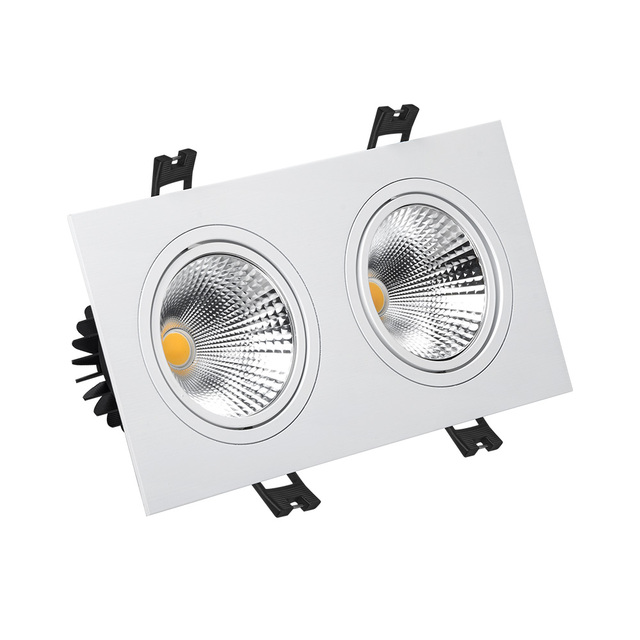

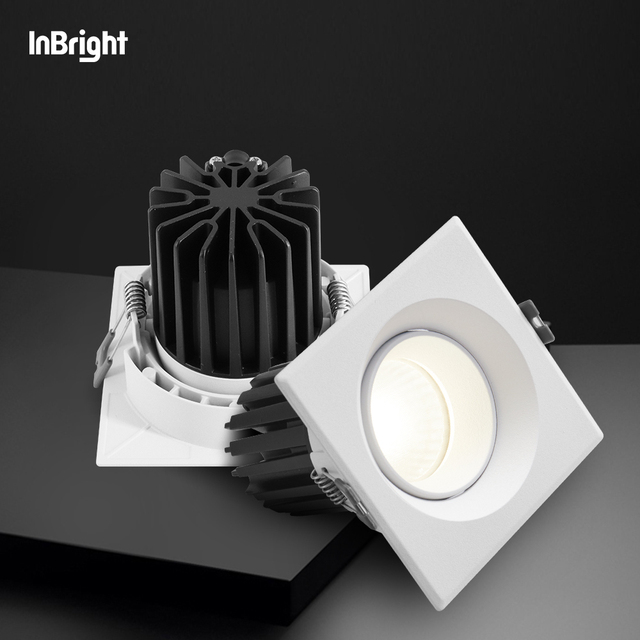
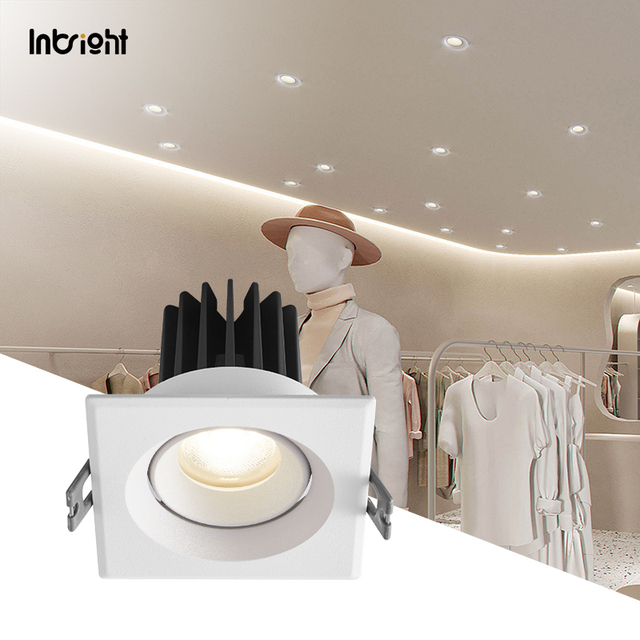
Jiangmen Inbright Lighting Co., Ltd.
Top 10% for inquiries in Downlights
Main category includes LED Down Light
Comply with ISO standards
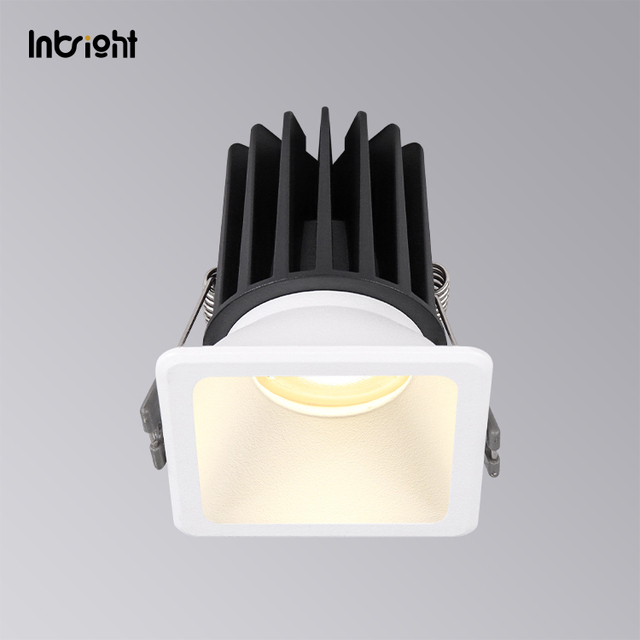

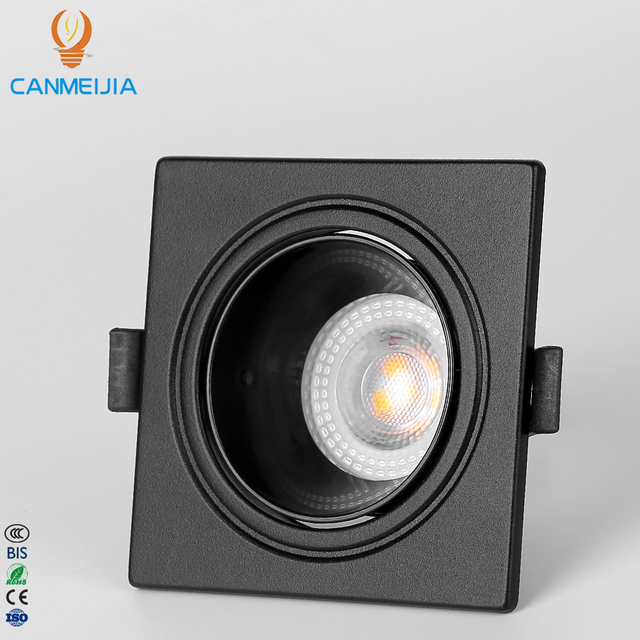
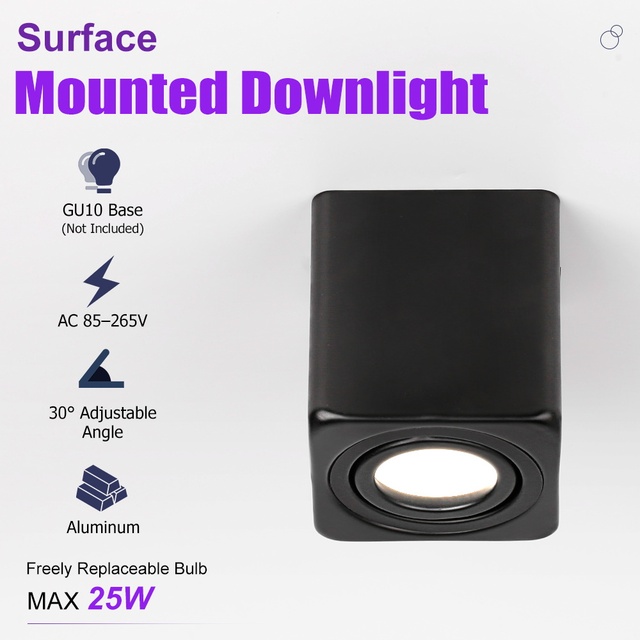
Guangzhou Canmei Lighting Co., Ltd.
Top 10% for inquiries in Downlights - United States of America market
Overseas warehousing available
100% quality control across all production lines


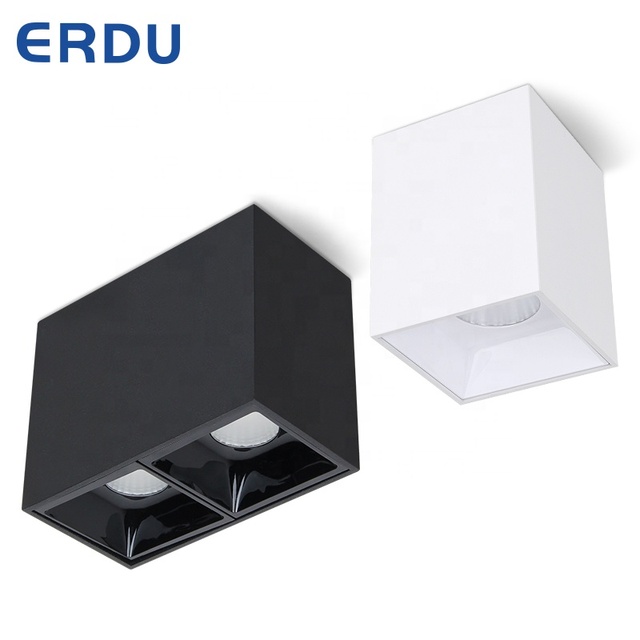
Zhongshan Erdu Lighting Technology Co., Ltd.
Top 10% for orders in Downlights
Provides one-stop project solutions
Provides e-commerce design services
Huihua Intelligent Technology (guangdong) Co., Ltd.
Top 10% for inquiries in Downlights
Meets ETL standards in United States of America
Inspection of all products
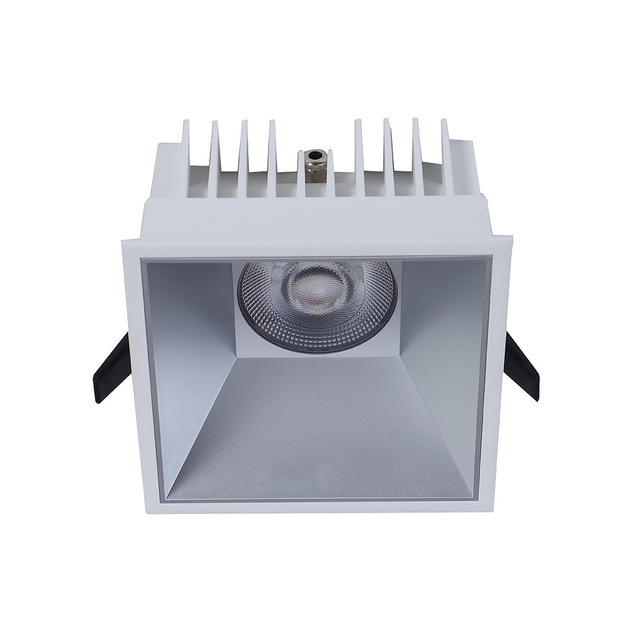
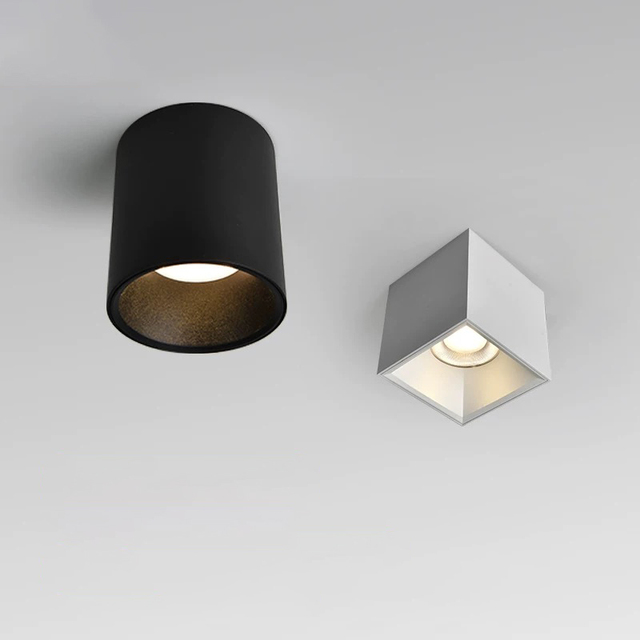
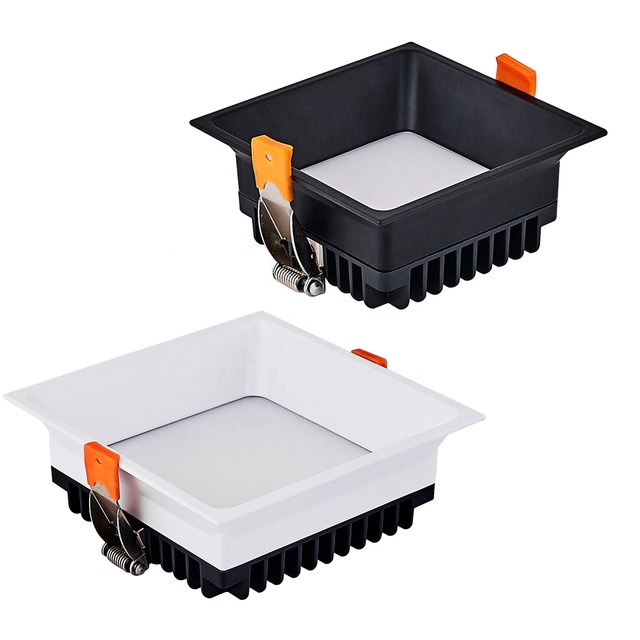
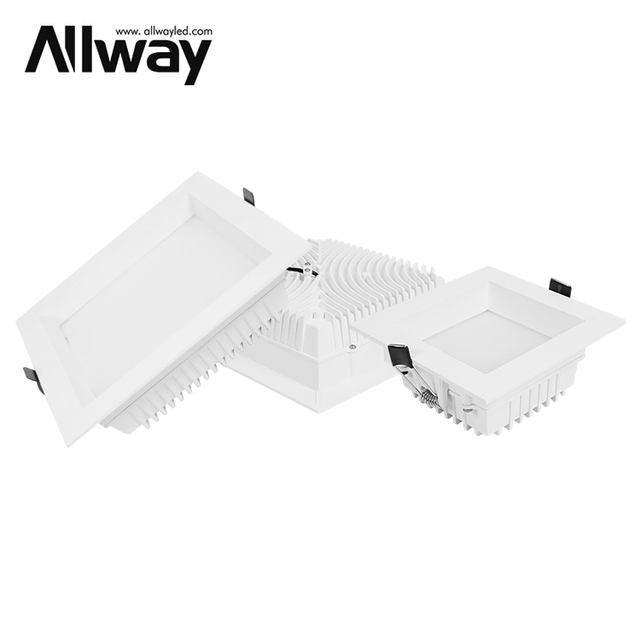
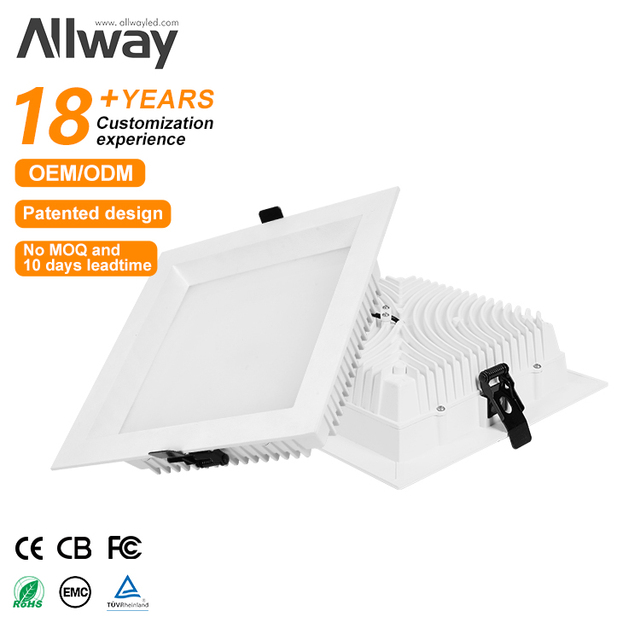
Guangdong Allway Lighting Electric Co., Ltd.
Top 10% for orders in Downlights
Operates 10 self-owned production lines with certified equipments
16 years of experience in exporting


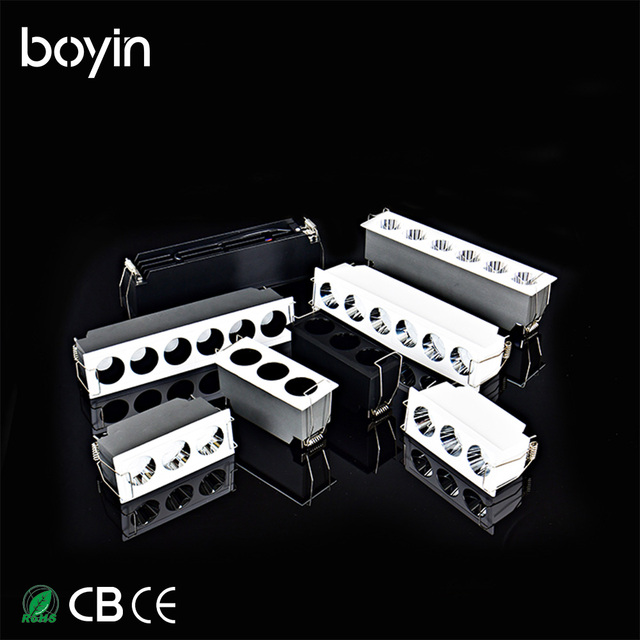
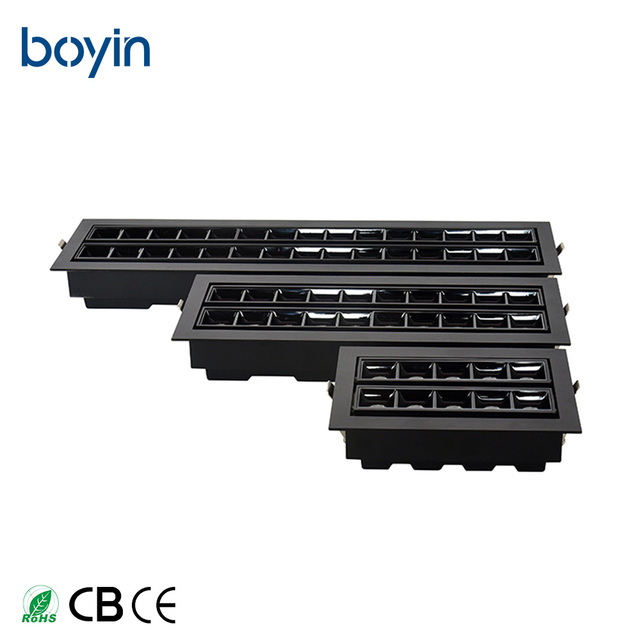
Zhongshan Boyin Lighting Co., Ltd.
Top 10% for inquiries in Downlights - United States of America market
100% quality control across all production lines
Provides e-commerce design services
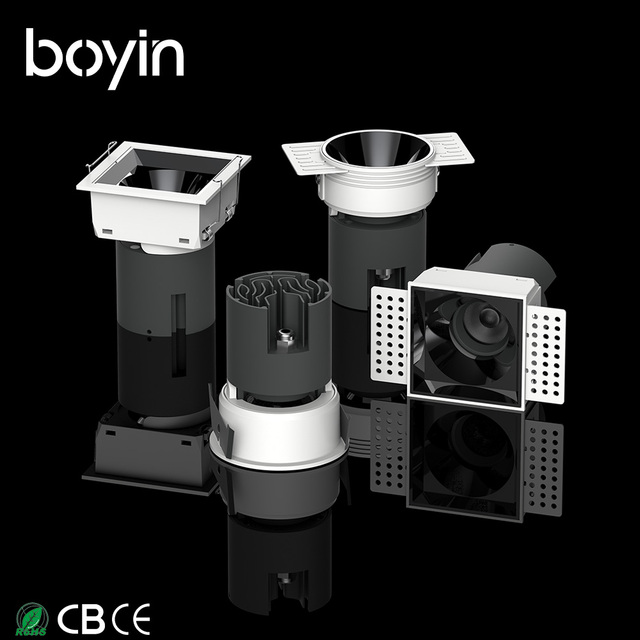
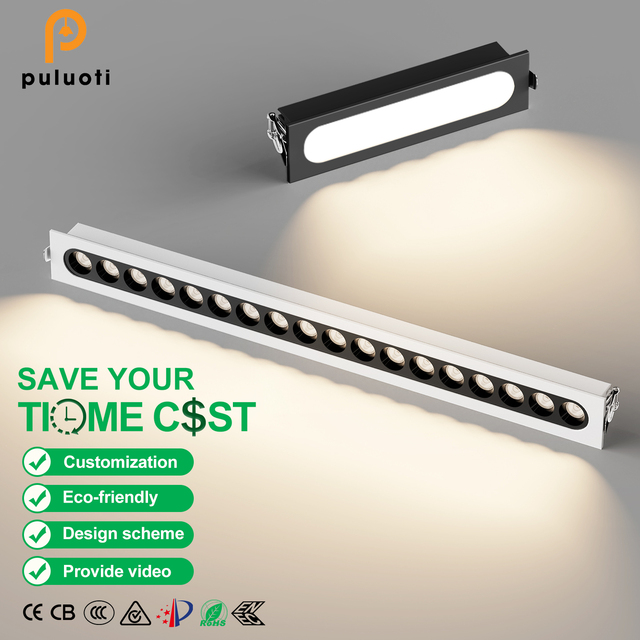
Zhongshan Zanqi Lighting Co., Ltd.
Top 10% for orders in Downlights
100% quality control across all production lines
Provides e-commerce design services

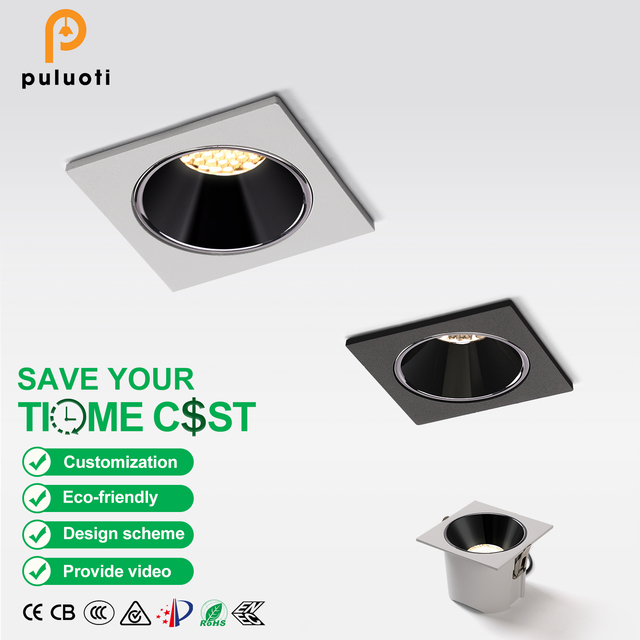

Shenzhen Jing Xin Long Optoelectronics Technology Co., Ltd.
Top 10% for inquiries in Downlights - United States of America market
100% quality control across all production lines
Main category includes LED Downlight
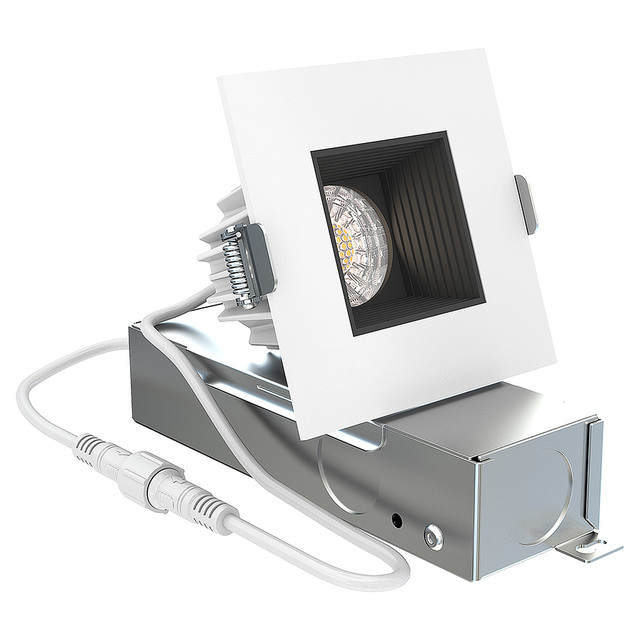

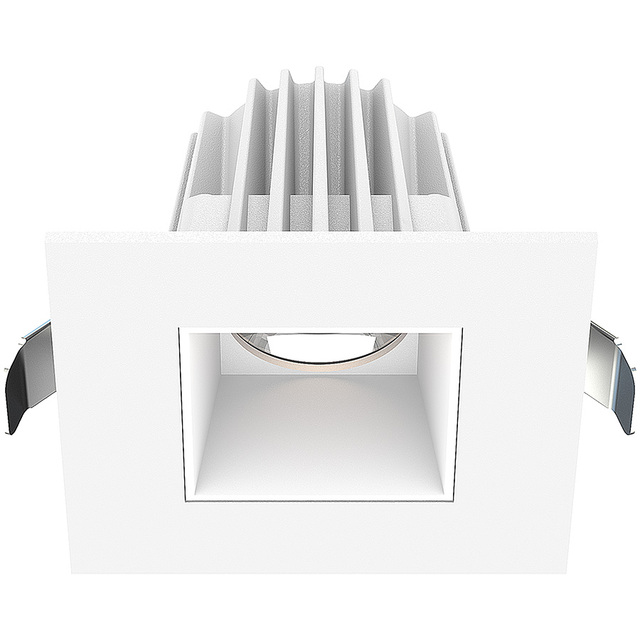

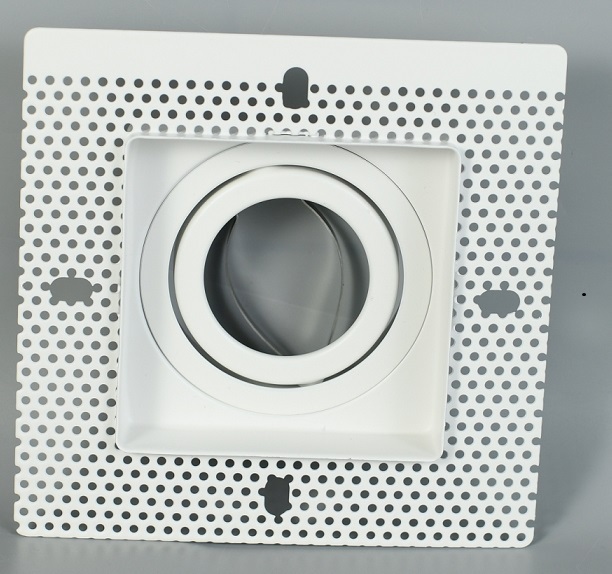
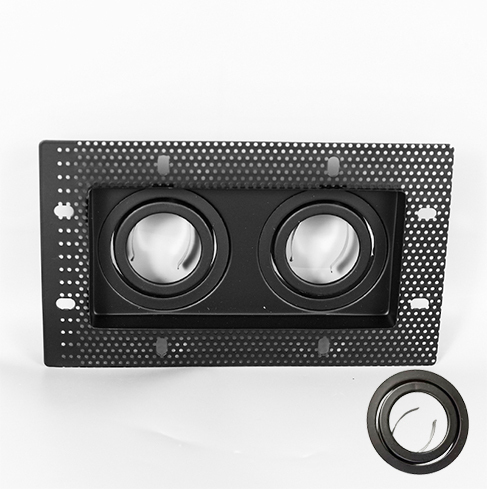
Ningbo Hanlux Lighting Co.,ltd
Top 10% for inquiries in Downlights - United States of America market
Provides one-stop project solutions
100% quality control across all production lines
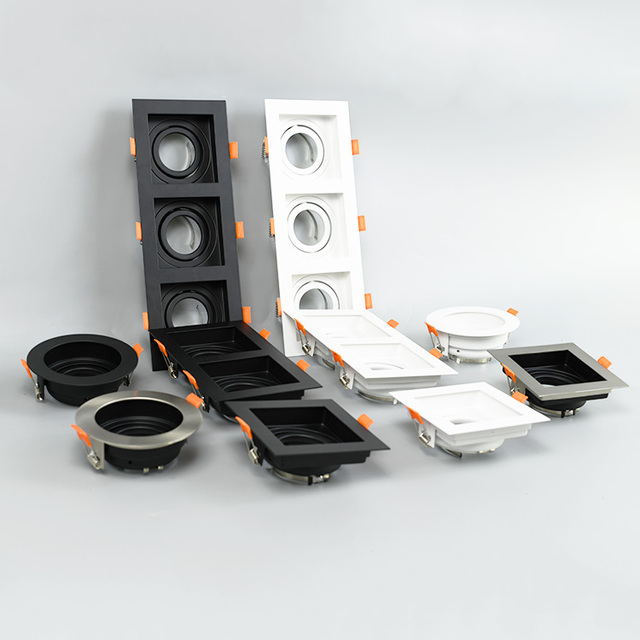
Jiangmen Synno Lighting Co., Ltd.
Top 10% for inquiries in Downlights - United States of America market
100% quality control across all production lines
Provides e-commerce design services
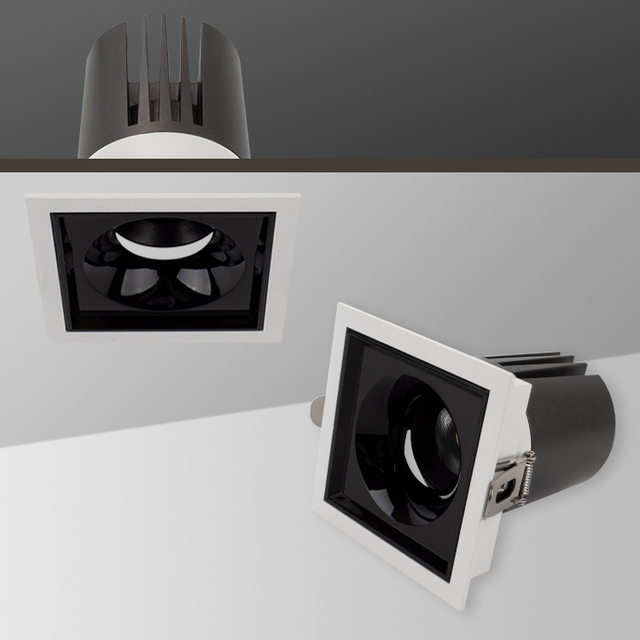
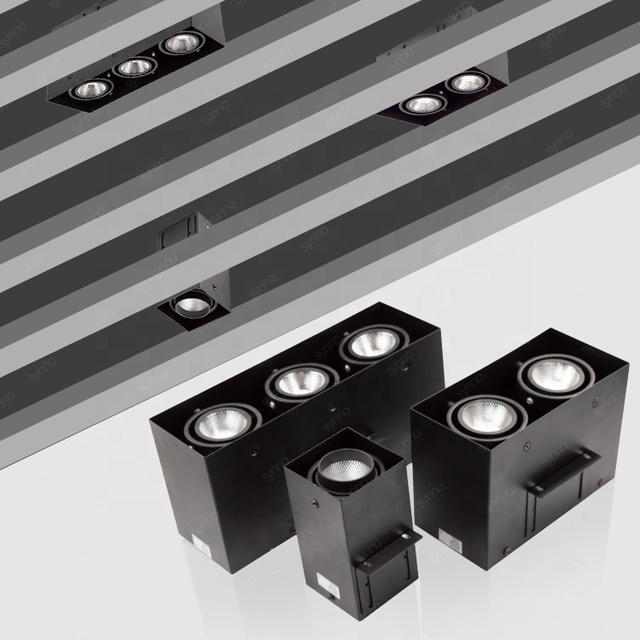
BUCKINGHAM INDUSTRIAL CORPORATION
Top 10% for inquiries in Downlights
Comply with ISO standards
Main category includes Downlight /Recessed light
Related Searches
Explore more sourcing topics & related categories
Sources & References
28 sources cited · Verified industry data & reports
LED Downlight Market Size, Share, and Industry Trends Forecast ...
markwideresearch.com
The LED Downlight Market valued at $8.4 Billion in 2026 is projected to expand to $15.19 Billion by 2035, advancing at a 6.80% CAGR over the analysis window. Commercial retrofit projects across office and hospitality sectors are accelerating adoption. The EU Ecodesign Directive and escalating minimum efficacy requirements are forcing lumen-per-watt upgrades across product portfolios. The LED downlight market constitutes a high-growth disruption as EU Ecodesign Directive efficacy mandates and silicon-carbide substrate advances simultaneously obsolete legacy fluorescent housing stocks and sapphire-based LED architectures. An LED downlight is a ceiling-embedded luminaire employing a light-emitting diode array as its primary source, typically housed within a die-cast aluminum heat sink with a correlated color temperature range of 2700K to 5000K and efficacy ratings exceeding 100 lumens per watt. Tunable-white LED engines with discrete warm and cool channel arrays are displacing fixed-CCT downlights in hospitality and healthcare specifications. Hotel operators in Germany and the United States specify circadian-rhythm-aligned installations for guest wellness positioning.
LED Downlight Market Size, Share, Trends, Report 2026-34
www.imarcgroup.com
Moreover, the integration of tunable white light technology, which allows users to customize the lighting ambiance and switch between warm white and cool white lights to create different moods and adapt to specific activities or preferences, is supporting the market growth. IMARC Group provides an analysis of the key trends in each segment of the global LED downlight market report, along with forecasts at the global and country levels from 2026-2034. The global LED downlight market size reached USD 29.3 Billion in 2025. Looking forward, IMARC Group expects the market to reach USD 54.9 Billion by 2034, exhibiting a growth rate (CAGR) of 7.00% during 2026-2034. IMARC’s report offers a comprehensive quantitative analysis of various market segments, historical and current market trends, market forecasts, and dynamics of the LED downlight market from 2020-2034. The research study provides the latest information on the market drivers, challenges, and opportunities in the global LED downlight market. We expect the global LED downlight market to exhibit a CAGR of 7.00% during 2026-2034.
LED Lighting Market Size, Share & Growth Report 2026-2033
www.grandviewresearch.com
The global LED lighting market is expected to grow at a CAGR of 8.0% from 2026 to 2033, reaching USD 197.0 billion by 2033. Which end-use segment dominated the LED lighting market? The commercial segment dominated the LED lighting market with a share of 50.8% in 2025. This is attributable to the rising demand for LED troffers, downlights across office space, and malls among others. Size, Share & Trends Analysis Report By Product (Lamp, Luminaires), By Installation Type (New, Retrofit), By Application (Indoor, Outdoor), By Sales Channel (Online, Offline), By End-use (Commercial, Residential), By Region, And Segment Forecasts ... The global LED lighting market size was valued at USD 106.9 billion in 2025 and is projected to grow from USD 115.2 billion in 2026 to USD 197.0 billion by 2033, at a CAGR of 8.0% from 2026 to 2033. This report forecasts revenue growth at global, regional, and country levels and provides an analysis of the latest industry trends in each of the sub-segments from 2021 to 2033. For this study, Grand View Research has segmented the global LED lighting market report based on product, installation type, application, sales channel, end-use, and region. Product Outlook (Revenue, USD Billion, 2021 - 2033) ... The global LED lighting market size was valued at USD 106.9 billion in 2025 and is estimated at USD 115.2 billion for 2026. The LED lighting industry in the U.S. is anticipated to witness a significant CAGR from 2026 to 2033. Consumer preferences in the residential market are also shifting toward smart and connected lighting, which is another driver for the LED market in the U.S. Smart home systems compatible with platforms such as Amazon Alexa, Google Assistant, and Apple HomeKit often use LED lighting for automation, remote control, and energy tracking.
Downlights Market Size, Share, Growth & Trends | Analysis by 2026
www.alliedmarketresearch.com
This report provides an in-depth analysis of the downlights market to identify lucrative investment pockets. It identifies key drivers, opportunities, and restraints that shape the market. Porters Five Forces analysis highlights the potency of buyers & suppliers to offer a competitive advantage to stakeholders to make profitable business decisions, thereby strengthening their networks. Current and future trends are outlined to determine the overall potential and highlight the profitable trends to gain a stronger market foothold. A downlight is a light fixture, installed into a hollow opening in a ceiling and the light sheens from the hole in the ceiling. LED downlights are one of the most prevalent types of fixed lighting setup for both residential and commercial lighting applications. However, cutting & sizing holes in ceiling and high cost restrain for the market growth. Moreover, LED downlight are expected to become more energy efficient, smaller, and lighter in the coming year, which provide lucrative opportunities to the market in the future.
LED Lighting Market Size, Share, and Industry Trends Forecast ...
markwideresearch.com
The LED Lighting Market, assessed at $92.4 Billion in 2026, is projected to expand to $195.77 Billion by 2035, registering a compound annual growth rate of 8.70%. Growth is driven by large-scale street lighting projects and adoption in commercial spaces. Regulatory mandates like the EU Green Deal and US Department of Energy efficiency standards accelerate the phase-out of legacy technologies. LED Panels:Flat, integrated luminaires provide uniform, diffused light, often with integrated drivers. Commercial offices and healthcare facilities demand these for aesthetics and efficiency. LED Tubes:Linear light sources replacing fluorescent tubes in commercial and industrial settings. LED Strips:Flexible, adhesive-backed lighting for accent, cove, or task illumination in retail. LED Floodlights:High-output fixtures for broad, powerful outdoor illumination, security, and sports venues. LED Downlights:Recessed fixtures providing focused, downward light, popular in commercial and residential interiors. The LED lighting market is fundamentally segmented to reflect its diverse applications and technological underpinnings, allowing for a granular analysis of demand drivers and competitive dynamics. Understanding these categories is crucial for identifying specific growth pockets and evolving end-user requirements across the industry. COB:Chip-on-Board technology integrates multiple LED chips directly onto a single substrate, creating a compact, high-lumen-density source. Spotlights and downlights demand focused illumination.
US LED Downlight Market Size, Share, and Industry Trends Forecast ...
markwideresearch.com
The US LED Downlight Market valued at $1.85 Billion in 2026 is projected to expand to $3.82 Billion by 2035, advancing at a 8.40% CAGR over the analysis window. Residential retrofit activity in Texas and Florida is accelerating replacement cycles. DOE lighting efficiency standards are tightening minimum efficacy requirements for new installations. DOE lighting efficiency standards are compressing replacement cycles while tightening minimum efficacy thresholds, forcing manufacturers to redesign thermal management systems and driver architectures ahead of legacy inventory obsolescence. Residential Retrofit Momentum:Texas and Florida replacement activity is accelerating fixture turnover as homeowners prioritize energy cost reduction ahead of summer cooling peaks. California Title 24 Mandates:The state's stretch code requirements for networked control readiness in new construction are pulling specification-grade demand toward smart-ready downlight platforms. A US LED downlight is a ceiling-recessed or surface-mounted luminaire employing solid-state LED emitters, typically operating at color temperatures between 2700K and 5000K with efficacy ratings exceeding 90 lumens per watt, designed for general or accent illumination in interior spaces. Recessed downlights dominate residential and commercial volume due to architectural integration and compatibility with insulated ceiling assemblies. Smart lighting technology captures expanding specification interest as building codes mandate networked controls for energy compliance.