Mobile Camera Lens Distributor

Overview
Supplier sourcing insights & recommendations
The mobile camera lens market is undergoing a significant transformation in 2026, driven by a surge in demand for professional-grade photography on smartphones. Key trends include the widespread adoption of periscope lenses for superior optical zoom and the integration of AI-enhanced optical calibration BusinessresearchinsightsResearchandmarkets. The market is projected to reach approximately $5.91 billion to $6.66 billion by 2026, with the Asia-Pacific region remaining the dominant manufacturing and consumer hub MarketreportsworldMarketgrowthreports.
Technologically, the industry is shifting toward hybrid glass-plastic lenses to balance light transmission performance with cost-efficiency, and computational photography is increasingly resolving details directly at the sensor plane MordorintelligenceResearchandmarkets. Consumers, largely driven by social media content creation, now prioritize high-resolution (16MP+) and multi-lens setups (ultra-wide, telephoto, macro) as standard features even in mid-range devices MarkwideresearchMarketgrowthreports.
I have identified several key suppliers and distributors, ranging from specialized optical component manufacturers like Giai Photonics to high-capacity distributors in Guangdong and Henan. The attached files provide detailed supplier profiles, certification data, and product lists to assist in your sourcing strategy.
Please refer to the files below for a comprehensive list of distributors, wholesale suppliers, and manufacturers.
Explore the mobile camera lens market further with these actions:
Mobile Camera Lens Distributors Manufacturers
Verified suppliers · 3 lists

Dongguan Boyixin Optoelectronic Technology Co., Ltd.
Provides e-commerce design services
Operates 10 self-owned production lines with certified equipments
Accepts over 8 secure payment methods
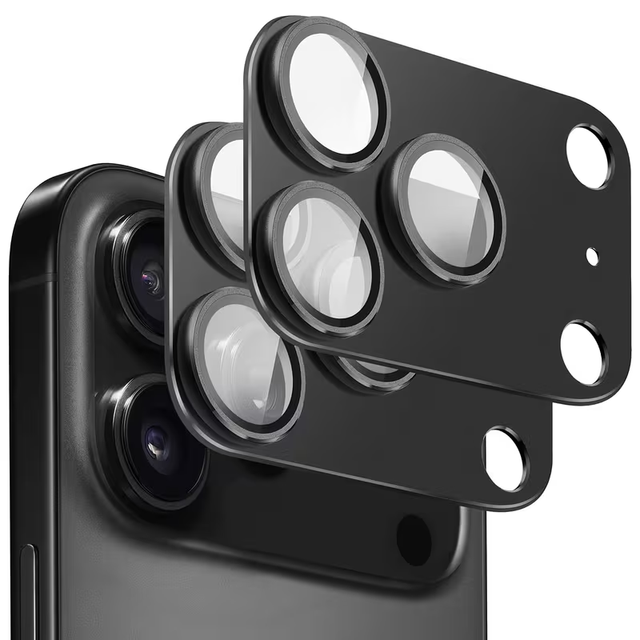
![UniqueMe [3 Pack] for 14 Pro/Pro Max 9H Hardness Tempered Glass Camera Lens Protector Case [Anti Scratch] Mobile Phone](https://s.alicdn.com/@sc04/kf/H9e0281558d1343679476ad80a9a32502p.png_640x640.png)


Giai Photonics Co., Ltd.
Top 10% for orders in Mobile Lenses
Provides e-commerce design services
Operates 6 self-owned production lines with certified equipments
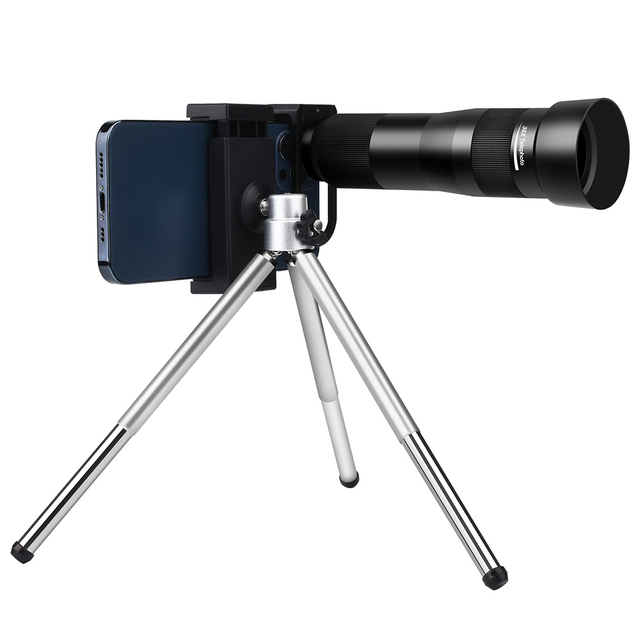
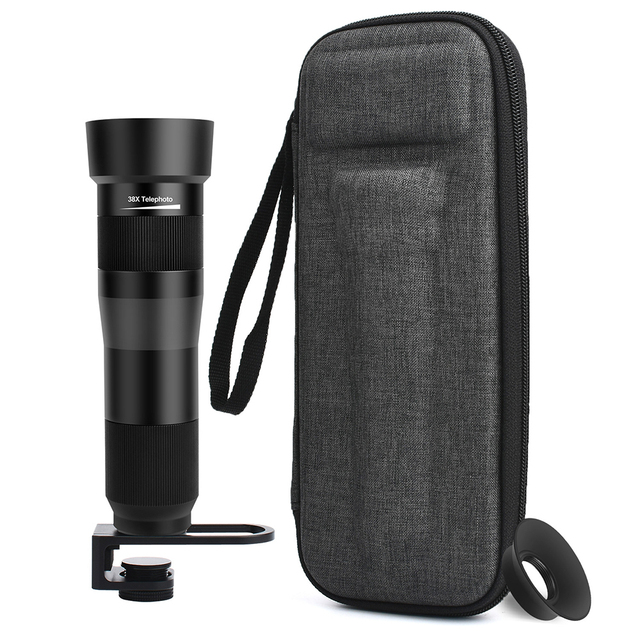
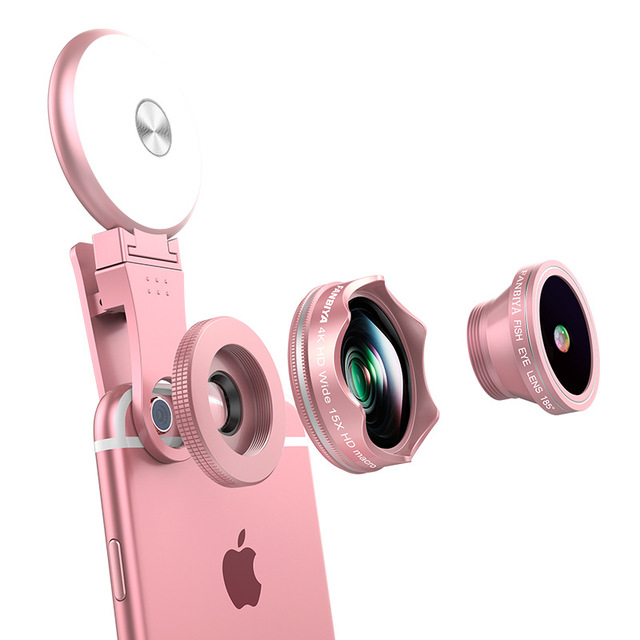

Suncore (guangdong ) Optics Tech Inc
Supports shipping to FBA warehouses
15 years of experience in exporting
100% quality control across all production lines
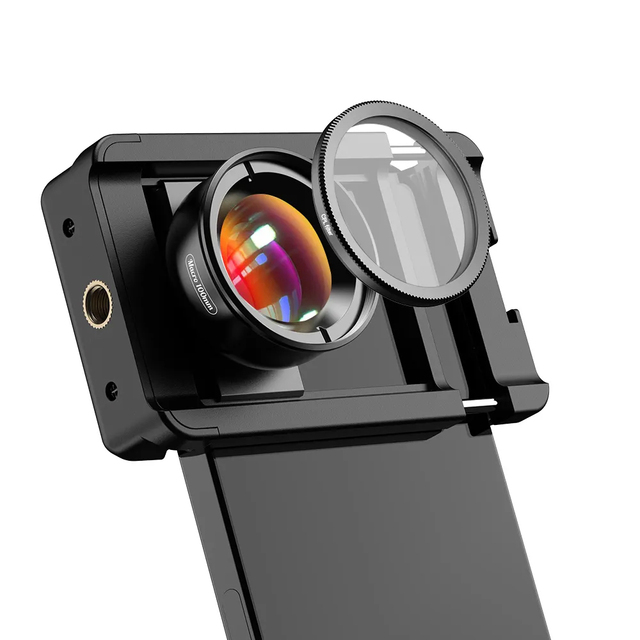
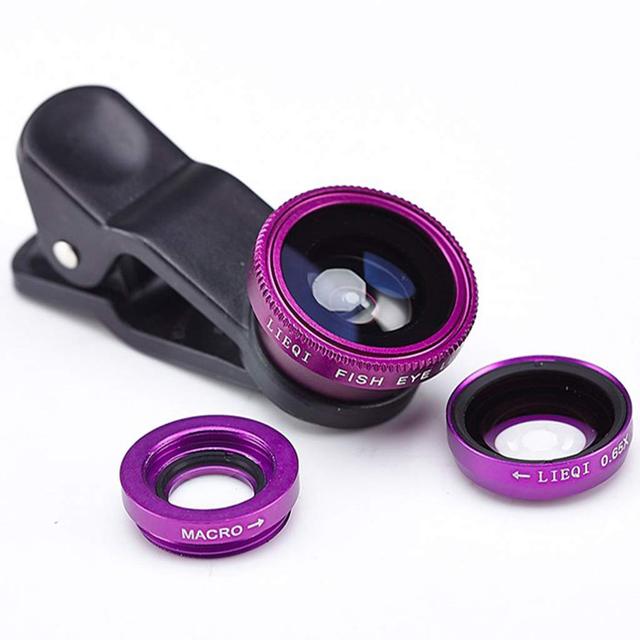

Shenzhen Apexel Technology Co., Ltd.
Top 10% for buyers in Mobile Lenses - United States of America market
Meets FCC standards in United States of America
Has served Fortune 500 clients
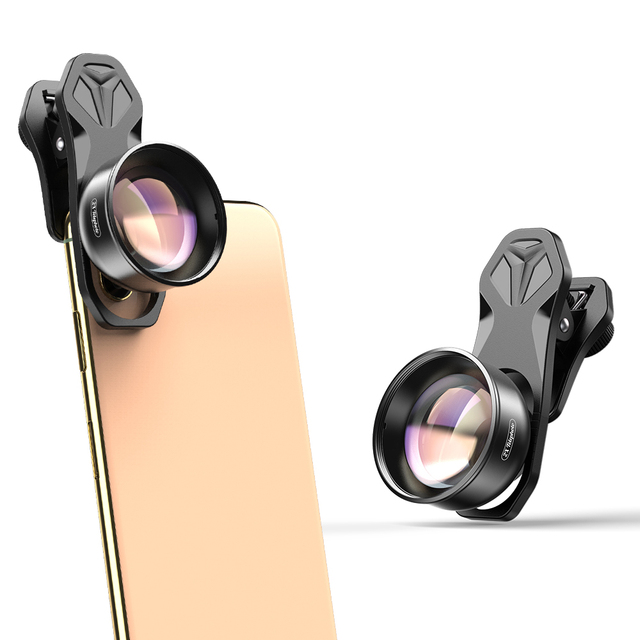
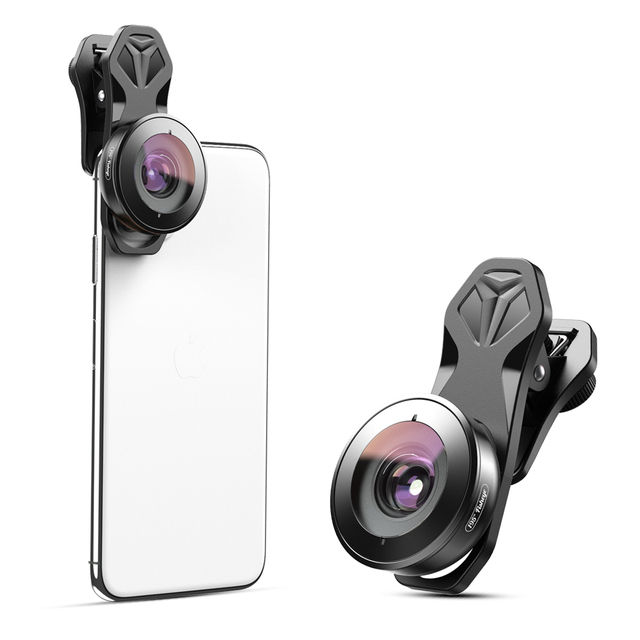
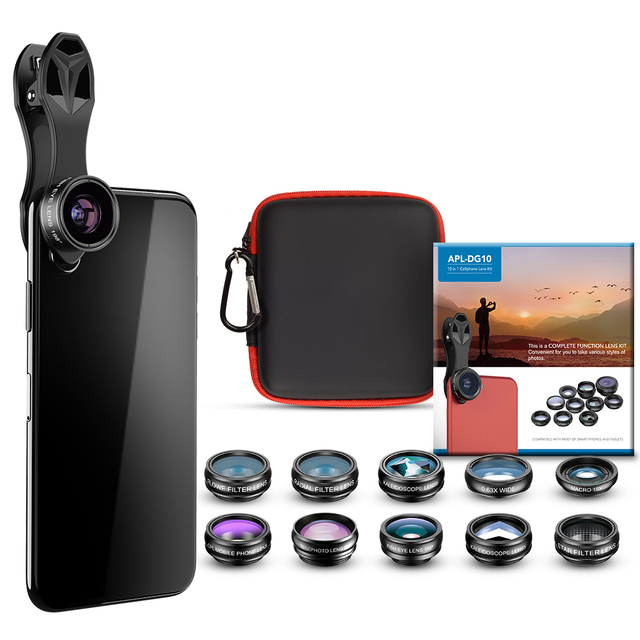

Shenzhen BHD Technology Co., Ltd.
Top 10% for inquiries in Mobile Lenses
Inspection of all products
Supports shipping to FBA warehouses
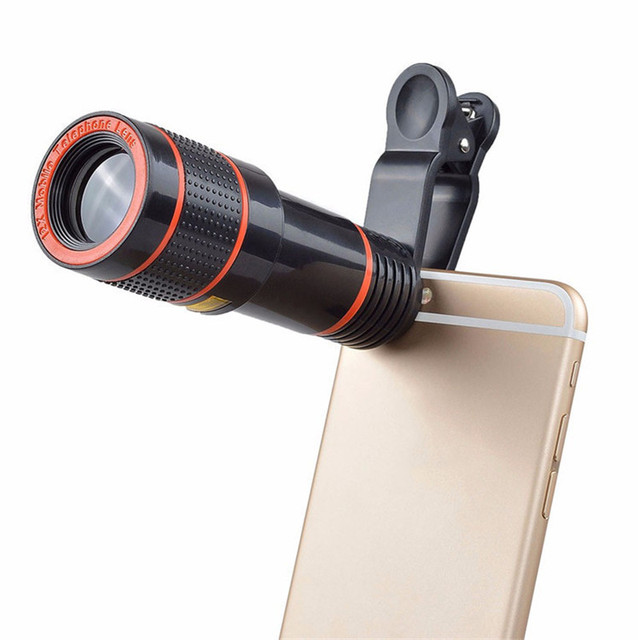
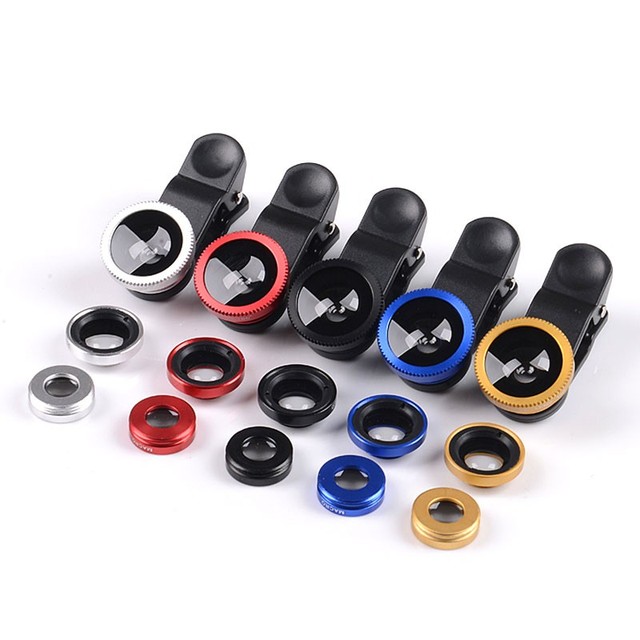
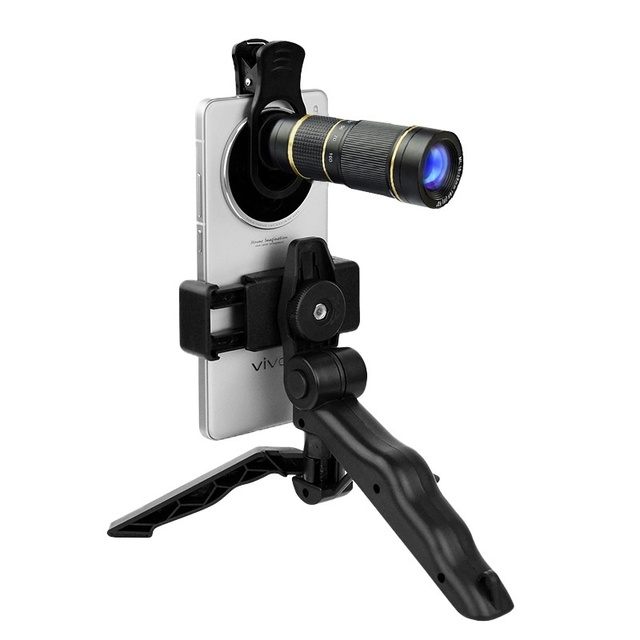

Jaxy Optical Instrument Co., Ltd.
Supports shipping to FBA warehouses
100% quality control across all production lines
Provides e-commerce design services



Shenzhen Lustergift Technology Co., Ltd.
Overseas warehousing available
Supports shipping to FBA warehouses
100% quality control across all production lines


Dongguan new brilliant century technology co. LTD
Operates 10 self-owned production lines with certified equipments
Comply with ISO, SEDEX standards
100% quality control across all production lines
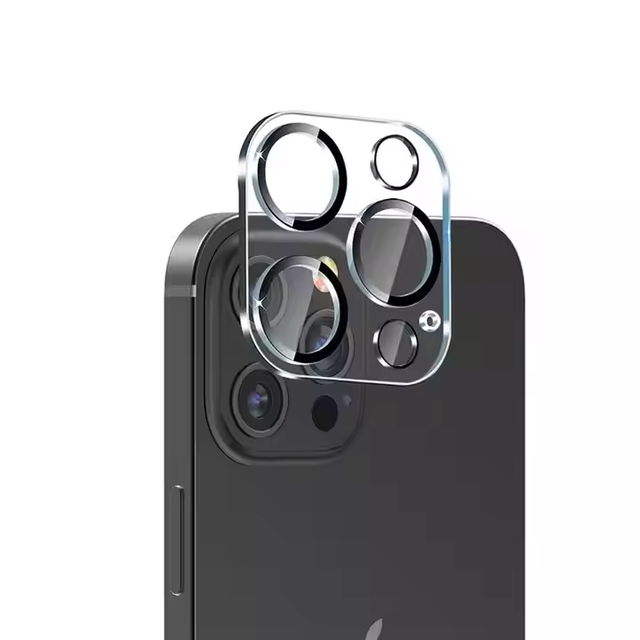
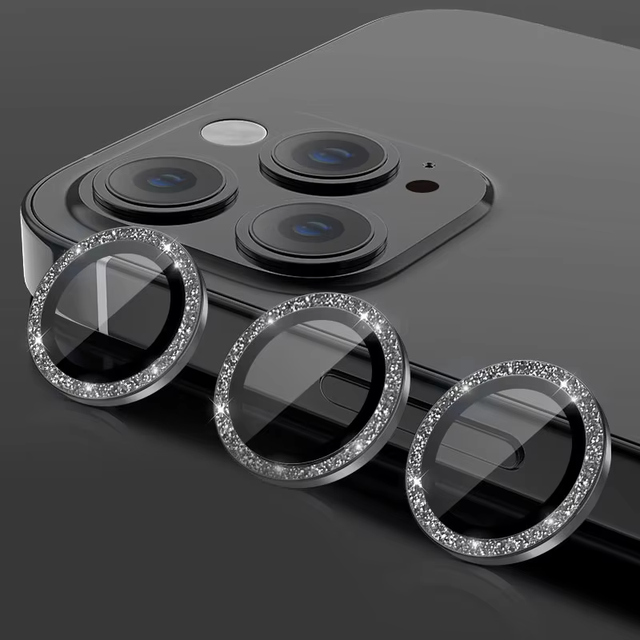
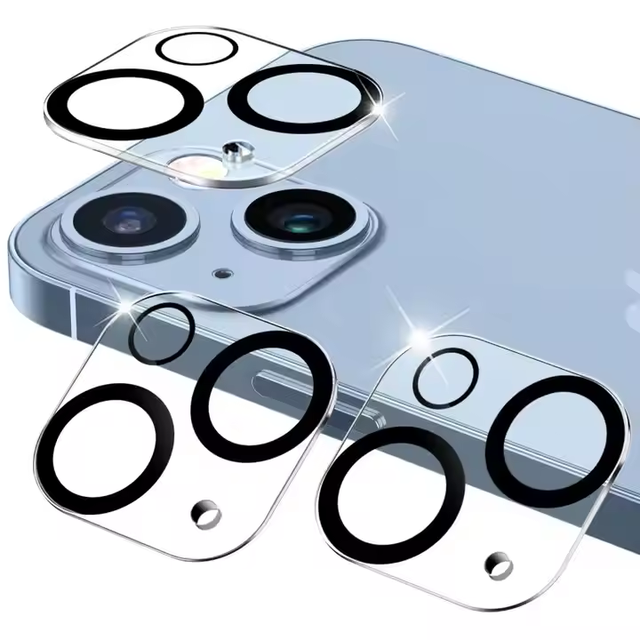

Shenzhen Jing Pin Feng Technology Co., Ltd.
Comply with BSCI standards
Annual export revenue: 1.8 million
Supports shipping to FBA warehouses

Jinhua Top Optical Instrument Co., Ltd.
19 years of experience in exporting
Inspection of all products
19 years of experience in industry

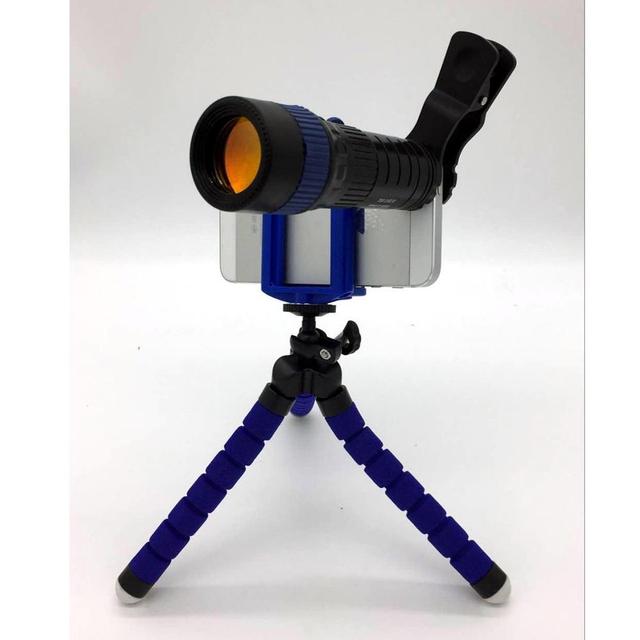

Shenzhen Creatall Electronics Co., Ltd.
100% quality control across all production lines
Provides e-commerce design services
Inspection of all products
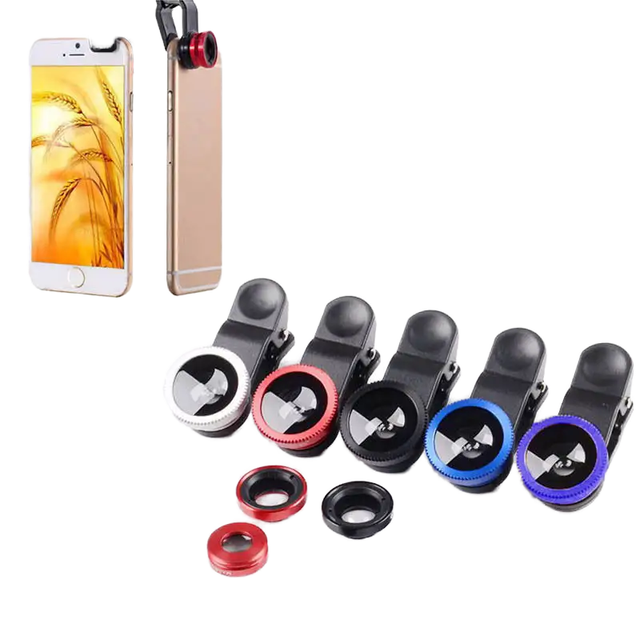


Guangdong Fengshang Electronics Co., Ltd.
Comply with ISO standards
Operates 9 self-owned production lines with certified equipments
Has served Fortune 500 clients
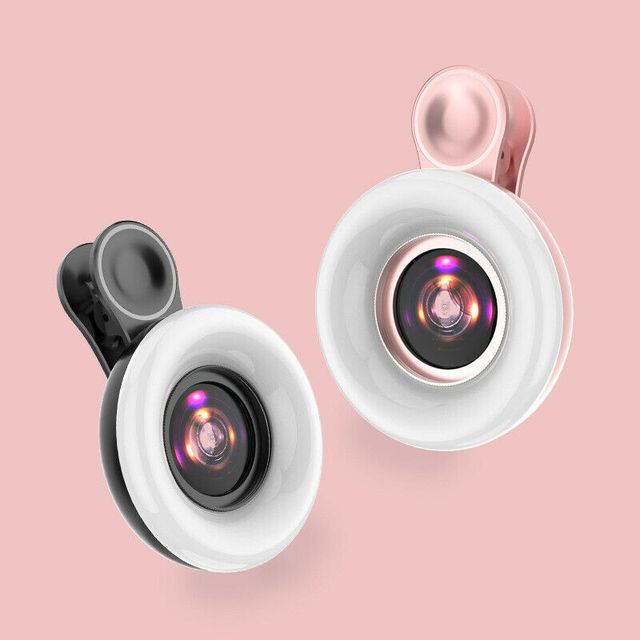
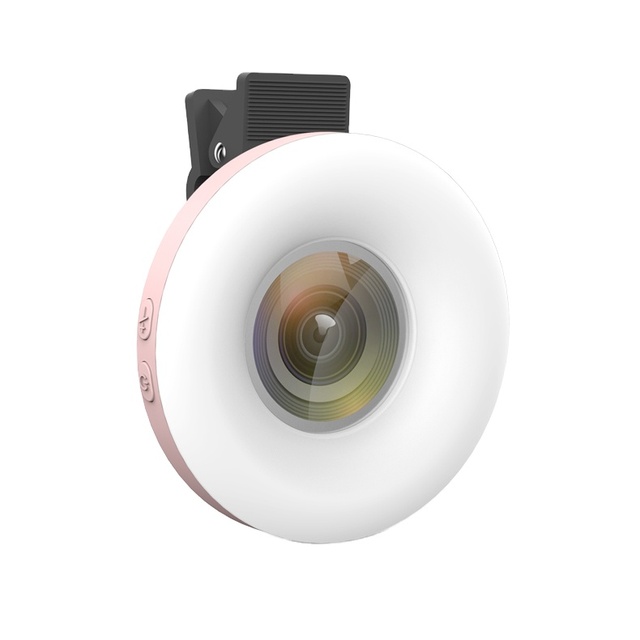


Shenzhen Hongli Electronics Co., Ltd.
100% quality control across all production lines
Provides e-commerce design services
16 years of experience in exporting
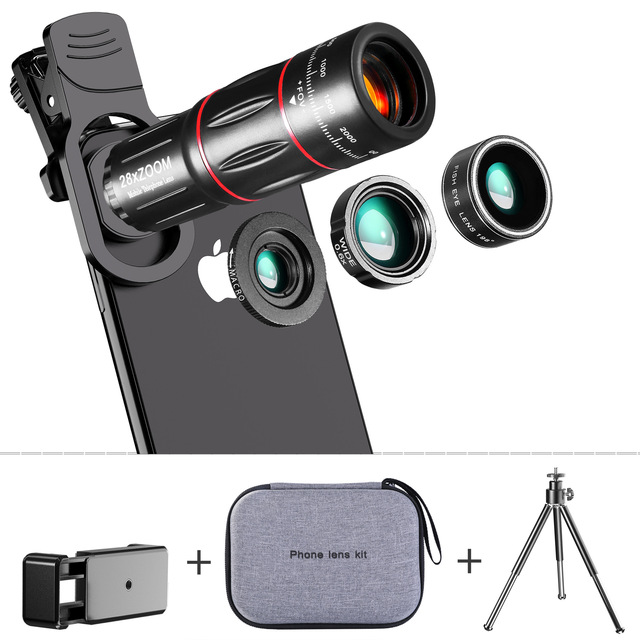


Shenzhen JSD Optoelectronics Co., Ltd.
Provides e-commerce design services
17 years of experience in exporting
100% quality control across all production lines
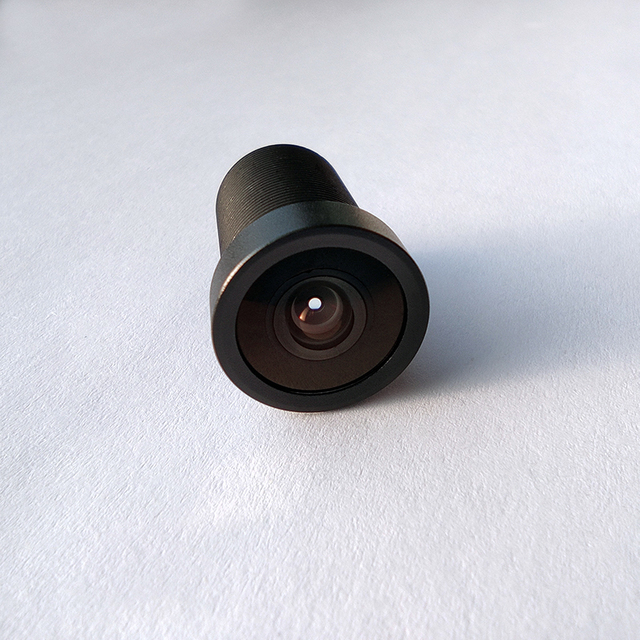
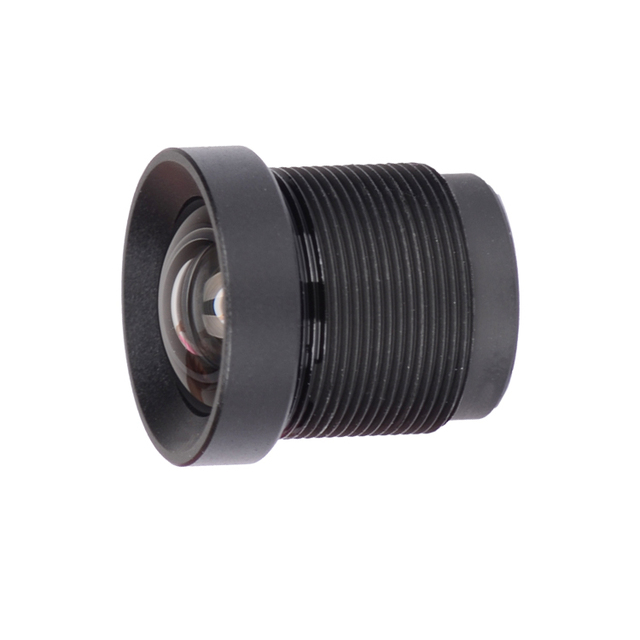
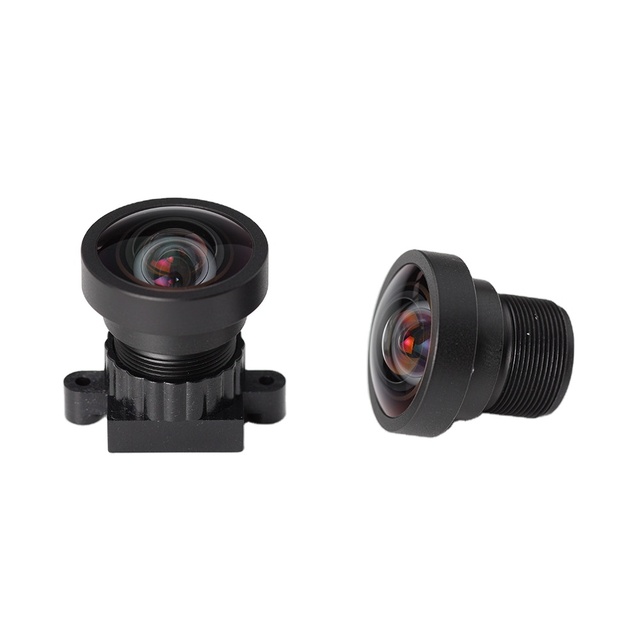

Yiwu Trieagle Optical Electronic Co., Ltd.
Supports shipping to FBA warehouses
100% quality control across all production lines
Provides e-commerce design services
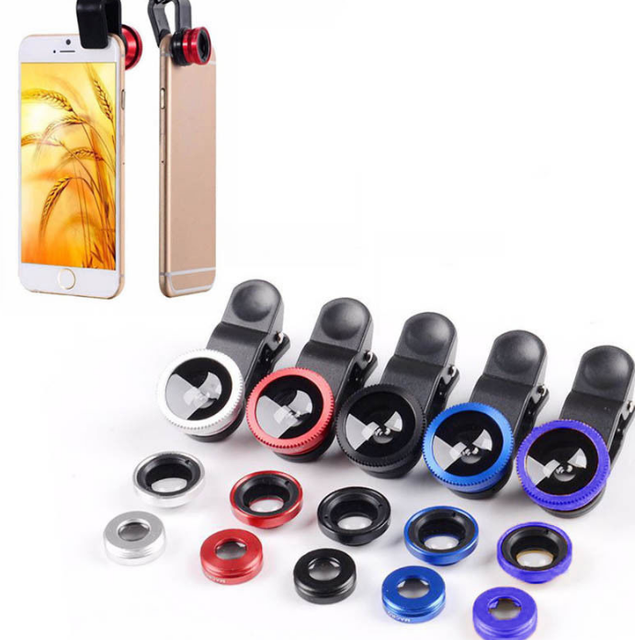

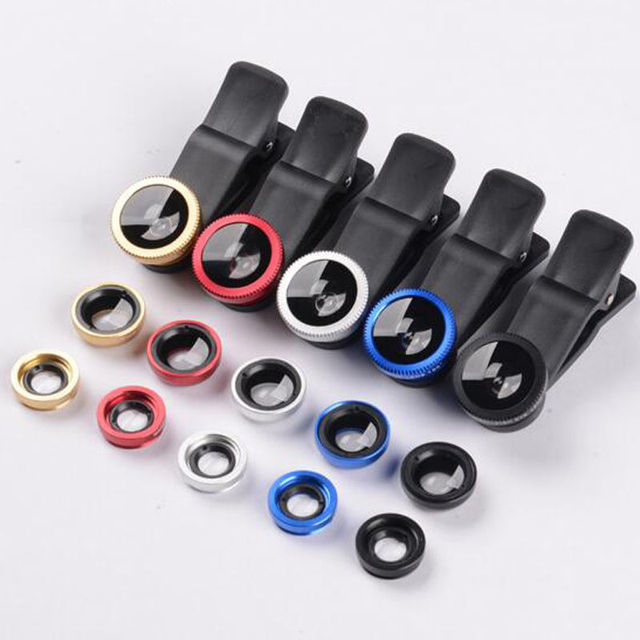

Guangzhou Lkg Electronic Technology Co., Ltd.
100% quality control across all production lines
Provides e-commerce design services
Accepts over 8 secure payment methods
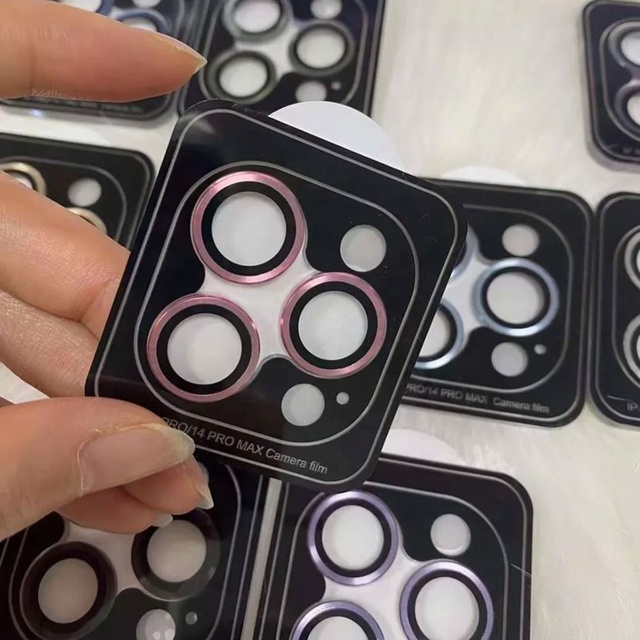
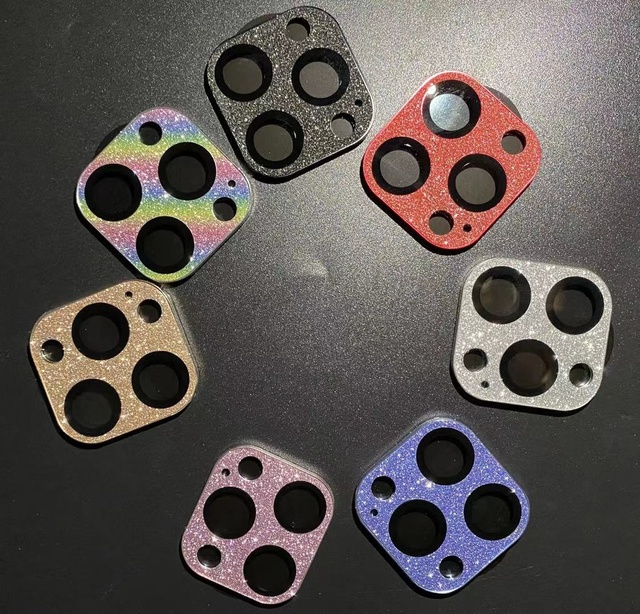


Fujian Aite Precision Machinery Co., Ltd.
Meets FCC standards in United States of America
Inspection of all products
Comply with ISO standards
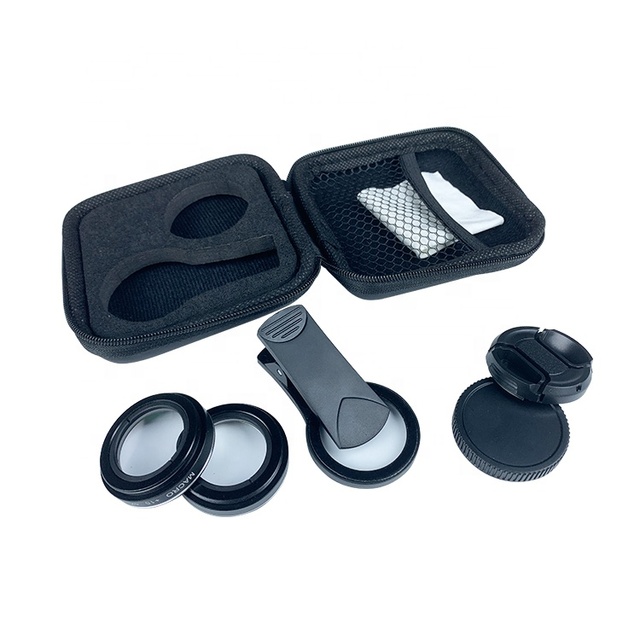
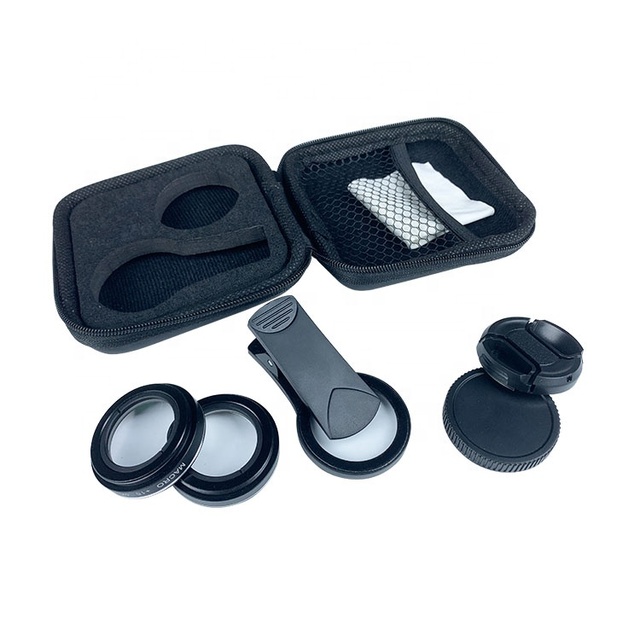

Tengdafei Digital Technology (Dongguan) Co., Ltd.
Top 20% for inquiries in Mobile Lenses
100% quality control across all production lines
Provides e-commerce design services
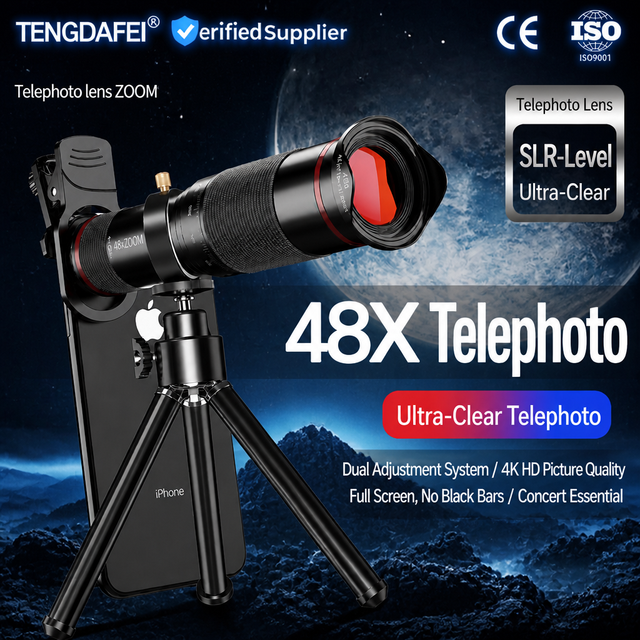
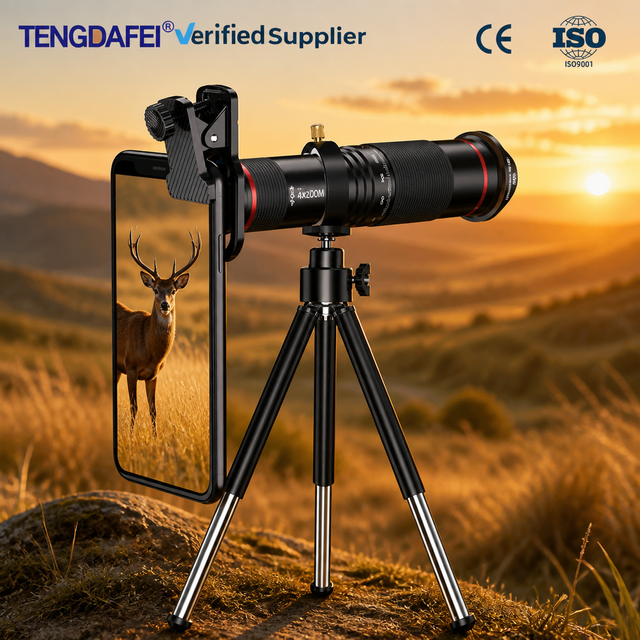
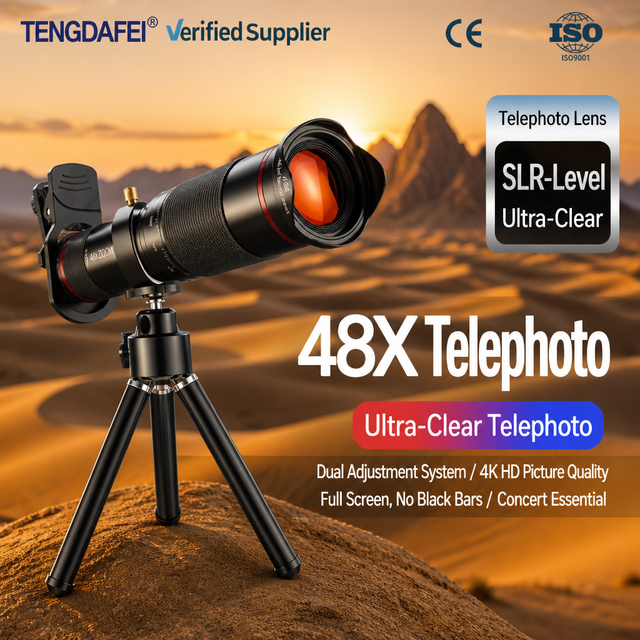

Jinhua Kaiyue Photoelectric Technology Co., Ltd.
100% quality control across all production lines
Provides e-commerce design services
Accepts over 8 secure payment methods

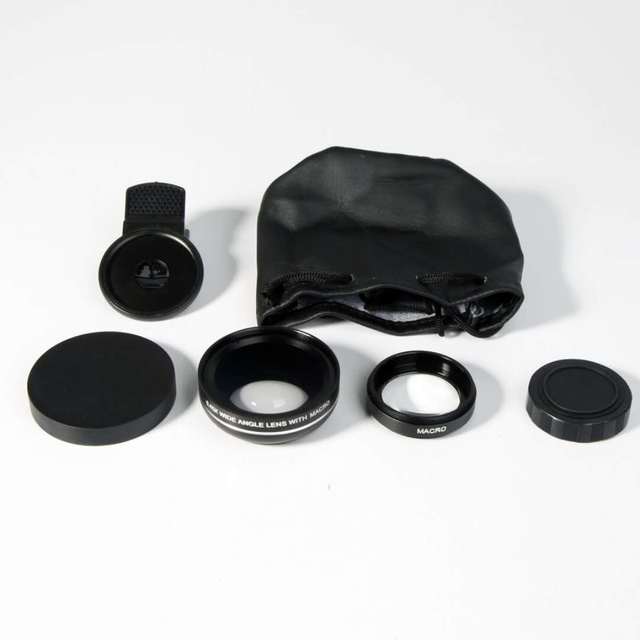
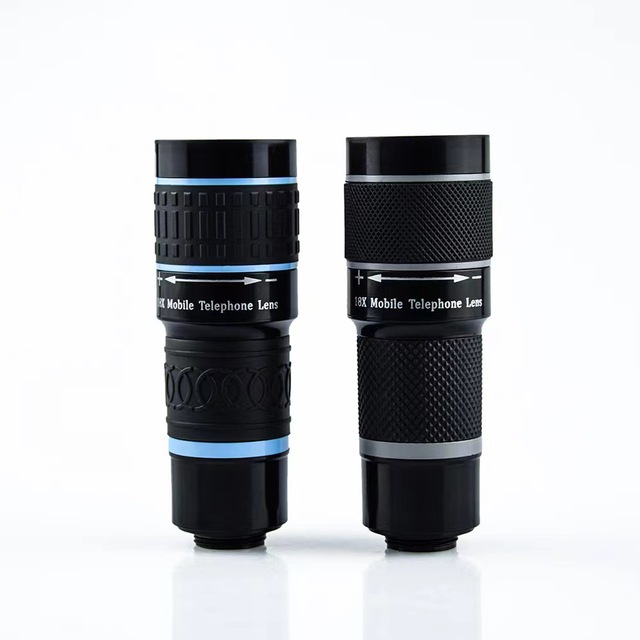

Nanyang Srate Optical Instrument Co., Ltd.
Supports shipping to FBA warehouses
100% quality control across all production lines
Provides e-commerce design services
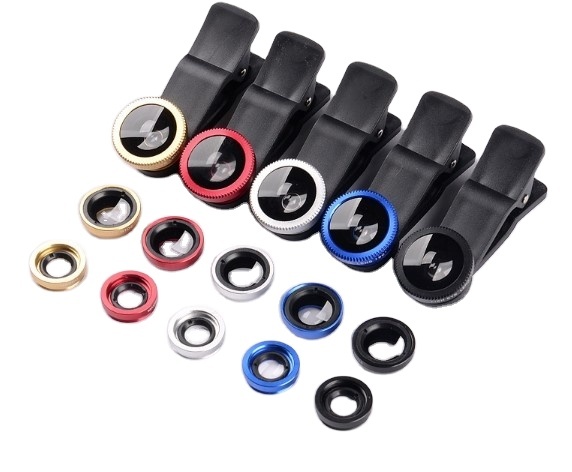
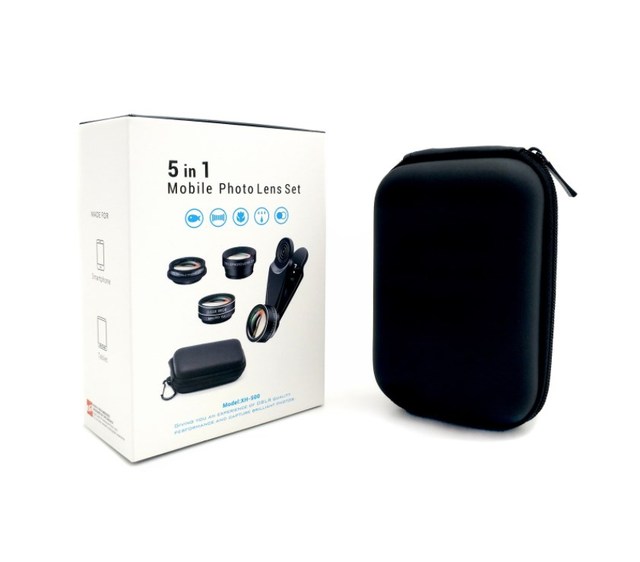
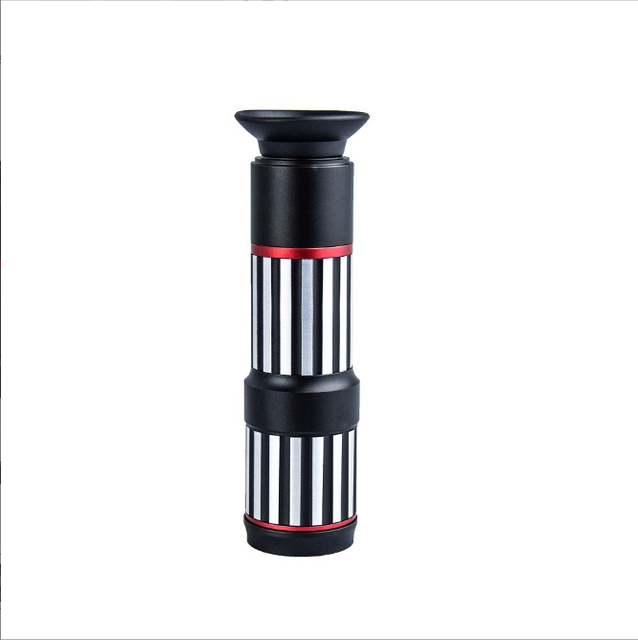

Guangzhou Doolike Electronic Technology Co., Ltd.
100% quality control across all production lines
Inspection of all products
Comply with ISO standards
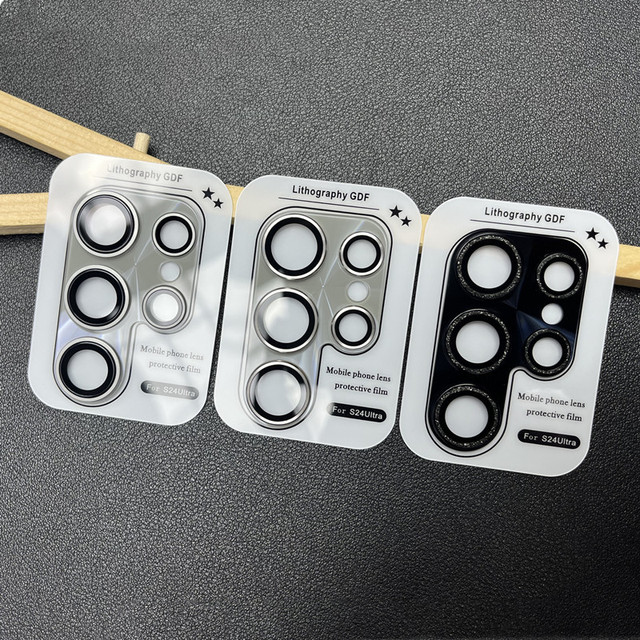
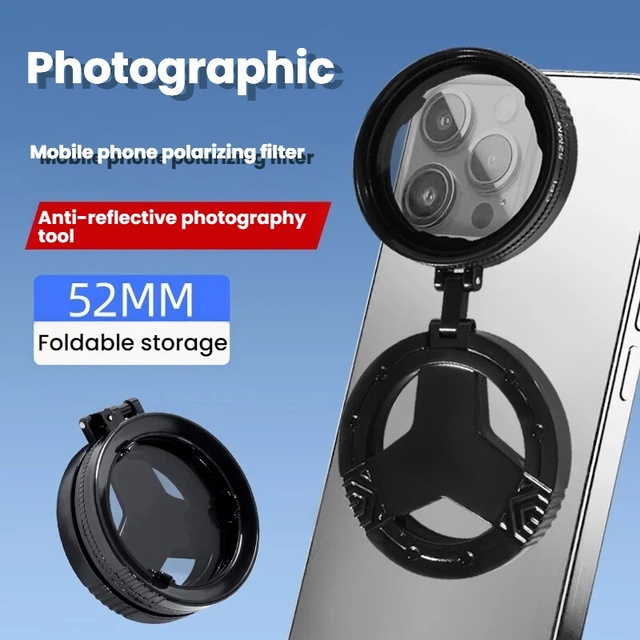

Shenzhen Fangwu E-Commerce Co., Ltd.
Supports shipping to FBA warehouses
100% quality control across all production lines
Provides e-commerce design services


Srate Optical Instrument Manufactory
21 years of experience in industry
Provides e-commerce design services
100% quality control across all production lines
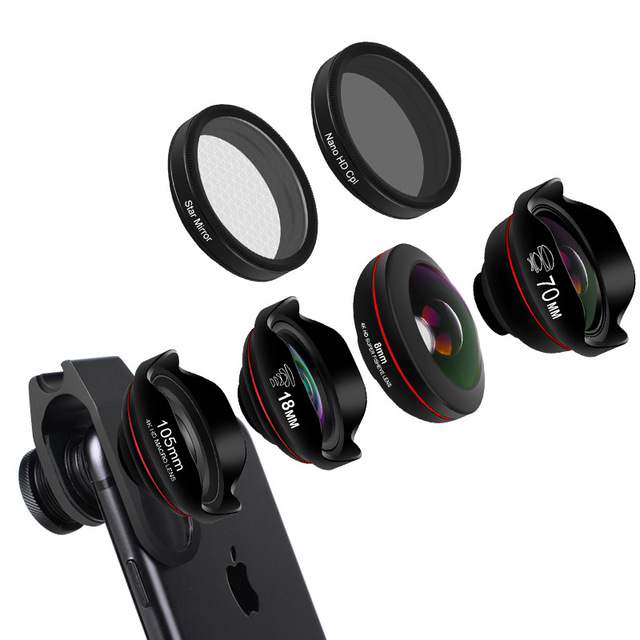
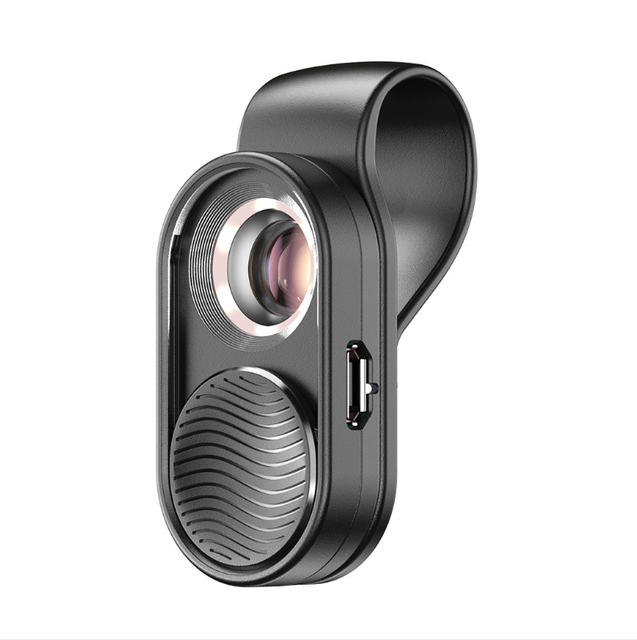
Dongguan Baoxinhang Digital Technology Co., Ltd.
Supports shipping to FBA warehouses
100% quality control across all production lines
Provides e-commerce design services
Related Searches
Explore more sourcing topics & related categories
Sources & References
27 sources cited · Verified industry data & reports
Smartphone Camera Lens Market Size & Share [2026-2035]
www.businessresearchinsights.com
In addition, factors such as increasing disposable income, increasing smartphone penetration, and increasing trend with mobile photography in emerging markets contribute to the extension of the market. Large players such as Apple, Samsung, and Sony invest heavily in research and development to produce the state -As -Art Camera Lens Technologies, while expanding their presence in emerging markets where the demand for smartphones is skyrocketing. As a result, while the market faced early errors, it eventually experienced the development driven by better camera technologies. Rising Adoption of Periscope Lenses for Enhanced Optical Zoom Capabilities · One of the latest trends in the smartphone camera lens market is to increase the periscope lens, increasing optical zoom features without increasing the thickness of the phone. The analysis takes into account both current trends and historical turning points, providing a holistic understanding of the market's components and identifying potential areas for growth. The smartphone camera lens market is experiencing significant growth inspired by increasing demand for advanced camera features in smartphones. The global smartphone camera lens market size is estimated at USD 6.66 Billion in 2026 and is expected to reach USD 14.81 Billion by 2035 at a CAGR of 9.3% during the forecast from 2026 to 2035.
Optical Lens for Mobile Phone Market Report 2026
www.researchandmarkets.com
It will grow to $7.96 billion in 2030 at a compound annual growth rate (CAGR) of 7.7%. The growth in the forecast period can be attributed to integration of AI in camera systems, demand for multi-lens smartphones, growth in mobile videography, increasing focus on sustainable products, adoption of 5g-enabled camera features. Major trends in the forecast period include AI-enhanced mobile photography, eco-friendly lens manufacturing, smart lens integration with iot devices, advanced manufacturing techniques for lens precision, cloud-based image processing. The optical lens for mobile phone market size has grown strongly in recent years. It will grow from $5.47 billion in 2025 to $5.91 billion in 2026 at a compound annual growth rate (CAGR) of 8%. The growth in the historic period can be attributed to rising smartphone adoption, growing social media usage, demand for high-quality images, advancements in camera sensor technology, expansion of online retail channels. 1.1. Key Market Insights (2020-2035) 1.2. Visual Dashboard: Market Size, Growth Rate, Hotspots 1.3. Major Factors Driving the Market 1.4. Top Three Trends Shaping the Market · 2. Optical Lens for Mobile Phone Market Characteristics 40.1 Optical Lens for Mobile Phone Market in 2030 - Countries Offering Most New Opportunities 40.2 Optical Lens for Mobile Phone Market in 2030 - Segments Offering Most New Opportunities 40.3 Optical Lens for Mobile Phone Market in 2030 - Growth Strategies 40.3.1 Market Trend Based Strategies 40.3.2 Competitor Strategies ... 41.1. Abbreviations 41.2. Currencies 41.3. Historic and Forecast Inflation Rates 41.4. Research Inquiries 41.5. About the Analyst 41.6. Copyright and Disclaimer · Optical Lens For Mobile Phone Market Global Report 2026 provides strategists, marketers and senior management with the critical information they need to assess the market.
Smartphone Lenses Market Size, Share, and Industry Trends Forecast ...
markwideresearch.com
The Smartphone Lenses Market valued at $18.7 Billion in 2026 is projected to expand to $38.65 Billion by 2035, advancing at a 8.40% CAGR over the analysis window. Content creators and influencer-driven social platforms now represent the fastest-expanding end-user category. Smartphone lenses are optomechanical assemblies comprising one or more curved refractive elements—typically borosilicate crown glass or polycarbonate substrates with anti-reflective dielectric coatings—engineered to focus electromagnetic radiation onto CMOS image sensors with focal lengths ranging from 2.8 mm to 125 mm equivalent. Their primary commercial purpose is to enable computational photography, video capture, and machine-vision functions in mobile devices. Wide angle configurations currently lead volume shipments as ultrawide secondary cameras become standard across flagship and mid-range devices, while telephoto modules capture disproportionate margin pools due to complex prism-folded optical paths and tighter yield requirements. Nikon:Z-series lens design language informs compact smartphone attachment architectures. Nikkor coating technologies differentiate against commodity alternatives. Sony:Xperia smartphone integration creates captive demand for Sony optical attachments. Alpha camera division sensor expertise informs computational photography partnerships. Moment:Mobile-native brand built on MagSafe and universal clip mounting ecosystems. What is the estimated value of the Smartphone Lenses Market in 2026, and where is it heading by 2035?▾
Smartphone Camera Lenses Market Size | Growth Analysis 2034
www.imarcgroup.com
IMARC Group provides an analysis of the key trends in each segment of the global smartphone camera lenses market, along with forecasts at the global, regional, and country levels from 2026-2034. The global smartphone camera lenses market size reached USD 5,837.7 Million in 2025. Looking forward, IMARC Group expects the market to reach USD 10,314.3 Million by 2034, exhibiting a growth rate (CAGR) of 6.33% during 2026-2034. It helps stakeholders to analyze the level of competition within the smartphone camera lenses industry and its attractiveness. Competitive landscape allows stakeholders to understand their competitive environment and provides an insight into the current positions of key players in the market. We recently commissioned multiple market research reports from IMARC, and the insights we received were invaluable. The depth of analysis, accuracy of data, and actionable recommendations have greatly enhanced our strategic decision-making. The market estimates provided by your team were pretty much in line with what we were theorizing internally. Really appreciate the work on this. The sale account manager and the service was excellent. The data and market trends gathered from the report was insightful and really assisted while planning future product and growth strategies.
Smartphone Camera Lens Market Share & Opportunities2025-2033
www.coherentmarketinsights.com
SMARTPHONE CAMERA LENS MARKET SIZE AND SHARE ANALYSIS - GROWTH TRENDS AND FORECASTS (2026-2033) The Global Smartphone Camera Lens Market is estimated to be valued at USD 6.60 Bn in 2026 and is expected to reach USD 8.95 Bn by 2033, exhibiting a compound annual growth rate (CAGR) of 4.4% from 2026 to 2033. The 16+ Megapixel segment leads the market holding an estimated share of 37.7% in 2026. Asia Pacific is estimated to lead the market with a share of 38.4%in 2026. North America, holding a share of 21.3% in 2026, is projected to be the fastest growing region. Such lenses are seeing a lot of demand from consumers who want to pursue professional-grade photography using smartphones. Uncover macros and micros vetted on 75+ parameters: Get instant access to report · To learn more about this report, Request Free Sample · The 16+ Megapixel segment, holding an estimated share of 37.7% in 2026, dominates the global smartphone camera lens market. Asia Pacific, holding a share of 38.4% in 2026, is expected to dominate the global smartphone camera lens market. A lot of major smartphone manufacturers, like Samsung, Huawei, Xiaomi, and OPPO, are based in this region, adding to its dominance. These companies invest a chunk of their revenue in research and development to improve camera capabilities in their smartphones.
Camera Lens Market Size, Companies, Trends & Analysis
www.mordorintelligence.com
Note: Market size and forecast figures in this report are generated using Mordor Intelligence’s proprietary estimation framework, updated with the latest available data and insights as of January 2026. ... Flagship phones in 2025 adopted 200-megapixel sensors, which increased optical design demands and drove lens stacks toward tighter tolerances and enhanced coatings. Sony entered this tier with the Lytia LYT-901, a 1/1.12-inch, 200-megapixel mobile sensor that integrates an AI learning-based remosaicing circuit to sustain high-resolution zoom and 4K video at 30 frames per second, thereby reducing the on-device processing load and favoring optical modules that resolve more detail at the sensor plane. The Camera Lens Market size is projected to be USD 6.35 billion in 2025, USD 6.76 billion in 2026, and reach USD 9.23 billion by 2031, growing at a CAGR of 6.40% from 2026 to 2031. Growth is fueled by continued advances in mobile imaging, the scaling of advanced driver assistance systems for automotive safety, and the deployment of machine vision across automated factories. Device shipment trends, trade-value direction for optical goods, and cross-checks against public financial disclosures are the evidence used to keep Mordor Intelligence's 2026 estimate tied to lens-only revenue, with built-in lenses counted only when the lens value is explicitly captured rather than bundled into broader camera-module pricing. Regulation affecting the camera lenses market is shaped less by lens-specific mandates and more by cross-cutting trade rules, product authorization, and standards compliance that govern how optical modules ship into end devices. In the United States, U.S. Customs and Border Protection actions referenced for early 2026 included 25% ad valorem duties applied to certain semiconductors and derivative products (effective mid-January 2026), which can affect landed costs for camera modules where lenses ship alongside sensors, drivers, or other semiconductor content.