Nikon Camera Digital

Overview
Supplier sourcing insights & recommendations
I have identified several top-tier manufacturers that meet your requirements for Nikon-compatible mounts (F-mount), CE/FCC certification, and OEM support.
While mainstream consumer brands like Nikon do not typically offer OEM camera bodies, the industrial machine vision sector provides high-performance digital camera bodies specifically designed with Nikon F-mounts for professional and manufacturing applications.
Key Verified Manufacturers
- ToupTek Photonics: A highly specialized manufacturer offering the IUC-AFU and IUC-EF series, which feature standard Nikon F-mount options. They are fully CE, FCC, and RoHS certified and provide end-to-end OEM/ODM services, including custom sensor selection, hardware design, and SDK development. Touptekphotonics
- Baumer: A leading global supplier whose LX series (Large Format) cameras are specifically built to support Nikon F-mount lenses to avoid vignetting on high-resolution sensors (up to 65MP). They offer modular lens mounts and custom housings for OEM projects. GlobalspecSchneiderkreuznach
- Shenzhen Benjie Technology: A verified consumer-grade OEM manufacturer with extensive CE/FCC compliance and customization experience. While they primarily produce digital cameras, they are a strong partner for high-volume OEM projects requiring certification adherence. Alibaba
Detailed Supplier Insights
The following table summarizes the capabilities of the top candidates based on your specific mount and certification needs:
| Manufacturer | Mount Type | Certifications | OEM Support Highlights |
|---|---|---|---|
| ToupTek | Nikon F-mount, EF, C-mount | CE, FCC, RoHS | Custom sensors, mechanical housing, and multi-OS SDKs. Touptekphotonics |
| Baumer | Nikon F-mount, C-mount | CE, FCC, GigE Vision | Modular Large Format (LX series) builds for high-res OEM needs. |
| Benjie Tech | Digital Camera | CE, FCC, ISO 9001 | 11 years of OEM experience; 100% quality control on 6 production lines. AlibabaAlibaba |
Detailed supplier profiles and additional verified manufacturers can be found in the attached file below.
Based on these verified manufacturers, you can:
Verified Digital Camera Manufacturers Nikon Mount Ce Fcc Certification Oem Support
Verified suppliers · 3 lists

Shenzhen Benjie Technology Co., Ltd.
Top 10% for inquiries in Digital Cameras - United States of America market
Inspection of all products
Operates 6 self-owned production lines with certified equipments

Tengdafei Digital Technology (Dongguan) Co., Ltd.
100% quality control across all production lines
Provides e-commerce design services
Inspection of all products

Ausek Limited
Top 10% for inquiries in Digital Cameras - United States of America market
Main category includes Digital Camera
Inspection of all products
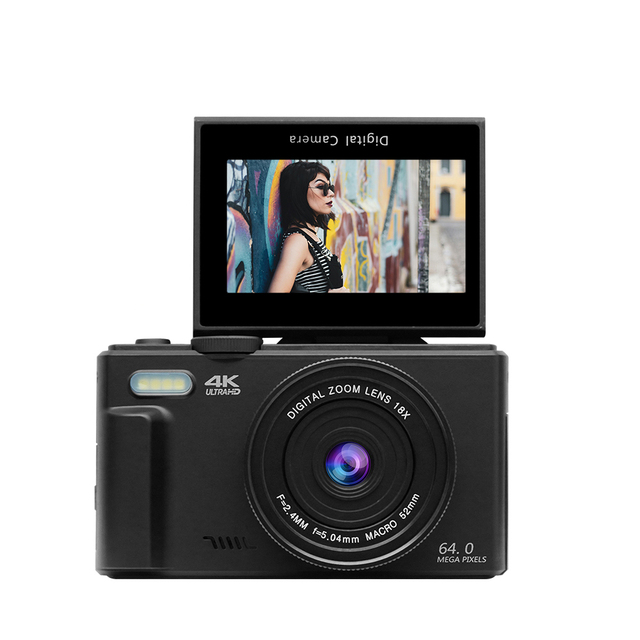
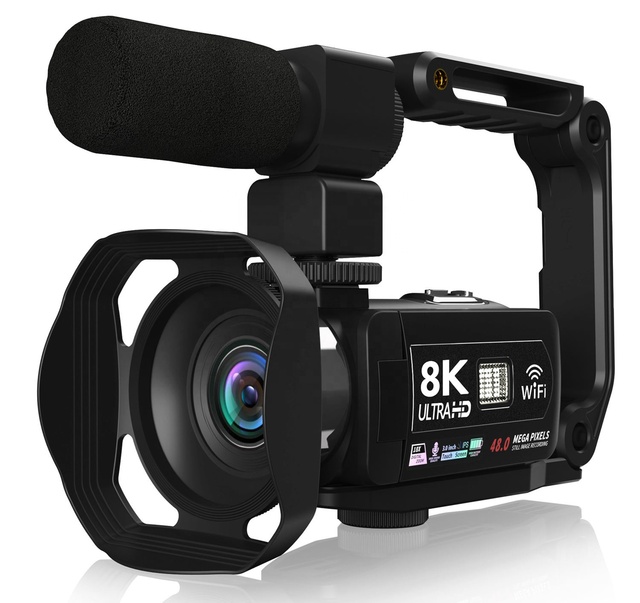
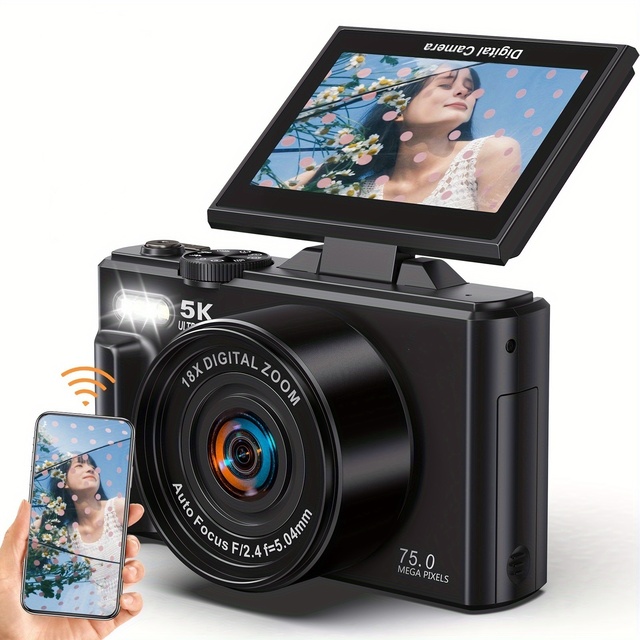

Shenzhen Sonida Digital Technology Co., Ltd.
Top 10% for inquiries in Digital Cameras - United States of America market
100% quality control across all production lines
19 years of experience in exporting

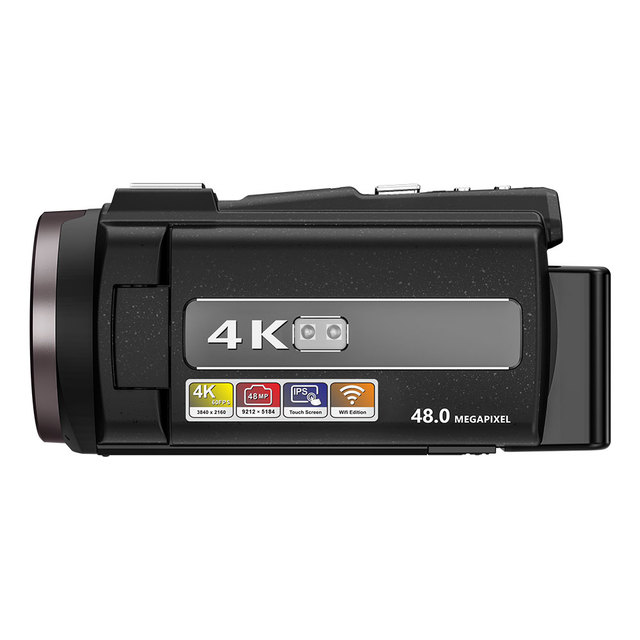
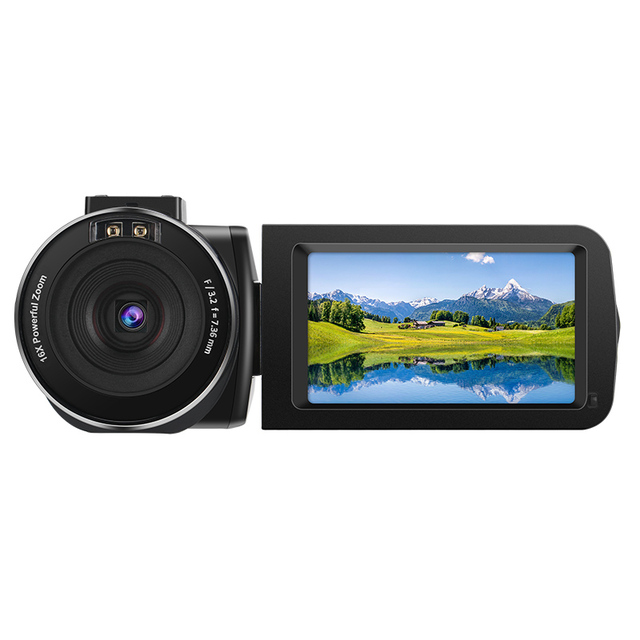

Jarvis Smart (ShenZhen) Co., Ltd.
Top 20% for inquiries in Digital Cameras - United States of America market
Comply with ISCC, BSCI, ISO standards
Supports shipping to FBA warehouses

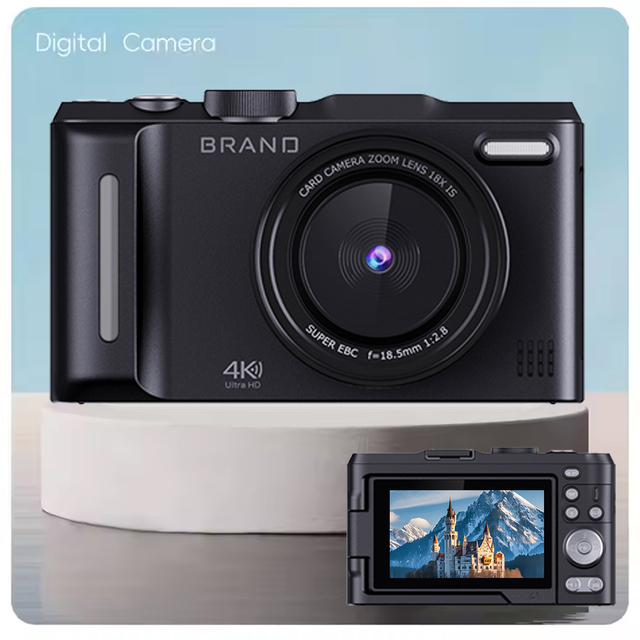
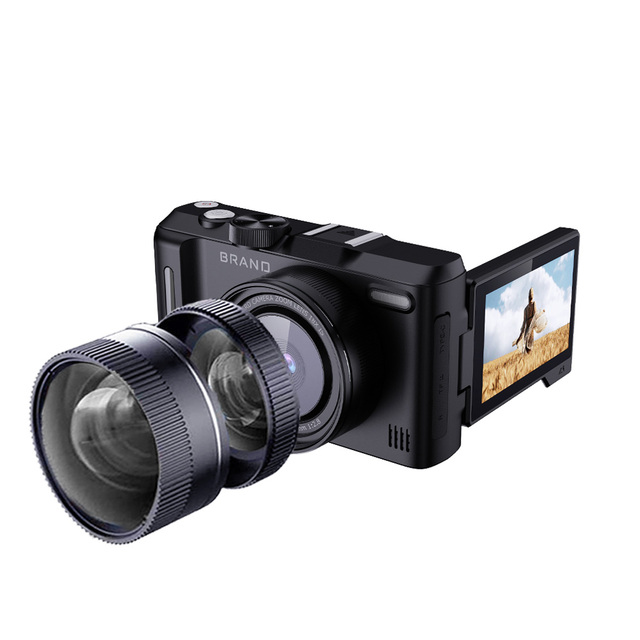
Shenzhen Holide Electronic Co., Ltd.
Top 10% for orders in Digital Cameras - United States of America market
Annual export revenue: 892.2 thousand
Main category includes Digital Camera

Dongguan Ruikangqi Intelligent Technology Co., Ltd.
Top 10% for inquiries in Digital Cameras - United States of America market
Meets FCC standards in United States of America
Comply with ISO standards
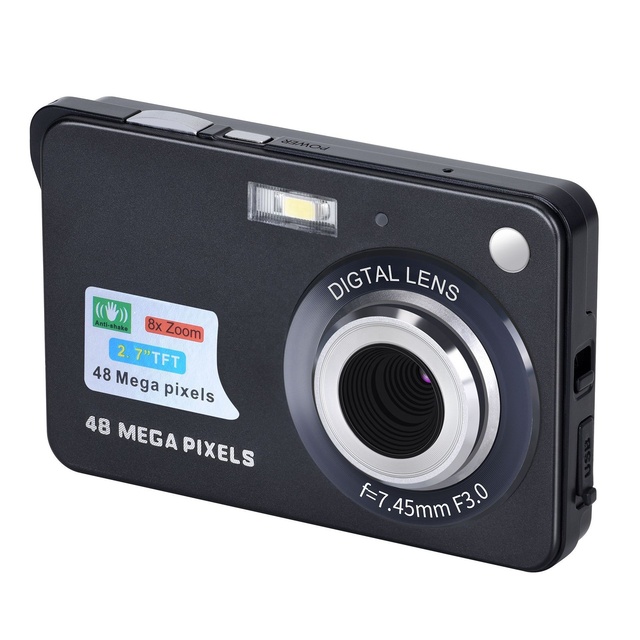
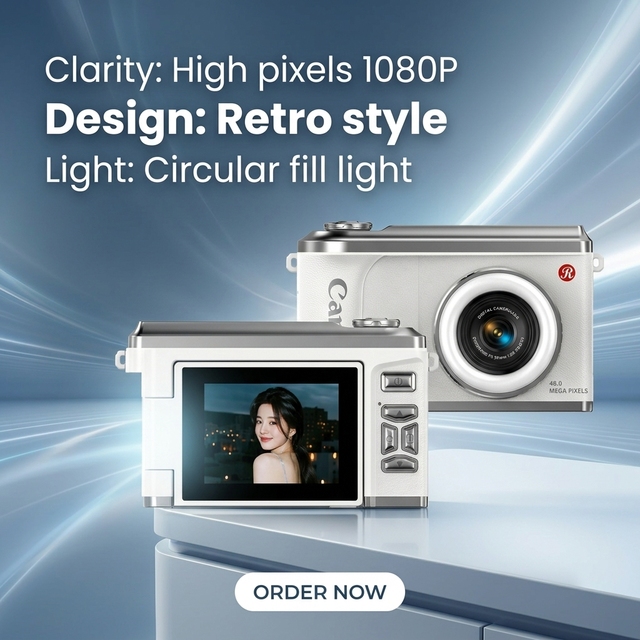

Shanxi Changkun Electronic Technology Co.,ltd
100% quality control across all production lines
Inspection of all products
Participated in 1 trade show in United States of America

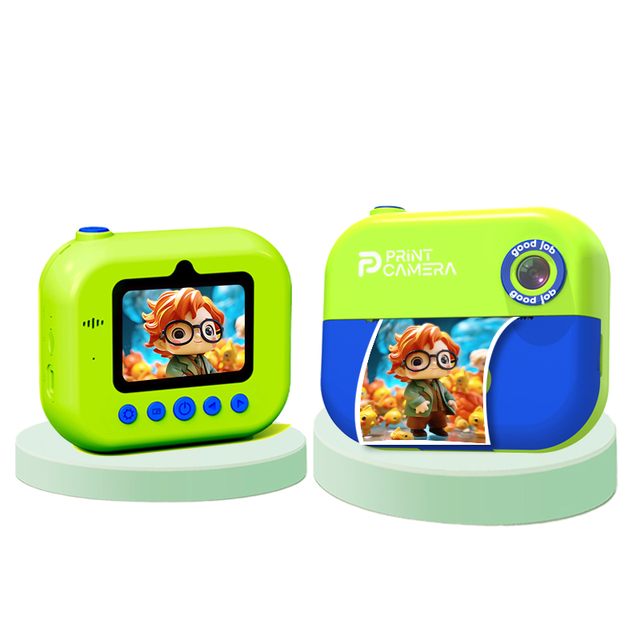


Songdian Technology (guangdong) Co., Ltd.
Top 10% for inquiries in Digital Cameras - United States of America market
Comply with ISO standards
Provides e-commerce design services

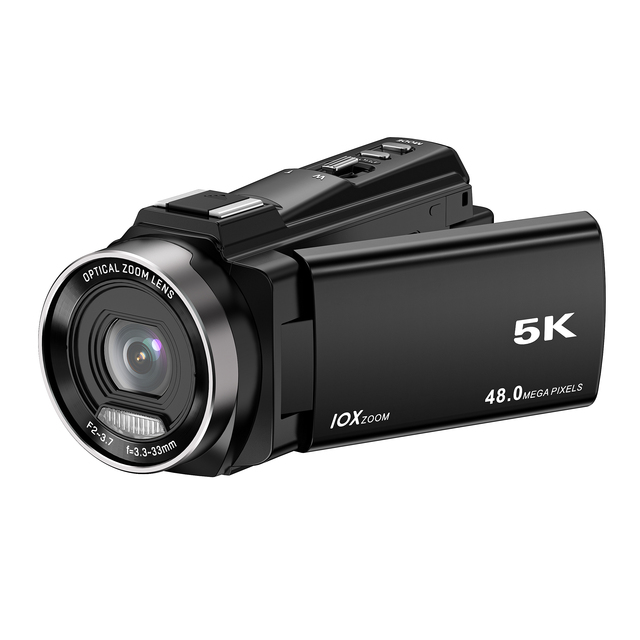

Shenzhen Relee Electronics & Technology Co., Ltd.
Provides e-commerce design services
21 years of experience in exporting
Comply with ISO standards

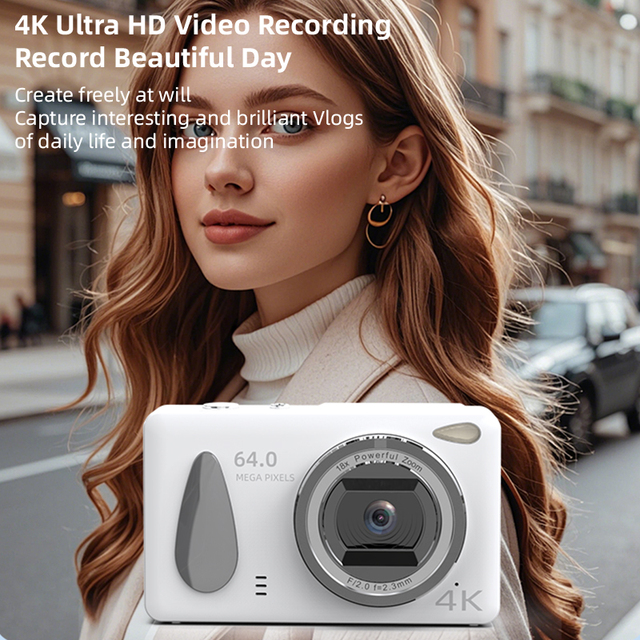
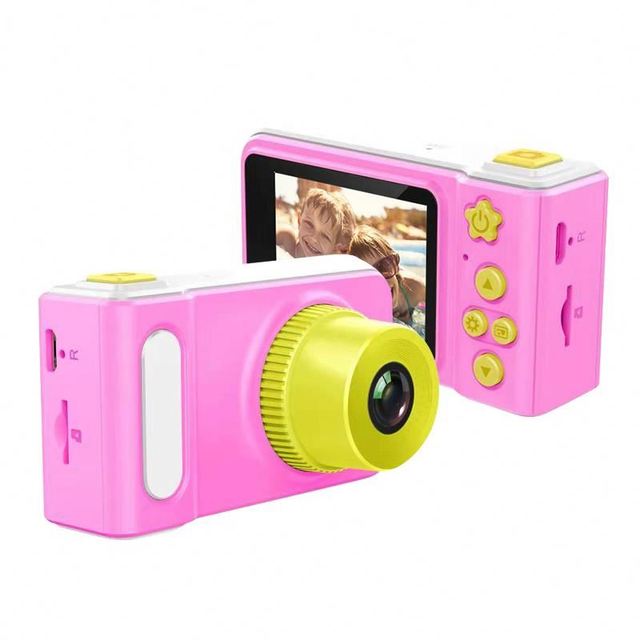

Shenzhen Yikoo Technology Co., Ltd.
100% quality control across all production lines
Provides e-commerce design services
Inspection of all products
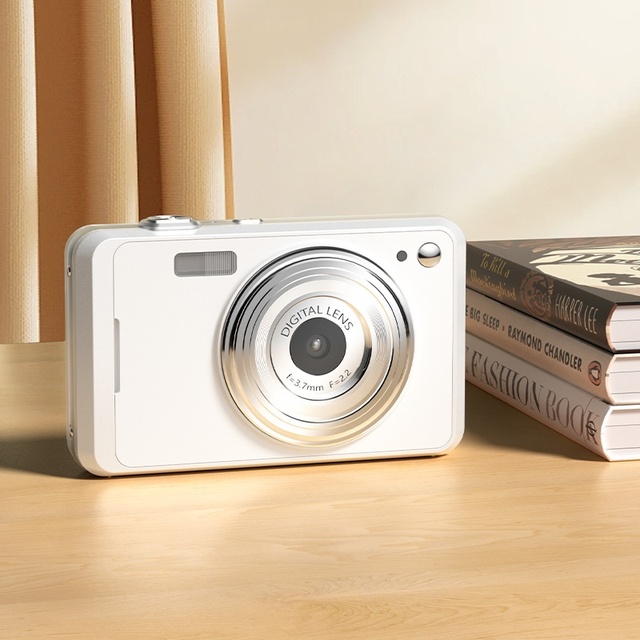
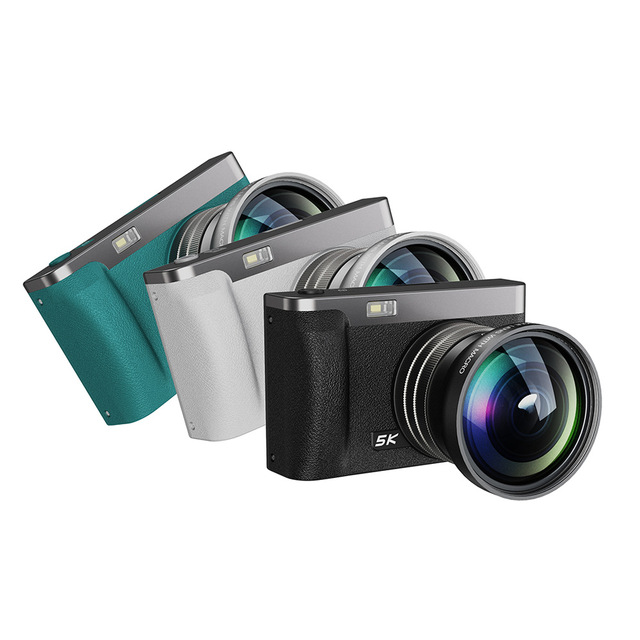
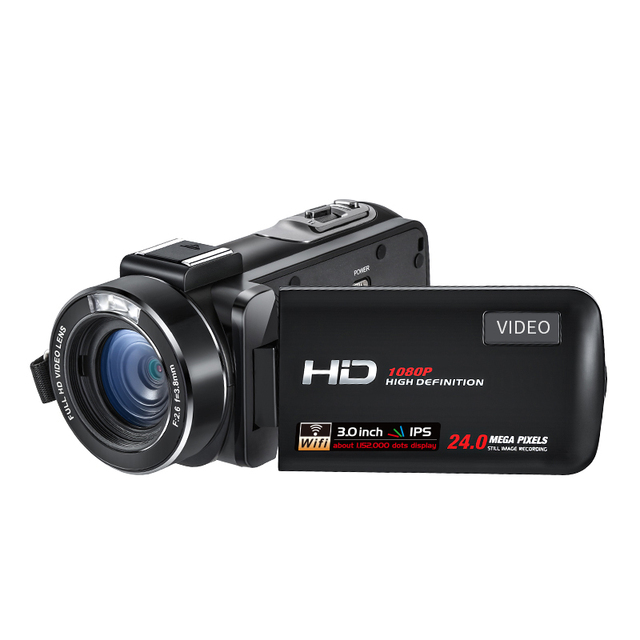

Shanghai Hbnkh Electronic Technology Co., Ltd.
Top 20% for orders in Digital Cameras - United States of America market
Overseas warehousing available
100% quality control across all production lines


Gd Digital Ltd.
Provides e-commerce design services
On-site engineer support service includes other
Offers 3D design services


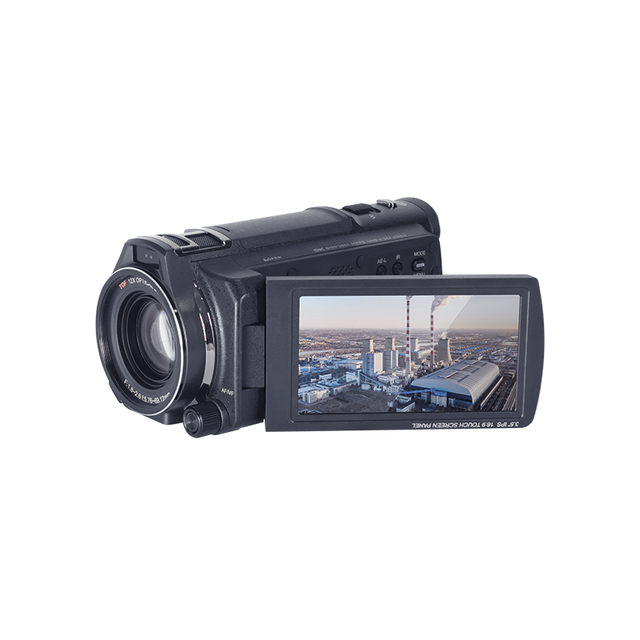
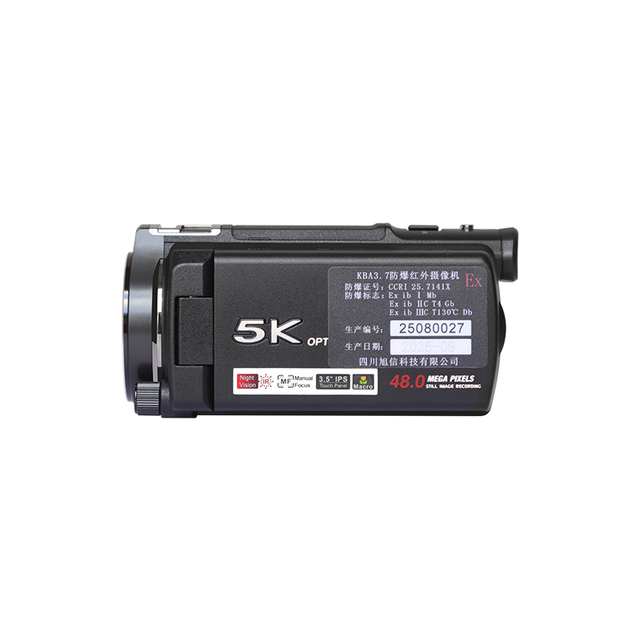
Sichuan Xuxin Technology Co., Ltd.
Has served Fortune 500 clients
100% quality control across all production lines
Inspection of all products

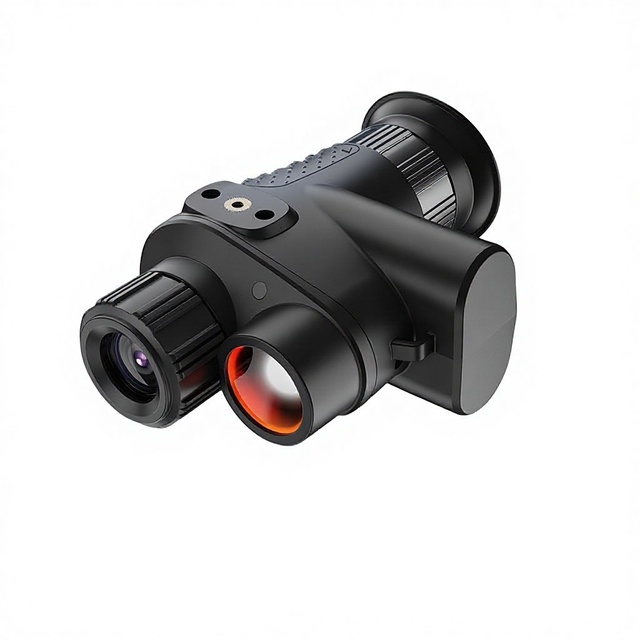
Nanyang Neo-Show Optical Electronic Co., Ltd.
17 years of experience in industry
100% quality control across all production lines
Operates 8 self-owned production lines with certified equipments
Related Searches
Explore more sourcing topics & related categories
Sources & References
28 sources cited · Verified industry data & reports
Nikon F-mount - Wikipedia
en.wikipedia.org
The company continues, with the 2020 D6 model, to use variations of the same lens mount specification for its film and digital SLR cameras. The Nikon F-mount successor is the Nikon Z-mount. The FTZ II (and the original FTZ) lens adapter allows many F-mount lenses to be used on Z-mount cameras. The Nikon F-mount is one of only two SLR lens mounts (the other being the Pentax K-mount) which were not abandoned by their associated manufacturer upon the introduction of autofocus, but rather extended to meet new requirements related to metering, autofocus, and aperture control. In addition to Nikon's own range of "Nikkor" lenses, brands of F-mount photographic lenses include Zeiss, Voigtländer, Schneider, Angénieux, Samyang, Sigma, Tokina, Tamron, Hartblei, Kiev-Arsenal, Lensbaby, and Vivitar. F-mount cameras include current models from Nikon, Fujifilm, Sinar, JVC, Kenko and Horseman. Numerous other manufacturers employ the F-mount in non-photographic imaging applications. The F-mount has a significant degree of both backward and forward compatibility. IX — Lenses designed for use with the now-defunct Pronea APS SLR. These are all autofocus zoom lenses. They are not compatible with cameras outside of the Pronea system unless mirror lock-up is used · Series E — A line of eight lower-cost lenses manufactured during the 1980s for Nikon's amateur SLRs. Cameras without an autofocus motor are the Nikon D40, D40X, D60, D3xxx (most recent: D3500), D5xxx (most recent: D5600), the Nikon 1 series with FT1 adapter, and the Nikon Z-mount cameras with FTZ adapter. ... Zeiss ZF series lenses are manual-focus designs Nikon AI-S type aperture indexing. They are manufactured by Cosina to Zeiss specifications. Four design variations are designated ZF, ZF.2, ZF-I, and ZF-IR. ZF is the original product line. ZF.2 lenses are CPU-enabled (similar to Nikon AI-P lenses) offering full metering compatibility with the full range of AF Nikon SLR cameras. This means Pronea cameras can accept conventional Nikkor F-mount lenses, but IX-Nikkor lenses cannot be used with non-Pronea Nikon SLRs without locking up the mirror. IX-Nikkor lenses use the same electronic communications as Nikkor AF lenses with distance encoding (AF-D), so they may be adapted to Z-mount mirrorless interchangeable lens cameras in DX (cropped sensor) mode. Nikkor lenses designated AF-S, AF-I and AF-P have integrated autofocus motors, but other manufacturers included in the list do not designate it as clearly.
Nikon Z-mount - Wikipedia
en.wikipedia.org
Note that the two RED Z camera adapters cannot be used with Nikon Z mirrorless cameras, including the ZR. Three companies license the Z-mount from Nikon, enabling full compatibility and respecting intellectual property: Cosina Voigtländer, Sigma and Tamron. Numerous manufacturers offer purely manual lenses and lens mount adapters for the Z-mount, which do not interface electronically to the camera and do not support autofocus or automatic control of the aperture. Nikon F-mount teleconverters can be used on compatible F-mount lenses when used with the FTZ adapter. ... Nikon makes two lens adapters, the FTZ II and the original FTZ which allow many Nikon F-mount lenses to be used on Z-mount cameras. Nikon SLR cameras, both film and digital, have used the Nikon F-mount with its 44 mm throat diameter and 46.5 mm flange since 1959, while the Z-mount has a 55 mm throat diameter and a 16 mm flange distance. Nikon F-mount teleconverters can be used on compatible F-mount lenses, but the Z-mount teleconverters may not be used in conjunction with the FTZ. For details on the lens types listed in the table, refer to Nikon F-mount. Mount adapters provided by Nikon to support PL-mount lenses on their RED Z-mount cameras are the following: RED Z to PL Adapter Pack: Enables the use of PL-mount lenses on Z-mount RED Digital Cinema cameras. The Z9 and Z8 use the same circular 10-pin accessory port (for a remote shutter release, external GPS receiver, etc.) as previous "pro-grade" Nikon DSLRs (such as the D3/D4/D5/D6 series), while the Z5/Z6/Z7 (and their successors) use the rectangular 8-pin accessory port introduced with the D90 and used on most other Nikon DSLRs since. The Z30/Z50/Zfc/Zf (and their successors) do not have an accessory port. The ZR does not have the same type of accessory port, but rather, it has a digital accessory shoe for two-way communication. This allows the camera to supply power and send data to and receive data from attached compatible microphones and tally lamps. All Nikon Z cameras (other than the ZR, which has a digital accessory shoe) have a hot shoe, which allows the use of the same iTTL flash system (Nikon CLS) as Nikon DSLRs, which remains fully backward compatible and with third-party flashes and flash transmitters.
Nikon Z vs Nikon F - What's the Difference?
photographylife.com
PL provides various digital photography news, reviews, articles, tips, tutorials and guides to photographers of all levels ... It has been more than 60 years since Nikon introduced the Nikon F mount on its first SLR film camera, the “Nikon F“. Since then, Nikon has made over 100 million lenses for this mount without changing any of the physical dimensions, primarily for the purpose of keeping lenses compatible between different cameras, whether film or digital. The larger mount opens up more opportunities when compared to the Nikon F. First of all, it provides more space for the sensor to move around when manufacturers add in-body image stabilization (IBIS). Since most mirrorless systems feature IBIS, it is good that Nikon future-proofed its mirrorless mount by making it larger. If there is more space for the sensor to move to, Nikon can implement a very complex IBIS system that not only compensates for camera shake, but also allows to implement such features as pixel shift, which is already available on the Nikon Zf. NIKON Z 9 + NIKKOR Z 100-400mm f/4.5-5.6 VR S @ 210mm, ISO 64, 1/500, f/6.3 © Spencer Cox · Second, a larger mount gives more flexibility to camera manufacturers when it comes to designing lenses, sometimes allowing simpler lenses to be designed at lower costs. Do you know if Nikon will make an adaptor if we want to use a Nikon F mount lens with the new mirrorless rather than buy all new lenses? ... Kathleen, absolutely! It will be a smart adapter that Nikon is introducing and actually bundling together with the Z-series cameras. You can imagine what it will be like to use a stabilized camera body with older lenses…I can’t wait to put my Noct-Nikkor on the Z6 or Z7 :) ... Hi Nasim, will be the adapter compatible also with Sigma lenses?
You Can Use Vintage Nikon Lenses with Your Z Series Mirrorless ...
www.nikonusa.com
Did you know you can use most of your older, vintage f-mount interchangeable lenses with your new Nikon Z series mirrorless camera? You can, with the Mount Adapter FTZ II (and the now discontinued original Mount Adapter FTZ. This easy-to-use adapter gives you the ability to use over 360 NIKKOR f-mount lenses—the lenses that you used with your Nikon film and DSLR cameras, including over 90 NIKKOR FX or DX AF-S Type G/D/E, AF-P type G/E, AF-I type D lenses, and AF-S/AF-I Teleconverters that retain full AF/AE compatibility.* Meanwhile, many NIKKOR lenses dating as far back as the 1950s can also be mounted to Z system cameras via the FTZ and FTZ II adapter with some limitations. For optimal VR performance, you must register the focal length of the lens in the camera. To do this, go to the setup menu, select “Non-CPU Lens Data” and enter the lens’ focal length and maximum aperture. (l. to r.) Mount Adapter FTZ II and the original Mount Adapter FTZ. The more ergonomically designed FTZ II doesn't incorporate a tripod foot for easier use with Nikon Z series camera bodies that can utilize an optional power battery grip. There is no glass inside of the Mount Adapter FTZ II, which means nothing gets between your lens and your image sensor. No loss of brightness, contrast or speed! It simply gives the smaller mount of the F-mount (DSLR) lenses a way to attach to the larger Z mount of Nikon mirrorless cameras and place the lens at the appropriate distance from the sensor.
Compatible Lenses and Accessories
onlinemanual.nikonimglib.com
The camera can be used with all Z mount lenses. Confirm that the lens name includes “NIKKOR Z”. Be sure to update to the latest versions of the camera and lens firmware. With earlier versions, some functions may not be available or the camera may fail to correctly detect the lens. The latest firmware is available from the Nikon Download Center. For more information on lenses, see the lens documentation available from the Nikon Download Center. ... F mount lenses can be mounted on Z mount cameras using an FTZ II/FTZ mount adapter. Information on the F mount lenses that can be used with Z mount cameras and on any restrictions that may apply can be found in Compatible F Mount Lenses. Compatible F Mount Lenses is available from the Nikon Download Center.
Everything You'll Ever Need to Know About Nikon Lens Mounts and ...
fstoppers.com
Z-mount continues receiving all of Nikon's optical engineering attention. The lens roadmap still has gaps, but the core focal lengths and zoom ranges are thoroughly covered. Third-party manufacturers are filling additional niches at various price points. Nikon kept the same basic F-mount for 65 years while quietly changing how lenses communicate with cameras across dozens of iterations. Now add Z-mount mirrorless to the mix, and you have a compatibility puzzle that can make buying used glass feel like defusing a bomb. Whether you're trying to figure out if your father's old Nikon lenses will work on your new Nikon Z6 III, or you're buying used glass and want to know exactly what you're getting into, this is the reference you need. By the end, you'll understand the differences between all the major Nikon lens types, know exactly what works on which cameras, and be able to make smart purchasing decisions without second-guessing yourself. Autofocus motors moved from camera bodies into lenses. Aperture control shifted from physical rings to electronic commands. Each of these changes created new lens categories with different compatibility profiles, and Nikon never fully abandoned the old ways, just kept adding new ones on top. Z-mount arrived in 2018 with Nikon's first mirrorless cameras.