Off The Shelf Semiconductor Supplier

Overview
Supplier sourcing insights & recommendations
The global semiconductor market is entering a structural expansion phase, with revenues projected to reach $1.29 trillion to $1.51 trillion by 2026, driven primarily by an "AI supercycle" IdcWsts. The memory segment is the core growth engine, with high-bandwidth memory (HBM) and NAND Flash forecasted to surge by up to 250% Wsts.
While AI infrastructure dominates, other sectors like Automotive are facing near-term softness, and supply chains are shifting toward geopolitical adaptation and sustainability, with major players aiming for 99%+ water recycling ExpertnetworkcallsIdc. I have identified several verified off-the-shelf component suppliers specializing in integrated circuits, diode modules, and semiconductor laser chips. The detailed supplier lists and market data are provided in the files below.
I have compiled the latest semiconductor market insights and supplier lists. You can continue with:
Off The Shelf Semiconductor Components Supplier
Verified suppliers · 3 lists

Shenzhen Keshijin Electronics Co., Ltd.
Provides e-commerce design services
20 years of experience in industry
Inspection according to client's requirement
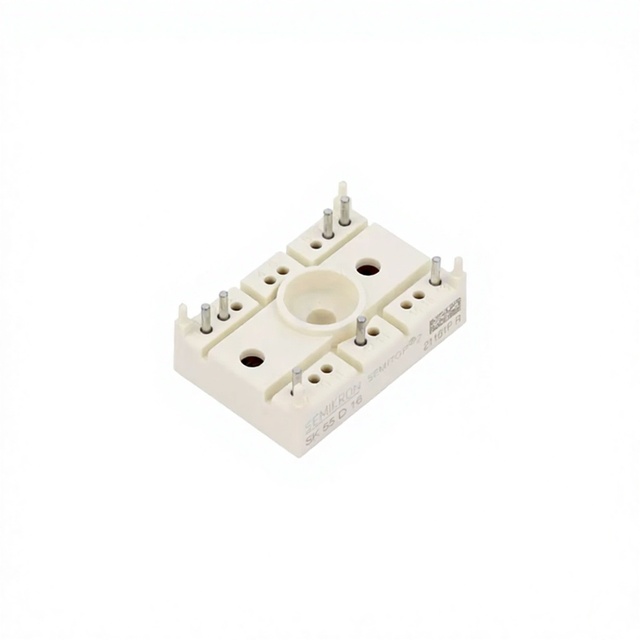
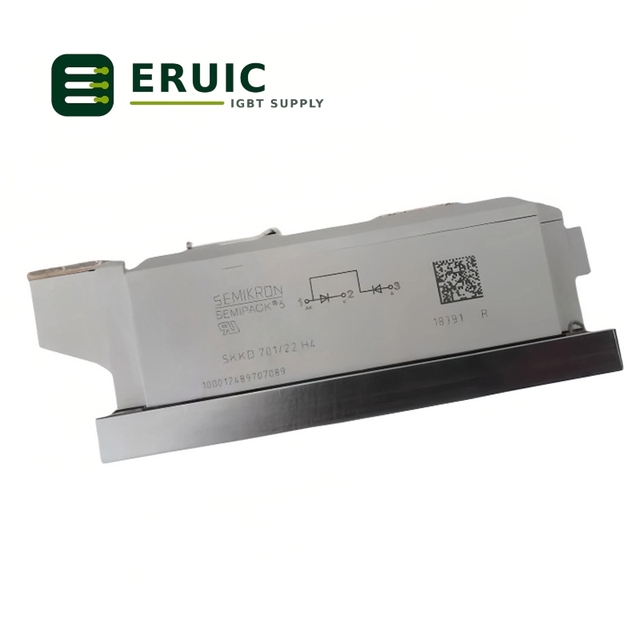
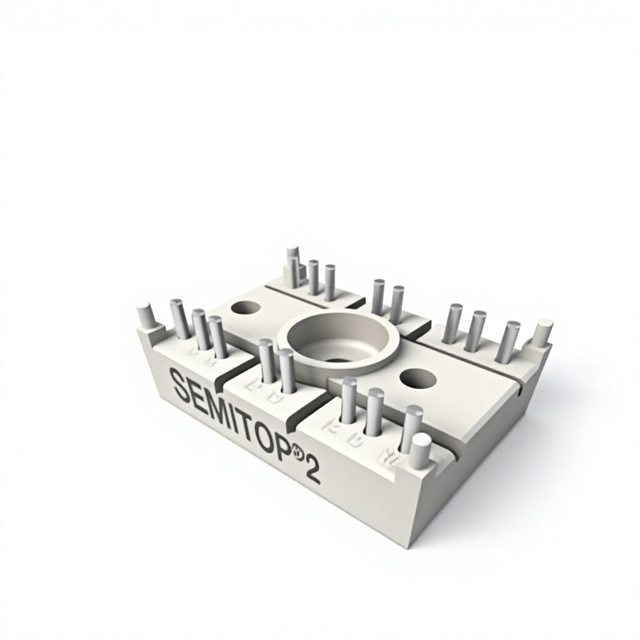

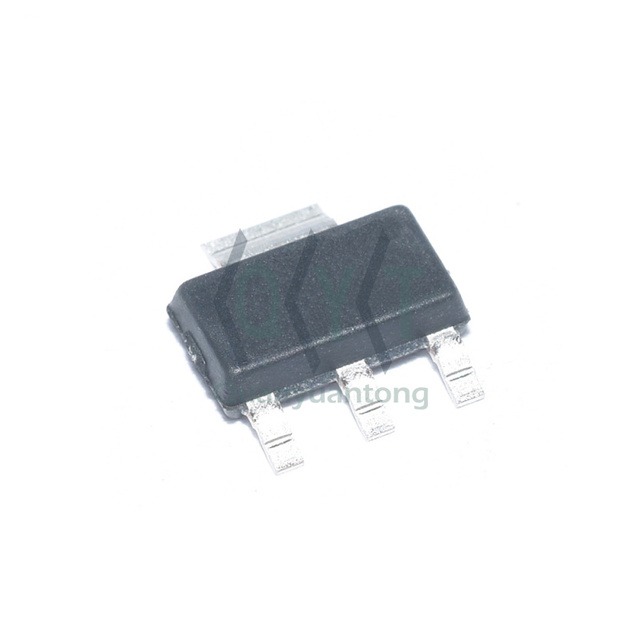
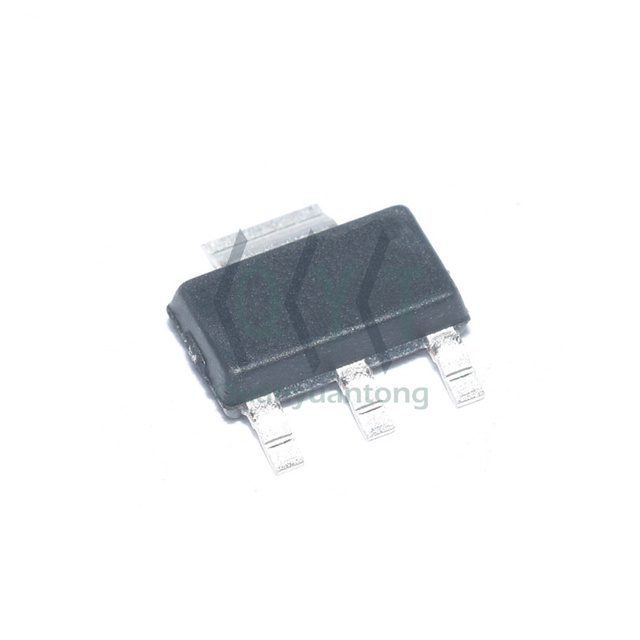
Shenzhen Quanyuantong Electronics Co., Ltd.
100% quality control across all production lines
18 years of experience in exporting
18 years of experience in industry


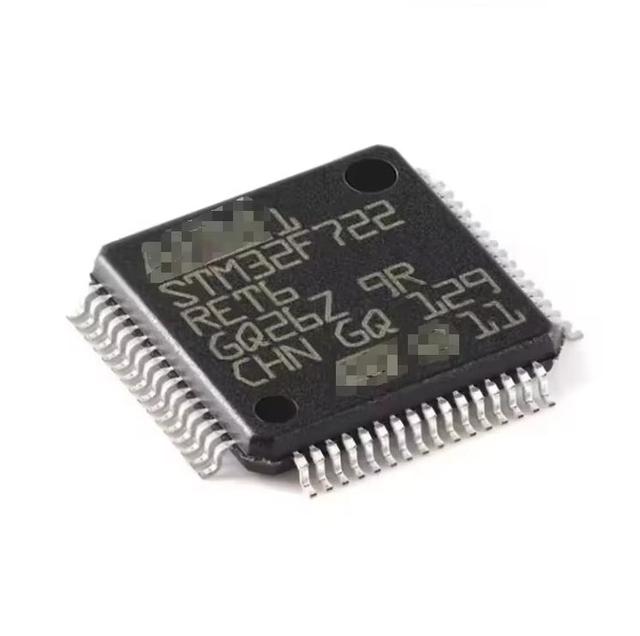
ShenZhen Nova Semiconductor Co., Ltd
Has served Fortune 500 clients
16 years of experience in exporting
16 years of experience in industry
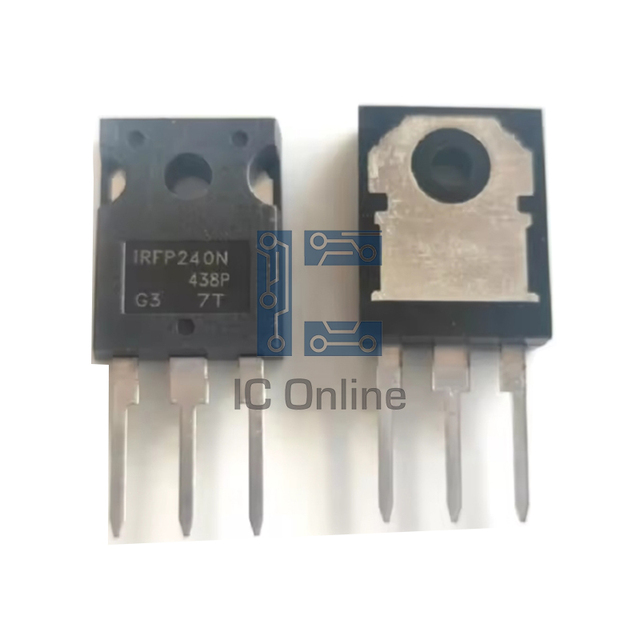
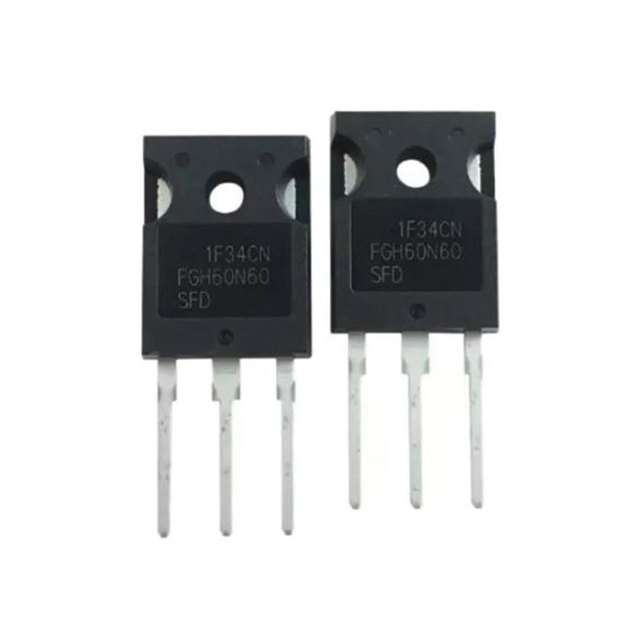

Shenzhen Huayaya Technology Co., Ltd.
Top 10% for buyers in Semiconductors
Trusted supplier in Semiconductors
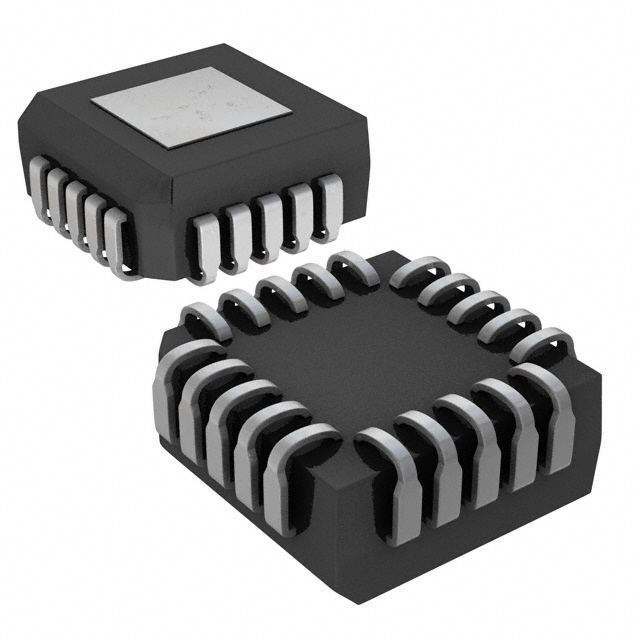
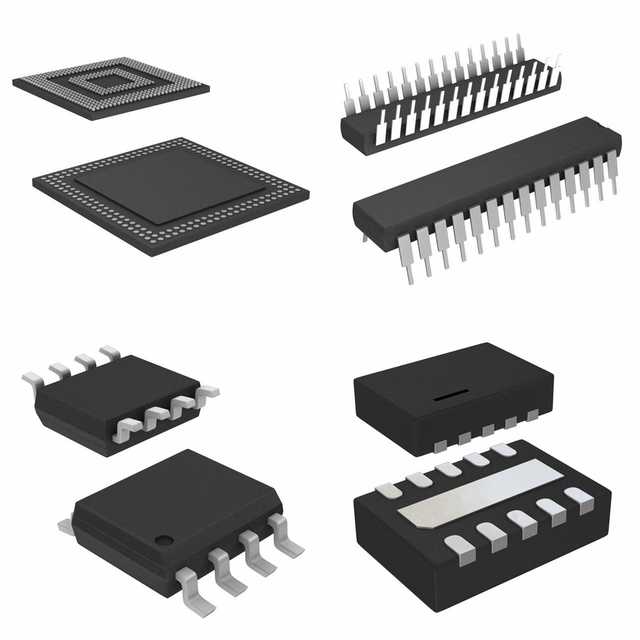
Shenzhen Huanxin Micro Semiconductor Co., Ltd.
Trusted supplier in Electronic Components
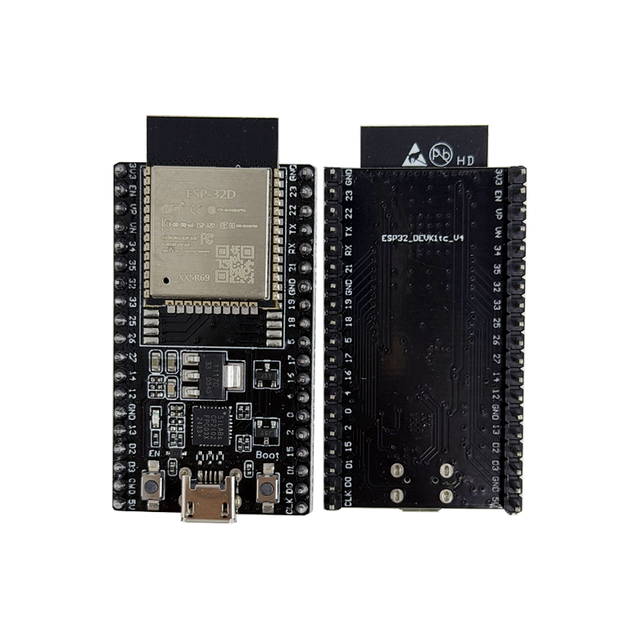
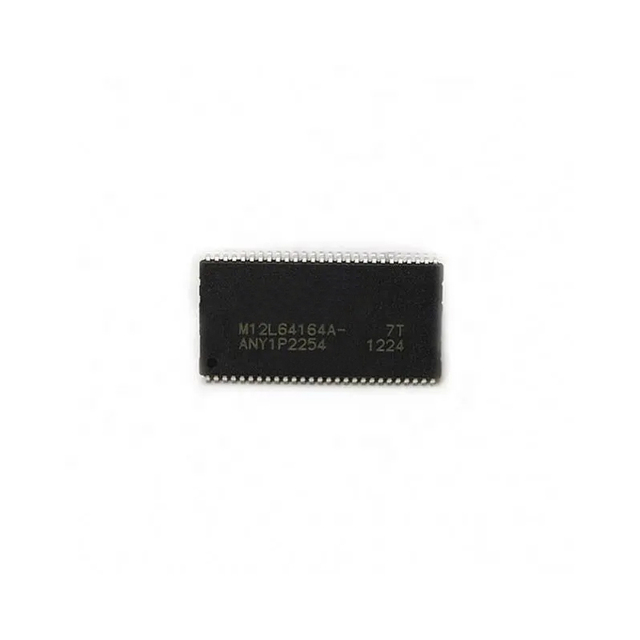
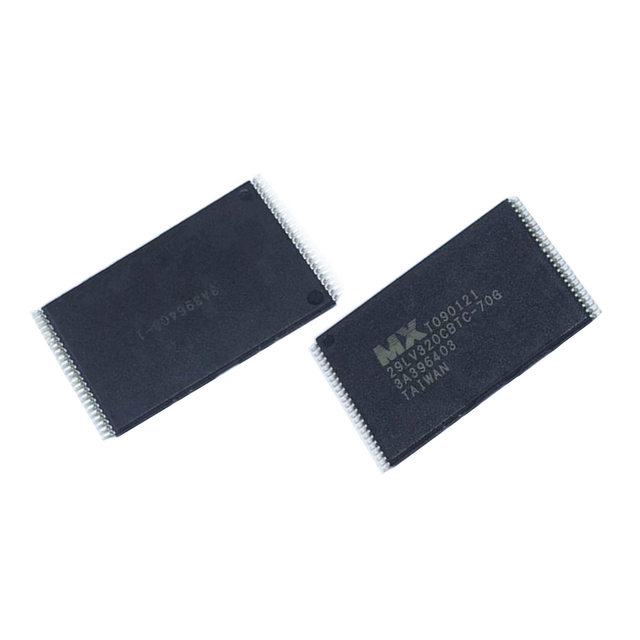

Shenzhen Le Taotao Electronics Company Limited
Trusted supplier in Power Driver Modules
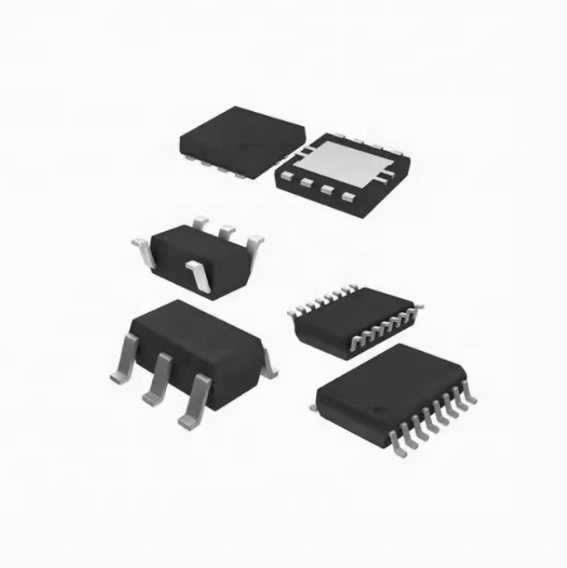
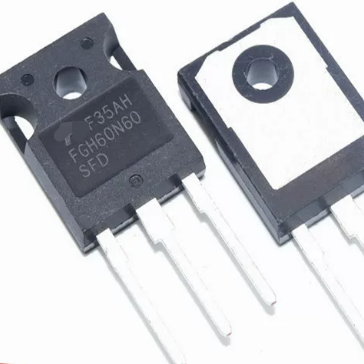
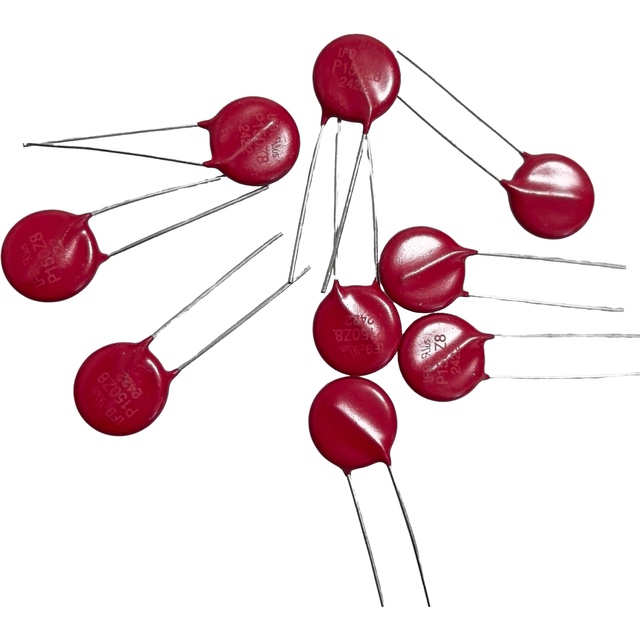

Shenzhen Jieming Micro Semiconductor Co., Ltd.
Well‑matched supplier in Electronic Components

Shenzhen Jianuoxin Technology Co., Ltd.
Well-suited supplier in TVS Diodes
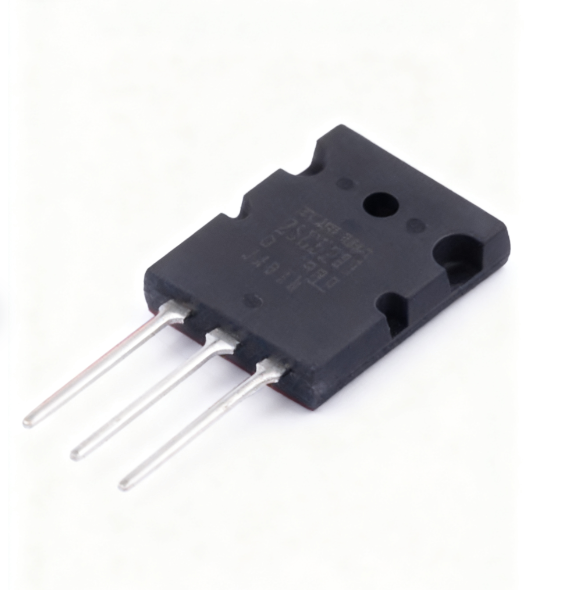
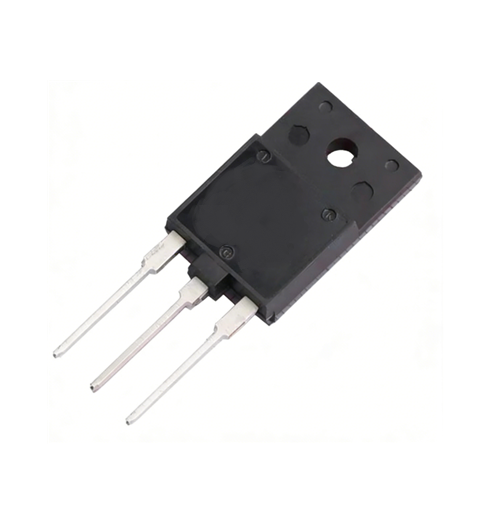

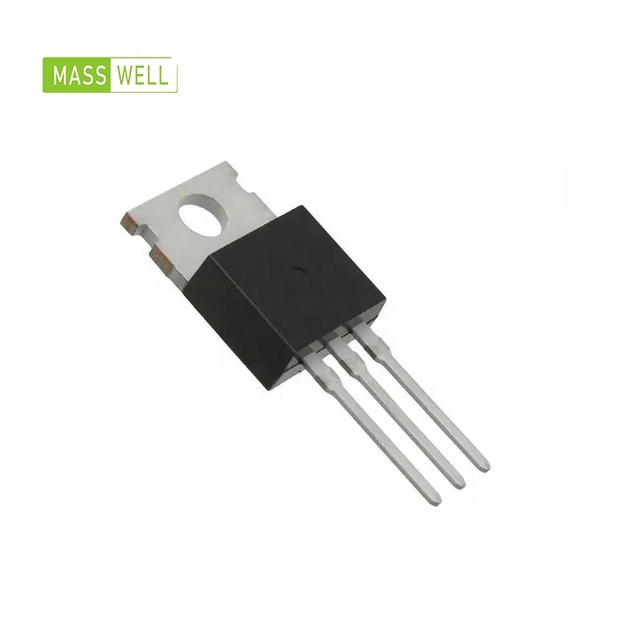
Shenzhen MassWell Semiconductor Co., Ltd.
Inspection of all products
Reliable supplier in Power Supplies
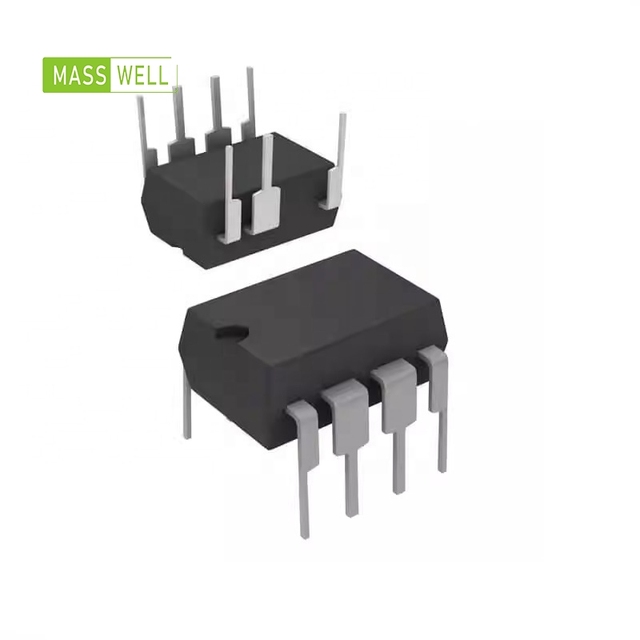
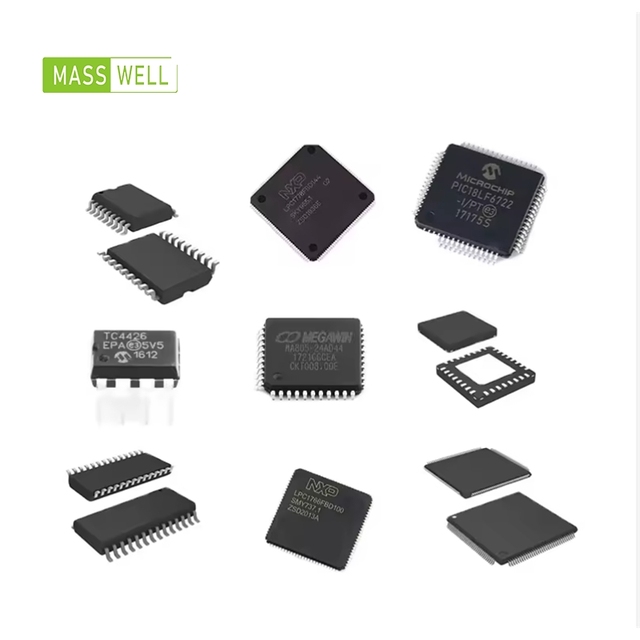

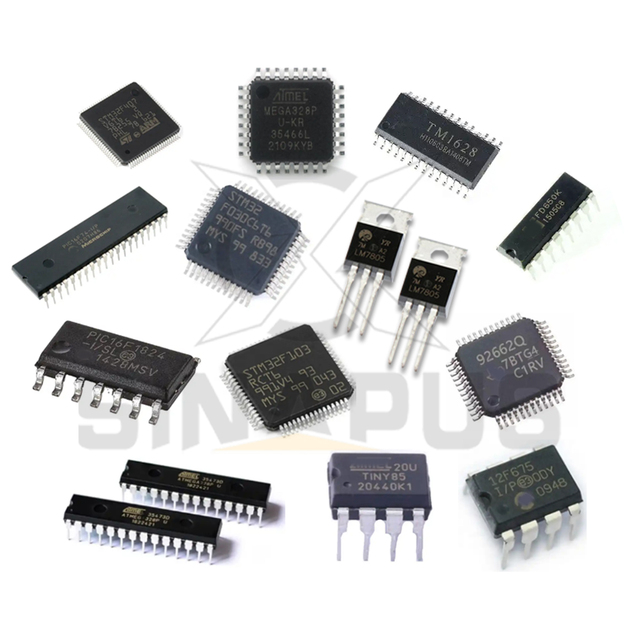
Shenzhen Sinapus Technology Co., Ltd.
Reliable supplier in Discrete Semiconductor Modules

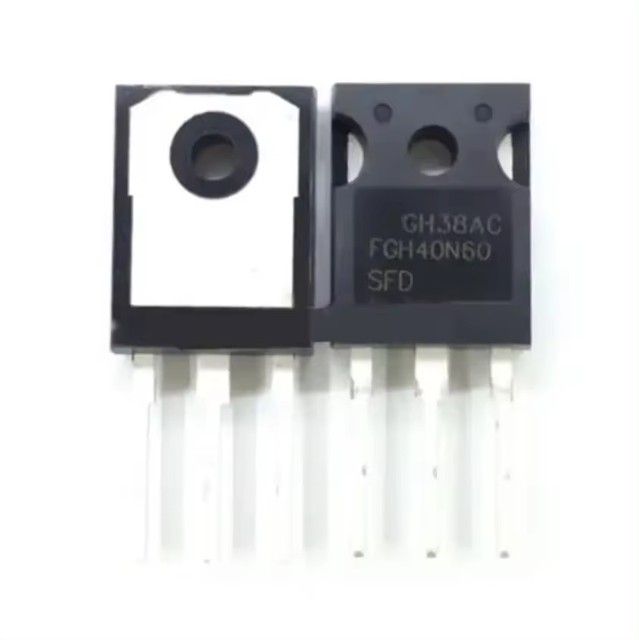
Chongqing Zhongjing Mircroelectronics Technology Co.,ltd
Well‑matched supplier in Transistors
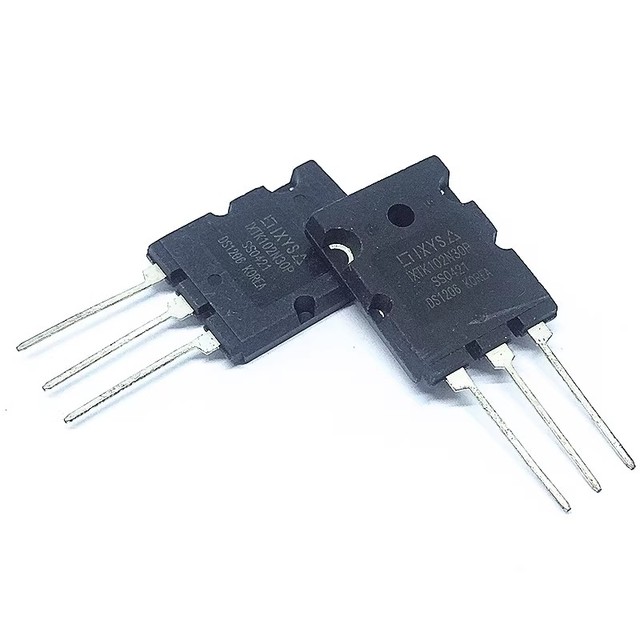
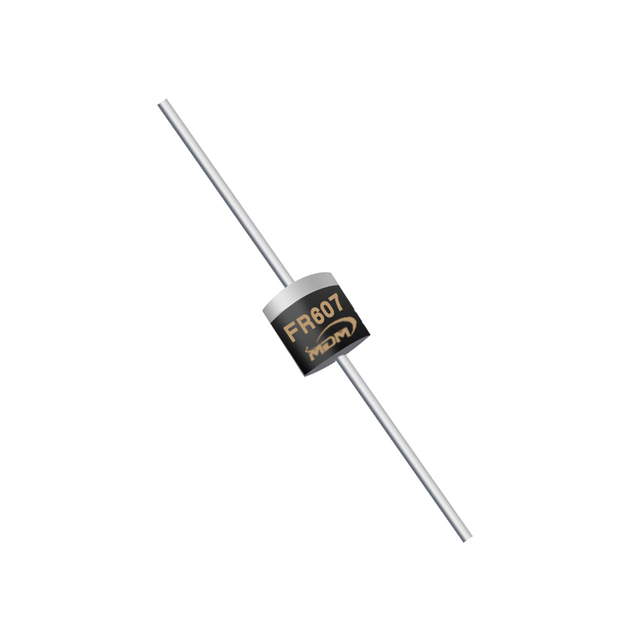
Funeng Micro Semiconductor (shenzhen) Co., Ltd.
Well‑matched supplier in Transistors
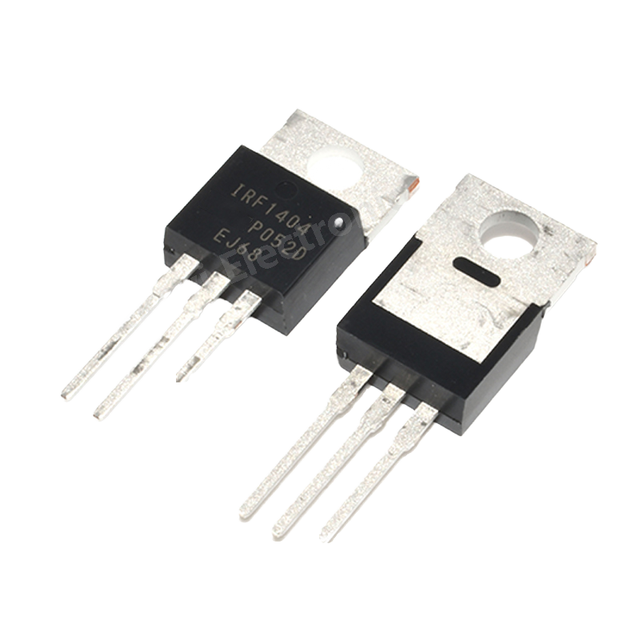
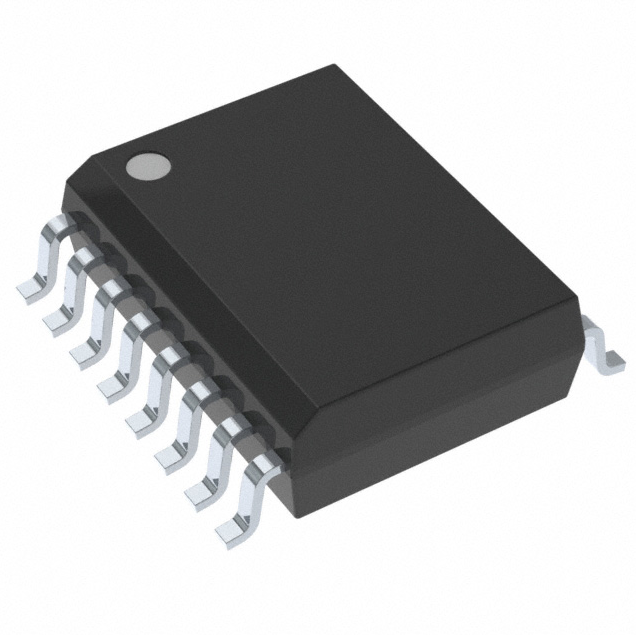
Shenzhen Shengfeng Electronics Co., Ltd.
Well-suited supplier in Transistors
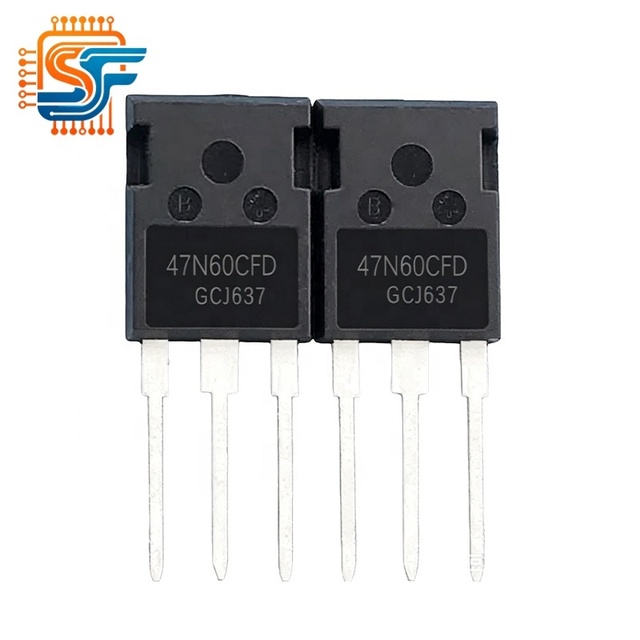

ICMICRO ELECTRONICS (HK) LIMITED
Reliable supplier in Transistors

Shenzhen Aotuo Xincheng Electronics Co., Ltd.
Recommended supplier for Electronic Components

Shenzhen Xeefee Technology Co., Ltd.
Well‑matched supplier in Transistors
Guangzhou Hanlin Technology Co., Ltd.
Recommended supplier for Specialized ICs

Shenzhen Baoli Technology Co., Ltd.
Competitive supplier in Transistors

Defengcheng Semiconductor (shenzhen) Co., Ltd.
Experienced in serving buyers from United States of America
Well‑matched supplier in Transistors
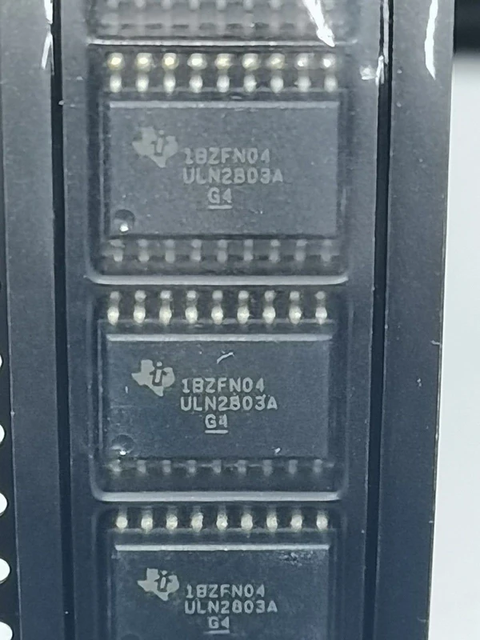
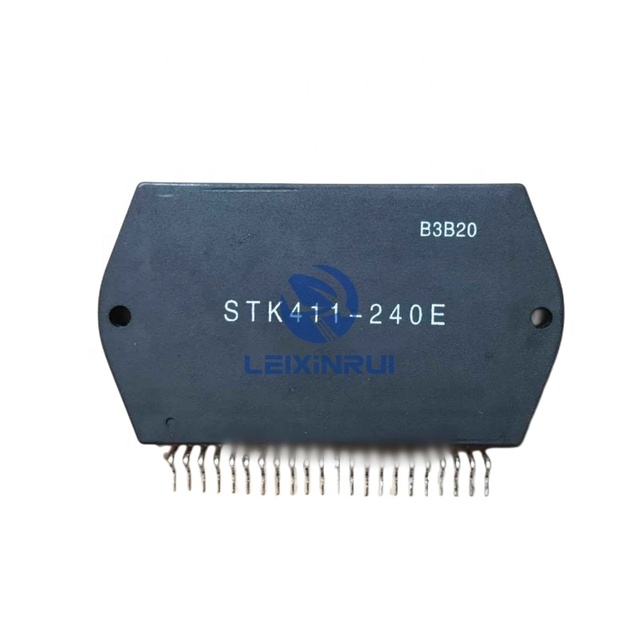
Shenzhen Leixinrui Electronics Co., Ltd.
Provides e-commerce design services
Inspection of all products
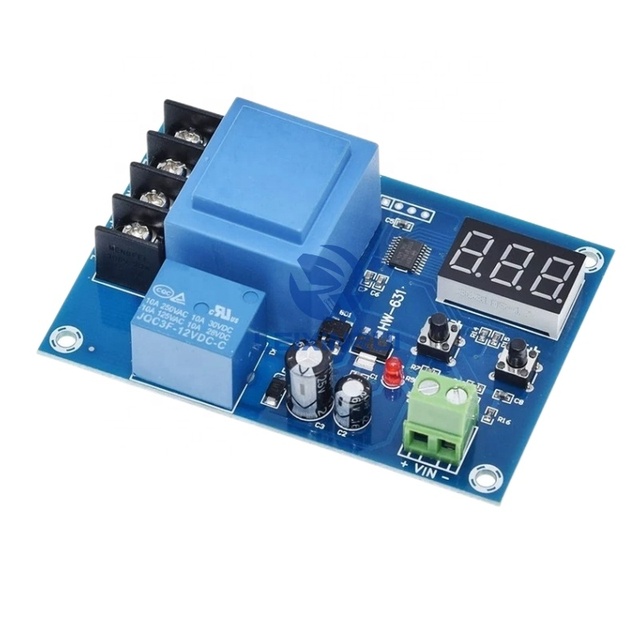
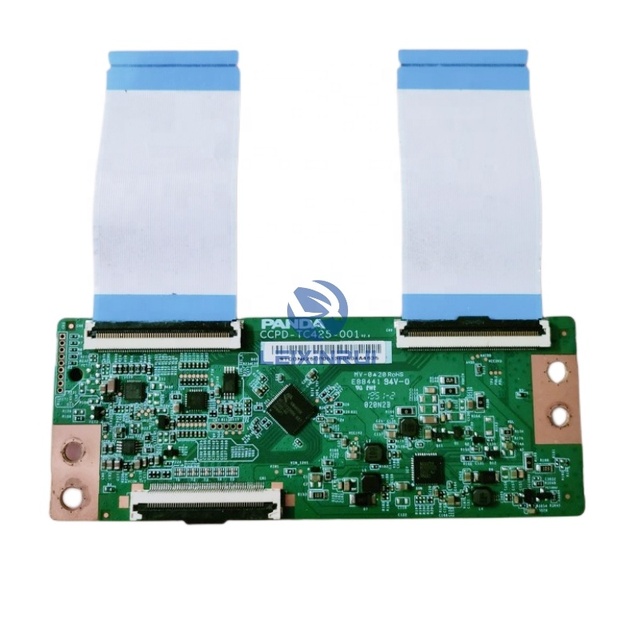

Shenzhen Dianxian Technology Co., Ltd.
Provides e-commerce design services
Inspection of all products
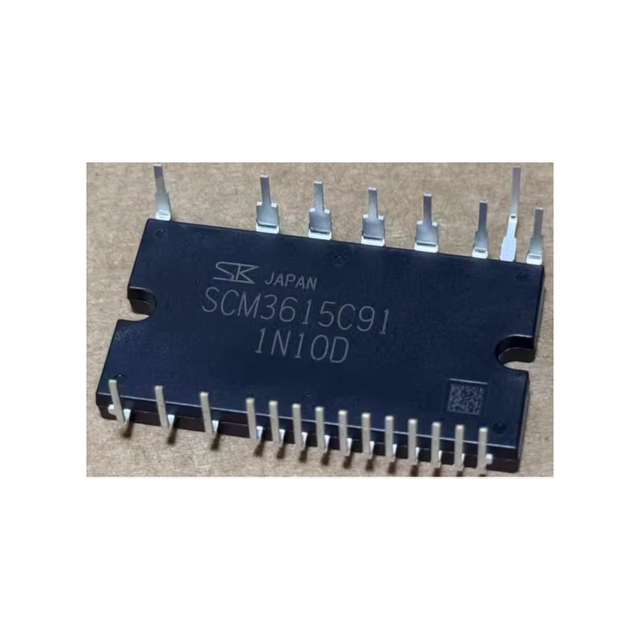
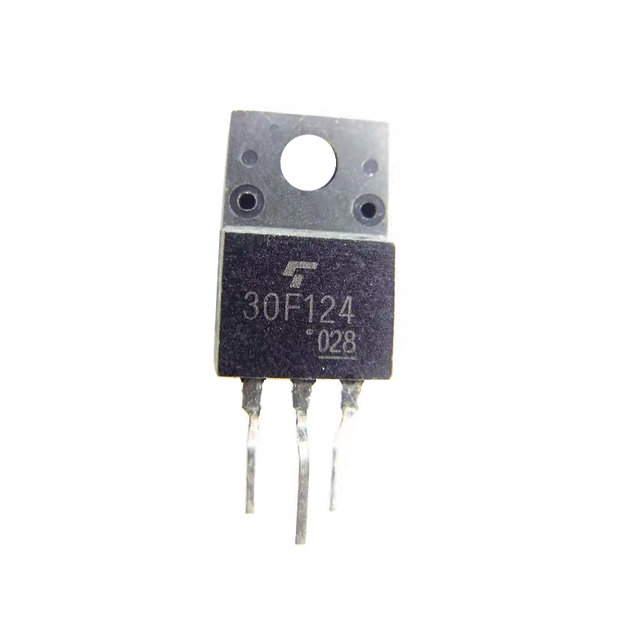
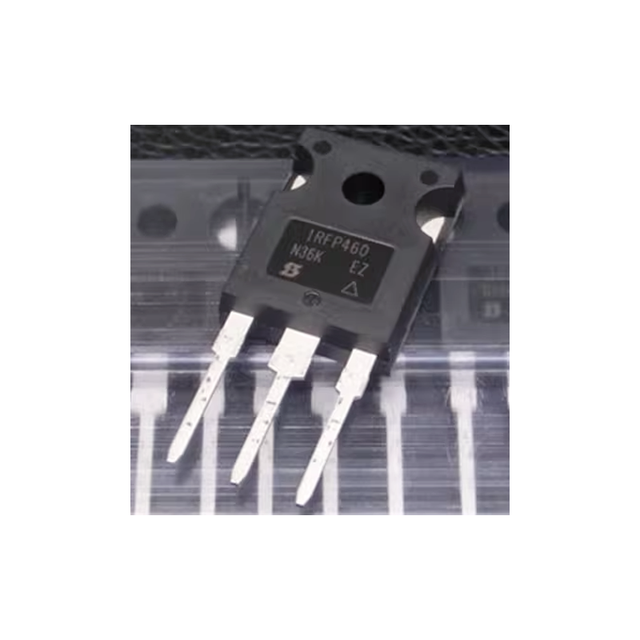

Shenzhen Sinosky Electronics Co., Ltd.
Provides e-commerce design services
Recommended supplier for ICs

Shenzhen Dahongxing Electronics Co., Ltd.
Provides e-commerce design services
Inspection of all products
Related Searches
Explore more sourcing topics & related categories
Sources & References
28 sources cited · Verified industry data & reports
2026 Semiconductor Industry Outlook | Deloitte Insights
www.deloitte.com
TrendForce, “Rising memory prices weigh on consumer markets; 2026 smartphone and notebook outlook revised downward, says TrendForce,” press release, Nov. 17, 2025. WSTS, “Global semiconductor market show continued growth in Q2 2025,” press release, Aug. In 2026, despite soaring sales, the chip industry may focus on managing risks, building integrated systems, and balancing investments Based on Deloitte’s analysis of articles from multiple third-party sources, including Semiconductor Engineering, The Wall Street Journal, Forbes, and Seeking Alpha, published during the second half of 2025 and the first quarter of 2026. Josh You and David Owen, “How much power will frontier AI training demand in 2030?” Epoch AI, Aug. 11, 2025. Duncan Stewart, Karthik Ramachandran, Prashant Raman, and Ariane Bucaille, “Rising trends: The new and next technologies worth putting on your radar,” Deloitte Insights, Nov. Karthik Ramachandran, Duncan Stewart, Jeroen Kusters, Deb Bhattacharjee, Girija Krishnamurthy, and Jan Nicholas, “TMT Predictions 2026: New technologies and familiar challenges could make semiconductor supply chains more fragile,” Deloitte Insights, Nov. 18, 2025. ... Reuters, “Exclusive: Nvidia considers increasing H200 chip output due to robust China demand, sources say,” Dec. 15, 2025. TrendForce, “Memory industry to maintain cautious capex in 2026, with limited impact on bit supply growth, says TrendForce,” press release, Nov.
Semiconductor Market Outlook: Key Trends and Challenges in 2026
expertnetworkcalls.com
The semiconductor industry forms the foundation and is the driver of data centers, AI, autonomous vehicles and other rising technology trends, and as such, it had a strong 2024, with the market projected to grow to over US$1 trillion in 2030, from the current US$627 billion according to both Deloitte’s 2025 global semiconductor industry outlook and PwC’s 2026 global semiconductor industry outlook. Nevertheless, semiconductor supply chains operated well in 2024, and currently there is no reason to believe that 2025 has been any less resilient although there is always a risk, which brings us to the next aspect – sustainability. According to TechInsights' Global Semiconductor Carbon Emissions Forecast (2025-2030), production-related emissions are expected to reach 277 million metric tons of CO2 equivalent in 2030, with AI accelerators alone accounting for a 300% rise between 2025 and 2029. TSMC has announced its goal to reach net-zero emissions by 2050 and zero emissions growth by 2025 (returning to 2020 levels). Intel has pledged net-zero operations by 2040 and to reach 100% renewable energy usage for all its international activities by 2030. Samsung has set a goal to lower water level usage to 2021 levels in 2030, recycle 99.9% of waste by 2030, and reach net-zero emissions by 2050. ● While experts from IDTechEx expect global water consumption in semiconductor manufacturing to double by 2035, GlobalFoundries (a multinational semiconductor manufacturing and design company) managed to achieve 98% wastewater recycling in 2024 using advanced filtration.
IDC - Semiconductor Market Forecast 2026: The AI Supercycle Arrives
www.idc.com
Source: IDC Semiconductor & Semiconductor Applications Forecast, April 2026. A = Actual, E = Estimate, F = Forecast. The single most consequential shift in the semiconductor market is the emergence of AI infrastructure as a structurally dominant end market. What began as a cyclical uplift in data center spending has evolved into a self-reinforcing investment cycle that is reshaping demand patterns across the semiconductor value chain. Hyperscale capital expenditure exceeded $100 billion for the first time in Q3 2025, and the i4 are expected to increase capex by 70% year over year to approximately $600 billion in 2026. If you want to understand what’s really happening in semiconductors right now, start with memory. Total memory revenues rise from $226 billion in 2025 to $594.7 billion in 2026, and then to $790.4 billion in 2027. NAND Flash revenues are forecast to reach $174.1 billion in 2026, up 138.5% from 2025. AI infrastructure is again the dominant driver, with demand coming from training datasets, checkpoint storage, and high-performance inference environments. Unlike DRAM, the NAND market is seeing broader repricing. Enterprise SSD prices have surged as hyperscalers secure supply, which is tightening availability across consumer and OEM channels. While AI infrastructure dominates the headlines, the broader semiconductor market is facing a more nuanced environment. Total semiconductor revenues are forecast to reach $1.29 trillion in 2026, up 52.8% year over year from $842.8 billion in 2025.
Hiding in plain sight: The underestimated size of the semiconductor ...
www.mckinsey.com
This segment now accounts for more value than leading-edge nodes, but that situation will likely begin reversing in 2026. Many companies offer advanced and mature nodes, highlighting the need for a strong growth strategy to stand out from the pack. Across these three segments, trends in wafer sales volume and ASP could take different directions (see sidebar “Trends in wafer growth”). Our estimate of the semiconductor industry’s value, as well as the prospect of uneven growth, suggests that companies may be underestimating both the challenges and opportunities ahead. Our estimated CAGR for the semiconductor market from 2024 to 2030 is 13 percent, but growth will vary significantly by segment: For nonmemory devices, the projected CAGR for leading-edge nodes is 22 percent. Demand for 3 nanometer (nm) nodes is expected to rise 25 percent, while demand for 5 nm and 7 nm nodes will fall. For 2 nm nodes, which just became available in 2025, demand is expected to soar 136 percent through 2030. Semiconductor revenue. We examined analyst consensus revenue estimates for the top 20 semiconductor companies from 2025 to 2027. A new McKinsey analysis suggests that the semiconductor industry is poised for record-breaking growth—but for companies, success will require the right segment-specific strategies. ... Market analysts may disagree about specific trends and forecasts, but they typically share the same optimistic attitude about the semiconductor market.
Semiconductor and beyond Global semiconductor industry outlook 2026
www.pwc.com
Analyze the semiconductor market demand by application, the growth rate of each market, and the change in the proportion of · semiconductors as part of the total cost to assess the demand intensity for semiconductors by 2030 ... As a backbone and enabler of data centers, AI, autonomous vehicles, smartphone and further emerging technological trends, the global semiconductor market is 1) Semiconductor content by autonomous levels was estimated using a bottom-up approach, aggregating component costs and market data by automation · stage. These estimates may vary depending on future autonomous vehicle pricing trends and market conditions; 1) The X-axis shows the compound annual growth rate (CAGR) of the semiconductor market in this end-market (’24-’30), the Y-axis indicates the compound annual growth rate in the proportion · of semiconductors in the Cost of Goods Sold (COGS) (’24-’30), and the size of the squares represents the expected size of the semiconductor market (’30F). Semiconductors are indispensable in today's world, driving strong, evolving market demand due to rapid
Semiconductor Industry Outlook 2026: Snapshot | StartUs Insights
www.startus-insights.com
This report examines the market’s scale, capital flows, innovation signals, and strategic constraints shaping semiconductor competition through 2026 and beyond. AI CHIPSINDUSTRY REPORTSEMICONDUCTOR REPORTATOMIC LAYER DEPOSITIONSEMICONDUCTOR MARKET OUTLOOKWAFER-LEVEL PACKAGINGSEMICONDUCTOR INDUSTRY OUTLOOK · SIA reports global semiconductor sales of USD 791.7 billion in 2025, which was a 25.6% year-over-year increase. It also flags that 2026 annual sales are projected to reach roughly USD 1T worldwide, which reframes 2026 as a scale-and-capacity year. Gartner estimates worldwide semiconductor revenue will reach USD 793B in 2025 (+21% YoY), and quantifies concentration signals. Gartner further reports that HBM surpassed USD 30B in sales in 2025 and represented 23% of the DRAM market. Gartner’s 2025 vendor table shows the top vendor (NVIDIA) at 15.8% market share, with Others (outside the top 10) still at 37.6% (global, vendor concentration). That combination supports a high concentration at the top, a long tail still large market structure framing. On the supply side, SEMI forecasts global 300mm fab capacity reaching 9.6 million wafers per month in 2026. This represents 7% year-over-year growth. Moreover, as semiconductor nodes shrink, the number of mask layers per wafer rises from about 40 at 65 nm to as many as 110 at advanced 5 nm and 3 nm nodes. In market-outlook terms, SIA reports USD 791.7 billion in global semiconductor sales in 2025 and highlights where growth actually landed by product. Logic sales rose 39.9% to USD 301.9 billion in 2025, while memory sales rose to USD 223.1 billion.