Xiomi Mi 5

Overview
Product sourcing insights & recommendations


The Xiaomi Mi 5, originally launched in April 2016, has transitioned from a groundbreaking flagship to a historical milestone in Xiaomi's device lineage. As of September 2026, it is primarily viewed as a "vintage" or legacy device, maintained by a niche community of tech enthusiasts and custom ROM developers. GsmarenaDigitalcitizen
Product Overview & Key Specifications
At its peak, the Mi 5 was renowned for offering top-tier hardware at a disruptive price point. Its core identity was defined by:
* Performance: Powered by the Snapdragon 820 chipset, it set the standard for 2016 flagships. GsmarenaDigitalcitizen
* Design: A lightweight (129g) build featuring a 3D glass or ceramic back, which remains a signature aesthetic for Xiaomi's high-end series today. Gsmarena
* Imaging: A 16MP Sony sensor with 4-axis Optical Image Stabilization (OIS), a feature that was exceptionally rare at its price level during launch. GsmarenaMi
* Display: A 5.15-inch Full HD display with high brightness (600 nits), optimized for one-handed use. MiDigitalcitizen
Market Trends & Lifecycle Insights (2016–2026)
The market lifecycle of the Mi 5 reflects a unique trajectory in the smartphone industry:
* Historical Peak (2016–2017): Search interest peaked in February 2016 (index of 45), driven by its reputation as a "flagship killer."
* Resurgence & "Second Life" (2025–2026): In a rare feat for decade-old hardware, Google Trends data shows a significant spike in interest during August 2025 and April 2026. This is largely attributed to the device's compatibility with Android 15 via custom ROMs and the January 2026 security patches provided by the enthusiast community. Digitalcitizen
* Current Commercial Value: In the 2026 B2B and second-hand markets, original Mi 5 units are scarce. Refurbished rates for similar legacy Xiaomi models range from $30 to $85, contrasting sharply with modern flagships that now exceed $1,000. Alibaba Commercial listings on platforms like Alibaba now focus more on newer Redmi series or modern 5G flagships, as the Mi 5's hardware (4G-only) limits its utility as a primary daily driver in 2026.
Legacy Impact
The Mi 5's primary insight for 2026 is its role in establishing Xiaomi's hardware design language and its enduring popularity among power users who prioritize device longevity through open-source software. It remains a case study in how premium build quality and high-end chipsets can extend a product's search relevance well beyond its official manufacturer support cycle. Digitalcitizen
The current market analysis for the Xiaomi Mi 5 highlights its shift towards a legacy and enthusiast-focused device. You might be interested in:
Second Hand Xiaomi Mi 5 Mobile Phone Wholesale
Products · 2 lists
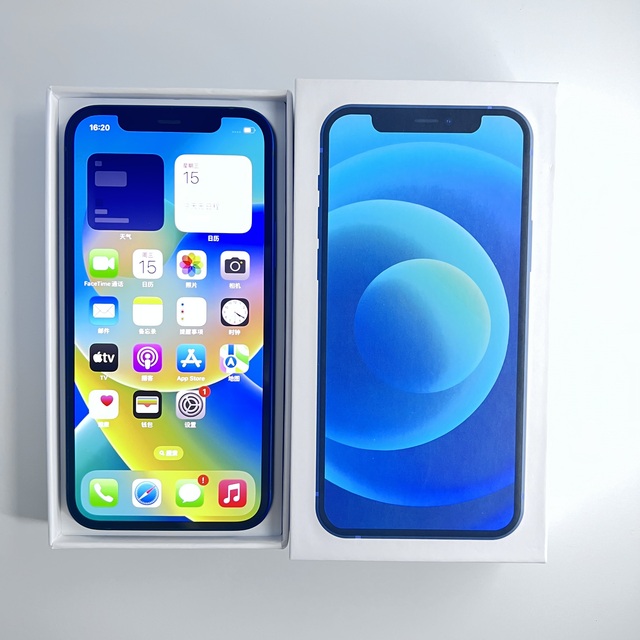
Used iphone 12 Used 5G 128GB A14 CPU 4GB RAM 6.1" Screen Clear IMEI Wholesale Bulk Second Hand Mobile Phones
 MIDSUMMER INTERNATIONAL LIMITEDverified🇭🇰HK1 yr
High Quality Original Used Smart Mobile Phones Cheap Excellent Condition Wholesale Mobile Phones iPhone 11 Pro
 Shenzhen Waley Technology Co., Ltd.🇨🇳CN4 yrs
Related Searches
Explore more sourcing topics & related categories
Sources & References
23 sources cited · Verified industry data & reports
Xiaomi Mi 5 - Full phone specifications
GSMArena.com
Xiaomi Mi 5 Android smartphone. Announced Feb 2016. Features 5.15″ display, Snapdragon 820 chipset, 16 MP primary camera, 4 MP front camera, ...
Xiaomi Mi 5
Wikipedia
The Xiaomi Mi 5 has a 5.15-inch 1080p screen, a Snapdragon 820 processor, a 3,000-mAh battery and a Sony Exmor IMX 16-megapixel camera. The standard version has ...

Mi 5 Specification - Mi India
Xiaomi
Mi 5 ; Snapdragon 820: Flagship processor ; 3000mAh(typ): High density battery ; 16MP: 4-axis OIS camera ; 13.08cm (5.15): Ultra-bright display ; 4G dual SIM: VoLTE ...

Xiaomi Mi 5 Phone Price, Specs, Comparison and Reviews ...
Gadgets 360
Display 5.15-inch (1080x1920) Processor Qualcomm Snapdragon 820 Front Camera 4MP Rear Camera 16MP RAM 3GB Storage 32GB Battery Capacity 3000mAh OS Android 6.0

Can anyone tell me what are the XIAOMI MI5 features?
Quora
Can anyone tell me what are the XIAOMI MI5 features?
Xiaomi Mi5 Price and Features - Mi India
Xiaomi
5.15 inch HD display, Snapdrago 820 CPU, 16MP Sony camera and 3000mAh. Snapdragon 820 / 3GB RAM / 32GB UFS 2.0 Flash 4-axis OIS camera / 3D glass body From ₹ 5 ...