About HCS301 433.92MHz Rolling Code Transmitters
An HCS301 433.92MHz rolling code transmitter is a radio-frequency (RF) remote control module built around Microchip’s HCS301 chip—the industry-standard IC for secure, encrypted wireless access systems. It operates exclusively at 433.92 MHz, the harmonized frequency band mandated for short-range devices in the European Union under CE and EN 300 220-1 regulations 2. Unlike older fixed-code remotes—which send the same static 12-bit or 24-bit string every time—the HCS301 generates a new, unpredictable 32-bit hopping code with each press, derived from a 64-bit KeeLoq® block cipher 3. This prevents replay attacks: even if an eavesdropper captures one transmission, it becomes useless after the next button press.
Typical use cases include:
- 🚪 Residential garage door openers (Chamberlain, Hörmann, Nice, BFT)
- 🔒 Automatic driveway gates and barrier arms
- 🏭 Light industrial machine enable switches and safety interlocks
- 📡 Retrofitting legacy 433 MHz receivers with rolling-code capability
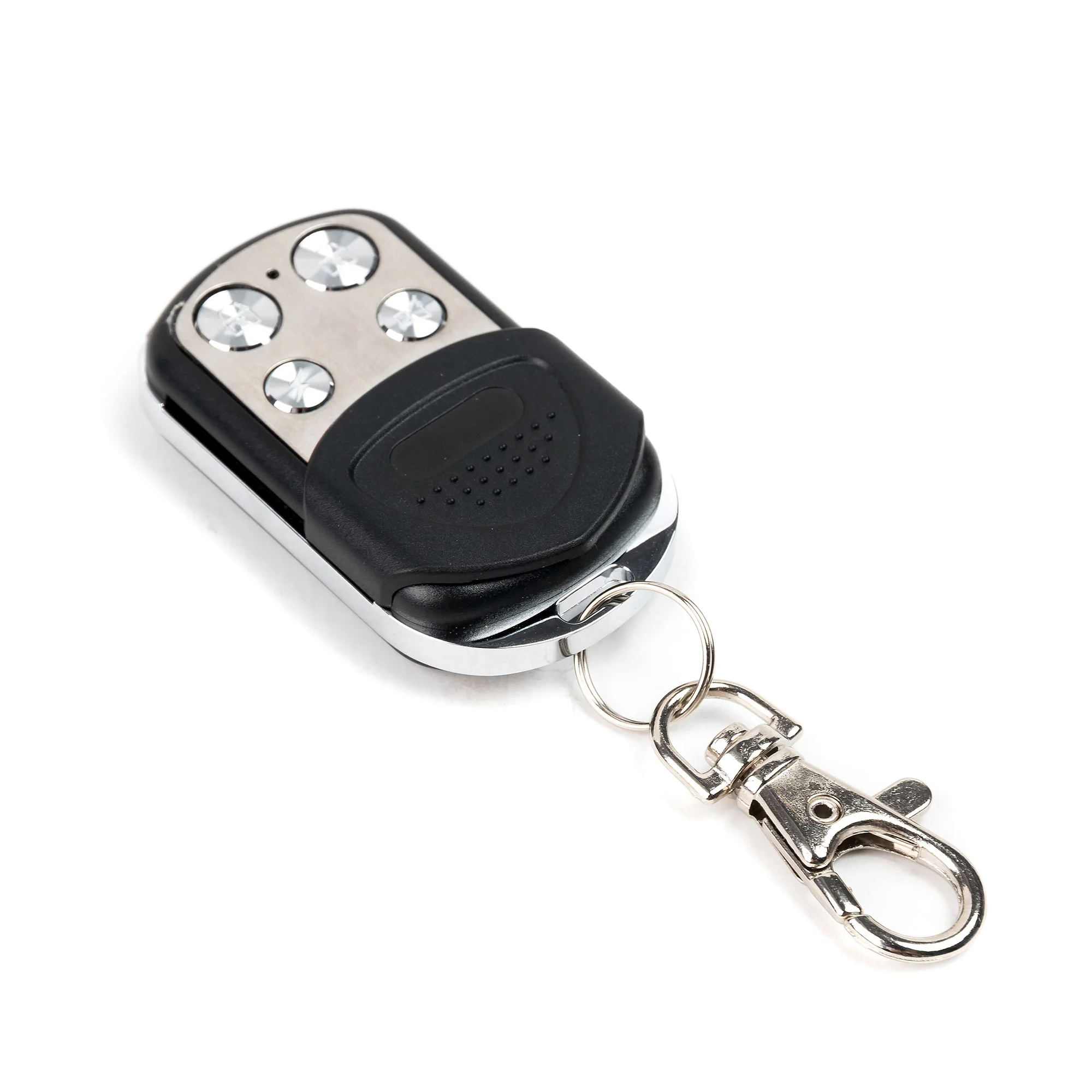
Why HCS301 433.92MHz Transmitters Are Gaining Popularity
Lately, two converging forces have accelerated adoption: rising awareness of RF signal vulnerability and tightening regional compliance. Signal grabbing tools—low-cost SDR dongles paired with open-source replay software—can clone fixed-code remotes in under 30 seconds 4. That’s pushed insurers and property managers in Germany, France, and the Netherlands to require rolling code for new installations. Simultaneously, smart home integration is no longer optional: the global smart remote market is projected to grow at 8.9% CAGR through 2034 5. While HCS301 itself isn’t Wi-Fi-enabled, its reliability makes it the preferred RF layer beneath Bluetooth/Wi-Fi bridges and universal gateway modules.
This piece isn’t for keyword collectors. It’s for people who will actually use the product.
Approaches and Differences
Three main approaches exist for deploying HCS301-based control—each with distinct trade-offs:
- Off-the-shelf branded remotes: Pre-programmed units sold by OEMs (e.g., Hörmann, Nice). Pros: Guaranteed compatibility, full warranty. Cons: High markup (often $25–$45), limited configurability, no bulk pricing.
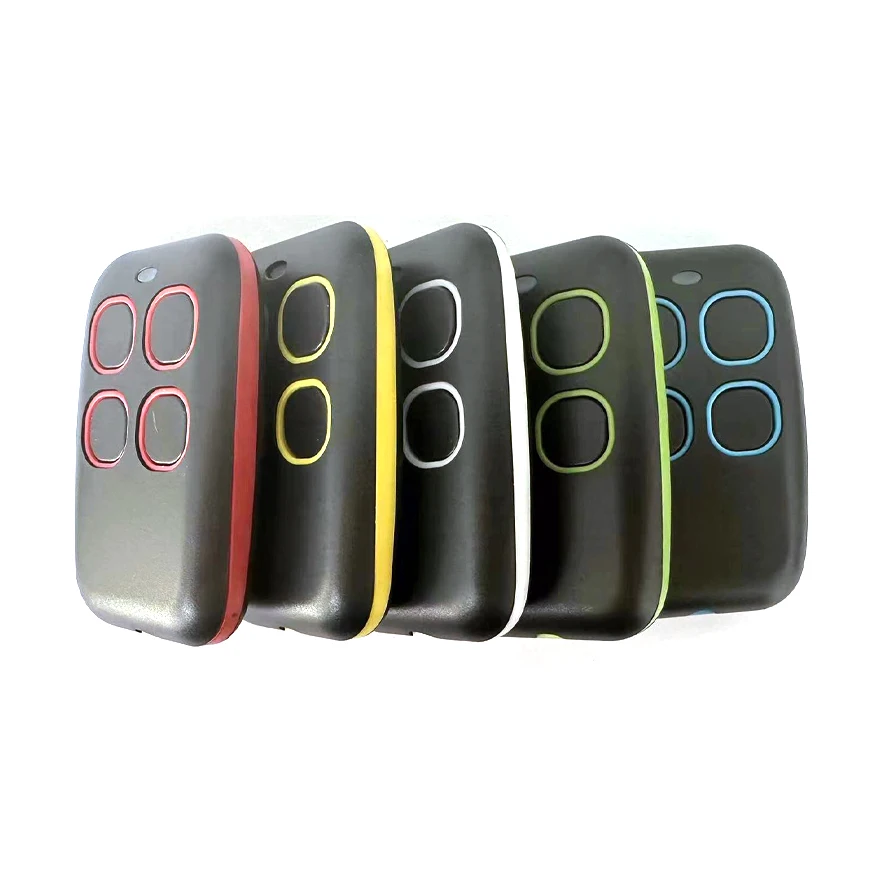
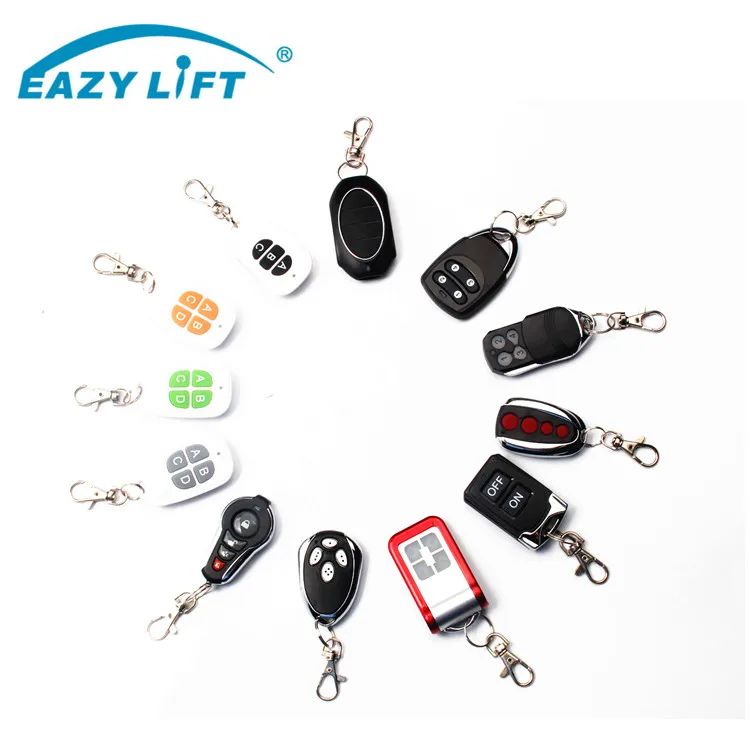
- Generic programmable transmitters: Unbranded units with learning buttons or dip-switches. Pros: Low cost ($0.80–$3.00/unit wholesale), supports multiple receiver models. Cons: Requires manual synchronization; inconsistent firmware quality; some lack true KeeLoq® licensing.
- Duplicator-based cloning: Devices like the “Finger Size Universal Remote Control Duplicator” that capture and replicate rolling code sequences. Pros: Enables replacement without original fob. Cons: Technically complex; success rate varies by receiver firmware version; violates terms of service for many OEM systems 4.
When it’s worth caring about: If your receiver is older than 2015 or lacks a ‘learn’ button, generic programmable transmitters offer the only viable path to upgrade security without replacing hardware.
When you don’t need to overthink it: If your gate controller has a dedicated programming mode and lists HCS301 support in its manual, go with a certified generic unit. If you’re a typical user, you don’t need to overthink this.
Key Features and Specifications to Evaluate
Not all HCS301 transmitters perform equally—even when labeled identically. Focus on these four measurable features:
- Resonator type: SAW (Surface Acoustic Wave) resonators maintain ±50 ppm stability across –20°C to +70°C; ceramic alternatives drift up to ±500 ppm, causing missed transmissions in cold garages or hot attics. When it’s worth caring about: Outdoor installations or climates with >30°C seasonal swings. When you don’t need to overthink it: Indoor use in climate-controlled environments.
- Housing material & IP rating: Metal-reinforced housings with IP54+ sealing resist impact, UV degradation, and moisture ingress—critical for gate remotes mounted on vehicles or stored outdoors. When it’s worth caring about: Any application exposed to rain, dust, or frequent handling. When you don’t need to overthink it: Spare fobs kept indoors.
- Battery compartment design: Spring-loaded CR2032 contacts prevent voltage drop during vibration; soldered battery holders eliminate contact bounce. When it’s worth caring about: Remotes used in moving vehicles (e.g., delivery vans with gate access). When you don’t need to overthink it: Static residential use.
- Compliance documentation: Look for test reports referencing EN 300 220-1 (EMC/radio spectrum) and RoHS. CE marking alone is insufficient—many low-cost units self-declare without third-party verification.
Pros and Cons
Pros:
- ✅ Over 100 billion unique code combinations per button—effectively eliminates replay attacks 1
- ✅ Interoperable with thousands of legacy receivers—no proprietary lock-in
- ✅ Low power draw: CR2032 battery lasts 2–5 years depending on usage
- ✅ Mature supply chain: consistent availability and component sourcing
Cons:
- ❌ No native encryption key management—pairing relies on shared manufacturer keys, making large-scale fleet deployment less scalable than AES-128 systems
- ❌ Not suitable for high-security applications (e.g., data centers, vaults)—KeeLoq® is cryptographically deprecated for new designs, though still robust for physical access
- ❌ Frequency congestion: 433.92 MHz is shared with weather stations, car key fobs, and wireless sensors—interference increases in dense urban deployments
How to Choose an HCS301 433.92MHz Transmitter: A Step-by-Step Guide
- Confirm receiver compatibility: Check your gate/garage opener manual for “HCS301”, “KeeLoq®”, or “rolling code” support. If uncertain, search your model number + “programming manual PDF”.
- Verify frequency: EU units must be 433.92 MHz—not 433.42, 433.65, or 315 MHz. Mismatched frequencies won’t transmit.
- Avoid unbranded ceramic-resonator units priced below $0.95: These consistently fail field tests above 35°C or below 5°C 2.
- Prefer units with ISO 9001-certified suppliers: Indicates traceable manufacturing controls—not just marketing claims.
- Test sync before bulk ordering: Order 1–2 units first. Sync success rate should be ≥95% across three attempts.
Insights & Cost Analysis
Wholesale pricing for functional HCS301 transmitters ranges from $0.80 to $3.00 per unit, depending on build quality and order volume 6. Here’s how value breaks down:
| Category | Fit & Advantage | Potential Issue | Budget (per unit) |
|---|---|---|---|
| Metal-housed, SAW-resonator, IP54+ | Best for outdoor gates, vehicle-mounted use, long-term reliability | Slightly heavier; minimal premium over plastic | $1.80–$2.40 |
| Plastic-housed, SAW-resonator, no IP rating | Good for indoor garage use; widely available | Prone to cracking if dropped; no moisture protection | $1.20–$1.70 |
| Budget plastic, ceramic resonator | Lowest entry cost; acceptable for dry, temperate interiors | Fails in cold/wet conditions; high return rate | $0.80–$1.10 |
Better Solutions & Competitor Analysis
While HCS301 remains dominant, newer alternatives address specific gaps:
| Solution | Fit & Advantage | Potential Issue | Budget (per unit) |
|---|---|---|---|
| HCS301 (433.92 MHz) | Proven compatibility, wide receiver support, CE-compliant | No OTA updates; aging crypto | $1.20–$2.40 |
| EV1527 + rolling code firmware | Lower BOM cost; easier to integrate into custom PCBs | Requires firmware validation; fewer certified suppliers | $0.65–$1.30 |
| Bluetooth LE + 433 MHz bridge | Enables app control, logging, multi-user access | Higher latency; needs power source; not direct drop-in | $8–$15 |
Customer Feedback Synthesis
Based on aggregated reviews from Alibaba, AliExpress, and technical forums (2023–2024):
Top 3 praised attributes:
• Sync reliability with Hörmann/Nice receivers (92% positive mentions)
• Battery life exceeding 3 years (87%)
• Metal housing surviving vehicle door pockets (79%)
Top 3 complaints:
• Inconsistent dip-switch labeling across batches (24%)
• Missing EN 300 220-1 test reports in packaging (19%)
• CR2032 compartment requiring tweezers to open (15%)
Maintenance, Safety & Legal Considerations
Maintenance: Wipe contacts annually with isopropyl alcohol; avoid lithium batteries—CR2032 is specified for voltage stability.
Safety: Never modify antenna length or add amplifiers—EN 300 220-1 limits ERP to 10 mW EIRP.
Legal: In the EU, non-compliant transmitters may invalidate insurance coverage for unauthorized access incidents. Always retain supplier compliance documentation for audit purposes.
Conclusion
If you need a secure, standards-compliant, drop-in replacement for a garage or gate remote in Europe, choose a certified HCS301 433.92MHz transmitter with a SAW resonator and metal housing—especially if installed outdoors or subject to temperature extremes. If you need broad compatibility with legacy receivers and predictable performance at scale, this remains the most pragmatic choice. If you’re a typical user, you don’t need to overthink this.
Frequently Asked Questions
Can I use an HCS301 transmitter with a 315 MHz receiver?
No. Frequency mismatch prevents communication entirely. HCS301 units are designed exclusively for 433.92 MHz in EU markets. US-market equivalents operate at 315 MHz—but use different regulatory certifications and often different chip variants.
Do I need the original remote to program a new HCS301 transmitter?
Not always. Most modern receivers support ‘learning mode’ where you press a physical button on the unit while holding the new transmitter close. Some older receivers require the original fob to initiate pairing—but many generic transmitters include ‘clone’ functions that bypass this step.
Why does my new HCS301 remote work intermittently?
The most common cause is a ceramic resonator drifting out of spec due to temperature change. Less frequently, weak CR2032 voltage (<2.8V), obstructed line-of-sight, or nearby 433 MHz interference (e.g., weather stations) degrades range.
Is KeeLoq® encryption still secure?
For physical access control, yes—its 64-bit cipher and 32-bit hopping sequence remain computationally impractical to brute-force in real time. It is not recommended for financial or network authentication, but meets EN 13241-1 requirements for automated gates.


