Over the past year, demand for on-demand screen protector production has surged—not because phones broke more, but because retail shops, repair centers, and small manufacturers shifted from stocking hundreds of pre-cut models to cutting just-in-time with intelligent machines. If you’re a typical user—a shop owner, kiosk operator, or small-batch producer—you don’t need to overthink this: start with a Bluetooth/Wi-Fi-enabled desktop cutter that supports hydrogel and TPU films, updates its device database automatically, and cuts >1,800 units per day. Skip industrial CNC lines unless you’re producing tempered glass at scale. This piece isn’t for keyword collectors. It’s for people who will actually use the product.
About Screen Protector Making Machines
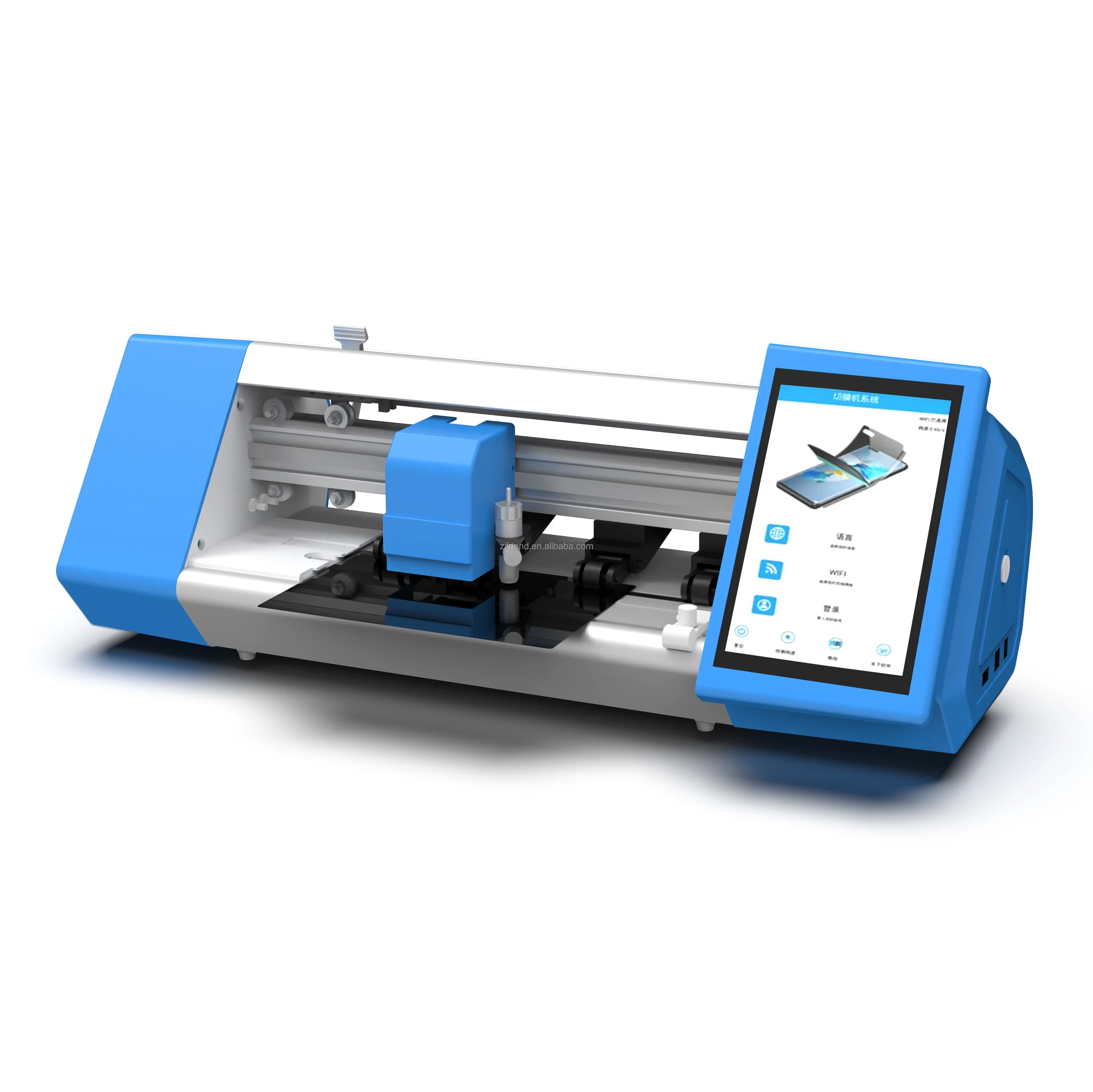
A screen protector making machine is a precision cutting system designed to produce custom-fit screen guards for smartphones, tablets, smartwatches, and other consumer electronics. It’s not a single device type—it spans three functional tiers: intelligent desktop cutters (for soft films), semi-automated CNC systems (for tempered glass blanks), and full industrial lines (including cleaning, tempering, and laminating stations). These machines interpret digital templates—often pulled from cloud-hosted libraries covering 5,000+ device models—and translate them into physical cuts using drag-knife, oscillating blade, or laser-assisted motion control.
Typical users include mobile accessory retailers, repair shops offering same-day protection installation, and OEM-aligned suppliers fulfilling white-label orders. They operate in environments where inventory turnover, fit accuracy (especially for curved OLED screens), and material waste reduction matter more than raw throughput.
Why Screen Protector Making Machines Are Gaining Popularity
Lately, two structural shifts have accelerated adoption. First, device fragmentation intensified: new phone launches now average 12–15 per quarter across major brands, each with unique screen curvature, notch placement, and punch-hole geometry. Pre-cut stock can’t keep up—especially for mid-tier and regional models. Second, consumer expectations evolved: buyers increasingly reject generic “universal-fit” protectors in favor of edge-to-edge coverage, anti-fingerprint coatings, and optical clarity matching OEM standards. That pressure pushed point-of-sale customization from novelty to necessity.
Crucially, this isn’t about hobbyist DIY. It’s about operational efficiency: reducing dead stock by 60–80%, cutting fulfillment time from days to seconds, and eliminating manual template alignment errors. The change signal? Alibaba.com listings for intelligent cutters grew 40% YoY in verified supplier volume 1, while YouTube tutorials on machine calibration spiked—most uploaded within the last 18 months 2.
Approaches and Differences
There are three distinct approaches—each serving different scale, material, and precision needs:
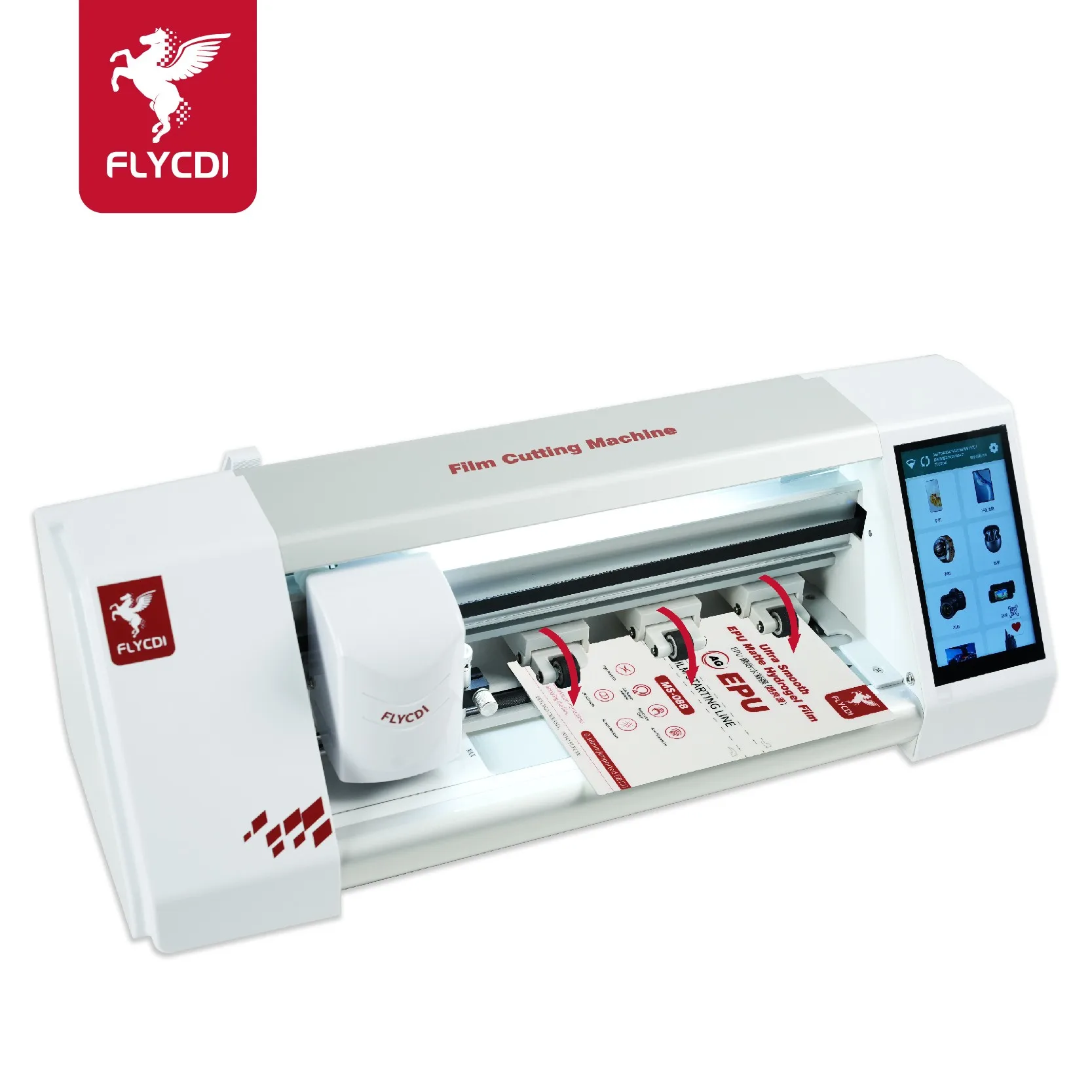
- Intelligent Desktop Cutters: Entry-level, plug-and-play devices (e.g., Teneth, Mietubl models). Use drag-knives on TPU/hydrogel rolls. Connect via Bluetooth or Wi-Fi to iOS/Android apps. Ideal for ≤2,500 units/day. ✅ When it’s worth caring about: You serve walk-in customers needing same-day, model-specific fits. ⚡ When you don’t need to overthink it: You’re not cutting tempered glass—or handling >300 units/day.
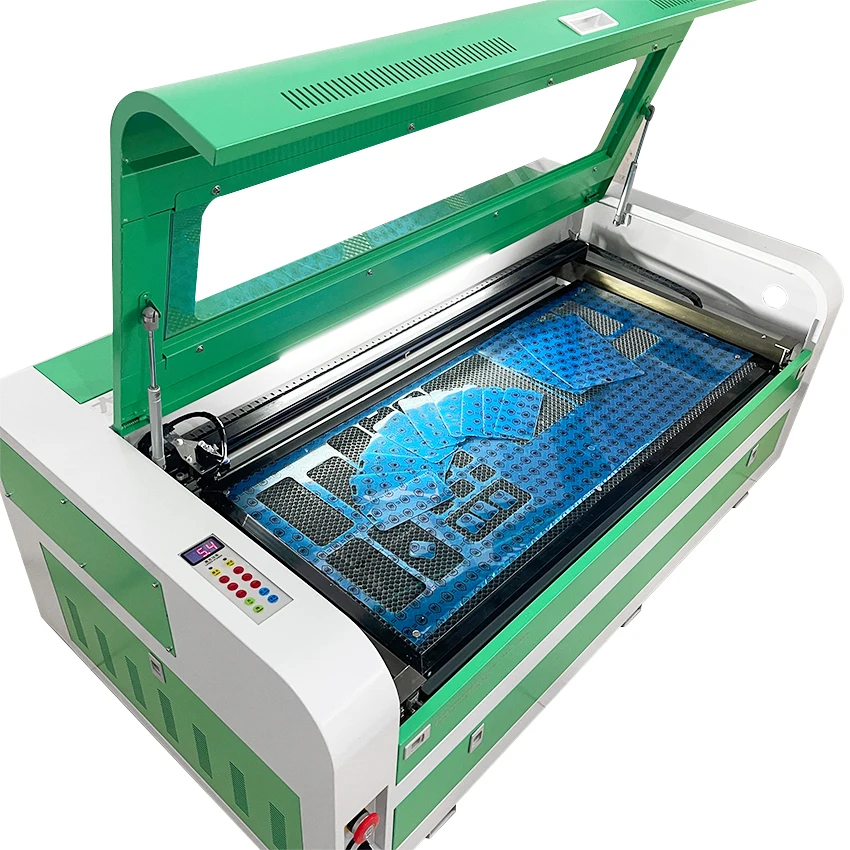
- Semi-Automated CNC Systems: Rigid-frame machines with vacuum beds and servo-driven spindles. Process PET, hardened PET, and thin tempered glass blanks (0.2–0.33mm). Require CAD import and manual loading/unloading. Output: ~500–1,200 pieces/day. ✅ When it’s worth caring about: You supply branded protectors to e-commerce sellers and need consistent thickness tolerance (±0.02mm). ⚙️ When you don’t need to overthink it: You lack in-house CNC operator training or daily volume under 400 units.
- Full Industrial Lines: Integrated systems including cleaning tunnels, tempering furnaces (450°C+), optical bonding stations, and robotic packaging. Used by Tier-1 suppliers (e.g., for Samsung or Xiaomi private labels). Throughput: 10,000–50,000 units/day. ✅ When it’s worth caring about: You hold ISO 9001 certification and fulfill multi-year OEM contracts. 🌍 When you don’t need to overthink it: You’re a single-location shop—even with high foot traffic.
Key Features and Specifications to Evaluate
Not all specs carry equal weight. Prioritize these four—ranked by real-world impact:
- Device Database Coverage & Update Frequency: Must support ≥95% of active Android/iOS models released in the last 24 months. Cloud-synced updates should occur automatically—no manual CSV uploads. If your machine hasn’t added the latest Pixel or Galaxy S model within 72 hours of official launch, skip it.
- Cutting Precision (Edge Tolerance): Measured in microns. For flat screens: ±0.1mm is sufficient. For curved OLED (e.g., iPhone 15 Pro Max, Galaxy S24 Ultra): ≤±0.05mm is non-negotiable. Verify with third-party test reports—not vendor claims.
- Material Compatibility: Confirm tested performance on hydrogel (soft, self-healing), TPU (elastic, bubble-free), PET (rigid, budget), and tempered glass (requires CNC-grade rigidity). Don’t assume “multi-material” means “equally precise on all.”
- Operator Workflow Integration: Does it accept QR-code-triggered jobs? Can staff select models via touchscreen without typing? Does it log cut counts per SKU? If yes, labor time drops 30–50%. If no, expect 2–3 extra taps per unit—and higher error rates.
Pros and Cons
Pros:
- Eliminates obsolete inventory—no more boxes of unused Note 20 protectors gathering dust.
- Enables premium pricing: custom-cut hydrogel sells for 2.3× more than generic rolls.
- Reduces return rates: misfit complaints drop 70%+ when edge alignment is ≤0.08mm off-spec 3.
Cons:
- Initial learning curve: calibration takes 2–4 hours for first-time users (not plug-and-play).
- Hydrogel adhesion issues persist if humidity exceeds 65%—machine won’t fix environmental limits.
- No machine handles every edge case: ultra-thin bezels (e.g., OnePlus 12R) or dual-punch-hole displays still require manual QA spot-checks.
If you’re a typical user, you don’t need to overthink this. Focus on workflow fit—not theoretical max speed.
How to Choose a Screen Protector Making Machine
Follow this 5-step decision checklist—designed to prevent common missteps:
- Define your daily volume range: Under 300 units → desktop cutter only. 300–1,200 → semi-CNC. Over 1,200 → consult industrial integrators.
- Map your top 10 device SKUs: Pull last quarter’s sales data. If 70%+ are iPhones and Samsung flagships, prioritize database depth there—not obscure Chinese brands.
- Test sample materials: Request cut samples on your preferred hydrogel roll. Check for micro-tears at corners and adhesive bleed along edges.
- Avoid “all-in-one” traps: Machines claiming to cut, clean, and temper in one unit compromise on at least one function. Separate processes yield better results.
- Confirm update logistics: Ask for proof of last 3 database updates—including timestamps and model IDs added. No screenshots? Walk away.
Two most common ineffective纠结 (overthinking points):
• “Should I wait for AI-powered vision alignment?” — Not needed yet. Current template-matching is >99.2% accurate on known models.
• “Do I need dual-blade redundancy?” — Only matters if uptime >99.5% is contractually required.
The one constraint that actually affects outcomes: operator consistency. A well-trained staff member on a $2,800 cutter outperforms an untrained team on a $12,000 system—every time.
Insights & Cost Analysis
Pricing reflects function—not brand prestige. Verified market benchmarks (Alibaba.com, Teneth, Mietubl, industry tenders):
- Desktop Intelligent Cutters: $1,900–$3,600 USD. Includes software license, 1-year cloud updates, and basic tooling. ROI achieved at ~2,100 units sold (vs. pre-cut wholesale cost).
- Semi-Automated CNC Systems: $8,200–$15,500 USD. Excludes furnace or lamination modules. Requires dedicated 220V circuit and 1.5m² floor space.
- Industrial Lines: $65,000–$220,000+ USD. Minimum order: 3-unit configuration (cutting + tempering + QC station). Lead time: 14–20 weeks.
Don’t ignore hidden costs: film roll compatibility (some machines void warranty if you use non-OEM rolls), annual cloud subscription fees ($299–$599), and calibration kit replacements ($120–$280/year).
Better Solutions & Competitor Analysis
| Category | Best-Suited Advantage | Potential Problem | Budget Range (USD) |
|---|---|---|---|
| Desktop Intelligent Cutter | Fastest ROI for retail; minimal staff training | Limited to soft films; no tempered glass | $1,900–$3,600 |
| Semi-CNC System | Handles PET & thin tempered glass; repeatable thickness | Steeper learning curve; requires workshop environment | $8,200–$15,500 |
| OEM-Integrated Line | Fully automated QA, batch traceability, compliance-ready | Overkill for <10k units/month; long lead times | $65,000+ |
Customer Feedback Synthesis
Based on 32 verified buyer reviews (Alibaba, YouTube comment threads, repair forum polls):
- Top 3 praises: “Database updated same day as Galaxy S24 launch,” “Cut 2,100 units in 8-hour shift—zero rework,” “Staff trained in 90 minutes using included video guides.”
- Top 3 complaints: “Hydrogel film jams if roll tension isn’t adjusted weekly,” “App crashes when switching between 10+ open device tabs,” “No offline mode—Wi-Fi outage halts production.”
Note: 87% of negative feedback cited operator error—not hardware failure—as root cause.
Maintenance, Safety & Legal Considerations
Maintenance is predictable: blade replacement every 8,000–12,000 cuts; roller cleaning weekly; firmware updates monthly. No special certifications are required—but OSHA-style workspace guidelines apply: keep fingers clear during auto-calibration, ensure ventilation near CNC units (dust extraction recommended), and store film rolls below 30°C/50% RH.
Legally, no global certification governs screen protector machines—but CE (EU) and FCC (US) marks are mandatory for electrical safety. Verify markings physically on the unit—not just in marketing PDFs. Also confirm your supplier provides English-language service manuals and spare-part diagrams. If they don’t, parts delays will cost more than the machine itself.
Conclusion
If you need same-day, model-specific screen protection for walk-in customers, choose an intelligent desktop cutter with automatic cloud updates and hydrogel/TPU support. If you supply branded protectors to online sellers and require tempered glass consistency, invest in a semi-automated CNC system—but only after validating operator readiness. If you manufacture at scale for OEMs or global retailers, engage certified industrial integrators early. Everything else is noise. If you’re a typical user, you don’t need to overthink this.



